
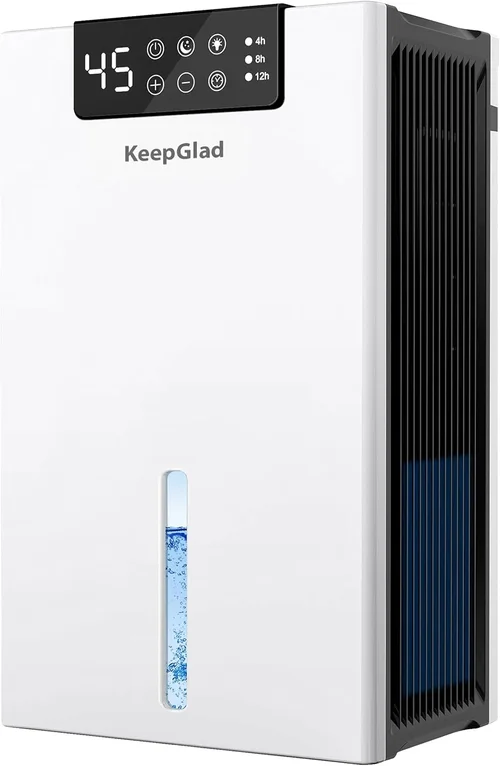
High humidity isn’t just a discomfort—it’s a threat to your home, your health, and your peace of mind. Whether you live in a coastal region, a damp basement, or simply experience seasonal spikes in moisture, excess humidity can trigger mold growth, damage furniture, worsen allergies, and even compromise the structural integrity of your walls and flooring. In 2026, the dehumidifier market has evolved dramatically, offering smarter, more efficient, and more user-friendly options than ever before. But with so many models, features, and price points available, choosing the right one can feel overwhelming. That’s where this guide comes in.
This comprehensive buying guide is designed to cut through the noise and help you make an informed, confident decision. Whether you’re battling musty odors in your basement, protecting your wardrobe from mildew, or maintaining optimal indoor air quality for respiratory health, we’ll walk you through every critical factor—from performance specs and smart features to budget considerations and long-term durability. You’ll learn how to match your specific needs with the right type of dehumidifier, avoid common pitfalls, and ultimately invest in a unit that delivers lasting value. By the end, you’ll not only know what to buy—you’ll know why it matters.
The modern dehumidifier landscape is more diverse than ever. From compact refrigerant-based units ideal for small spaces to powerful desiccant models built for extreme conditions, today’s appliances come equipped with Wi-Fi connectivity, energy-saving modes, auto-defrost capabilities, and even air purification functions. With brands like Frigidaire, GE, Midea, hOmeLabs, and EcoDry leading innovation, consumers now have access to technology that was once reserved for commercial applications. This guide will help you navigate that evolution, ensuring you select a dehumidifier that performs reliably, fits your lifestyle, and stands the test of time.
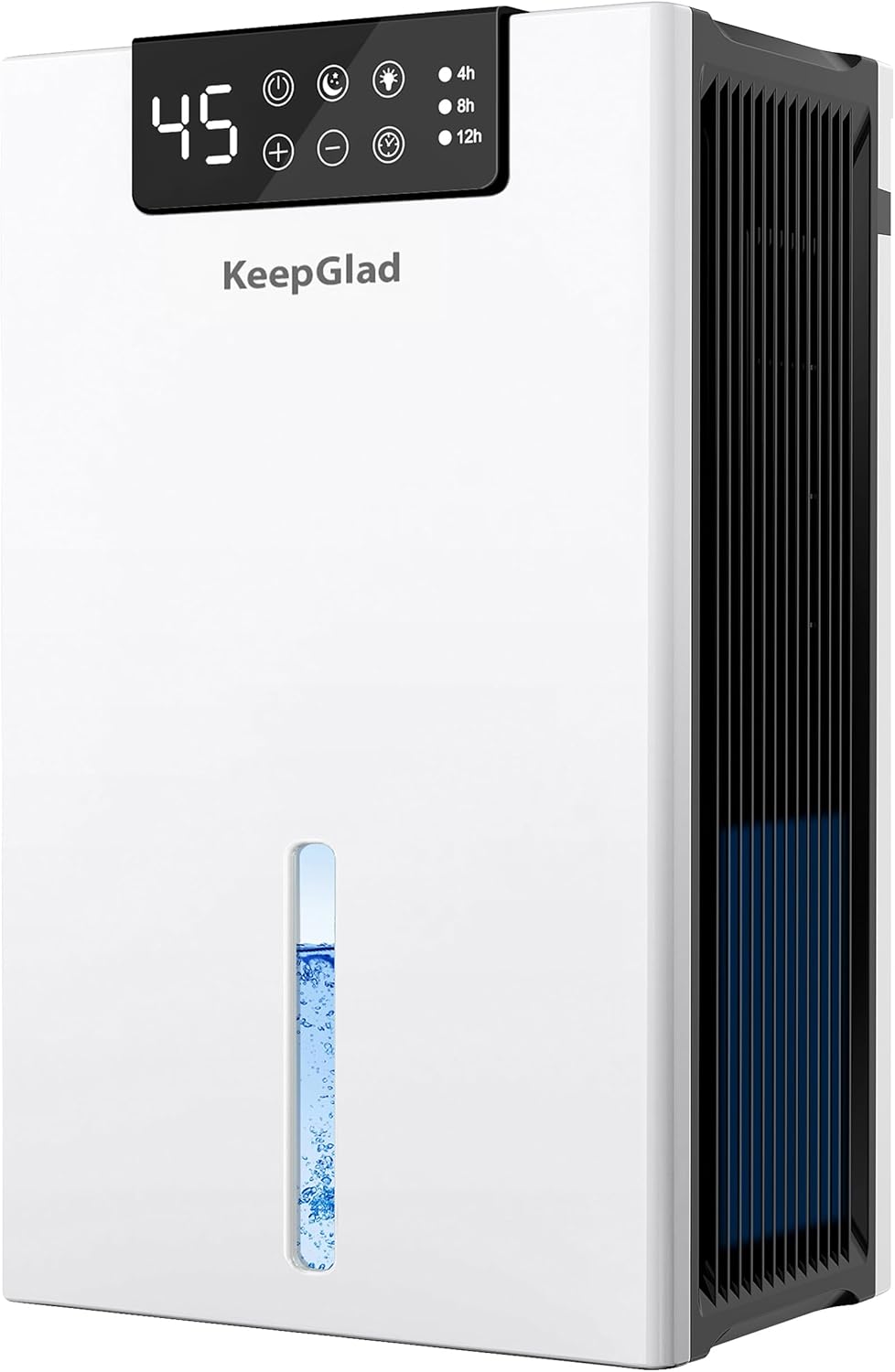
What to Look for When Buying a Dehumidifier
1. Capacity & Moisture Removal Rate
The most fundamental specification when choosing a dehumidifier is its capacity—typically measured in pints per day (PPD). This number tells you how much moisture the unit can extract from the air in a 24-hour period under standard conditions (usually 60% relative humidity at 80°F). For high-humidity environments, you’ll want a model with a higher PPD rating. A 30–50 PPD unit is suitable for moderately damp areas like basements or large living rooms, while 70+ PPD models are better for severely wet spaces such as crawl spaces, garages, or flood-prone zones.
But capacity alone isn’t enough. You also need to consider the size of the space you’re treating. As a rule of thumb, a 2,000-square-foot basement with high humidity may require a 50–70 PPD unit, whereas a 500-square-foot bathroom or laundry room might only need 20–30 PPD. Always check the manufacturer’s coverage area recommendations and match them to your room dimensions. Overestimating can lead to unnecessary energy consumption, while underestimating results in ineffective moisture control.
2. Energy Efficiency & Operating Costs
Dehumidifiers run continuously in high-humidity environments, so energy efficiency directly impacts your utility bills. Look for units with the ENERGY STAR® certification, which indicates they meet strict efficiency guidelines set by the U.S. Environmental Protection Agency. ENERGY STAR models use up to 15% less energy than standard units, translating to significant savings over time—especially if you run the dehumidifier daily.
Pay attention to the Energy Factor (EF), measured in liters of water removed per kilowatt-hour (L/kWh). Higher EF values mean greater efficiency. For example, a unit with an EF of 1.8 is more efficient than one with 1.2. Also consider features like auto-humidistats, which allow the unit to cycle on and off based on real-time humidity levels, preventing unnecessary runtime. Some advanced models even include programmable timers and sleep modes to further reduce energy use during off-peak hours.
3. Humidity Control & Sensor Accuracy
Effective dehumidification isn’t just about removing moisture—it’s about maintaining consistent, healthy humidity levels. Most modern units come with built-in humidistats that let you set your desired relative humidity (RH), typically between 30% and 80%. For optimal comfort and mold prevention, experts recommend keeping indoor RH between 30% and 50%.
However, not all humidistats are created equal. Cheaper models may have sensors that drift over time or respond slowly to changes in ambient conditions. Look for units with digital displays and high-precision sensors (±3% accuracy or better). Some premium models even feature dual sensors—one for ambient air and another for the evaporator coil—to ensure consistent performance. Additionally, units with “continuous drain” options allow you to bypass the water tank entirely by connecting a hose, which is ideal for unattended operation in basements or crawl spaces.
4. Build Quality & Durability
A dehumidifier is a long-term investment, so durability matters. Check the materials used in the housing, compressor, and internal components. Units with metal coils (especially copper or aluminum with anti-corrosion coatings) tend to last longer than those with plastic parts. Also, consider the warranty—most reputable brands offer at least a one-year limited warranty, but some extend coverage to two or even five years on key components like the compressor.
Look for features that enhance longevity, such as auto-defrost technology (prevents ice buildup in cold environments), washable air filters (reduce maintenance costs), and rust-resistant finishes. If you live in a coastal area or high-moisture zone, corrosion resistance becomes even more critical. Reading user reviews can also reveal real-world insights into how well a model holds up over time.
5. Noise Level & Operational Comfort
Dehumidifiers aren’t known for being quiet—especially when running at full capacity. Noise levels are measured in decibels (dB), and most residential units range from 45 dB to 60 dB. For perspective, 45 dB is similar to a quiet library, while 60 dB resembles normal conversation. If you plan to place the unit in a bedroom, home office, or living area, opt for a model with a noise rating below 50 dB.
Many manufacturers now include “quiet mode” or “low-speed” settings that reduce fan speed and compressor output for quieter operation—though this may slightly reduce moisture removal efficiency. Some premium models use advanced compressor insulation or variable-speed fans to minimize sound. Always check the decibel rating in the product specs, and if possible, listen to a demo video or read user feedback about real-world noise performance.
6. Smart Features & Connectivity
In 2026, smart home integration is no longer a luxury—it’s a practical advantage. Wi-Fi-enabled dehumidifiers allow you to monitor and control humidity levels remotely via smartphone apps. You can adjust settings, receive alerts when the tank is full, track energy usage, and even integrate with voice assistants like Alexa or Google Assistant.
Some models offer geofencing, which automatically turns the unit on when you’re near home and off when you leave—perfect for vacation homes or rental properties. Others include air quality monitoring, detecting pollutants like VOCs or allergens and adjusting operation accordingly. While these features add convenience, they often come at a premium. Determine whether the added functionality justifies the cost based on your lifestyle and usage patterns.
7. Portability & Ease of Use
Even the most powerful dehumidifier is useless if it’s difficult to move or operate. Look for units with built-in handles, caster wheels, and lightweight designs—especially if you plan to move it between rooms or store it seasonally. A weight under 40 pounds is generally manageable for most adults, though larger commercial-grade units can exceed 60 pounds.
User-friendly controls are equally important. Digital displays with intuitive menus, one-touch presets (like “Basement” or “Laundry Room”), and clear indicator lights for filter cleaning or tank full status make daily operation hassle-free. Removable, dishwasher-safe water tanks with spill-proof designs also simplify maintenance. For continuous drainage setups, ensure the unit has a standard garden hose connector and a reliable pump (if needed for vertical drainage).
8. Brand Reputation & Customer Support
Not all dehumidifier brands are equal in terms of reliability, service, and innovation. Established names like Frigidaire, GE, and Midea have decades of experience and widespread service networks, making repairs and part replacements easier. Newer entrants like hOmeLabs and EcoDry have gained popularity for offering high-performance units at competitive prices, often with extended warranties.
Before purchasing, research the brand’s customer support reputation. Do they offer live chat, phone support, or detailed online troubleshooting guides? Are replacement filters and parts readily available? Check third-party review sites and forums for recurring complaints about durability, noise, or service responsiveness. A strong brand reputation often correlates with better long-term satisfaction.
Different Types of Dehumidifiers

Common Buying Mistakes to Avoid
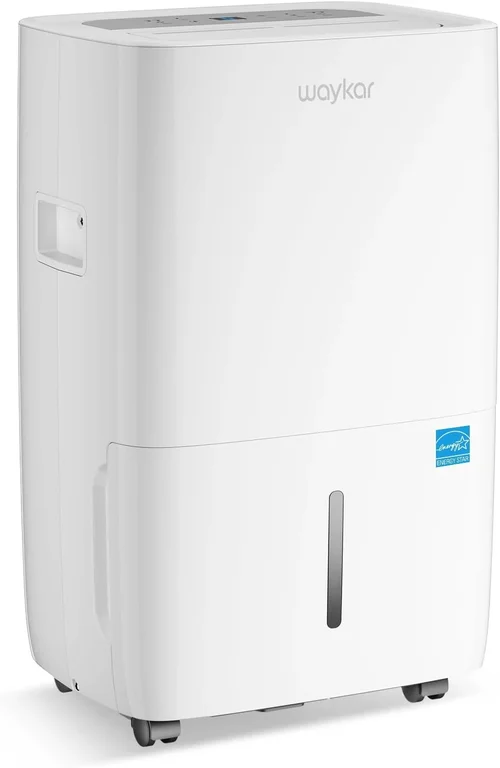
❌ Mistake: Choosing Based Solely on Price
Why it’s bad: The cheapest dehumidifier often lacks essential features like accurate humidistats, auto-defrost, or durable components. It may also be inefficient, costing more in electricity over time and failing prematurely.
What to do instead: Focus on total cost of ownership—not just upfront price. Consider energy efficiency, warranty length, and expected lifespan. A mid-range model with ENERGY STAR certification often offers better long-term value.
❌ Mistake: Ignoring Room Size and Humidity Level
Why it’s bad: A unit too small for your space won’t reduce humidity effectively, while an oversized model may cycle on and off too frequently, reducing efficiency and increasing wear.
What to do instead: Measure your room’s square footage and assess moisture severity (e.g., dampness, mold, musty smell). Use manufacturer sizing charts and opt for a unit rated for slightly larger spaces to ensure adequate coverage.
❌ Mistake: Overlooking Drainage Options
Why it’s bad: If you forget to empty the water tank regularly, the unit will shut off, leaving your space vulnerable to rising humidity. This is especially risky in basements or unattended areas.
What to do instead: Choose a model with a continuous drain hose option or built-in pump. Even if you start with manual emptying, having the drain feature adds flexibility for future use.
❌ Mistake: Neglecting Maintenance Requirements
Why it’s bad: Clogged filters and dirty coils reduce efficiency, increase energy use, and can lead to mold growth inside the unit itself.
What to do instead: Select a dehumidifier with washable, reusable filters and easy-access components. Commit to monthly cleaning and annual coil inspections to maintain peak performance.
❌ Mistake: Assuming All “Smart” Features Are Useful
Why it’s bad: Wi-Fi connectivity and app controls sound impressive, but if you rarely use them, you’re paying extra for unused functionality.
What to do instead: Only invest in smart features that align with your habits. If you travel often or manage multiple properties, remote monitoring makes sense. For everyday home use, basic programmable timers may suffice.
❌ Mistake: Buying Without Checking Warranty Terms
Why it’s bad: A short or limited warranty leaves you exposed to repair costs if the compressor or motor fails after a few months.
What to do instead: Prioritize brands offering at least a 2-year warranty, with coverage for major components. Read the fine print—some warranties exclude labor or require professional installation.
❌ Mistake: Placing the Unit in the Wrong Location
Why it’s bad: Putting a dehumidifier in a corner, behind furniture, or near walls restricts airflow, reducing efficiency and potentially causing overheating.
What to do instead: Position the unit in an open area with at least 6–8 inches of clearance on all sides. Avoid placing it near heat sources or in direct sunlight.
Budget Guidelines: How Much Should You Spend?
– Entry-Level ($100 – $200): Ideal for small spaces like closets, bathrooms, or RVs. These units typically remove 20–30 pints per day and may lack advanced features like humidistats or auto-defrost. Best for occasional use or mild humidity issues. Expect basic build quality and shorter lifespans (3–5 years).
– Mid-Range ($200 – $400): The sweet spot for most homeowners. These models offer 30–50 PPD capacity, ENERGY STAR efficiency, digital controls, and reliable drainage options. Many include washable filters, auto-restart after power outages, and quiet operation. Expect 5–7 years of service with proper maintenance.
– Premium ($400 – $700): Designed for high-humidity environments and larger spaces. Features often include Wi-Fi connectivity, dual sensors, air purification (HEPA or activated carbon filters), and robust construction. Ideal for basements, crawl spaces, or homes in tropical climates. Lifespan can exceed 8 years.
– Luxury ($700+): Top-tier units with commercial-grade performance, whole-house integration, and advanced diagnostics. These are best for large homes, flood recovery, or professional use. Expect extended warranties, ultra-quiet operation, and seamless smart home compatibility.
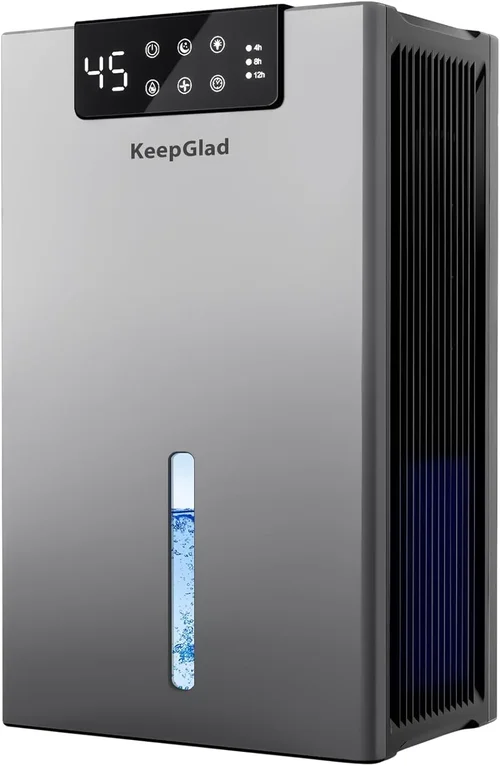
Expert Tips for Getting the Best Deal
– Buy During Off-Peak Seasons: Dehumidifiers are in highest demand during summer and hurricane season. Shop in late fall or winter (October–February) for deeper discounts and better inventory.
– Compare Retailers Strategically: Check Amazon, Home Depot, Lowe’s, and specialty HVAC retailers. Online marketplaces often have competitive pricing and user reviews, while big-box stores offer in-person demos and instant pickup.
– Look for Bundle Deals: Some retailers offer discounts when you buy a dehumidifier with an air purifier, humidifier, or smart thermostat. These bundles can save 10–20% off individual prices.
– Read Return Policies Carefully: Ensure the seller allows returns within 30–60 days, especially if you’re unsure about fit or performance. Avoid restocking fees by confirming policy details upfront.
– Test Before Committing: If buying in-store, ask to see a working unit. Listen for noise levels, check the display clarity, and inspect build quality. For online purchases, watch unboxing and review videos to simulate the experience.
– Register Your Product Immediately: This activates the warranty and may qualify you for firmware updates or service alerts. Some brands also offer extended warranty options at registration.
– Monitor Price Drops: Use tools like Honey, CamelCamelCamel, or Google Shopping alerts to track price history and get notified of sales.
– Consider Refurbished or Open-Box Models: Certified refurbished units from reputable sellers often come with full warranties and significant savings (20–40% off retail).

Frequently Asked Questions
Q: How do I know if I need a dehumidifier?
A: Signs include persistent musty odors, condensation on windows, peeling paint or wallpaper, mold growth, or a clammy feeling in the air. You can also use a hygrometer to measure indoor humidity—if it consistently reads above 50%, a dehumidifier is recommended.
Q: Can a dehumidifier help with allergies?
A: Yes. By reducing moisture, dehumidifiers inhibit the growth of mold, dust mites, and mildew—common allergens. Some models also include air filters that capture pollen and pet dander, providing dual benefits.
Q: Should I run my dehumidifier continuously?
A: Not necessarily. Most units have humidistats that automatically turn the compressor on and off to maintain your set humidity level. Running it 8–12 hours per day is usually sufficient, depending on conditions.
Q: What’s the difference between refrigerant and desiccant dehumidifiers?
A: Refrigerant models cool air to condense moisture and work best in warm environments. Desiccant units use moisture-absorbing materials and perform better in cold temperatures (below 60°F), making them ideal for garages or winter cabins.
Q: How often should I clean the filter?
A: Every 2–4 weeks during heavy use, or monthly otherwise. A clogged filter restricts airflow, reducing efficiency and potentially causing the unit to overheat.
Q: Can I use a dehumidifier in winter?
A: Yes, but only if the ambient temperature stays above 40°F. Most refrigerant models include auto-defrost to prevent ice buildup. For colder spaces, choose a desiccant model.
Q: Will a dehumidifier lower my energy bills?
A: Indirectly, yes. Lower humidity makes your home feel cooler, allowing you to raise the thermostat setting on your AC. This can reduce cooling costs by 5–10%, offsetting the dehumidifier’s electricity use.
Q: Do I need a pump for continuous drainage?
A: Only if you need to drain vertically (e.g., from a basement to a sink upstairs). Gravity drainage works for horizontal or downward slopes. Built-in pumps add cost but offer greater installation flexibility.
Q: How long do dehumidifiers typically last?
A: With proper maintenance, most units last 5–10 years. Compressor-based models in high-use environments may need replacement closer to the 5-year mark, while well-maintained premium units can exceed 10 years.
Q: Are there any safety concerns with dehumidifiers?
A: Modern units are generally safe, but avoid placing them near water sources or flammable materials. Ensure adequate ventilation and never block air intake or exhaust vents. Unplug before cleaning or servicing.
Our Final Recommendations
– Best for Budget-Conscious Buyers: hOmeLabs 30 Pint Dehumidifier – Offers excellent value with ENERGY STAR efficiency, digital controls, and a washable filter. Perfect for small to medium rooms under $200.
– Best Overall Value: Frigidaire FFAD7033R1 70 Pint Dehumidifier – Combines high capacity, quiet operation, and reliable performance. Includes continuous drain and auto-defrost, making it ideal for basements and large spaces.
– Best Premium Option: EcoDry Smart 50 Pint Wi-Fi Dehumidifier – Features app control, air quality monitoring, and a HEPA filter. Ideal for tech-savvy users who want smart integration and superior air purification.
– Best for Beginners: GE APER50LZ 50 Pint Dehumidifier – Simple interface, intuitive controls, and strong brand support. Great for first-time buyers who want reliability without complexity.
– Best for Advanced Users: Midea Cube 50 Pint Smart Dehumidifier – Compact design, ultra-quiet operation, and advanced scheduling. Includes geofencing and voice control for seamless smart home integration.
Conclusion: Making the Right Choice
Choosing the best dehumidifier for high humidity isn’t just about picking the most powerful or expensive model—it’s about finding the right balance of capacity, efficiency, features, and durability for your unique environment. Whether you’re protecting a cherished home, managing a rental property, or simply improving your family’s comfort, the right dehumidifier can make a profound difference in air quality, health, and long-term savings.
As you evaluate your options, prioritize your specific needs: room size, humidity severity, noise tolerance, and smart functionality. Use the guidelines in this guide to compare models objectively, avoid common pitfalls, and invest wisely. Remember, a dehumidifier is more than an appliance—it’s a guardian of your indoor environment.
Take action today. Measure your space, assess your humidity levels, and select a unit that aligns with your lifestyle and budget. With the right choice, you’ll enjoy fresher air, fewer allergens, and a home that feels as good as it looks. Your future self—and your walls—will thank you.