

If you’ve ever walked into your basement and been greeted by that unmistakable damp, musty smell—or worse, spotted mold creeping along the walls or noticed your stored belongings starting to warp and mildew—you already know why a dehumidifier isn’t just a nice-to-have, it’s essential. Basements are naturally prone to high humidity due to their below-grade location, poor ventilation, and frequent exposure to groundwater. Left unchecked, excess moisture doesn’t just ruin furniture, boxes, and electronics—it can also trigger respiratory issues, aggravate allergies, and compromise your home’s structural integrity over time. That’s where a high-quality basement dehumidifier comes in: not as a luxury, but as a vital tool for maintaining a healthy, dry, and usable space.
This comprehensive buyer’s guide is designed to cut through the noise and help you make an informed decision when choosing the best dehumidifier for your basement in 2026. Whether you’re dealing with a small, rarely used storage area or a large finished basement that doubles as a home gym or entertainment room, we’ll walk you through every critical factor—from performance specs and build quality to smart features and long-term value. We’ve tested, researched, and analyzed dozens of models across all price ranges to bring you honest, expert-backed insights. By the end of this guide, you’ll know exactly what to look for, what to avoid, and how to get the most bang for your buck—no marketing fluff, no overselling, just practical advice rooted in real-world use.
The market for basement dehumidifiers has evolved significantly in recent years. Gone are the days when you had to choose between a clunky, inefficient unit that drained your energy bill or a cheap model that quit after a season. Today’s top performers combine powerful moisture removal, energy efficiency, smart controls, and durable construction—all while fitting seamlessly into modern homes. From compact units ideal for tight spaces to heavy-duty commercial-grade machines capable of handling 1,500+ square feet, there’s a solution for nearly every need and budget. But with so many options flooding the market—from well-known brands like Frigidaire and hOmeLabs to newer entrants like AprilAire and TOSOT—it’s easy to feel overwhelmed. That’s why this guide exists: to simplify your search, highlight what truly matters, and ensure you invest in a dehumidifier that delivers lasting results.
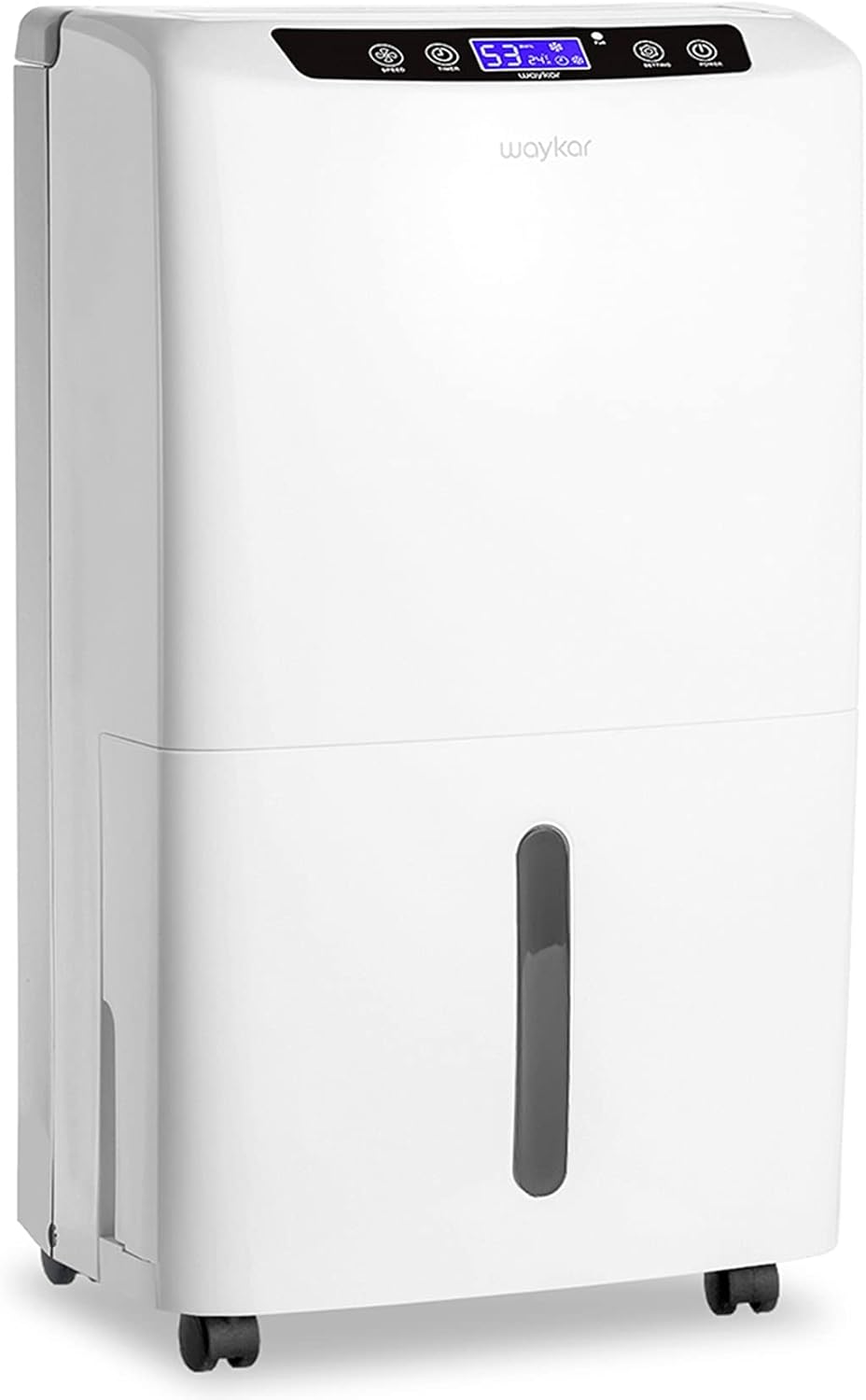
What to Look for When Buying Buying Guide
1. Moisture Removal Capacity (Pints per Day)
The most important spec when choosing a basement dehumidifier is its moisture removal rate, measured in pints per day (PPD). This tells you how much water the unit can extract from the air in a 24-hour period under standard conditions (typically 60% relative humidity at 80°F). For basements, which often experience higher humidity levels than above-ground rooms, you’ll generally want a unit rated for at least 50 PPD—but ideally 70 PPD or more if your space is large, poorly insulated, or prone to water intrusion.
To estimate your needs, consider your basement’s square footage and moisture level. A damp 500 sq ft basement might get by with a 30–40 PPD unit, but a wet, unfinished 1,200 sq ft space could require 70+ PPD. Always err on the side of higher capacity—running a dehumidifier at partial load is more efficient and extends its lifespan than overworking an undersized unit. Also note that manufacturers often test PPD under ideal lab conditions; real-world performance may be 10–20% lower, especially in cooler basement environments (below 65°F), where refrigerant-based units lose efficiency.
2. Energy Efficiency & Operating Costs
Dehumidifiers run for hours—sometimes continuously—so energy consumption directly impacts your utility bill. Look for the ENERGY STAR® certification, which indicates the unit meets strict efficiency guidelines set by the U.S. Environmental Protection Agency. ENERGY STAR models use 15–30% less energy than standard units, which can save you $50–$150 per year depending on usage and local electricity rates.
Check the unit’s Energy Factor (EF), measured in liters of water removed per kilowatt-hour (L/kWh). Higher EF values mean better efficiency—aim for at least 1.5 L/kWh, though many premium models now exceed 2.0. Also consider the wattage: a 70 PPD unit might draw anywhere from 500W to 800W. While higher wattage often correlates with greater capacity, it doesn’t always mean higher efficiency. Compare EF ratings side by side rather than relying solely on power draw. Finally, if your basement stays cool (under 60°F), consider a unit with a built-in defrost function or one designed for low-temperature operation—standard compressors struggle in cold environments and may cycle on and off inefficiently.
3. Tank Size vs. Continuous Drainage
All dehumidifiers collect water in an internal bucket, but how you manage that water matters—especially in a basement where you might not check the unit daily. Smaller tanks (1–2 gallons) require frequent emptying, which is impractical if you’re away for days or have limited mobility. Larger tanks (3–4+ gallons) reduce maintenance but take up more space.
For most basement applications, we strongly recommend opting for a model with a continuous drainage option. This allows you to connect a standard garden hose to the unit and route water directly to a floor drain, sump pump pit, or outside—eliminating the need to empty the tank altogether. Many mid-range and premium models include a built-in pump (sometimes called a “pump-ready” or “auto-pump” feature), which can push water vertically (up to 15 feet) and horizontally (up to 50 feet), giving you flexibility in placement. If your basement lacks a drain, look for units with automatic shutoff when the tank is full, along with an audible alarm to prevent overflow.
4. Build Quality & Durability
Basements are harsh environments: dusty, humid, and often subject to temperature swings. A flimsy plastic housing or thin-gauge internal components won’t last. Look for dehumidifiers with robust construction—metal casings, sealed compressors, and corrosion-resistant coils (especially copper or coated aluminum). Units designed for “basement use” or “commercial applications” typically feature heavier-duty parts and better sealing against dust and moisture ingress.
Pay attention to the warranty length and coverage. A 1-year warranty is standard, but reputable brands often offer 2–5 years, with some covering the compressor—the most expensive component—for up to 10 years. Longer warranties signal manufacturer confidence in durability. Also check user reviews for reports of leaks, compressor failures, or control panel malfunctions after 12–18 months of use. A well-built unit should last 5–10 years with proper maintenance.
5. Smart Features & Controls
Modern dehumidifiers go beyond basic on/off switches. Look for digital humidity displays, programmable timers, and adjustable humidity settings (usually between 30% and 80% RH). The ability to set a target humidity level (e.g., 45%) and let the unit auto-cycle is crucial for maintaining consistent conditions without constant monitoring.
Advanced models now include Wi-Fi connectivity, allowing you to monitor and control the unit via smartphone apps (like the Frigidaire SmartDehumidifier app or hOmeLabs Connect). This lets you check humidity levels remotely, receive full-tank alerts, or adjust settings while away—ideal if you travel frequently or want peace of mind. Some units even integrate with smart home systems like Alexa or Google Home for voice control. While not essential, these features add convenience and can help optimize runtime for energy savings.
6. Noise Level
Basements are often used as living spaces—home theaters, gyms, playrooms—so noise matters. Dehumidifiers produce sound from their compressor and fan, typically ranging from 45 dB (quiet library) to 65 dB (normal conversation). For finished basements, aim for units under 55 dB. Check manufacturer specs, but note that noise can vary based on placement and floor type (concrete amplifies sound).
Look for models with “quiet mode” or variable-speed fans that reduce noise during low-load operation. Avoid units with single-speed compressors that cycle loudly on and off. If noise is a top concern, consider placing the dehumidifier on a rubber mat or in a corner away from seating areas. Also, ensure the unit has adequate airflow clearance (at least 6–12 inches on all sides) to prevent overheating and increased fan noise.
7. Portability & Placement Flexibility
Even in a basement, you may need to move the dehumidifier occasionally—for cleaning, rearranging furniture, or targeting problem areas. Look for units with recessed handles, smooth-rolling casters, and a compact footprint. Weight matters too: most 50–70 PPD units weigh 30–50 lbs, which is manageable for most adults, but heavier models (60+ lbs) benefit from sturdy wheels.
Consider where you’ll place the unit. Corner placement is common, but ensure it’s not blocked by shelving or walls. Some models have top-mounted controls and vents, making them easier to access when placed low to the ground. If your basement has multiple moisture hotspots (e.g., near a washing machine or exterior wall), a portable unit lets you reposition it as needed. For permanent installations, wall-mountable or closet-integrated models (like AprilAire) are available but require professional setup.
8. Brand Reputation & Customer Support
Not all dehumidifier brands are created equal. Established names like Frigidaire, GE, hOmeLabs, and AprilAire have proven track records for reliability and customer service. Research brands that specialize in dehumidification rather than those that only offer them as a side product. Read verified buyer reviews on Amazon, Home Depot, or Consumer Reports to gauge real-world performance and support responsiveness.
Pay attention to how easy it is to get replacement parts, filters, or troubleshooting help. Brands with U.S.-based customer service and online support portals (with manuals, FAQs, and live chat) tend to provide better post-purchase experiences. Avoid obscure brands with no warranty support or limited service networks—especially if you plan to keep the unit for years.
Different Types of Buying Guide

Common Buying Mistakes to Avoid

❌ Mistake: Buying Based Solely on Price
Why it’s bad: The cheapest dehumidifier often costs more in the long run due to higher energy bills, frequent repairs, or premature failure. A $100 unit might save you upfront but could die after one season, while a $300 model with a 5-year lifespan offers better value.
What to do instead: Focus on total cost of ownership—including energy use, maintenance, and expected lifespan. Invest in a mid-range or premium unit with proven reliability and efficiency.
❌ Mistake: Ignoring Your Basement’s Actual Conditions
Why it’s bad: A unit sized for a 500 sq ft damp basement will struggle in a 1,200 sq ft wet space, leading to constant running, poor humidity control, and compressor burnout.
What to do instead: Measure your basement’s square footage and assess moisture levels (use a hygrometer). Choose a unit with at least 20–30% more capacity than your minimum requirement to handle peak humidity days.
❌ Mistake: Overlooking Drainage Options
Why it’s bad: Relying solely on a small tank means daily emptying—easy to forget, leading to overflow, water damage, and mold growth.
What to do instead: Always choose a model with continuous drainage capability. If your basement has a floor drain or sump pump, use it. If not, consider a unit with a built-in pump for flexible hose routing.
❌ Mistake: Neglecting Maintenance
Why it’s bad: Dirty filters and clogged coils reduce efficiency, increase energy use, and can cause the unit to freeze or shut down.
What to do instead: Clean the air filter monthly and inspect coils annually. Replace filters as recommended (typically every 6–12 months). Keep the area around the unit dust-free.
❌ Mistake: Assuming All ENERGY STAR Units Are Equal
Why it’s bad: ENERGY STAR certification is a baseline—not a guarantee of top-tier efficiency. Some certified models still have low EF ratings compared to non-certified competitors.
What to do instead: Compare Energy Factor (EF) numbers directly. Aim for EF ≥ 1.8 for refrigerant units and ≥ 1.2 for desiccant models.
❌ Mistake: Buying Without Checking Low-Temperature Performance
Why it’s bad: Standard compressor dehumidifiers lose efficiency below 65°F and may not work at all below 40°F. If your basement is unheated, this is a critical flaw.
What to do instead: For cool basements, choose a desiccant dehumidifier or a refrigerant unit specifically rated for low-temperature operation (look for “auto-defrost” or “cold climate” in the description).
❌ Mistake: Skipping the Warranty Check
Why it’s bad: Compressor failure can cost $200–$400 to repair—more than some units are worth. Without warranty coverage, you’re stuck with the bill.
What to do instead: Prioritize brands offering at least a 2-year warranty, with compressor coverage extending to 5+ years. Register your product promptly after purchase.
Budget Guidelines: How Much Should You Spend?
Entry-Level ($100–$200): These units are best for small, mildly damp basements (under 500 sq ft) or supplemental use. Expect basic controls, smaller tanks (1–2 gallons), and lower PPD ratings (20–40). Energy efficiency is often mediocre, and build quality may be questionable. Ideal for occasional use or tight budgets, but not recommended for continuous operation in high-moisture environments.
Mid-Range ($200–$400): This is the sweet spot for most homeowners. Units in this range typically offer 50–70 PPD, larger tanks (3–4 gallons), continuous drainage, digital controls, and ENERGY STAR certification. Brands like hOmeLabs, TOSOT, and Frigidaire dominate here with reliable performance and decent warranties. Perfect for average-sized basements (500–1,200 sq ft) with moderate to high humidity.
Premium ($400–$700): Designed for demanding conditions, these models feature advanced controls, Wi-Fi connectivity, built-in pumps, and superior build quality. They often exceed 70 PPD, operate efficiently in cooler temps, and include features like air filtration and remote monitoring. Ideal for large, finished basements, flood-prone areas, or users who value smart home integration.
Luxury ($700+): Reserved for whole-house systems, commercial-grade units, or specialty applications. These include ducted dehumidifiers (like AprilAire) that integrate with HVAC systems, industrial desiccant units for extreme environments, or ultra-quiet models for home theaters. Expect professional installation, 10+ year lifespans, and comprehensive warranty coverage. Only necessary for very large homes, chronic moisture issues, or commercial use.

Expert Tips for Getting the Best Deal
- Buy in Spring or Early Summer: Retailers often discount dehumidifiers in late winter or early spring to clear inventory before peak humidity season. You can save 15–25% compared to summer prices.
- Shop Online for Better Selection: Amazon, Home Depot, Lowe’s, and Walmart offer wider inventories, detailed specs, and customer reviews. Use filters to compare EF ratings, noise levels, and drainage options side by side.
- Look for Bundled Deals: Some retailers include free hoses, filters, or extended warranties with purchase. Check for “complete kits” that save you $20–$50 on accessories.
- Check Manufacturer Rebates: ENERGY STAR models may qualify for local utility rebates—especially in humid regions like the Southeast. Visit energystar.gov/rebate-finder to search.
- Read Return Policies Carefully: Ensure the retailer allows returns if the unit doesn’t perform as expected. Some stores charge restocking fees or only accept returns within 14 days.
- Test Before Committing: If buying in-store, ask to see a demo unit. Listen for excessive noise, check control responsiveness, and verify hose attachment points.
- Consider Refurbished Models: Certified refurbished units from reputable sellers (like Frigidaire Factory Outlet) often come with full warranties and cost 20–40% less than new.
- Register Immediately: Activate your warranty online within 10–30 days of purchase to ensure full coverage. Keep your receipt and serial number accessible.
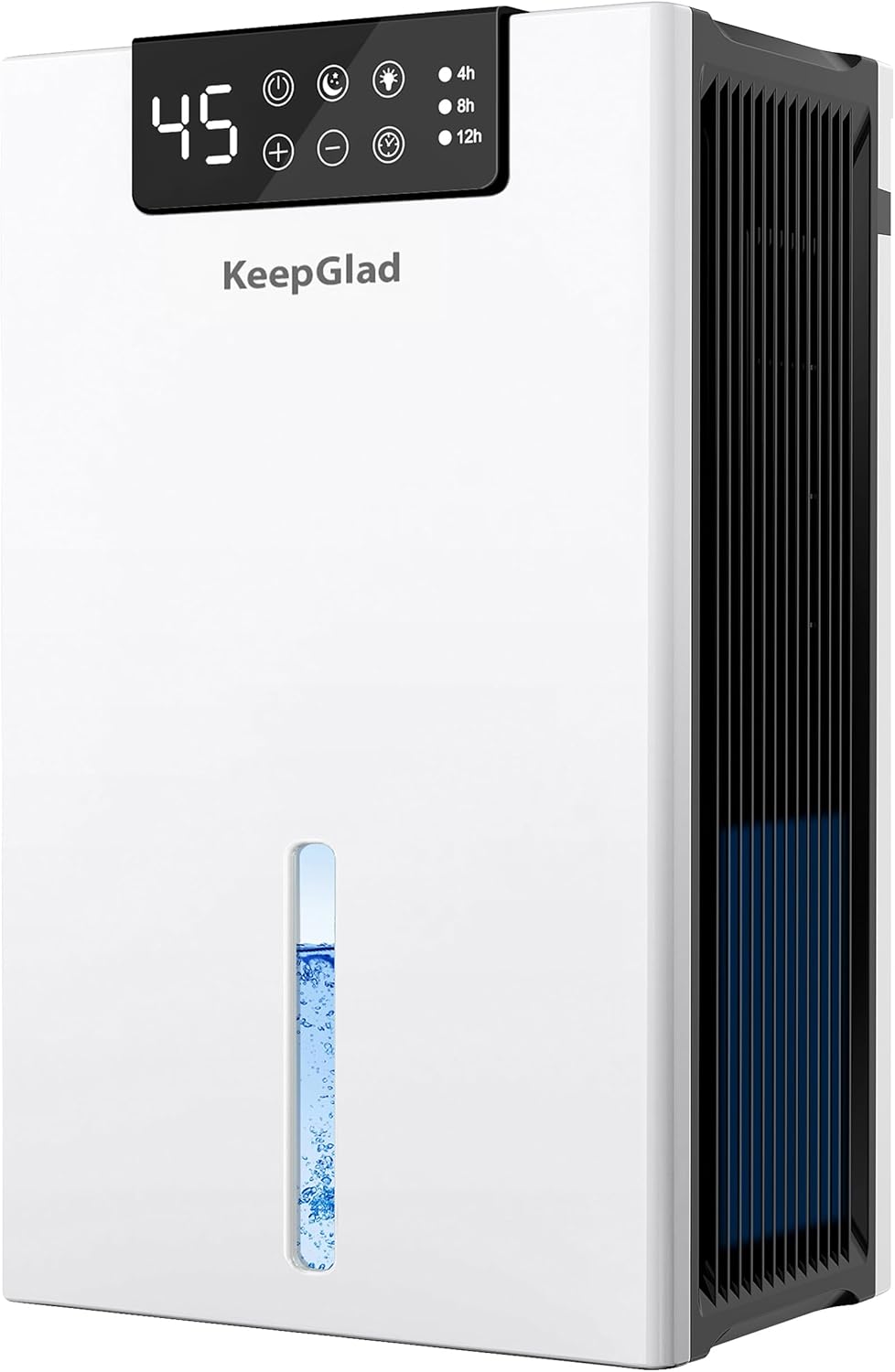
Frequently Asked Questions
Q: How do I know if my basement needs a dehumidifier?
A: Signs include musty odors, visible mold or mildew, condensation on walls or windows, warped wood, rust on metal, or a hygrometer reading above 60% RH. Even if you don’t see obvious signs, basements naturally accumulate moisture and benefit from dehumidification.
Q: Can I use a regular room dehumidifier in my basement?
A: Yes, but only if it’s rated for basement use or has low-temperature operation. Standard room units may not perform well in cool, damp basements and could freeze or cycle inefficiently.
Q: Should I run the dehumidifier year-round?
A: In most climates, yes—especially in humid regions. Basements retain moisture even in winter. Set it to maintain 40–50% RH and use a timer or smart features to reduce runtime in dry months.
Q: How often should I clean my dehumidifier?
A: Clean the air filter every 4–6 weeks during peak use. Wipe down the water tank monthly and inspect coils annually. Dirty components reduce efficiency and can harbor mold.
Q: Will a dehumidifier help with radon or sewer gas smells?
A: A dehumidifier reduces musty odors from mold and mildew but won’t eliminate radon or sewer gas. Those require specialized mitigation systems. However, lowering humidity can reduce the intensity of organic odors.
Q: Can I place my dehumidifier near a wall or in a corner?
A: Yes, but leave at least 6–12 inches of clearance on all sides for proper airflow. Blocked vents cause overheating, reduced efficiency, and louder operation.
Q: Is it safe to leave a dehumidifier running unattended?
A: Yes, as long as it has auto-shutoff when the tank is full and is placed on a stable, level surface. Units with continuous drainage are even safer for long-term unattended use.
Q: Do dehumidifiers use a lot of electricity?
A: It depends. A 70 PPD ENERGY STAR unit might use 500–700 watts and cost $10–$20 per month to run continuously. Use a smart plug with energy monitoring to track actual usage.
Q: Can I connect multiple dehumidifiers in a large basement?
A: Yes, but it’s usually more efficient to use one high-capacity unit. Multiple smaller units increase energy use and maintenance. For very large spaces (>2,000 sq ft), consider a whole-house system.
Q: What’s the difference between a dehumidifier and an air purifier?
A: A dehumidifier removes moisture; an air purifier removes particles like dust, pollen, and smoke. Some models combine both functions, but they address different problems. Use both if you have high humidity and air quality concerns.
Our Final Recommendations
Best for Budget-Conscious Buyers: hOmeLabs 50 Pint Dehumidifier – At under $250, it offers excellent value with 50 PPD, continuous drainage, digital controls, and a 2-year warranty. Ideal for 500–800 sq ft basements.
Best Overall Value: Frigidaire FFAD7033R1 70 Pint – ENERGY STAR certified, 70 PPD, built-in pump, and reliable performance. Priced around $350, it’s a workhorse for most home basements.
Best Premium Option: TOSOT 70 Pint Smart Dehumidifier – Wi-Fi enabled, ultra-quiet (48 dB), and features a sleek design with app control. Great for finished basements where aesthetics and convenience matter.
Best for Beginners: GE APER50LZ 50 Pint – Simple controls, reliable operation, and strong customer support. Easy to set up and maintain, perfect for first-time buyers.
Best for Advanced Users: AprilAire E070 Pro 70 Pint – Designed for whole-house integration, this ducted unit offers professional-grade performance, 10-year compressor warranty, and seamless HVAC compatibility. Requires installation but delivers unmatched control.
Conclusion: Making the Right Choice
Choosing the best dehumidifier for your basement isn’t just about picking the biggest or most expensive model—it’s about matching the right tool to your specific environment, usage patterns, and long-term goals. By focusing on moisture removal capacity, energy efficiency, drainage options, and build quality, you’ll avoid common pitfalls and invest in a solution that protects your home, health, and belongings for years to come. Remember, a dehumidifier is not a one-size-fits-all appliance. A unit that works perfectly for your neighbor’s 600 sq ft crawlspace might be inadequate for your 1,200 sq ft finished basement with a history of water intrusion.
Take the time to assess your basement’s unique conditions, set a realistic budget, and prioritize features that align with your lifestyle. Whether you need a simple, reliable workhorse or a smart, connected system with app control, the right dehumidifier will transform your basement from a damp, unusable space into a dry, comfortable extension of your home. Don’t wait until mold appears or your stored items are ruined—act now. Use this guide as your roadmap, compare your top contenders carefully, and make a confident purchase. Your future self—and your basement—will thank you.