
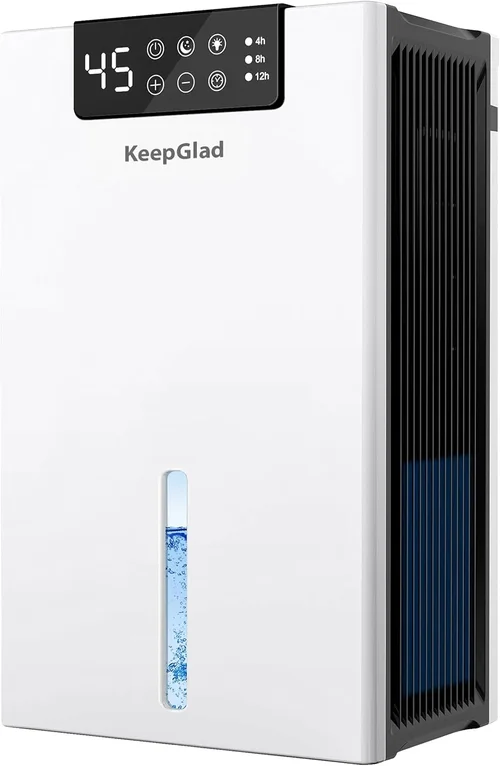
Dealing with excess moisture in your home isn’t just about comfort—it’s about protecting your health, your belongings, and the structural integrity of your living space. High humidity levels can lead to mold growth, musty odors, warped wood, damaged electronics, and even respiratory issues for you and your family. Whether you live in a damp basement, a humid coastal region, or simply notice condensation on your windows during certain seasons, a dehumidifier can be a game-changer. But with so many models, features, and price points on the market, choosing the right one can feel overwhelming.
That’s exactly why this comprehensive buying guide exists. We’ve tested, researched, and analyzed dozens of dehumidifiers to bring you the most up-to-date, expert-level advice for 2026. By the end of this guide, you’ll know exactly what to look for, how to avoid common pitfalls, and which models offer the best value for your specific needs. Whether you’re shopping for a small bedroom unit or a heavy-duty whole-house solution, we’ve got you covered. The dehumidifier market has evolved significantly in recent years, with smarter controls, energy-efficient designs, and improved moisture extraction technologies—so it’s more important than ever to make an informed decision.
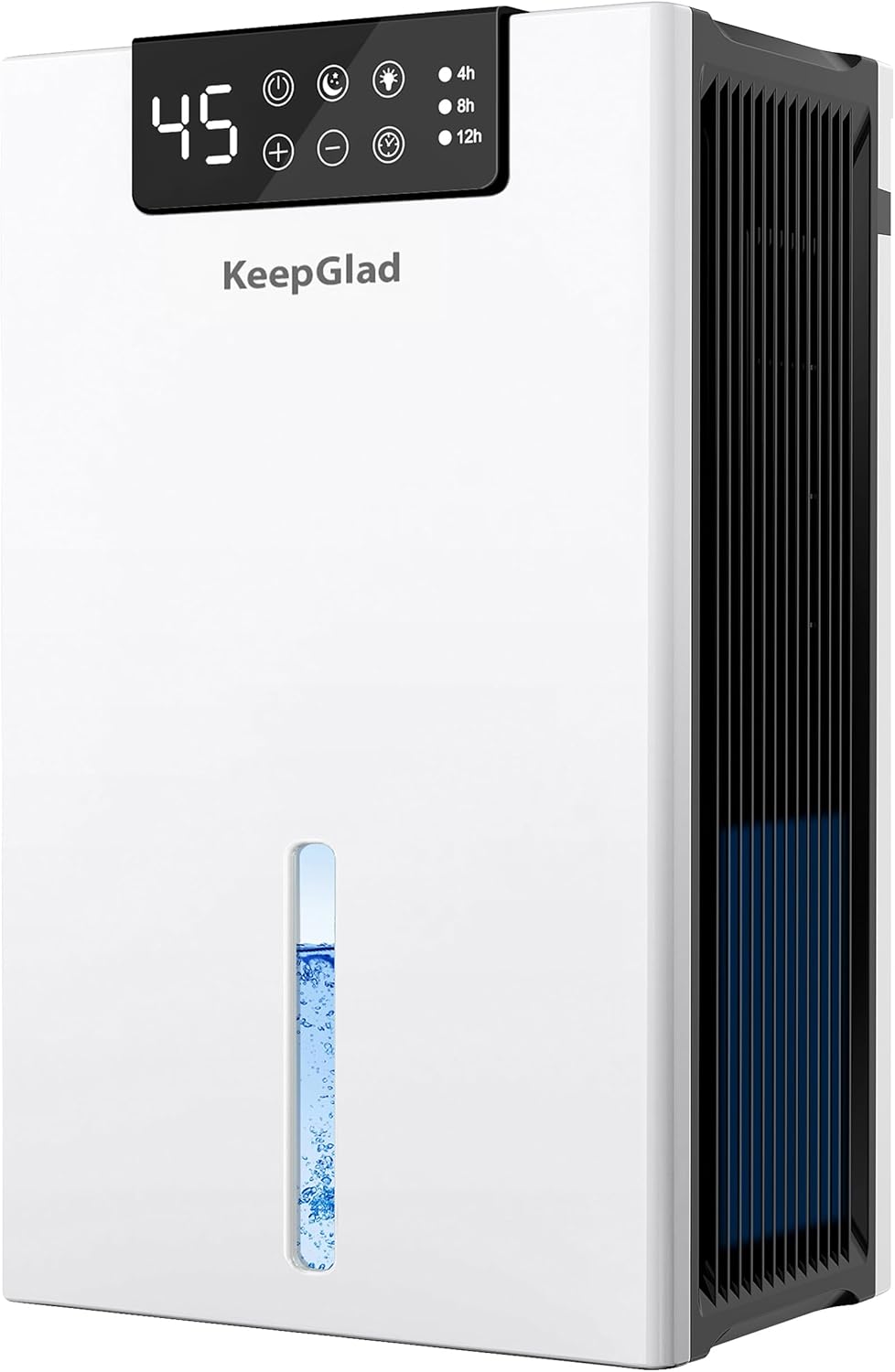
What to Look for When Buying Buying Guide
1. Budget & Price Range
Your budget is often the first filter when shopping for a dehumidifier, but it shouldn’t be the only one. Prices can range from under $100 for basic compact units to over $1,000 for high-capacity, whole-home systems. While it’s tempting to go for the cheapest option, remember that dehumidifiers are long-term investments in your home’s air quality and structural health. A low-cost model might save you money upfront but could cost more in the long run due to higher energy consumption, frequent repairs, or inadequate performance.
Set a realistic budget based on your needs. For example, if you only need to control humidity in a single room like a bedroom or closet, a $150–$250 model may suffice. However, if you’re tackling a damp basement or large living area, expect to spend $300–$600 for a reliable, high-capacity unit. Premium models with smart features, quiet operation, and advanced filtration can push into the $700+ range. Always consider the total cost of ownership—including electricity usage and maintenance—not just the sticker price.
2. Performance Specifications
Performance is measured primarily by a dehumidifier’s capacity, usually expressed in pints per day (PPD). This tells you how much moisture the unit can remove in 24 hours under standard conditions (typically 60% relative humidity at 80°F). For small spaces like bathrooms or closets, a 20–30 PPD unit is usually sufficient. Medium-sized rooms such as bedrooms or living areas may require 30–50 PPD. Basements, garages, or large open floor plans often need 50–70 PPD or more.
But capacity isn’t the only performance metric. Look at the unit’s operating temperature range—some models struggle in cold environments below 65°F, which is problematic for basements or crawl spaces that stay cool year-round. Also check the energy efficiency rating, often labeled as Energy Factor (EF) in liters per kilowatt-hour (L/kWh). Higher EF values mean the unit removes more moisture per unit of electricity, saving you money on utility bills. ENERGY STAR-certified models are typically 15–30% more efficient than standard units.
3. Build Quality & Durability
A dehumidifier is a mechanical appliance with moving parts—compressors, fans, coils, and pumps—that work continuously in often harsh environments. That’s why build quality matters. Look for units with sturdy plastic or metal casings, well-sealed components, and corrosion-resistant coatings, especially if you plan to use it in a damp basement or garage. Internal components like the evaporator and condenser coils should be made from durable materials like copper or aluminum with protective finishes.
Pay attention to the quality of the water tank. A poorly designed or flimsy tank can crack, leak, or become difficult to remove and clean. Some premium models feature antimicrobial tanks or coatings to prevent mold and bacteria growth. Also consider the longevity of the compressor—hermetically sealed compressors tend to last longer than open-type ones. Reading long-term user reviews can give you insight into real-world durability, as manufacturer claims don’t always reflect actual performance over time.
4. Features & Functionality
Modern dehumidifiers come packed with features that enhance convenience, efficiency, and control. One of the most important is the built-in humidistat, which allows you to set your desired humidity level (ideally between 30% and 50%) and automatically turns the unit on or off to maintain it. Without this, you’d have to manually monitor and adjust the settings, which is impractical.
Other useful features include auto-defrost (essential for cold environments), auto-restart (recovers after power outages), continuous drainage (via a hose connection), and programmable timers. Some models offer Wi-Fi connectivity and smartphone app control, letting you monitor and adjust settings remotely. While these smart features are nice-to-have, they’re not essential for everyone—especially if you’re on a tight budget. Focus on core functionalities first: reliable moisture removal, ease of use, and low maintenance.
5. Brand Reputation
Not all dehumidifier brands are created equal. Some manufacturers have decades of experience in HVAC and air treatment, while others are newer entrants with limited track records. Established brands like Frigidaire, Honeywell, GE, and AprilAire are known for consistent quality, reliable customer service, and widespread availability of replacement parts. Lesser-known or generic brands may offer lower prices, but they often lack long-term support and may use inferior components.
Research brand reputation by reading professional reviews, checking consumer reports, and looking at user feedback on retail sites. Pay attention to how responsive the company is to customer complaints and whether they honor warranties promptly. A reputable brand may cost a bit more upfront, but it often translates to better performance, longer lifespan, and peace of mind.
6. Warranty & Support
A dehumidifier is a significant purchase, so you want assurance that it’s protected against defects and premature failure. Most reputable brands offer a standard 1-year warranty, but some extend coverage to 2 or even 5 years, especially on key components like the compressor. Longer warranties often indicate higher confidence in product durability.
Read the fine print: some warranties only cover parts, not labor, and may exclude certain conditions like improper installation or use in commercial settings. Also check if the warranty is transferable—this can be important if you plan to sell your home. Customer support is equally important. Look for brands with accessible service centers, online troubleshooting guides, and responsive helplines. A good warranty paired with strong support can save you hundreds in repair costs down the line.
7. Size & Portability
Dehumidifiers come in various sizes, from compact countertop models to large, floor-standing units. The physical size should match your space—both where you’ll place the unit and how much room it needs to operate effectively. A unit that’s too small may struggle to keep up with moisture levels, while an oversized one might be noisy, inefficient, or difficult to move.
Portability is key if you plan to move the dehumidifier between rooms or store it during off-seasons. Look for models with built-in handles, caster wheels, and lightweight designs. However, larger capacity units (50+ PPD) are inherently heavier and less portable, so consider whether you need mobility or if a stationary installation is acceptable. Some basement models are designed to be permanently placed with continuous drainage, sacrificing portability for performance.
8. User Reviews & Ratings
While manufacturer specs and expert reviews are helpful, real-world user experiences provide invaluable insights. Look for patterns in customer feedback—consistent praise for quiet operation or complaints about frequent breakdowns can reveal a lot about a model’s reliability. Pay attention to reviews from users in similar climates or home types as yours, as performance can vary significantly based on environment.
Be cautious of fake or overly promotional reviews. Focus on detailed, balanced feedback that discusses both pros and cons. Sites like Amazon, Home Depot, and Consumer Reports often feature verified purchase reviews, which are more trustworthy. Also check third-party forums and Reddit communities where homeowners share long-term experiences. A model with a 4.5-star average from thousands of users is generally a safer bet than one with a perfect score from just a handful of reviews.
Different Types of Buying Guide
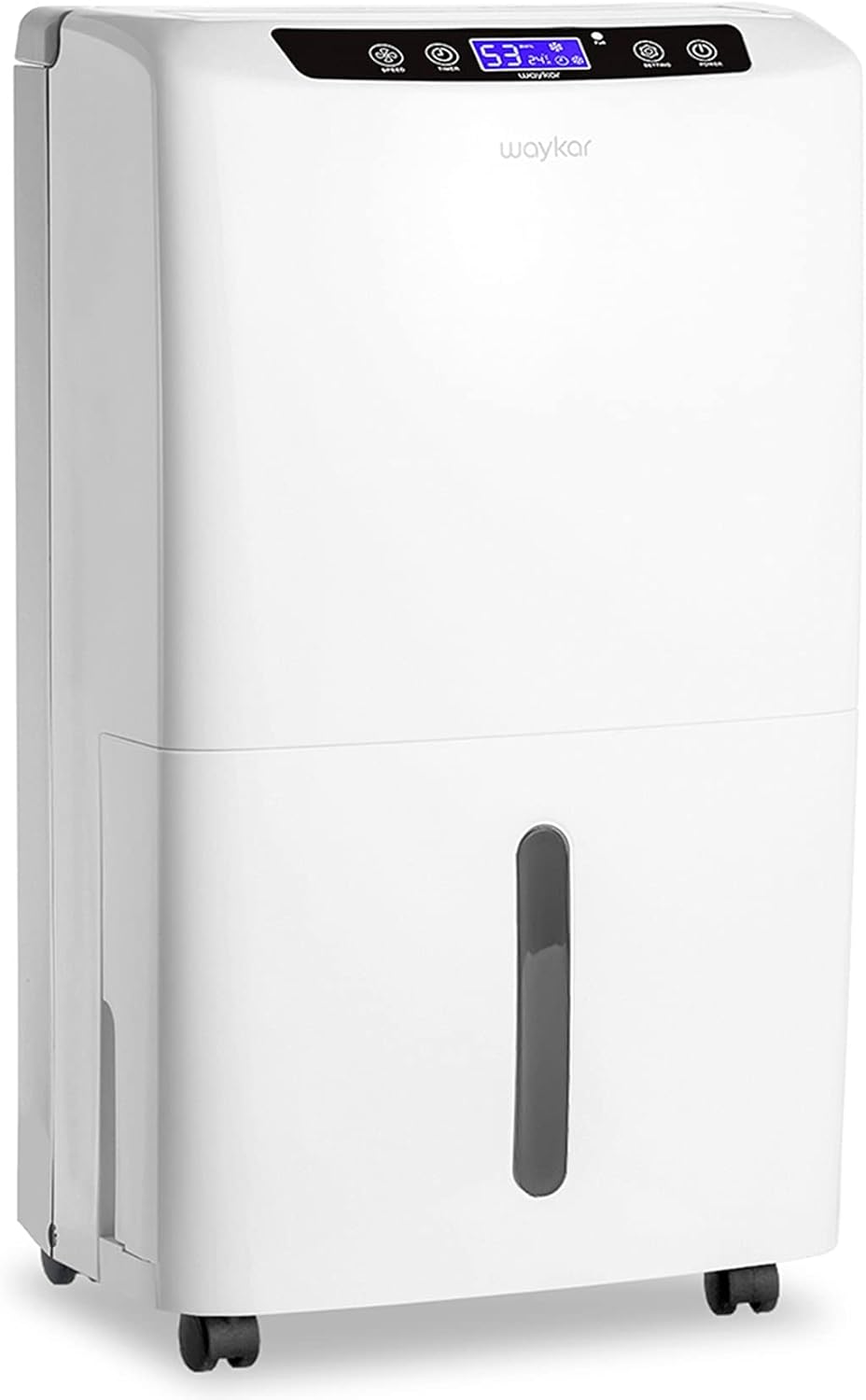
Common Buying Mistakes to Avoid
❌ Mistake: Choosing Based Solely on Price
Why it’s bad: Opting for the cheapest dehumidifier often leads to disappointment. Low-cost models may have weak compressors, poor build quality, and high energy consumption, resulting in higher long-term costs and frequent replacements.
What to do instead: Balance price with performance and durability. Look for mid-range models from reputable brands that offer good value. A $300 unit that lasts 8 years is better than a $150 one that fails after 2.
❌ Mistake: Ignoring Room Size and Humidity Level
Why it’s bad: A dehumidifier that’s too small for your space will run constantly without effectively reducing humidity. Conversely, an oversized unit may cycle on and off too frequently, wasting energy and reducing lifespan.
What to do instead: Measure your room’s square footage and assess moisture levels. Use a hygrometer to check humidity. Match these to the manufacturer’s recommended coverage area and capacity (PPD).
❌ Mistake: Overlooking Drainage Options
Why it’s bad: If you forget about drainage, you’ll be emptying a water tank every few hours—especially in high-humidity areas. This is inconvenient and can lead to overflow if forgotten.
What to do instead: Choose a model with a continuous drainage option (hose connection) for basements or areas with constant moisture. Ensure the unit has an auto-shutoff when the tank is full as a backup.
❌ Mistake: Not Considering Noise Levels
Why it’s bad: Dehumidifiers can be noisy, especially older or budget models. Placing a loud unit in a bedroom or living area can disrupt sleep and daily activities.
What to do instead: Check the decibel (dB) rating—ideally under 50 dB for quiet operation. Look for models with “quiet mode” or insulated compressors. Read user reviews about noise performance.
❌ Mistake: Skipping the Humidistat
Why it’s bad: Without a humidistat, you can’t set and maintain optimal humidity levels. The unit may run unnecessarily or fail to activate when needed, leading to discomfort and potential mold growth.
What to do instead: Always choose a model with a built-in humidistat. This feature is standard on most mid-range and premium units and is essential for efficient, automated operation.
❌ Mistake: Neglecting Maintenance Requirements
Why it’s bad: Dehumidifiers require regular cleaning of filters and tanks to prevent mold, bacteria, and odor buildup. Ignoring maintenance reduces efficiency and can create health hazards.
What to do instead: Choose a model with washable, reusable filters and easy-access components. Set a monthly cleaning reminder to keep the unit running smoothly.
❌ Mistake: Buying Without Checking Return Policy
Why it’s bad: If the dehumidifier doesn’t perform as expected, you may be stuck with a defective or unsuitable unit if the return window is short or restrictive.
What to do instead: Purchase from retailers with generous return policies (30+ days) and free return shipping. Test the unit thoroughly within the return period.
Budget Guidelines: How Much Should You Spend?
- Entry-Level ($80–$200): These compact dehumidifiers are ideal for small spaces like closets, bathrooms, or RVs. Expect basic features, limited capacity (15–30 PPD), and higher noise levels. Best for occasional use or mild humidity issues. Look for models with auto-shutoff and washable filters to maximize value.
- Mid-Range ($200–$450): This is the sweet spot for most homeowners. These units offer 30–50 PPD capacity, built-in humidistats, quiet operation, and energy-efficient performance. Many include continuous drainage, auto-defrost, and programmable timers. Perfect for bedrooms, living rooms, and small basements.
- Premium ($450–$700): Designed for high-moisture environments like large basements, garages, or crawl spaces. These models deliver 50–70 PPD, operate efficiently in cold temperatures, and often feature robust build quality, smart controls, and advanced filtration. Ideal for serious humidity problems.
- Luxury ($700+): Whole-house dehumidifiers and top-tier portable units with Wi-Fi, app control, HEPA filtration, and ultra-quiet operation. These are best for large homes, humid climates, or users who prioritize convenience and air quality. Often integrate with smart home systems and HVAC.

Expert Tips for Getting the Best Deal
- Buy During Off-Peak Seasons: Dehumidifiers are in highest demand during summer and rainy seasons. Shop in late fall or winter (October–February) for better deals, clearance sales, and discounts.
- Compare Retailers: Check prices across major retailers like Amazon, Home Depot, Lowe’s, and Walmart. Use price-tracking tools like Honey or CamelCamelCamel to monitor fluctuations and catch sales.
- Look for Bundled Offers: Some brands offer free shipping, extended warranties, or accessory bundles (like hoses or filters) during promotions. These can add significant value.
- Consider Refurbished Models: Certified refurbished dehumidifiers from reputable sellers often come with warranties and can save you 20–40% off retail price. Ensure they’re tested and certified by the manufacturer.
- Check for Rebates and Incentives: Some utility companies offer rebates for ENERGY STAR-certified dehumidifiers. Visit your provider’s website or the ENERGY STAR rebate finder to see if you qualify.
- Read the Return Policy Carefully: Make sure you can return the unit if it doesn’t meet your expectations. Some retailers charge restocking fees or have short windows.
- Test Before Committing: Run the dehumidifier for at least a week in your intended space. Monitor humidity levels, noise, and ease of use. If it’s not performing well, return it promptly.
- Invest in a Hygrometer: A $10–$20 hygrometer helps you verify the dehumidifier’s effectiveness and set accurate humidity targets. It’s a small cost for peace of mind.

Frequently Asked Questions
Q: How do I know if I need a dehumidifier?
A: Signs include persistent musty odors, condensation on windows, peeling paint or wallpaper, mold growth, and a clammy feeling in the air. Use a hygrometer to measure indoor humidity—if it’s consistently above 50%, a dehumidifier is likely needed.
Q: Can a dehumidifier help with allergies?
A: Yes. By reducing moisture, dehumidifiers inhibit the growth of mold, dust mites, and mildew—common allergens. Pair it with an air purifier for maximum relief.
Q: How often should I empty the water tank?
A: It depends on humidity levels and tank size. Most mid-size units need emptying every 12–24 hours. Models with continuous drainage eliminate this task.
Q: Do dehumidifiers use a lot of electricity?
A: It varies. ENERGY STAR models are more efficient, using about 1–2 kWh per day. Larger units consume more, but the cost is typically $10–$30 per month depending on usage and local rates.
Q: Can I run a dehumidifier all the time?
A: Yes, especially if you have a humidistat. The unit will cycle on and off automatically to maintain your set humidity level, saving energy.
Q: What’s the ideal indoor humidity level?
A: Between 30% and 50%. Below 30% can cause dry skin and respiratory irritation; above 50% promotes mold and dust mites.
Q: Are desiccant dehumidifiers better than compressor models?
A: Desiccant models work better in cold temperatures and are quieter, but they’re less energy-efficient in warm, humid climates. Compressor models are more common and efficient for most home uses.
Q: Can I use a dehumidifier in winter?
A: Yes, but only if the room stays above 60°F. Most compressor dehumidifiers struggle in colder temperatures. Desiccant models or cold-weather-specific units are better for winter use.
Q: How long do dehumidifiers last?
A: With proper maintenance, most last 5–10 years. Higher-quality models from reputable brands tend to last longer.
Q: Should I buy a dehumidifier with a pump?
A: A built-in pump allows you to drain water upward (e.g., into a sink or out a window), which is useful if your unit is below drain level. It adds cost but increases flexibility.
Our Final Recommendations
- Best for Budget-Conscious Buyers: Frigidaire FFAD7033R1 – A reliable 70-pint model under $300 with auto-humidistat, continuous drainage, and ENERGY STAR certification. Great for small basements or large rooms.
- Best Overall Value: hOmeLabs 50 Pint Dehumidifier – Offers excellent performance, quiet operation, and smart features like app control and auto-restart. Priced around $350, it’s a standout in its class.
- Best Premium Option: AprilAire E080 – A whole-house dehumidifier designed for integration with HVAC systems. Ideal for large homes in humid climates, with professional installation and long-term durability.
- Best for Beginners: GE APER50LZ – User-friendly interface, clear controls, and reliable performance. Perfect for first-time buyers who want simplicity and effectiveness.
- Best for Advanced Users: AlorAir Sentinel HDi90 – A high-capacity, cold-weather dehumidifier with a built-in pump, Wi-Fi, and commercial-grade build. Ideal for basements, crawl spaces, and demanding environments.
Conclusion: Making the Right Choice
Choosing the best dehumidifier for your home doesn’t have to be complicated—but it does require thoughtful consideration of your specific needs, space, and budget. From understanding performance specs and build quality to avoiding common pitfalls and leveraging expert tips, this guide equips you with everything necessary to make a confident, informed decision. Remember, the right dehumidifier isn’t just about removing moisture; it’s about improving your home’s air quality, protecting your belongings, and enhancing your overall comfort and health.
Prioritize your must-have features—whether that’s quiet operation, smart controls, or cold-weather performance—and don’t compromise on core functionality like capacity and energy efficiency. Take advantage of seasonal sales, read real user reviews, and always test the unit in your environment before finalizing your purchase. With the right model, you’ll enjoy a drier, healthier, and more comfortable home for years to come.