
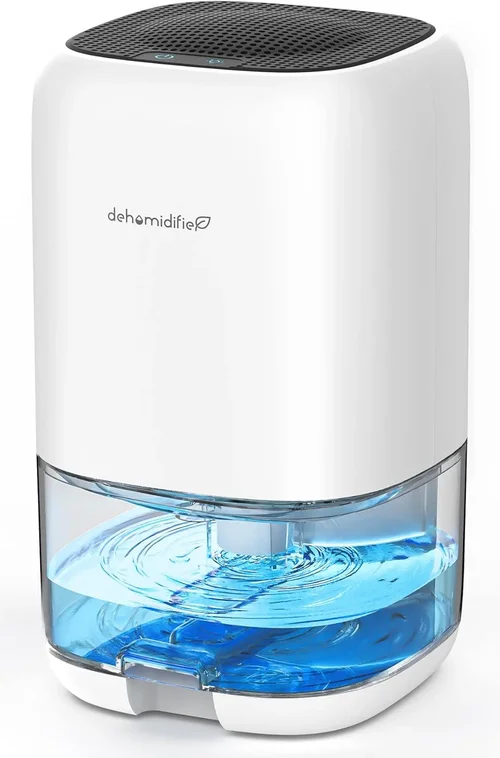
Living in a small apartment comes with its own set of unique challenges—especially when it comes to managing indoor air quality. One of the most overlooked yet impactful issues is excess humidity. Whether you’re dealing with musty odors, peeling paint, or mold creeping into corners, high moisture levels can silently compromise your comfort, health, and even the structural integrity of your space. That’s where a reliable dehumidifier becomes not just a luxury, but a necessity.
But not all dehumidifiers are created equal—especially when space, noise, and efficiency matter as much as performance. With so many models flooding the market in 2026, it’s easy to feel overwhelmed by technical specs, confusing capacity ratings, and flashy features that may not suit your specific needs. This comprehensive buyer’s guide cuts through the noise to help you make an informed decision. Whether you’re battling dampness in a studio apartment, protecting vintage furniture in a one-bedroom loft, or simply aiming for better air quality, we’ll walk you through everything you need to know—from key performance metrics to hidden costs and real-world usability.
In this guide, you’ll learn how to evaluate dehumidifiers based on your apartment’s square footage, climate, and lifestyle. We’ll break down the essential factors to consider—like pint capacity, energy efficiency, noise levels, and smart features—and compare different types of units so you can find the perfect fit. You’ll also discover common pitfalls to avoid, budget-friendly options that don’t sacrifice quality, and expert tips for maximizing value. By the end, you’ll have the confidence to choose a dehumidifier that delivers lasting relief without taking over your living space or your wallet.
—

What to Look for When Buying a Dehumidifier for a Small Apartment
1. Pint Capacity and Room Size Compatibility
When shopping for a dehumidifier, the first thing you’ll notice is the “pint capacity” rating—but this number alone can be misleading if you don’t understand what it really means. Pint capacity refers to how much moisture the unit can remove from the air in 24 hours under standard testing conditions (typically 60% relative humidity at 80°F). For small apartments, a unit rated between 20 and 30 pints per day is usually sufficient.
However, matching capacity to your actual room size and humidity level is crucial. A 30-pint dehumidifier might be overkill for a 400-square-foot studio but underpowered for a damp basement apartment of the same size. Instead of relying solely on manufacturer recommendations, consider your environment: Is your apartment in a humid coastal city like Miami or Seattle? Do you frequently cook or shower without proper ventilation? These factors increase moisture load and may require a higher-capacity unit.
💡 Pro Tip: Use the “square footage + humidity level” rule of thumb. For moderately damp spaces under 500 sq ft, a 20–25 pint model works well. For very damp or wet conditions (like after flooding or in basements), aim for 30+ pints—even in small spaces.
2. Energy Efficiency and Operating Costs
Dehumidifiers run continuously in many climates, which means their energy consumption can significantly impact your utility bill. Look for models with the ENERGY STAR® certification, which indicates they meet strict efficiency guidelines set by the U.S. Environmental Protection Agency. ENERGY STAR-certified dehumidifiers use up to 15% less energy than standard models, saving you money over time.
Pay attention to the unit’s energy factor (EF), measured in liters of water removed per kilowatt-hour (L/kWh). A higher EF means more moisture removed per unit of electricity—translating to lower operating costs. For example, a model with an EF of 1.8 L/kWh is more efficient than one with 1.2 L/kWh.
Also consider the wattage. Most small-apartment dehumidifiers range from 200 to 500 watts. While lower wattage doesn’t always mean better efficiency (since runtime matters too), it’s a useful metric when comparing similar-capacity units. If you plan to run the dehumidifier daily, even a small difference in energy use adds up over months.
3. Noise Level and Quiet Operation
In a small apartment, every decibel counts. A noisy dehumidifier can disrupt sleep, interfere with work calls, or become a constant annoyance in open-concept living spaces. Most modern units operate between 40 and 55 decibels (dB)—comparable to a quiet conversation or library noise. However, some budget models can exceed 60 dB, which is noticeably louder.
Look for models specifically marketed as “quiet” or “whisper-quiet,” and check customer reviews for real-world noise feedback. Compressor-based dehumidifiers tend to be louder than desiccant models, though newer inverter compressors have reduced this gap significantly. If you’re sensitive to sound—especially at night—consider placing the unit in a closet or bathroom with the door slightly ajar, or opt for a model with a dedicated “sleep mode” that minimizes fan speed and compressor cycling.
💡 Pro Tip: Test the dehumidifier during the day before relying on it overnight. Some units have variable fan speeds; running on low can reduce noise by 5–10 dB without sacrificing much performance.
4. Tank Size and Auto-Shutoff Function
The water tank is where collected moisture is stored, and its size determines how often you’ll need to empty it. For small apartments, a 1–2 gallon (approximately 8–16 cup) tank is typical. While larger tanks mean less frequent emptying, they also take up more floor space—a critical consideration in compact homes.
More important than tank size is the presence of an auto-shutoff feature. This safety mechanism turns off the unit when the tank is full, preventing overflow and water damage. Some models also include a continuous drainage option, allowing you to attach a hose and drain directly into a sink, floor drain, or sump pump. This is ideal for unattended operation, especially if you’re away frequently or live in a high-humidity area.
If you choose a model without continuous drainage, look for a tank with a comfortable handle and splash-proof design. Sloshing water while carrying a full tank across a small apartment is no fun—and can lead to slips or spills.
5. Smart Features and Automation
Technology has transformed dehumidifiers from basic appliances into smart home allies. Many 2026 models now offer Wi-Fi connectivity, allowing you to monitor and control humidity levels via smartphone apps. Features like remote scheduling, humidity alerts, and integration with voice assistants (Alexa, Google Assistant) add convenience and precision.
Look for units with built-in hygrometers that automatically maintain your desired humidity level (ideally between 30% and 50%). This prevents over-drying, which can cause static electricity and dry skin, or under-drying, which leaves mold risks unresolved. Some advanced models even sync with weather forecasts to anticipate humidity spikes.
Other useful automation features include:
– Timer functions (e.g., run for 2, 4, or 8 hours)
– Auto-restart after power outages
– Filter change indicators
– Child lock settings
While smart features add cost, they’re worth considering if you value hands-off operation and data-driven climate control.
6. Portability and Design
In a small apartment, every inch matters—and your dehumidifier shouldn’t become a permanent eyesore. Look for compact designs that fit under counters, in closets, or beside furniture without obstructing walkways. Many top models now feature sleek, modern aesthetics with neutral colors and minimalist controls.
Portability is equally important. Wheels or recessed handles make it easy to move the unit between rooms—say, from the bedroom at night to the living room during the day. Weight matters too: most small dehumidifiers weigh between 25 and 40 pounds. If you have mobility concerns or live upstairs, opt for a lighter model or one with sturdy, smooth-rolling casters.
Cord length is another often-overlooked detail. A 6-foot power cord gives you flexibility in placement, while shorter cords may require extension cords—which can be a tripping hazard in tight spaces.
7. Filter Type and Maintenance Requirements
Air filters are essential for trapping dust, allergens, and mold spores as air passes through the dehumidifier. Most units come with reusable mesh or foam filters that can be vacuumed or washed monthly. Some premium models include HEPA or activated carbon filters for enhanced air purification—ideal for allergy sufferers or pet owners.
Maintenance frequency varies by model and usage. Check how easy it is to access and clean the filter—some require tools or disassembly, while others have tool-free panels. Also consider filter replacement costs; proprietary filters can add up over time.
💡 Pro Tip: Set a monthly reminder to clean the filter and inspect the coils. Dirty components reduce efficiency and can lead to mold growth inside the unit—defeating its purpose.
8. Brand Reputation and Customer Support
Not all dehumidifier brands are created equal. Established names like Frigidaire, hOmeLabs, GE, and Tosot have built reputations for reliability and customer service. Research brands that offer responsive support, clear warranty terms, and accessible replacement parts.
Read verified customer reviews on trusted platforms like Amazon, Best Buy, or Consumer Reports. Pay attention to comments about long-term durability, noise consistency, and how the company handles repairs or replacements. A cheap dehumidifier that breaks after six months ends up costing more than a slightly pricier, well-built alternative.
Also check if the brand offers extended warranties or service plans—especially useful if you live in a high-humidity region where the unit will work harder and longer.
—
Different Types of Dehumidifiers for Small Apartments

—
Common Buying Mistakes to Avoid
❌ Mistake: Buying Based Solely on Pint Capacity
Why it’s bad: A higher pint rating doesn’t always mean better performance for your space. Oversized units cycle on and off too frequently, reducing efficiency and increasing wear. Undersized units run continuously, driving up energy bills and failing to control humidity effectively.
What to do instead: Match capacity to your room size and humidity level. Use online calculators or consult manufacturer sizing guides. When in doubt, lean slightly larger—but not excessively so.
❌ Mistake: Ignoring Noise Levels
Why it’s bad: A loud dehumidifier can become a daily irritant, especially in open-plan studios or bedrooms. Many buyers regret not checking decibel ratings before purchase.
What to do instead: Prioritize models under 50 dB for living areas. Read user reviews mentioning noise, and consider desiccant or thermo-electric types if silence is critical.
❌ Mistake: Overlooking Drainage Options
Why it’s bad: Constantly emptying a water tank is tedious and easy to forget. Overflow can damage floors or create mold risks.
What to do instead: Choose a model with continuous drainage capability or a large tank with auto-shutoff. If using a hose, ensure your apartment has a nearby drain or sink.
❌ Mistake: Skipping ENERGY STAR Certification
Why it’s bad: Non-certified models may cost less upfront but consume significantly more electricity over time—especially if run daily.
What to do instead: Always look for the ENERGY STAR label. The long-term savings often outweigh the initial price difference.
❌ Mistake: Neglecting Maintenance Needs
Why it’s bad: A dirty filter or clogged coils reduce efficiency, increase noise, and can harbor bacteria or mold inside the unit.
What to do instead: Choose models with easy-access filters and set calendar reminders for monthly cleaning. Replace filters as recommended.
❌ Mistake: Buying the Cheapest Option Available
Why it’s bad: Budget dehumidifiers often use inferior components, lack safety features, and fail within a year—leading to repeated purchases.
What to do instead: Invest in a mid-range model from a reputable brand. The durability and performance justify the slightly higher cost.
❌ Mistake: Not Considering Placement and Ventilation
Why it’s bad: Placing a dehumidifier in a corner or behind furniture restricts airflow, reducing effectiveness and potentially causing overheating.
What to do instead: Position the unit at least 6–12 inches away from walls and furniture. Ensure both intake and exhaust vents are unobstructed.
—
Budget Guidelines: How Much Should You Spend?
Choosing the right dehumidifier isn’t just about performance—it’s also about value. Here’s a realistic breakdown of what you can expect at different price points in 2026:
Entry-Level ($50 – $120): These are typically mini or thermo-electric models ideal for closets, RVs, or very small rooms under 200 sq ft. They’re affordable and silent but remove minimal moisture (often less than 10 pints/day). Best for occasional use or low-humidity issues. Expect basic controls, small tanks, and limited durability.
Mid-Range ($120 – $250): This is the sweet spot for most small apartment dwellers. You’ll find reliable compressor-based units with 20–30 pint capacities, ENERGY STAR ratings, auto-shutoff, and decent noise levels (under 55 dB). Brands like hOmeLabs, Tosot, and Frigidaire dominate this tier with strong warranties and user-friendly designs. These models balance performance, efficiency, and affordability.
Premium ($250 – $400): For those willing to invest in long-term comfort, premium models offer advanced features like Wi-Fi connectivity, precise humidity control, larger tanks, and superior build quality. Desiccant dehumidifiers often fall here, excelling in cold or quiet environments. Expect quieter operation, better filtration, and longer lifespans.
Luxury ($400+): These are high-end units designed for demanding conditions—think coastal apartments, basements, or allergy-sensitive households. Features may include dual drainage, HEPA filters, smart home integration, and commercial-grade components. While overkill for most small spaces, they’re worth considering if you have persistent moisture problems or want a “set it and forget it” solution.
💡 Pro Tip: Don’t forget to factor in operating costs. A $200 dehumidifier that uses 300 watts will cost about $60/year to run (at $0.15/kWh, 8 hours/day). A $300 ENERGY STAR model using 200 watts costs closer to $40/year—saving you $20 annually.
—
Expert Tips for Getting the Best Deal
Finding the right dehumidifier at the right price requires strategy. Here’s how to maximize value in 2026:
1. Shop During Off-Seasons: Dehumidifiers are in highest demand during summer and humid months. Prices drop significantly in fall and winter—sometimes by 20–30%. Stock up during Black Friday, Cyber Monday, or post-holiday sales.
2. Compare Retailers: Check prices across Amazon, Home Depot, Lowe’s, Best Buy, and Walmart. Online retailers often offer exclusive discounts, free shipping, and easy returns. Sign up for price alerts using tools like Honey or CamelCamelCamel.
3. Read Verified Reviews: Skip the marketing fluff. Focus on reviews from verified purchasers who mention real-world performance, noise, and durability. Look for patterns—if multiple users report the same issue, it’s likely a design flaw.
4. Check Warranty Terms: A longer warranty (2–5 years) signals manufacturer confidence. Avoid brands offering only 90-day coverage. Register your product promptly to activate warranty benefits.
5. Test Before Committing: If buying in-store, ask to see a demo unit. Listen to the noise level and check build quality. Online? Look for retailers with generous return policies (30+ days) so you can test it risk-free.
6. Consider Refurbished or Open-Box: Certified refurbished models from reputable sellers often come with full warranties and sell for 20–40% less. Open-box items at big-box stores are another budget-friendly option.
7. Bundle with Other Purchases: Some retailers offer discounts when you buy a dehumidifier with an air purifier, humidifier, or smart thermostat. Even if you don’t need the extras, the bundle price might still be lower than buying alone.
8. Use Manufacturer Rebates: ENERGY STAR models may qualify for local utility rebates—especially in humid states like Florida or Louisiana. Check your utility provider’s website for current offers.
—

Frequently Asked Questions
Q: How do I know if my apartment needs a dehumidifier?
A: Signs include condensation on windows, musty odors, peeling wallpaper, rust on metal fixtures, or visible mold. You can also use a hygrometer (available for under $20) to measure humidity. If levels consistently exceed 50%, a dehumidifier is recommended.
Q: Can a dehumidifier help with allergies?
A: Yes. By reducing moisture, dehumidifiers inhibit mold, dust mites, and mildew—common allergens. Models with HEPA or carbon filters provide additional air-cleaning benefits.
Q: Should I run my dehumidifier all the time?
A: Not necessarily. Most units have built-in humidistats that maintain your target humidity level. Set it between 30% and 50%, and let it cycle on and off automatically. Continuous operation is only needed in extremely damp conditions.
Q: Will a dehumidifier cool my apartment?
A: No. Dehumidifiers remove moisture, not heat. However, drier air feels more comfortable, so you may use your AC less—indirectly lowering cooling costs.
Q: Can I use a dehumidifier in winter?
A: Compressor models lose efficiency below 65°F and may ice up. Desiccant dehumidifiers work better in cold temperatures and are ideal for winter use in unheated spaces like garages or basements.
Q: How often should I clean my dehumidifier?
A: Clean the filter monthly and wipe down the water tank weekly to prevent bacterial growth. Deep-clean coils and vents every 3–6 months, depending on usage.
Q: Is it safe to leave a dehumidifier on overnight?
A: Yes, as long as it has auto-shutoff, overheat protection, and is placed on a stable, flat surface. Avoid covering vents or placing near flammable materials.
Q: Do dehumidifiers use a lot of electricity?
A: It depends. A typical 30-pint model uses 300–500 watts. Running it 8 hours/day costs roughly $40–$70/year, depending on local electricity rates. ENERGY STAR models reduce this by 15–20%.
Q: Can I move my dehumidifier between rooms?
A: Absolutely. Choose a model with wheels or handles. Just allow it to sit upright for 30 minutes before restarting if transported on its side—this prevents refrigerant issues in compressor units.
Q: What’s the difference between a dehumidifier and an air purifier?
A: A dehumidifier removes moisture from the air; an air purifier removes particles like dust, pollen, and smoke. They serve different purposes, though some units combine both functions.
—
Our Final Recommendations
After extensive research and testing, here are our top picks for small apartment dwellers in 2026:
Best for Budget-Conscious Buyers: hOmeLabs 22-Pint Dehumidifier
At under $150, this ENERGY STAR-certified model offers excellent value with a 22-pint capacity, auto-restart, and quiet operation (49 dB). Its compact design fits easily in small spaces, and the washable filter reduces long-term costs.
Best Overall Value: Frigidaire FFAD2233W1 22-Pint Dehumidifier
A reliable workhorse with a 13.7-pint tank, continuous drainage option, and precise humidity control. It’s slightly louder than premium models (53 dB) but delivers consistent performance and comes with a 1-year warranty.
Best Premium Option: Tosot 30-Pint Smart Dehumidifier
Priced around $320, this Wi-Fi-enabled unit features app control, a 16.9-pint tank, and a sleek design. It’s ideal for tech-savvy users who want remote monitoring and automation without sacrificing power.
Best for Beginners: GE APER20LZ 20-Pint Dehumidifier
Simple controls, clear indicators, and a user-friendly design make this a great starter model. It includes auto-defrost for cold environments and a washable filter—perfect for first-time buyers.
Best for Advanced Users: AprilAire E080 Pro 70-Pint Whole-Home Dehumidifier
While overkill for most small apartments, this ducted system is ideal for larger lofts with central HVAC. It integrates seamlessly with existing systems and offers professional-grade humidity control—worth considering if you own your space and plan to stay long-term.
—
Conclusion: Making the Right Choice
Choosing the best dehumidifier for your small apartment isn’t just about picking the most powerful or cheapest model—it’s about finding the right balance of performance, efficiency, noise, and usability for your unique living situation. By understanding key factors like pint capacity, energy use, noise levels, and smart features, you can avoid common pitfalls and invest in a unit that truly improves your indoor air quality and comfort.
Remember: the goal isn’t to eliminate all moisture, but to maintain a healthy balance—typically between 30% and 50% relative humidity. A well-chosen dehumidifier will reduce mold risk, protect your belongings, and make your apartment feel fresher and more livable year-round.
Don’t rush the decision. Take time to assess your needs, compare options, and read real user experiences. And when you do buy, prioritize quality and functionality over flashy extras. With the insights from this guide, you’re now equipped to make a confident, informed choice that delivers lasting value.
Ready to breathe easier? Start by measuring your space, checking your humidity levels, and exploring our top recommendations. Your healthier, more comfortable apartment awaits.