
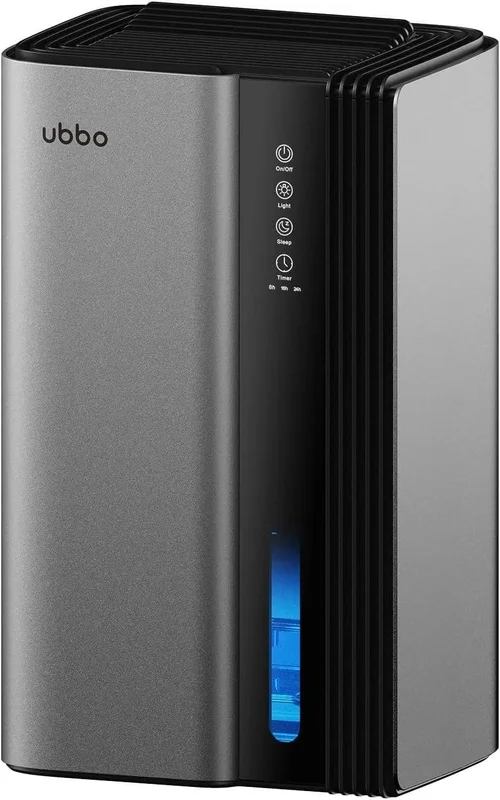
If you’ve ever woken up in a small bedroom feeling sticky, congested, or like you’re breathing through a damp towel, you’re not alone. High humidity levels in compact sleeping spaces can turn a peaceful retreat into a breeding ground for mold, dust mites, and musty odors. Over time, this doesn’t just affect comfort—it can seriously impact your health and the longevity of your belongings. That’s where a reliable dehumidifier comes in. A well-chosen unit can transform your small bedroom from a clammy cave into a fresh, breathable sanctuary. But with so many models flooding the market—each touting different features, capacities, and price points—it’s easy to feel overwhelmed. That’s exactly why this guide exists: to cut through the noise, decode the specs, and help you make a smart, informed decision tailored to your specific needs.
In this comprehensive buying guide, you’ll learn everything you need to know about choosing the best dehumidifier for a small bedroom in 2026. Whether you’re battling seasonal dampness, recovering from a basement-level apartment, or simply aiming for better indoor air quality, we’ve got you covered. We’ll walk you through the critical factors to consider—from performance metrics and build quality to smart features and brand reliability. You’ll also discover the most common pitfalls shoppers fall into, how to match your budget to realistic expectations, and insider tips for scoring the best deal. By the end, you’ll have a clear roadmap to confidently select a dehumidifier that fits your space, lifestyle, and long-term goals. The market today offers more innovation than ever—compact designs, whisper-quiet operation, energy efficiency, and even Wi-Fi connectivity—but not all units are created equal. Our goal is to empower you with expert-level knowledge so you can invest wisely and sleep soundly.

What to Look for When Buying Buying Guide
1. Capacity & Moisture Removal Rate
The most fundamental specification to understand when shopping for a dehumidifier is its moisture removal capacity, typically measured in pints per day (PPD). For small bedrooms—generally under 400 square feet—you’ll want a unit rated between 20 and 30 pints per day. This range is ideal for moderate to high humidity levels without overworking the compressor or wasting energy. A 20-pint model works well in mildly damp conditions, while a 30-pint unit is better suited for consistently humid environments or spaces with poor ventilation. It’s tempting to go bigger, thinking “more power is better,” but oversized units can cycle on and off too frequently, leading to inefficient operation and premature wear. Conversely, an undersized dehumidifier will struggle to keep up, leaving your room feeling perpetually damp. Always cross-reference the manufacturer’s room size recommendation with your actual square footage and local climate. For example, a bedroom in coastal Florida will require a higher-capacity unit than one in arid Arizona, even if both rooms are the same size.
2. Noise Level & Sleep Compatibility
Since you’ll likely be running your dehumidifier overnight, noise output is a make-or-break factor. Most compact dehumidifiers operate between 35 and 50 decibels (dB)—comparable to a whisper or quiet library conversation. However, some budget models can spike above 55 dB during compressor cycles, which may disrupt light sleepers. Look for units specifically marketed as “whisper-quiet” or “sleep mode compatible.” These often feature variable fan speeds, insulated compressors, or brushless motors designed to minimize sound. Pay close attention to the decibel rating listed in the product specs, but also read real-user reviews mentioning nighttime use. A model might claim 40 dB on paper but produce an annoying hum or gurgling sound when the tank fills. If possible, test the unit in-store or opt for retailers with generous return policies so you can evaluate noise levels in your own environment.
3. Tank Size & Auto-Shutoff
The water collection tank is a crucial yet often overlooked component. For small bedrooms, a 1- to 1.5-gallon (approximately 8–12 pint) tank is usually sufficient, especially if you plan to empty it daily. However, if you prefer “set it and forget it” convenience, consider models with larger tanks (up to 2 gallons) or continuous drainage options. The auto-shutoff feature is non-negotiable—it prevents overflow and potential water damage by turning off the unit when the tank is full. Some premium models even include audible alarms or LED indicators to alert you when it’s time to empty. Continuous drainage, which requires attaching a hose to drain water directly into a sink or floor drain, is ideal for unattended operation but may not be practical in all bedroom setups. Always check whether the hose is included or sold separately, as this can add unexpected cost.
4. Energy Efficiency & Operating Costs
Dehumidifiers can be energy hogs, especially if run continuously. To keep utility bills in check, prioritize ENERGY STAR-certified models, which use up to 15% less energy than standard units. Check the annual energy consumption (listed in kWh/year) and compare it across similar-capacity models. A more efficient unit might cost slightly more upfront but can save you $20–$50 per year in electricity—adding up significantly over the appliance’s lifespan. Also, consider the type of compressor: rotary compressors are generally quieter and more efficient than piston types, though they’re typically found in mid-to-high-end models. If you live in a region with high electricity rates, investing in an efficient unit pays dividends quickly. Many modern dehumidifiers also feature eco or auto modes that adjust fan speed and compressor activity based on real-time humidity levels, further optimizing energy use.
5. Size, Weight & Portability
Space is at a premium in small bedrooms, so compact dimensions and lightweight design matter. Look for units that fit comfortably under a bed, beside a dresser, or in a closet without obstructing walkways. Most bedroom-friendly dehumidifiers weigh between 25 and 40 pounds—light enough to move but heavy enough to stay stable during operation. Integrated handles and caster wheels (even small ones) greatly enhance portability, allowing you to shift the unit seasonally or clean around it easily. Avoid bulky designs with protruding controls or awkward shapes that don’t tuck neatly into corners. Some manufacturers now offer ultra-slim profiles (under 12 inches wide) specifically for tight spaces. Remember: a dehumidifier that’s too large or cumbersome may end up stored away and unused—defeating its purpose entirely.
6. Smart Features & Connectivity
The latest generation of dehumidifiers includes smart capabilities that add convenience and precision. Wi-Fi connectivity allows you to monitor and control humidity levels via smartphone apps, set schedules, receive tank-full alerts, and even integrate with home automation systems like Alexa or Google Home. While not essential, these features are invaluable for busy households or tech-savvy users who want remote oversight. Some models offer real-time humidity tracking with historical data logs, helping you identify patterns and adjust settings accordingly. Others include built-in air purifiers with HEPA or activated carbon filters—great for allergy sufferers. However, smart features often come at a premium, so assess whether the added functionality justifies the cost for your use case. For basic humidity control in a single room, a non-smart model with a reliable humidistat may suffice.
7. Build Quality & Durability
A dehumidifier is a long-term investment, so don’t skimp on construction. Look for sturdy plastic housings (preferably ABS or polycarbonate), sealed electrical components, and corrosion-resistant coils—especially if you live in a coastal area. Check customer reviews for mentions of longevity, common failure points (like frozen coils or leaky tanks), and how well the unit holds up after 2–3 years of use. Reputable brands often use higher-grade materials and rigorous testing protocols, which translates to fewer repairs and longer service life. Avoid ultra-cheap models from unknown manufacturers; they often cut corners on insulation, wiring, and compressor quality, leading to early burnout. A well-built unit should feel solid, operate smoothly without rattling, and maintain consistent performance over time.
8. Brand Reputation & Customer Support
Not all dehumidifier brands are created equal. Stick with established names known for reliability and responsive customer service—such as Frigidaire, Honeywell, GE, Tosot, or hOmeLabs. These companies typically offer better warranties, accessible replacement parts, and knowledgeable support teams. Read verified buyer reviews on trusted platforms like Amazon, Best Buy, or Consumer Reports, paying special attention to comments about post-purchase experience. How easy is it to get a replacement tank? Does the company honor warranty claims promptly? Are troubleshooting guides available online? A strong brand reputation often correlates with better long-term ownership satisfaction. Additionally, check if the manufacturer provides firmware updates for smart models or offers extended warranty options at checkout.
Different Types of Buying Guide
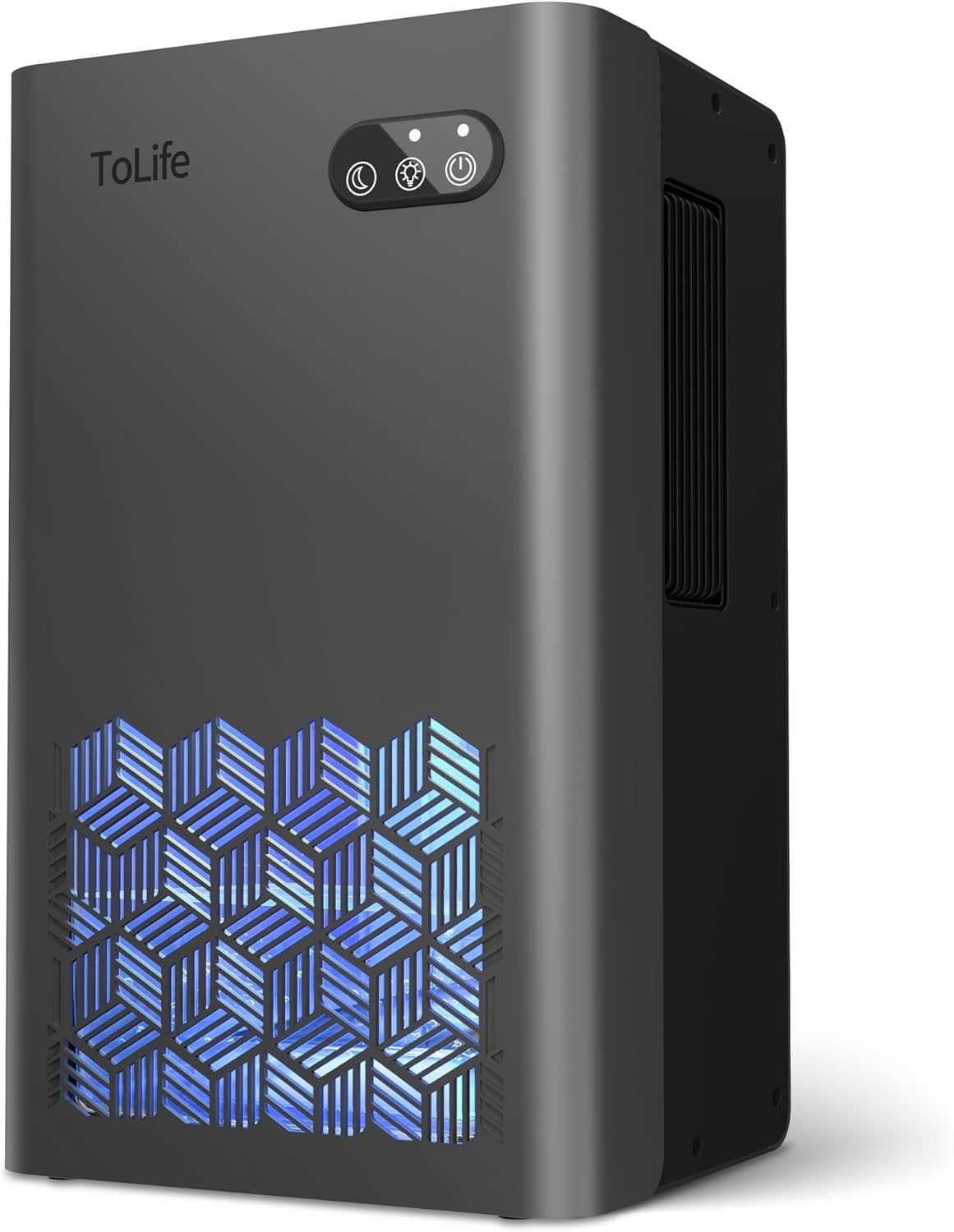
Common Buying Mistakes to Avoid
❌ Mistake: Choosing Based Solely on Price
Why it’s bad: Opting for the cheapest model often leads to poor performance, high noise levels, frequent breakdowns, and inflated energy bills. Budget units may lack essential features like auto-shutoff or accurate humidistats, forcing you to manually monitor humidity or risk water damage.
What to do instead: Set a realistic budget that balances upfront cost with long-term value. Aim for the mid-range tier ($150–$250), where you’ll find the best combination of reliability, efficiency, and features for small bedrooms.
❌ Mistake: Ignoring Room Size and Humidity Level
Why it’s bad: A dehumidifier sized for a basement will be overkill (and noisy) in a 250-square-foot bedroom, while an undersized unit won’t effectively reduce moisture, leaving you frustrated and still dealing with dampness.
What to do instead: Measure your room’s square footage and assess local humidity. Use a hygrometer (often built into smart models or available cheaply) to check baseline humidity. Match these metrics to the manufacturer’s recommended coverage area.
❌ Mistake: Overlooking Noise Output
Why it’s bad: A loud dehumidifier can disrupt sleep, concentration, or relaxation—especially in quiet nighttime environments. Many buyers only discover noise issues after purchase, when it’s too late to return.
What to do instead: Prioritize decibel ratings under 50 dB and read user reviews focused on nighttime use. Test the unit in your space if possible, or choose retailers with hassle-free return windows.
❌ Mistake: Neglecting Maintenance Requirements
Why it’s bad: Dirty filters, clogged coils, or infrequent tank emptying can reduce efficiency, cause odors, and shorten the unit’s lifespan. Some users assume dehumidifiers are “maintenance-free,” leading to premature failure.
What to do instead: Choose models with washable, reusable filters and easy-access tanks. Commit to a simple monthly cleaning routine—wipe coils, rinse filters, and inspect for mold.
❌ Mistake: Assuming All “Small” Units Are Equal
Why it’s bad: Size refers to physical dimensions, not performance. Some compact units sacrifice capacity or efficiency to fit in tight spaces, resulting in inadequate moisture removal.
What to do instead: Compare pint-per-day ratings alongside physical size. Look for “compact but powerful” models that maintain high extraction rates without bulk.
❌ Mistake: Skipping Warranty and Support Research
Why it’s bad: Dehumidifiers contain complex components (compressors, sensors, pumps) that can fail. Without solid warranty coverage, repairs can cost nearly as much as a new unit.
What to do instead: Choose brands offering at least a 1–2 year warranty, preferably with in-home service or easy mail-in repair. Avoid no-name brands with vague or non-existent support policies.
❌ Mistake: Forgetting About Drainage Options
Why it’s bad: If you can’t empty the tank daily, a full tank will shut off the unit, halting dehumidification until manually emptied—defeating the purpose during busy weeks.
What to do instead: Evaluate your lifestyle. If you travel often or dislike frequent maintenance, invest in a model with continuous drainage capability or a large tank (1.5+ gallons).
Budget Guidelines: How Much Should You Spend?
- Entry-Level ($80–$140): These budget models are best for very small spaces (under 200 sq ft) with mild humidity. Expect basic functionality, smaller tanks (under 1 gallon), higher noise levels (50+ dB), and limited durability. Ideal for occasional use or temporary solutions, but not recommended for daily overnight operation.
- Mid-Range ($150–$250): This is the sweet spot for most small bedroom owners. Units in this range offer 20–30 pint capacity, whisper-quiet operation (under 45 dB), ENERGY STAR certification, auto-shutoff, and reliable humidistats. Brands like Tosot, hOmeLabs, and Frigidaire dominate here with excellent value and build quality.
- Premium ($260–$350): Designed for discerning buyers who want advanced features without going full luxury. Expect Wi-Fi connectivity, combo air purification, larger tanks, superior filtration, and enhanced durability. These models often include app-based controls, scheduling, and real-time humidity monitoring—perfect for tech enthusiasts or allergy sufferers.
- Luxury ($350+): Top-tier units with industrial-grade components, ultra-low noise (under 38 dB), smart home integration, and extended warranties. While overkill for most bedrooms, they’re ideal for luxury tiny homes, high-end RVs, or users who prioritize silence and automation above all else.
Expert Tips for Getting the Best Deal
- Buy During Off-Peak Seasons: Dehumidifiers are in highest demand during humid summer months. Shop in late fall or winter (October–February) when retailers discount inventory to clear space for heaters and air conditioners. You can often save 20–30% during these periods.
- Compare Online vs. In-Store: Online retailers (Amazon, Home Depot, Lowe’s) frequently offer better prices, detailed specs, and user reviews. However, in-store shopping lets you assess noise, size, and build quality firsthand. Use online research to narrow choices, then visit a store to test finalists.
- Sign Up for Price Alerts: Use tools like Honey, CamelCamelCamel, or Google Shopping to track price drops on specific models. Many dehumidifiers fluctuate by $30–$50 throughout the year—patience pays off.
- Check for Rebates and Incentives: Some utility companies offer rebates for ENERGY STAR appliances. Visit your provider’s website or search “dehumidifier rebate [your state]” to see if you qualify for cash back or discounts.
- Read the Fine Print on Warranties: A “2-year warranty” might only cover parts, not labor or shipping. Look for comprehensive coverage that includes compressor protection—the most expensive component to replace.
- Test Before Committing: If buying locally, ask if you can run the unit for 10–15 minutes to evaluate noise and airflow. For online purchases, choose retailers with 30-day return windows (like Costco or Best Buy) so you can trial the dehumidifier risk-free.
- Beware of “As-Seen-On-TV” Brands: Flashy infomercial models often prioritize marketing over engineering. They may lack certifications, have poor support, or use proprietary parts that are hard to replace.
- Consider Refurbished or Open-Box: Certified refurbished units from reputable sellers (e.g., Amazon Renewed, manufacturer outlets) can offer significant savings with full warranties. Just ensure they’re inspected and cleaned properly.
Frequently Asked Questions
Q: How do I know if my bedroom needs a dehumidifier?
A: Signs include persistent musty odors, condensation on windows, peeling paint or wallpaper, mold spots (especially in corners or behind furniture), and a general feeling of dampness. Use a hygrometer to measure relative humidity—if it consistently reads above 50%, a dehumidifier is advisable.
Q: Can a dehumidifier help with allergies?
A: Yes! By reducing moisture, dehumidifiers inhibit the growth of dust mites, mold, and mildew—common allergens. Models with built-in HEPA or carbon filters provide additional relief by capturing airborne particles.
Q: Should I run my dehumidifier all night?
A: Absolutely—if your room is humid. Most modern units are designed for continuous operation and include safety features like auto-shutoff. Just ensure the tank is large enough or use continuous drainage to avoid overflow.
Q: Will a dehumidifier cool my room?
A: No. Dehumidifiers remove moisture, not heat. They may feel slightly cooler because dry air feels more comfortable, but they don’t lower temperature like an air conditioner.
Q: How often should I empty the water tank?
A: It depends on humidity levels and tank size. In high-humidity areas, you may need to empty it daily. In moderate conditions, every 2–3 days is typical. Models with continuous drainage eliminate this task entirely.
Q: Can I use a dehumidifier in winter?
A: Most compressor-based dehumidifiers work best above 65°F. In colder bedrooms (below 60°F), consider a desiccant model, which operates efficiently in low temperatures.
Q: Do dehumidifiers use a lot of electricity?
A: It varies. A 30-pint ENERGY STAR model uses about 300–400 watts per hour. Running it 8 hours daily costs roughly $8–$12/month, depending on local rates. Efficient models with auto-humidistats minimize unnecessary runtime.
Q: What’s the difference between a dehumidifier and an air purifier?
A: A dehumidifier reduces moisture; an air purifier removes airborne contaminants like pollen, smoke, and pet dander. Some units combine both functions—ideal for comprehensive air quality improvement.
Q: How long do dehumidifiers typically last?
A: With proper maintenance, most quality units last 5–7 years. Compressor lifespan is the limiting factor—avoid overworking the unit by choosing the right size for your space.
Q: Can I place my dehumidifier anywhere in the room?
A: For optimal airflow, keep it at least 6–12 inches away from walls and furniture. Avoid enclosed spaces like closets unless specified by the manufacturer. Central placement ensures even moisture removal.
Our Final Recommendations
- Best for Budget-Conscious Buyers: Tosot 30 Pint Dehumidifier – At around $180, it delivers reliable 30-pint performance, quiet operation (44 dB), and a 1.8-gallon tank. ENERGY STAR certified with auto-restart and humidistat—exceptional value for the price.
- Best Overall Value: hOmeLabs 22 Pint Dehumidifier – Perfectly sized for small bedrooms, this compact powerhouse removes 22 pints daily, runs at just 42 dB, and includes a washable filter and continuous drain option. Priced under $200, it balances performance, noise, and efficiency.
- Best Premium Option: Frigidaire FFAD7033R1 70 Pint Smart Dehumidifier – Though rated for larger spaces, its “Low Humidity” mode makes it ideal for precise control in small bedrooms. Features Wi-Fi, app control, and a sleek design. Ideal for tech lovers who want smart integration without compromise.
- Best for Beginners: GE APER20LZ 20 Pint Dehumidifier – Simple controls, intuitive display, and reliable performance. Great for first-time buyers who want plug-and-play functionality without complex settings.
- Best for Advanced Users: Eva-Dry EDV-1200 Electric Petite Dehumidifier – A desiccant model that’s whisper-quiet (35 dB), works in cold temps, and requires no compressor. Perfect for ultra-sensitive sleepers or off-grid tiny homes.
Conclusion: Making the Right Choice
Choosing the best dehumidifier for your small bedroom isn’t just about picking the shiniest model or the lowest price tag—it’s about aligning your specific needs with the right combination of capacity, noise, efficiency, and features. Throughout this guide, we’ve emphasized the importance of matching unit size to your room dimensions, prioritizing quiet operation for undisturbed sleep, and investing in reliable brands that stand behind their products. We’ve also highlighted common pitfalls—like overlooking drainage options or ignoring energy consumption—that can turn a promising purchase into a frustrating experience.
Remember, the goal isn’t to eliminate all humidity, but to maintain a healthy balance between 30% and 50% relative humidity. This sweet spot prevents mold growth, reduces allergens, and creates a comfortable sleeping environment without over-drying the air. Whether you’re dealing with seasonal dampness, chronic moisture issues, or simply seeking better air quality, the right dehumidifier can make a noticeable difference in your daily well-being.
As you move forward, take the time to assess your priorities: Do you value silence above all? Need smart controls? Prefer minimal maintenance? Use the budget tiers and expert tips outlined here to narrow your options and shop confidently. And don’t hesitate to leverage return policies—testing a unit in your actual bedroom is the best way to ensure it meets your expectations.
Ultimately, a well-chosen dehumidifier is more than an appliance—it’s an investment in your health, comfort, and peace of mind. With the insights from this guide, you’re now equipped to make a decision that delivers lasting value. So breathe easy, sleep better, and enjoy the fresh, dry air your small bedroom deserves.