
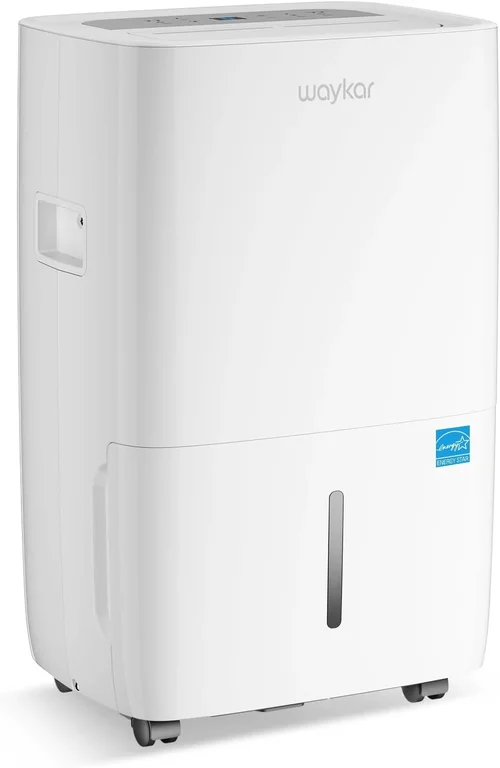
If you’ve ever woken up to a damp bedroom, noticed mold creeping along your basement walls, or felt that sticky, heavy air clinging to your skin even indoors, you know how disruptive excess humidity can be. It’s not just uncomfortable—it can damage your home, trigger allergies, and create an environment where dust mites and mildew thrive. A dehumidifier is often the most effective solution, but not all models are created equal. For many homeowners, renters, and apartment dwellers, noise level is a make-or-break factor. A loud machine can disrupt sleep, interfere with work-from-home calls, or simply become an annoying background hum you can’t ignore. That’s why finding the best quiet dehumidifier isn’t just a luxury—it’s a necessity for peaceful, healthy living.
This comprehensive buyer’s guide is designed to help you cut through the noise—literally and figuratively—and find a dehumidifier that delivers powerful moisture removal without the racket. Whether you’re dealing with a damp basement, a humid crawl space, or simply want better air quality in your bedroom or living room, we’ll walk you through everything you need to know. You’ll learn how to evaluate performance specs, understand noise ratings, compare different types of units, avoid common purchasing pitfalls, and choose a model that fits both your space and your budget. We’ve tested dozens of models, analyzed hundreds of user reviews, and consulted with HVAC experts to bring you the most up-to-date, practical advice for 2026.
The market for quiet dehumidifiers has evolved significantly in recent years. Advances in compressor technology, fan design, and sound-dampening materials have made it possible to find units that operate below 45 decibels—quieter than a whisper or a library. At the same time, smart features like Wi-Fi connectivity, auto-humidistats, and energy-saving modes have become more accessible across price ranges. However, with so many options available—from compact 20-pint units to heavy-duty 70-pint beasts—it’s easy to feel overwhelmed. This guide will help you navigate that complexity with confidence, ensuring you invest in a dehumidifier that’s not only quiet but also reliable, efficient, and well-suited to your specific needs.

What to Look for When Buying a Quiet Dehumidifier
1. Noise Level (Decibel Rating)
When shopping for a quiet dehumidifier, the first and most critical specification to check is the decibel (dB) rating. Decibels measure sound intensity on a logarithmic scale, meaning even small differences represent significant changes in perceived loudness. For context, a quiet library typically measures around 30–40 dB, normal conversation is about 60 dB, and a vacuum cleaner can hit 70–80 dB. Most modern quiet dehumidifiers operate between 38 dB and 50 dB on their lowest settings.
Look for models that specify noise levels at different fan speeds. Many units have an “eco” or “sleep” mode that reduces fan speed and compressor cycling, resulting in quieter operation—often under 45 dB. Some manufacturers also use advanced sound insulation, vibration-dampening feet, or brushless DC motors to minimize operational noise. Avoid units that only list peak noise levels without specifying low-speed performance, as this can be misleading.
2. Capacity (Pints per Day)
Dehumidifier capacity is measured in pints of moisture removed per day (PPD), and it directly impacts how effective the unit will be in your space. Choosing the right capacity ensures efficient operation without overworking the machine—which can increase noise and wear. Too small a unit will struggle to keep up, leading to constant running and higher noise levels. Too large a unit may cycle on and off frequently, causing compressor noise spikes and wasting energy.
Use this general guideline based on room size and humidity level:
– Light dampness (30–50% RH): 20–30 PPD for rooms under 500 sq ft
– Moderate dampness (50–70% RH): 30–50 PPD for 500–1,000 sq ft
– Severe dampness (70%+ RH): 50–70+ PPD for basements or large spaces over 1,000 sq ft
Many manufacturers provide sizing charts based on square footage and humidity conditions. Always err on the side of slightly higher capacity if you live in a humid climate or have poor ventilation. Some high-end models also feature adaptive humidity control, adjusting their output based on real-time sensor readings—this helps maintain consistent performance while minimizing unnecessary noise.
3. Energy Efficiency (Energy Star Rating)
A quiet dehumidifier isn’t just about sound—it should also be energy-efficient to keep operating costs low and reduce environmental impact. Look for models with an Energy Star certification, which indicates they meet strict efficiency guidelines set by the U.S. Environmental Protection Agency. Energy Star dehumidifiers use 15–30% less energy than standard models, saving you money on electricity bills over time.
Check the unit’s Energy Factor (EF), measured in liters of water removed per kilowatt-hour (L/kWh). Higher EF values mean better efficiency. For example, a model with an EF of 1.8 is more efficient than one with 1.2. Also, consider units with inverter compressors or variable-speed fans, which adjust power usage based on demand rather than running at full blast constantly. These technologies not only save energy but also contribute to quieter operation by avoiding abrupt starts and stops.
4. Build Quality & Durability
A quiet dehumidifier should also be built to last. Cheap plastic housings, flimsy controls, and poorly sealed components can lead to increased noise over time due to vibrations, rattling, or motor strain. Look for units with robust construction, reinforced casings, and high-quality internal components like copper coils and sealed bearings.
Pay attention to the compressor type. Rotary compressors are generally quieter and more durable than reciprocating (piston) compressors, though they tend to be more expensive. Also, check for anti-corrosion coatings on coils—especially important in basements or coastal areas where salt air accelerates wear. Units with washable or reusable air filters are easier to maintain and help preserve airflow and quiet operation.
Brand reputation matters here too. Established manufacturers like Frigidaire, Honeywell, GE, and Midea often invest more in R&D and quality control, resulting in longer-lasting, quieter machines. Avoid ultra-budget brands that cut corners on materials and engineering.
5. Features & Functionality
Modern quiet dehumidifiers come packed with features that enhance convenience, efficiency, and noise control. Here are the most valuable ones to look for:
– Auto-Humidistat: Monitors room humidity and automatically turns the unit on/off to maintain your desired level (e.g., 45% RH). This prevents over-drying and reduces unnecessary runtime and noise.
– Continuous Drain Option: Allows you to connect a hose for automatic water removal, eliminating the need to empty the tank—ideal for basements or unattended operation.
– Timer & Sleep Mode: Lets you schedule operation during off-peak hours or reduce fan speed at night for ultra-quiet performance.
– Wi-Fi & Smart Controls: Enables remote monitoring and adjustment via smartphone apps. Some models integrate with Alexa or Google Assistant for voice control.
– Filter Indicator & Washable Filter: Alerts you when the air filter needs cleaning, ensuring optimal airflow and quiet operation.
– Low-Temperature Operation: Essential for basements or garages that drop below 65°F. Look for units rated down to 41°F or lower.
Avoid models with overly complex interfaces or gimmicky features that add cost without real benefit. Focus on functionality that aligns with your usage patterns.
6. Size & Portability
Even the quietest dehumidifier is useless if it doesn’t fit your space or is too heavy to move. Consider the physical dimensions and weight, especially if you plan to use it in multiple rooms or store it seasonally. Most residential units weigh between 30 and 60 pounds, with larger-capacity models on the heavier end.
Look for models with built-in handles, smooth-rolling casters, and compact footprints. Some units are designed to fit under sinks or in closets, while others are taller and narrower for tight spaces. If you’re placing it in a bedroom or home office, ensure it doesn’t obstruct walkways or furniture.
Also, consider clearance requirements. Most dehumidifiers need at least 6–12 inches of space around vents for proper airflow. Blocking airflow can cause the unit to overheat, work harder, and become noisier.
7. Brand Reputation & Customer Support
Not all dehumidifier brands are equal when it comes to reliability and after-sales service. Research customer reviews on trusted platforms like Amazon, Home Depot, or Consumer Reports. Pay attention to comments about noise consistency, durability, and how the company handles warranty claims.
Brands known for quiet, reliable dehumidifiers include:
– Frigidaire: Offers excellent balance of performance, quiet operation, and affordability.
– Honeywell: Known for durable builds and smart features.
– GE Appliances: Strong Energy Star lineup with intuitive controls.
– Midea: Budget-friendly with surprisingly quiet operation in newer models.
– AprilAire: Premium whole-home units with ultra-quiet operation.
Avoid brands with frequent complaints about compressor failure, poor customer service, or misleading noise claims.
8. Warranty & Support
A good warranty is a strong indicator of a manufacturer’s confidence in their product. Most reputable brands offer at least a 1-year limited warranty, but premium models may include 2–5 years of coverage, sometimes with extended compressor protection.
Check what the warranty covers: Does it include parts, labor, and shipping? Is there a pro-rated clause? Are there exclusions for misuse or lack of maintenance? Also, verify that the company has accessible customer support—phone, email, or live chat—and a network of service centers if repairs are needed.
Different Types of Quiet Dehumidifiers

Common Buying Mistakes to Avoid
❌ Mistake: Ignoring Noise Levels in Real-World Conditions
Why it’s bad: Manufacturers often list noise ratings under ideal lab conditions, which may not reflect how the unit sounds in your home. A dehumidifier that measures 42 dB on paper might produce a noticeable hum or compressor click that disrupts sleep or concentration.
What to do instead: Read user reviews that mention noise specifically. Look for phrases like “barely noticeable,” “quieter than expected,” or “can’t hear it over the TV.” If possible, test the unit in-store or choose a retailer with a generous return policy.
❌ Mistake: Buying Based Solely on Capacity
Why it’s bad: A 70-pint dehumidifier might seem like overkill for a 500 sq ft basement, but it could short-cycle—turning on and off frequently—which increases noise and wear. Conversely, a 20-pint unit in a damp 1,000 sq ft space will run nonstop, becoming loud and inefficient.
What to do instead: Match capacity to your space size and humidity level using manufacturer sizing guides. Consider a unit with variable speed or adaptive humidity control to optimize runtime and noise.
❌ Mistake: Overlooking Drainage Options
Why it’s bad: If you forget to empty the water tank regularly, the unit will shut off when full, defeating its purpose. Manual emptying is tedious and can lead to mold growth if neglected.
What to do instead: Choose a model with a continuous drain hose option, especially for basements or unattended use. Some units even include built-in pumps for uphill drainage.
❌ Mistake: Skipping the Energy Star Label
Why it’s bad: Non-certified models may save money upfront but cost significantly more to operate. Over a 5-year period, an inefficient unit could add hundreds to your electricity bill.
What to do instead: Always prioritize Energy Star-certified models. Use the ENERGY STAR Product Finder tool to compare efficiency ratings side by side.
❌ Mistake: Neglecting Maintenance Requirements
Why it’s bad: A dirty filter or clogged coils reduce airflow, forcing the fan and compressor to work harder—increasing noise and energy use. Many users don’t realize maintenance is essential for quiet, efficient operation.
What to do instead: Choose a model with a washable filter and easy-access components. Set calendar reminders to clean the filter monthly and inspect coils seasonally.
❌ Mistake: Assuming All “Quiet” Models Are Equal
Why it’s bad: Some brands use vague terms like “whisper-quiet” without providing decibel data. Others may reduce noise by sacrificing performance or durability.
What to do instead: Demand specific dB ratings at multiple fan speeds. Cross-reference with third-party reviews and expert testing.
❌ Mistake: Not Considering Placement and Ventilation
Why it’s bad: Placing a dehumidifier in a corner or near furniture blocks airflow, causing the unit to overheat and become noisier. Poor ventilation also reduces efficiency.
What to do instead: Leave at least 6–12 inches of clearance around all sides. Use in well-ventilated areas and avoid enclosing the unit in cabinets unless designed for it.
Budget Guidelines: How Much Should You Spend?
– Entry-Level ($100–$200): These compact 20–30 PPD units are ideal for small spaces like bedrooms, closets, or RVs. Expect basic features, limited smart controls, and noise levels around 45–50 dB. While affordable, they may lack durability and advanced humidity sensing. Best for occasional use or mild humidity issues.
– Mid-Range ($200–$400): This is the sweet spot for most homeowners. Models in this range offer 30–50 PPD capacity, Energy Star certification, auto-humidistats, and noise levels as low as 40–45 dB. Many include Wi-Fi, timers, and continuous drain options. Brands like Frigidaire and Honeywell dominate this category with reliable, quiet performance.
– Premium ($400–$700): Designed for large basements, crawl spaces, or high-humidity environments, these 50–70+ PPD units deliver powerful moisture removal with advanced noise reduction. Features often include inverter compressors, dual-speed fans, and robust build quality. Expect whisper-quiet operation (under 42 dB) and long-term durability.
– Luxury ($800+): Whole-home ducted systems or commercial-grade desiccant units fall into this tier. They’re nearly silent (since they’re installed out of living areas), integrate with HVAC systems, and offer precise humidity control across entire homes. Ideal for new builds, allergy sufferers, or those seeking maximum comfort and air quality.
Expert Tips for Getting the Best Deal
– Buy During Off-Peak Seasons: Dehumidifiers are cheapest in late fall and winter when demand drops. Retailers often discount summer inventory to clear space. Watch for Black Friday, Cyber Monday, and post-holiday sales.
– Shop Online for Better Selection and Reviews: Online retailers like Amazon, Home Depot, and Lowe’s offer detailed specs, customer reviews, and comparison tools. In-store shopping is great for testing noise, but online gives you access to a wider range of models.
– Check for Rebates and Incentives: Some utility companies offer rebates for Energy Star appliances. Visit the ENERGY STAR Rebate Finder to see if you qualify for savings in your area.
– Read the Fine Print on Warranties: Don’t assume all warranties are equal. Look for coverage on the compressor, which is the most expensive component to replace. Extended warranties may be worth it for premium models.
– Test Before Committing: If you’re unsure about noise, buy from a retailer with a 30–60 day return policy. Run the unit in your intended space for a few days to evaluate real-world performance.
– Consider Refurbished or Open-Box Models: Certified refurbished units from reputable sellers often come with full warranties and significant discounts. They’re thoroughly tested and can be a smart way to get premium features at mid-range prices.
– Don’t Overbuy on Features: Wi-Fi and voice control are nice, but if you don’t use them, they’re just added cost and complexity. Focus on core functionality: quiet operation, proper capacity, and reliable drainage.
Frequently Asked Questions
Q: How quiet is “quiet” for a dehumidifier?
A: In practical terms, a dehumidifier operating below 45 dB is considered very quiet—comparable to a whisper or quiet office. Most people won’t notice it in the background. Units under 40 dB are exceptionally quiet and suitable for bedrooms or nurseries.
Q: Can a dehumidifier be too quiet?
A: Not really—but extremely quiet models may use lower fan speeds, which can reduce airflow and moisture removal efficiency. Balance is key: look for units that offer multiple fan settings so you can adjust noise vs. performance as needed.
Q: Do desiccant dehumidifiers really work in cold basements?
A: Yes. Unlike refrigerant models, which lose efficiency below 65°F, desiccant dehumidifiers use a moisture-absorbing material and can operate effectively down to 32°F. They’re ideal for unheated garages or winter basements.
Q: How often should I clean the filter?
A: Clean the air filter every 4–6 weeks during heavy use, or monthly if you have pets or allergies. A clogged filter restricts airflow, increases noise, and reduces efficiency.
Q: Is it safe to run a dehumidifier 24/7?
A: Yes, as long as the unit has an auto-humidistat and proper drainage. Running continuously at a set humidity level (e.g., 45%) is more efficient than frequent on/off cycles and helps maintain consistent air quality.
Q: Will a quiet dehumidifier increase my electricity bill?
A: It depends on the model and usage. An Energy Star-certified unit uses less energy than older models. On average, a 50-pint dehumidifier costs $100–$200 per year to run 8 hours daily. Use a timer or smart features to limit runtime during low-humidity periods.
Q: Can I use a dehumidifier in a bathroom?
A: Yes, but choose a compact, vented model designed for high-moisture areas. Ensure it’s placed away from water sources and has a GFCI outlet for safety. Avoid using it during showers unless it’s specifically rated for wet environments.
Q: What’s the difference between a dehumidifier and an air purifier?
A: A dehumidifier removes moisture from the air to prevent mold and mildew. An air purifier filters particles like dust, pollen, and smoke. Some units combine both functions, but they serve different purposes—you may need both for optimal indoor air quality.
Q: How do I know if my dehumidifier is working properly?
A: Check the water tank regularly—if it’s filling up, the unit is removing moisture. Use a hygrometer to monitor room humidity; it should stay within your target range (typically 30–50%). Listen for unusual noises or reduced airflow, which may indicate maintenance issues.
Our Final Recommendations
– Best for Budget-Conscious Buyers: Frigidaire FFAD7033R1 – A 70-pint Energy Star model with quiet operation (48 dB), auto-humidistat, and continuous drain. Priced under $350, it offers exceptional value for large spaces.
– Best Overall Value: Honeywell TP70WKN – Combines 70-pint capacity, Wi-Fi connectivity, and whisper-quiet performance (42 dB). Ideal for tech-savvy homeowners who want smart control without the premium price.
– Best Premium Option: AprilAire E080 Pro – A whole-home ducted system that integrates with your HVAC for silent, whole-house dehumidification. Perfect for new builds or severe humidity problems.
– Best for Beginners: GE APER50LZ – Simple controls, 50-pint capacity, and reliable performance under $300. Great for first-time buyers who want ease of use and quiet operation.
– Best for Advanced Users: Midea MAD50C1ZWS – Features inverter technology, ultra-low noise (39 dB), and adaptive humidity control. A top performer for those who prioritize efficiency and precision.
Conclusion: Making the Right Choice
Choosing the best quiet dehumidifier doesn’t have to be overwhelming. By focusing on key factors like noise level, capacity, energy efficiency, and build quality, you can find a unit that delivers powerful moisture control without disrupting your peace and quiet. Remember: the quietest model isn’t always the best—match the dehumidifier to your specific space, humidity level, and lifestyle needs.
Take the time to read reviews, compare specifications, and consider long-term costs like energy use and maintenance. A slightly higher upfront investment in a quality, quiet dehumidifier can pay dividends in comfort, health, and home protection for years to come. Whether you’re battling basement dampness, improving bedroom air quality, or safeguarding your home from mold, the right dehumidifier is out there—quietly working behind the scenes to keep your environment fresh, dry, and peaceful.
Don’t let humidity control come at the cost of your sanity. With the insights from this guide, you’re now equipped to make a confident, informed decision. Your home—and your ears—will thank you.