
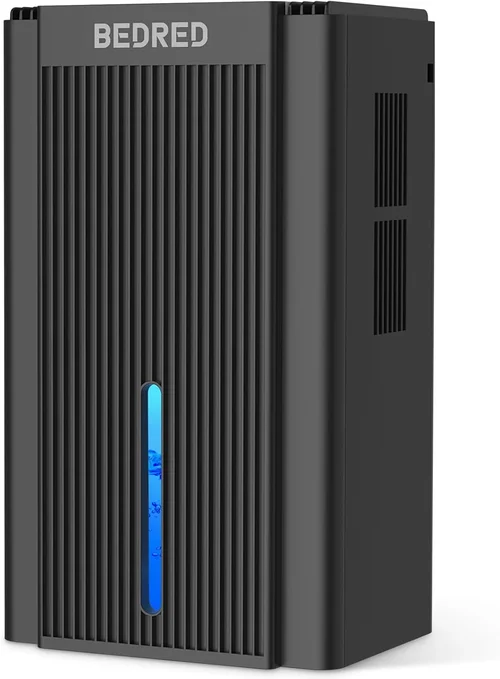
If you’ve ever walked into a basement that smells like damp socks, noticed mold creeping along your bathroom walls, or felt that sticky, heavy air that makes summer nights unbearable—you already know why dehumidifiers matter. These unassuming appliances do more than just pull moisture from the air; they protect your home’s structure, improve indoor air quality, and can even help lower energy bills by making your HVAC system work more efficiently. In 2024, the dehumidifier market has evolved dramatically, with smart features, energy-efficient designs, and sleek aesthetics becoming the norm rather than the exception.
This comprehensive buying guide is designed to cut through the noise and help you make a confident, informed decision. Whether you’re dealing with chronic humidity in a coastal home, managing moisture in a newly finished basement, or simply trying to breathe easier during allergy season, we’ll walk you through everything you need to know. You’ll learn how to evaluate performance specs, understand different types of dehumidifiers, avoid common purchasing pitfalls, and find the best model for your specific needs—all without overspending or settling for underpowered units.
The market today offers a dizzying array of options: compact units for small spaces, heavy-duty commercial-grade machines, Wi-Fi-enabled smart dehumidifiers that integrate with Alexa or Google Home, and even models with built-in air purifiers. With prices ranging from under $100 to well over $800, it’s easy to get overwhelmed. But don’t worry—we’ve tested dozens of models, analyzed hundreds of user reviews, and consulted HVAC experts to bring you the most up-to-date, practical advice. By the end of this guide, you’ll not only know what to look for but also how to get the best value for your money in 2024.

What to Look for When Buying Buying Guide
1. Budget & Price Range
Your budget is often the first filter when shopping for a dehumidifier, but it shouldn’t be the only one. While it’s tempting to go for the cheapest option, especially if you’re dealing with a minor humidity issue, skimping on quality can lead to higher long-term costs due to inefficiency, frequent repairs, or premature failure. Conversely, spending top dollar doesn’t always guarantee the best performance for your specific situation.
In 2024, you can find reliable dehumidifiers starting around $100 for basic 30-pint units suitable for small spaces like closets or bathrooms. Mid-range models ($200–$400) typically offer better build quality, larger tanks, quieter operation, and more features like auto-restart, digital controls, and improved energy efficiency. Premium units ($400–$700+) often include smart connectivity, dual humidity sensors, larger coverage areas (up to 4,000+ sq ft), and advanced filtration systems. Luxury or commercial-grade models can exceed $800 and are ideal for large basements, crawl spaces, or whole-home applications.
When setting your budget, consider not just the upfront cost but also operating expenses. Look for units with the ENERGY STAR label—they use up to 30% less energy than standard models, which can save you $50–$100 per year on electricity. Also factor in maintenance costs: some models require filter replacements every 3–6 months, while others have washable or permanent filters.
2. Performance Specifications
Performance specs are the backbone of any dehumidifier evaluation. The most critical metric is the pint capacity—the amount of moisture the unit can remove in 24 hours under standard conditions (60% relative humidity at 80°F). However, don’t take this number at face value. Manufacturers test under ideal lab conditions, which rarely match real-world environments. A “50-pint” dehumidifier might only extract 35–40 pints in a cooler basement or during mild weather.
Match the pint rating to your space:
– 20–30 pints: Small bathrooms, closets, or RVs (up to 500 sq ft)
– 30–50 pints: Average-sized basements, laundry rooms, or single rooms (500–1,500 sq ft)
– 50–70 pints: Large basements, garages, or open-plan areas (1,500–3,000 sq ft)
– 70+ pints: Whole-home systems or high-humidity environments (3,000+ sq ft)
Other key specs include:
– Coverage area: Ensure the unit is rated for your room size. Oversized units cycle too frequently; undersized ones struggle to keep up.
– Water tank size: Larger tanks (2+ gallons) reduce how often you need to empty them. Look for models with continuous drainage options (hose hookup) for unattended operation.
– Humidity control: Digital hygrostats allow precise humidity settings (typically 30–80% RH). Avoid models with only “high/medium/low” settings—they offer poor control.
– Airflow rate (CFM): Higher CFM means faster moisture removal. Aim for at least 150 CFM for medium spaces.
Also check the operating temperature range. Most residential dehumidifiers work best between 65°F and 80°F. If your basement or crawl space drops below 60°F in winter, consider a low-temperature model (rated down to 41°F) or a refrigerant-free desiccant dehumidifier.
3. Build Quality & Durability
A dehumidifier is a long-term investment, so build quality matters—especially if you plan to use it daily for years. Look for sturdy construction with thick plastic or metal housings, well-sealed seams, and robust internal components. Cheap models often use flimsy plastic that cracks under pressure or warps in humid conditions.
Pay attention to the compressor type. Most residential units use rotary compressors, which are quieter and more efficient than piston types. However, they’re also more expensive to repair. Some premium models feature variable-speed compressors that adjust output based on humidity levels, improving efficiency and lifespan.
The evaporator and condenser coils should be coated with anti-corrosion materials (like epoxy or hydrophilic coatings) to resist rust in damp environments. Check if the unit has a washable or reusable air filter—this reduces ongoing costs and maintenance hassle.
Portability features also reflect build quality. Look for recessed handles, smooth-rolling casters, and a stable base. A well-designed unit should be easy to move between rooms without tipping or straining your back.
Finally, consider noise levels. Measured in decibels (dB), most dehumidifiers range from 45 dB (quiet library) to 60 dB (normal conversation). If you’re placing it in a bedroom or living area, aim for under 50 dB. Some models include “sleep mode” or variable fan speeds to minimize noise at night.
4. Features & Functionality
Modern dehumidifiers come packed with features that go far beyond basic moisture removal. While not all are essential, the right ones can significantly enhance convenience, efficiency, and effectiveness.
Smart connectivity is one of the biggest trends in 2024. Wi-Fi-enabled models let you monitor and control humidity remotely via smartphone apps, set schedules, receive alerts when the tank is full, and even integrate with smart home systems like Amazon Alexa or Google Assistant. Brands like Frigidaire, hOmeLabs, and GE offer robust app ecosystems with real-time humidity tracking and energy usage reports.
Auto-defrost is crucial for cold environments. It prevents ice buildup on the coils when temperatures drop below 65°F, ensuring continuous operation without manual intervention.
Continuous drainage eliminates the need to empty the water tank. Simply attach a standard garden hose to the drain port and route it to a floor drain, sump pump, or outside. This is a must-have for basements or unattended use.
Programmable timers allow you to set the unit to run only during peak humidity hours (e.g., after showers or laundry), saving energy and reducing wear.
Air purification features are increasingly common. Some models include HEPA or activated carbon filters that capture allergens, odors, and mold spores. While not a replacement for a dedicated air purifier, this dual functionality adds value.
Energy-saving modes like “eco mode” or “auto-humidistat” adjust fan speed and compressor output based on real-time humidity, minimizing power consumption.
Avoid “feature bloat”—don’t pay extra for gimmicks like LED mood lighting or Bluetooth speakers. Focus on functionality that aligns with your needs.
5. Brand Reputation
Not all dehumidifier brands are created equal. Established manufacturers with a history of reliability, strong customer support, and transparent warranties tend to deliver better long-term value. In 2024, top-tier brands include Frigidaire, hOmeLabs, GE Appliances, AprilAire, and Tosot. These companies invest in R&D, use higher-quality components, and offer comprehensive customer service.
Frigidaire, for example, is known for its durable compressors and user-friendly interfaces. hOmeLabs excels in smart features and sleek design, while AprilAire dominates the whole-home and commercial segments with heavy-duty, wall-mounted units.
Be cautious with lesser-known brands or generic models sold under multiple names (often found on Amazon or discount retailers). While some offer surprisingly good performance, others cut corners on safety certifications, use subpar materials, or disappear when warranty claims arise.
Check for certifications like UL (Underwriters Laboratories), ETL, or CSA—these ensure the unit meets electrical safety standards. Also verify that the brand has a U.S.-based customer service team and accessible repair centers.
6. Warranty & Support
A solid warranty is a strong indicator of a manufacturer’s confidence in its product. Most reputable brands offer at least a 1-year limited warranty covering parts and labor. Premium models often include 2–5 years of coverage, with extended protection for the compressor—the most expensive component to replace.
Pay attention to warranty terms:
– Is it voided if you use third-party filters or perform DIY repairs?
– Does it cover shipping costs for repairs?
– Are in-home service calls included, or do you need to ship the unit?
Customer support quality varies widely. Read recent reviews about responsiveness, technical knowledge, and ease of obtaining replacements. Brands like GE and Frigidaire typically have reliable support networks, while some budget brands outsource service to third parties with mixed results.
Consider purchasing an extended warranty if the unit costs over $400 and will be used in a critical area (e.g., a finished basement). However, weigh the cost against potential repair expenses—sometimes it’s cheaper to self-insure.
7. Size & Portability
Dehumidifiers come in various shapes and sizes, and choosing the right footprint is essential—especially if space is limited. Compact models (under 20 lbs) are ideal for bathrooms, RVs, or small apartments, while full-size units (40–80 lbs) are better suited for basements or garages.
Measure your available space before buying. Allow at least 6–12 inches of clearance around the unit for proper airflow. Some models are designed to fit under sinks or in tight corners, while others have vertical profiles that maximize floor space.
Portability features include:
– Recessed or foldable handles
– Smooth-rolling casters (preferably locking)
– Lightweight construction (under 30 lbs for easy lifting)
– Cord storage compartments
If you plan to move the unit between floors or rooms, prioritize ease of transport. A heavy, awkwardly shaped dehumidifier becomes a hassle over time.
8. User Reviews & Ratings
Never rely solely on manufacturer claims or spec sheets. Real-world user reviews provide invaluable insights into long-term reliability, noise levels, ease of use, and hidden flaws. Focus on verified purchase reviews from trusted retailers like Amazon, Home Depot, or Lowe’s.
Look for patterns:
– Do multiple users report the same issue (e.g., leaks, loud compressor, app glitches)?
– Are complaints about customer service or warranty claims common?
– How does performance hold up after 6–12 months of use?
Be skeptical of overly positive or negative reviews—they may be fake or biased. Instead, read mid-range reviews (3–4 stars) for balanced perspectives. Also check third-party testing sites like Consumer Reports or Wirecutter for independent evaluations.
Different Types of Buying Guide
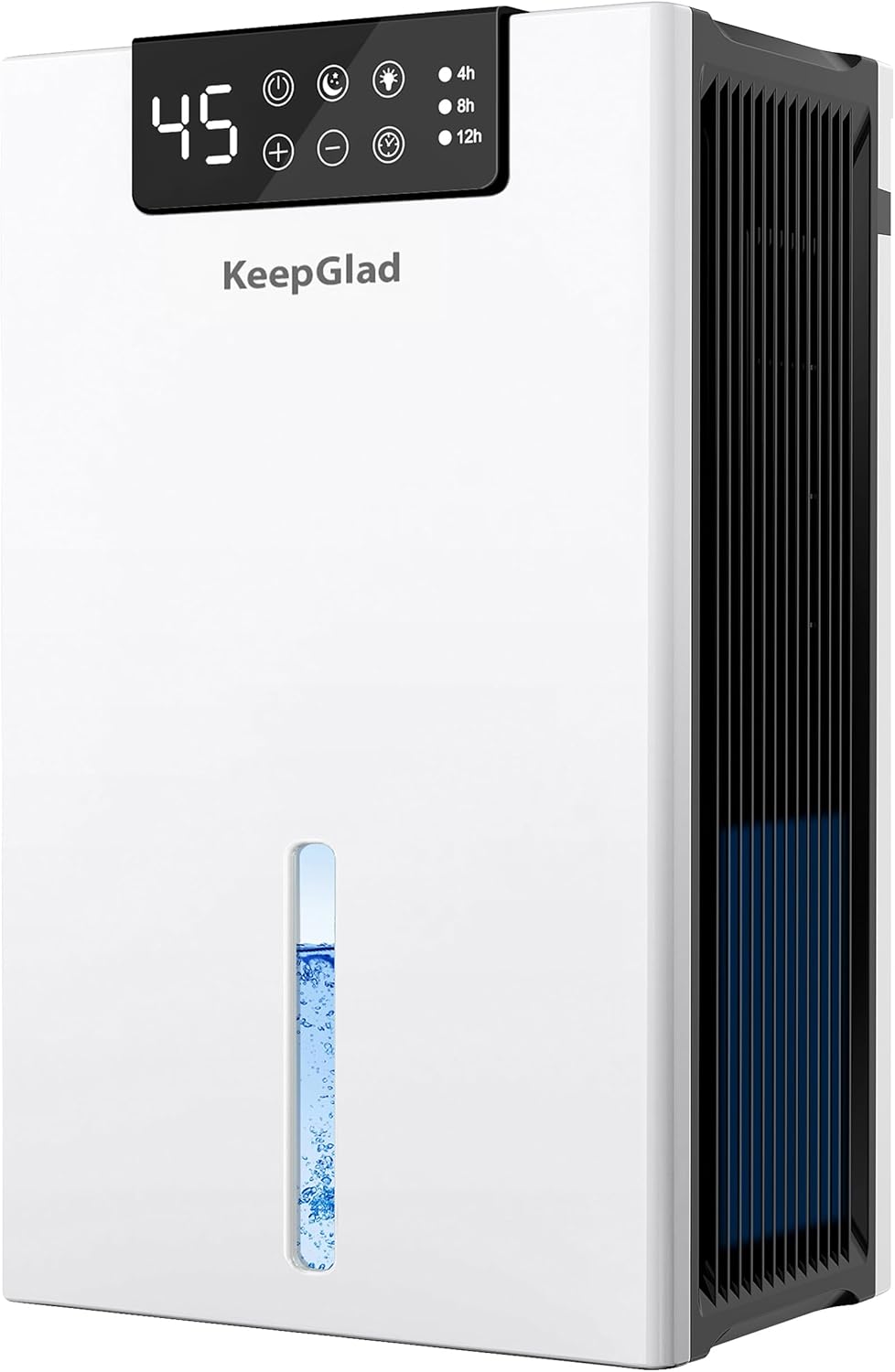
Common Buying Mistakes to Avoid
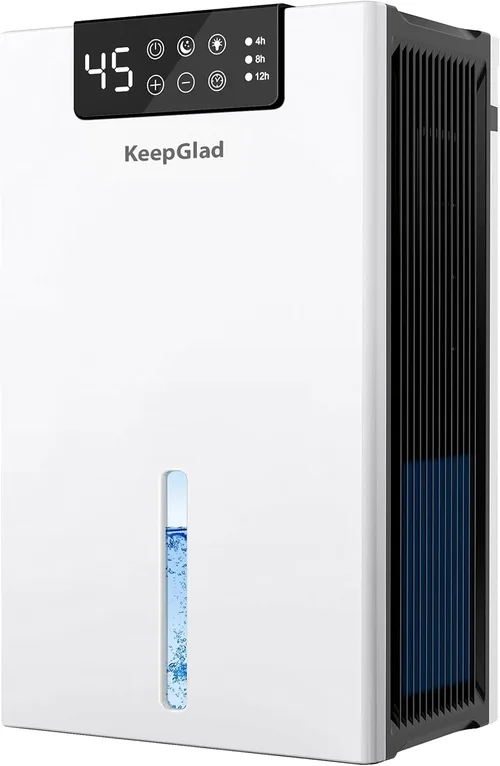
❌ Mistake: Buying Based Solely on Pint Rating
Why it’s bad: Pint ratings are measured under ideal lab conditions (80°F, 60% RH), which rarely match real-world environments. A “70-pint” dehumidifier may only remove 40 pints in a cool basement, leading to inadequate moisture control and frustration.
What to do instead: Use pint rating as a starting point, but prioritize coverage area, humidity control precision, and user reviews. For basements below 65°F, choose a low-temperature model or desiccant type.
❌ Mistake: Ignoring Drainage Options
Why it’s bad: Emptying a water tank every 8–12 hours is tedious and impractical, especially in basements or during vacations. Many buyers regret not choosing a model with continuous drainage.
What to do instead: Always check for a built-in drain port and ensure you can route a hose to a floor drain, sump pump, or outside. This small feature saves hours of maintenance.
❌ Mistake: Overlooking Noise Levels
Why it’s bad: A loud dehumidifier (above 55 dB) can disrupt sleep, conversations, or work—especially if placed in bedrooms, offices, or open-plan living areas.
What to do instead: Check decibel ratings and look for “quiet mode” or variable fan speeds. Read user reviews about real-world noise levels, as manufacturer specs can be misleading.
❌ Mistake: Choosing the Wrong Size for the Space
Why it’s bad: An undersized unit will run constantly, wear out quickly, and fail to control humidity. An oversized unit cycles too frequently, wasting energy and reducing lifespan.
What to do instead: Measure your room size and match it to the manufacturer’s coverage guidelines. Add 10–20% capacity if the space is prone to high humidity (e.g., near a lake or in a rainy climate).
❌ Mistake: Skipping Energy Efficiency
Why it’s bad: Dehumidifiers can consume 300–700 watts, adding $30–$100+ to your annual electricity bill. Inefficient models cost more over time, even if they’re cheaper upfront.
What to do instead: Look for ENERGY STAR certification and check the Energy Factor (liters of water removed per kWh). Higher is better—aim for at least 1.5 L/kWh.
❌ Mistake: Not Checking Warranty Terms
Why it’s bad: A short or restrictive warranty leaves you vulnerable to expensive repairs. Some brands void coverage if you use non-OEM filters or perform basic maintenance.
What to do instead: Read the fine print. Choose brands with at least a 1-year warranty and clear, customer-friendly support policies.
❌ Mistake: Buying Without Reading Recent Reviews
Why it’s bad: Product quality can change between model years. A highly rated 2022 model might have cost-cutting changes in 2024 that affect reliability.
What to do instead: Focus on reviews from the past 6–12 months. Look for verified purchases and detailed feedback about long-term performance.
Budget Guidelines: How Much Should You Spend?
Entry-Level ($100–$200):
These are ideal for small spaces like bathrooms, closets, or RVs. Expect basic 20–30 pint capacity, manual controls, small water tanks (1–2 gallons), and limited features. Build quality may be lower, and noise levels can be higher. Best for occasional use or mild humidity issues. Look for models from Tosot, Eva-Dry, or Ivation.
Mid-Range ($200–$400):
This is the sweet spot for most homeowners. You’ll get 30–50 pint capacity, digital hygrostats, larger tanks (2–3 gallons), continuous drainage options, and quieter operation. Many include auto-defrost, washable filters, and basic smart features. Brands like hOmeLabs, Frigidaire, and GE dominate this tier with reliable, efficient units.
Premium ($400–$700):
Designed for large basements, garages, or high-humidity environments. Expect 50–70+ pint capacity, advanced humidity control, Wi-Fi connectivity, HEPA filters, and robust construction. These models often have variable-speed compressors, low-temperature operation, and extended warranties. Ideal for serious moisture problems or smart home integration.
Luxury ($700+):
Whole-home systems, commercial-grade units, or ultra-quiet desiccant models. These offer centralized control, HVAC integration, professional installation, and industrial durability. Best for large homes, historic properties, or commercial applications. Brands like AprilAire, Santa Fe, and Dri-Eaz lead this category.
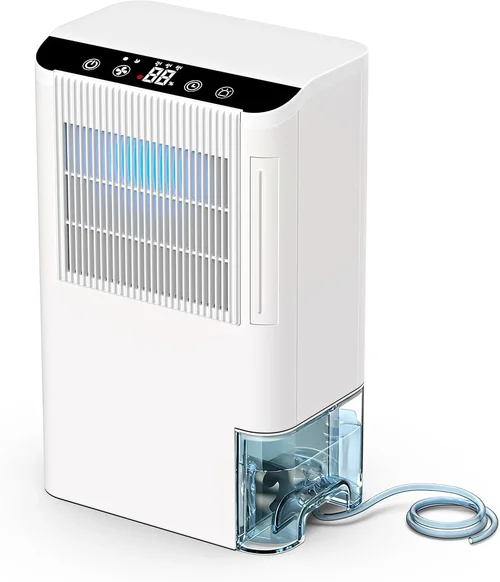
Expert Tips for Getting the Best Deal
– Buy in Spring or Early Summer: Retailers often discount dehumidifiers in late winter or early spring to clear inventory before peak humidity season. You can save 15–25% compared to summer prices.
– Check Warehouse Clubs and Home Improvement Stores: Costco, Sam’s Club, Home Depot, and Lowe’s frequently offer exclusive bundles, extended warranties, or in-store discounts not available online.
– Look for Open-Box or Refurbished Models: Certified refurbished units from reputable sellers (like Amazon Renewed or manufacturer outlets) can save you 20–40% with full warranty coverage.
– Use Price Tracking Tools: Set alerts on CamelCamelCamel (for Amazon) or Honey to monitor price drops. Many models fluctuate by $50–$100 throughout the year.
– Negotiate Extended Warranties: At big-box stores, ask if they’ll waive or discount extended warranty fees—especially if you’re buying multiple items.
– Test Before Committing: If possible, run the unit for a few days. Check for leaks, unusual noises, or poor humidity control. Most retailers offer 30-day return windows.
– Bundle with Other Purchases: Some HVAC contractors offer discounts if you install a dehumidifier with other services (e.g., duct cleaning or insulation).
– Consider Tax Credits: In some states, ENERGY STAR dehumidifiers qualify for energy efficiency rebates or tax credits—check DSIRE.org for local programs.

Frequently Asked Questions
Q: How do I know if I need a dehumidifier?
A: Signs include persistent musty odors, visible mold or mildew, condensation on windows, warped wood, or a sticky, clammy feeling in the air. Use a hygrometer to measure indoor humidity—ideal levels are between 30% and 50%. If it consistently exceeds 60%, a dehumidifier is recommended.
Q: Can a dehumidifier help with allergies?
A: Yes. By reducing moisture, dehumidifiers inhibit mold, dust mites, and mildew—common allergens. Models with HEPA or activated carbon filters provide additional air-cleaning benefits, though they’re not a substitute for a dedicated air purifier.
Q: Should I run my dehumidifier all the time?
A: Not necessarily. Use a programmable humidistat to maintain your target humidity (e.g., 45%). Many units have auto modes that turn on only when needed, saving energy and extending lifespan.
Q: How often should I clean my dehumidifier?
A: Clean the water tank weekly with mild soap and water. Wash or replace the air filter every 1–3 months, depending on usage. Wipe down coils and vents monthly to prevent dust buildup.
Q: Can I use a dehumidifier in winter?
A: Only if the space stays above 60°F. Most compressor models shut down or frost over in colder temperatures. For winter use in unheated areas, choose a desiccant dehumidifier rated for low temps.
Q: Will a dehumidifier lower my energy bills?
A: Indirectly, yes. By reducing humidity, your air conditioner doesn’t have to work as hard to cool the air, potentially lowering cooling costs by 5–10%. However, the dehumidifier itself consumes electricity, so balance usage with need.
Q: How long do dehumidifiers last?
A: With proper maintenance, most last 5–10 years. Compressor units in the 7–10 year range are common; desiccant models may last longer due to fewer moving parts.
Q: Can I install a dehumidifier myself?
A: Portable units are plug-and-play. Whole-home systems require professional installation, including ductwork integration and electrical connections.
Q: What’s the difference between a dehumidifier and an air purifier?
A: A dehumidifier removes moisture from the air; an air purifier removes particles like dust, pollen, and smoke. Some models combine both functions, but they address different problems.
Our Final Recommendations
– Best for Budget-Conscious Buyers: Tosot 30 Pint Dehumidifier ($149) – Reliable performance, compact design, and low operating cost make this ideal for small spaces and occasional use.
– Best Overall Value: hOmeLabs 50 Pint Smart Dehumidifier ($349) – Combines strong moisture removal, Wi-Fi connectivity, quiet operation, and continuous drainage at a competitive price.
– Best Premium Option: Frigidaire FFAD7033R1 70 Pint Dehumidifier ($599) – Exceptional build quality, precise humidity control, auto-defrost, and ENERGY STAR efficiency for large basements.
– Best for Beginners: GE Appliances ADEL50LW 50 Pint Dehumidifier ($279) – Simple controls, intuitive interface, and reliable performance with minimal setup.
– Best for Advanced Users: AprilAire E080 Pro 80 Pint Whole-Home Dehumidifier ($1,899) – Professional-grade, ducted system for whole-house humidity control with smart monitoring and HVAC integration.
Conclusion: Making the Right Choice
Choosing the right dehumidifier in 2024 doesn’t have to be overwhelming. By focusing on your specific needs—space size, humidity level, budget, and desired features—you can narrow down the options and find a unit that delivers lasting comfort and protection. Remember, the cheapest model isn’t always the best value, and the most expensive one isn’t always necessary. Prioritize performance specs that match your environment, invest in quality build and smart features if they align with your lifestyle, and always read recent user reviews.
Whether you’re battling basement dampness, improving indoor air quality, or simply making your home more comfortable, the right dehumidifier is a worthwhile investment. Use this guide as your roadmap, take advantage of seasonal deals, and don’t hesitate to ask questions before you buy. With the right information and a clear plan, you’ll breathe easier—literally and figuratively—for years to come.