
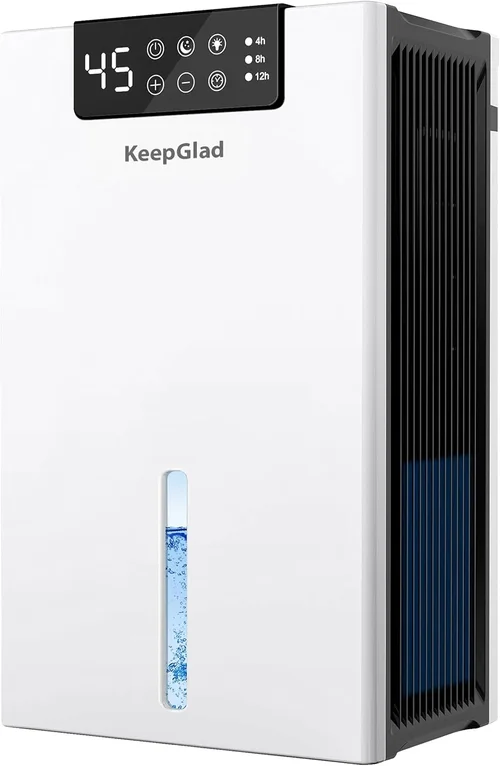
When it comes to maintaining a healthy, comfortable home environment, few appliances are as quietly essential as the dehumidifier. Whether you’re battling musty basements, preventing mold growth in humid climates, or simply trying to improve indoor air quality, a dehumidifier can make a world of difference. But in 2026, with rising energy costs and growing environmental awareness, choosing the right model isn’t just about performance—it’s about efficiency. That’s where energy efficient dehumidifiers come into play. These smart appliances don’t just remove moisture from the air; they do so using minimal electricity, helping you save on utility bills while reducing your carbon footprint.
This comprehensive buying guide is designed to help you navigate the crowded market of dehumidifiers and make an informed decision that aligns with your needs, budget, and values. Whether you’re a first-time buyer or upgrading from an older, energy-hungry model, you’ll learn how to evaluate key features, understand performance metrics, avoid common pitfalls, and ultimately select a unit that delivers optimal moisture control without draining your wallet or the planet. We’ll cover everything from technical specifications and energy ratings to real-world usage tips and expert recommendations—all tailored to help you find the most energy efficient dehumidifier for your space.
The dehumidifier market has evolved significantly in recent years. With advancements in compressor technology, smart controls, and eco-friendly refrigerants, today’s models are more efficient, quieter, and smarter than ever before. Energy Star-certified units now dominate the premium segment, and even budget-friendly options are incorporating features once reserved for high-end machines. However, not all “energy efficient” labels are created equal. Some manufacturers exaggerate savings, while others prioritize low upfront cost over long-term operating efficiency. This guide cuts through the marketing noise to give you the facts you need to choose wisely.
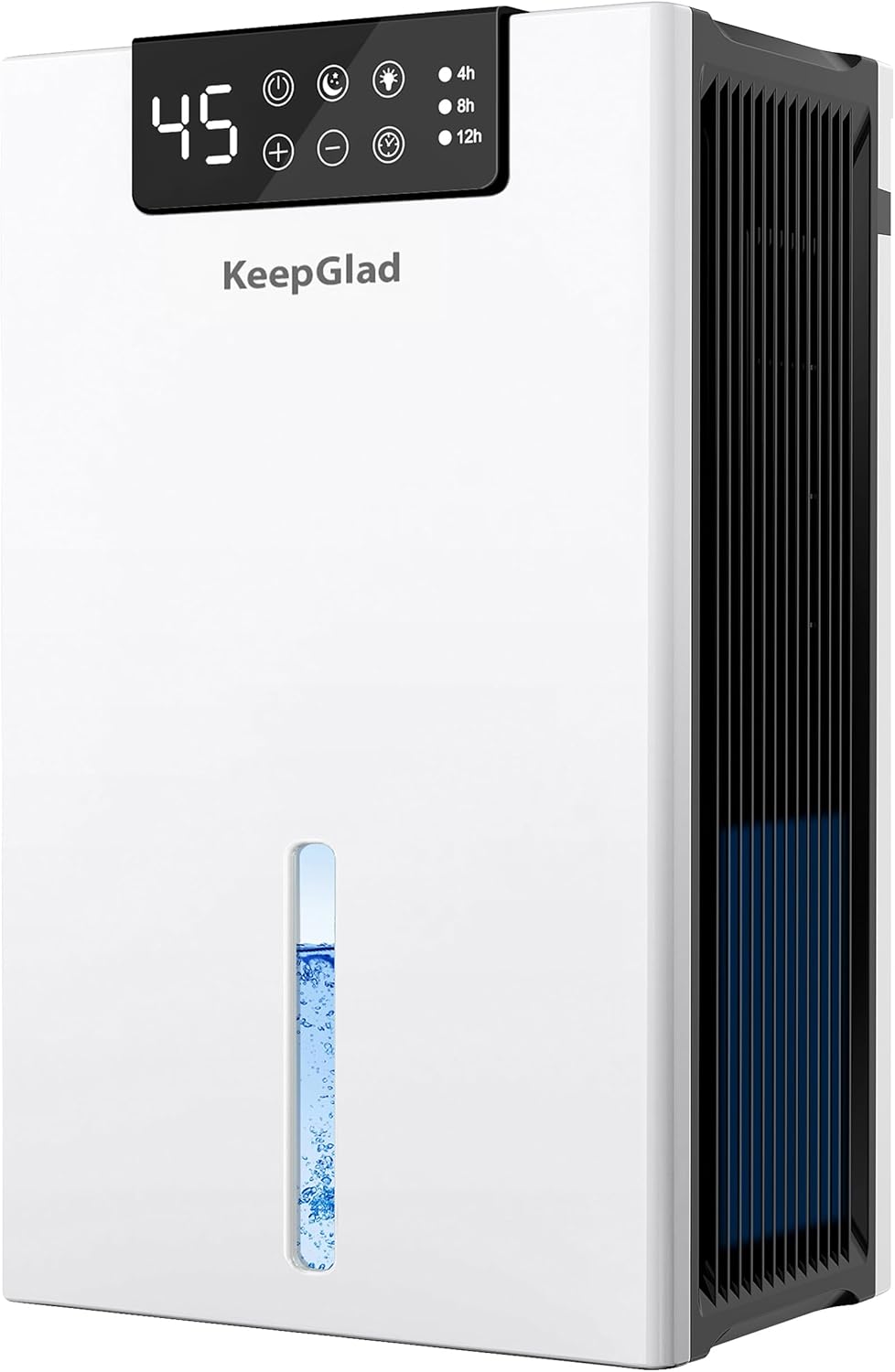
What to Look for When Buying Buying Guide
1. Energy Efficiency Rating (Energy Factor & Energy Star Certification)
The most critical factor when selecting an energy efficient dehumidifier is its energy efficiency rating. This is typically measured by the Energy Factor (EF), expressed in liters of water removed per kilowatt-hour (L/kWh) of electricity consumed. The higher the EF, the more efficient the unit. For example, a dehumidifier with an EF of 2.0 removes two liters of moisture for every kilowatt-hour used—significantly more efficient than a model with an EF of 1.2.
Look for models that are Energy Star certified. In 2026, Energy Star standards for dehumidifiers have become stricter, requiring units to meet higher efficiency thresholds across multiple room sizes and operating conditions. As of this year, only dehumidifiers with an EF of at least 1.8 for standard models (up to 50 pints/day) qualify for certification. High-capacity models (70+ pints) must achieve an EF of 2.2 or higher. These certifications ensure you’re getting a unit that has been independently tested and verified for energy performance.
Additionally, some manufacturers now publish annual operating cost estimates based on average usage (e.g., 8 hours per day, 120 days per year). These can be incredibly helpful for comparing long-term savings. For instance, a 50-pint Energy Star model might cost around $35–$45 per year to operate, while a non-certified model could cost $60 or more.
2. Capacity and Room Size Compatibility
Dehumidifier capacity is measured in pints per day (PPD)—the amount of moisture the unit can remove in a 24-hour period under standard test conditions (80°F and 60% relative humidity). Choosing the right capacity is essential for both performance and efficiency. A unit that’s too small will run constantly, wasting energy and failing to control humidity. One that’s too large may cycle on and off too frequently, reducing efficiency and potentially over-drying the space.
To determine the correct size, consider the square footage of the area and the severity of moisture issues:
- 30–50 PPD: Ideal for small spaces (up to 1,500 sq ft) with moderate dampness, such as closets, bathrooms, or small basements.
- 50–70 PPD: Best for medium to large rooms (1,500–2,500 sq ft) with high humidity or frequent dampness, like finished basements or laundry rooms.
- 70+ PPD: Designed for large, extremely damp areas such as crawl spaces, garages, or commercial applications.
Many manufacturers provide sizing charts based on room size and humidity level (mild, moderate, severe). Always err on the side of a slightly larger capacity if your space has poor ventilation, frequent water intrusion, or high ambient humidity. However, avoid oversized units unless necessary—larger compressors consume more power, even when operating efficiently.
3. Compressor Type and Refrigerant Technology
The heart of any dehumidifier is its compressor, and the type used directly impacts energy efficiency. Most residential units use either rotary or reciprocating compressors. Rotary compressors are generally quieter, more compact, and more energy efficient, making them ideal for continuous operation in living spaces. Reciprocating compressors, while often less expensive, tend to be noisier and less efficient over time.
In 2026, the industry has largely transitioned to low-global-warming-potential (low-GWP) refrigerants, such as R-32 and R-290 (propane), which are more environmentally friendly than older refrigerants like R-410A. R-32, in particular, offers up to 70% lower GWP and improved thermodynamic efficiency, resulting in better energy performance and reduced environmental impact. Some premium models now use R-290, which is highly efficient and nearly carbon-neutral, though it requires specialized handling due to flammability.
Additionally, inverter-driven compressors are becoming more common in high-end models. Unlike traditional on/off compressors, inverter technology adjusts motor speed based on humidity levels, allowing for smoother operation, reduced energy spikes, and up to 30% greater efficiency. While these units cost more upfront, the long-term energy savings can be substantial.
4. Smart Features and Automation
Modern energy efficient dehumidifiers are increasingly equipped with smart features that enhance both convenience and efficiency. Look for models with built-in hygrostats, which measure and maintain a target humidity level (typically adjustable between 30% and 80%). This prevents over-dehumidification, which wastes energy and can make indoor air uncomfortably dry.
Wi-Fi connectivity and app control are now standard on many mid- to high-range units. These allow you to monitor humidity levels, adjust settings, and receive alerts remotely via smartphone apps. Some models integrate with smart home systems like Google Assistant, Amazon Alexa, or Apple HomeKit, enabling voice control and automation routines (e.g., turning on the dehumidifier when humidity exceeds 60%).
Other efficiency-boosting features include:
- Auto-defrost: Prevents ice buildup on coils in cold environments (below 65°F), ensuring consistent performance and energy use.
- Timer functions: Allow you to run the unit only during off-peak hours or when needed, reducing unnecessary operation.
- Continuous drainage: Eliminates the need to empty a water tank, enabling uninterrupted operation and preventing the unit from shutting off due to a full bucket.
- Energy-saving modes: Some models offer “eco” or “low-power” settings that reduce fan speed and compressor output when full capacity isn’t needed.
While these features add to the upfront cost, they can significantly improve long-term efficiency and user experience, especially in homes with fluctuating humidity levels.
5. Noise Level and Operational Comfort
Noise is often overlooked but can be a dealbreaker, especially if the dehumidifier will be used in living areas, bedrooms, or home offices. Most dehumidifiers produce noise in the range of 45–60 decibels (dB), comparable to a quiet conversation or background music. However, cheaper models with less insulation or lower-quality fans can exceed 60 dB, becoming disruptive over time.
Look for units with noise ratings below 50 dB for quiet operation. Many manufacturers now publish sound levels at different fan speeds. For example, a model might run at 48 dB on low and 55 dB on high. Inverter-driven compressors and brushless DC motors also contribute to quieter performance.
Placement matters too. Units with front or top air discharge are generally quieter than those with side vents, which can direct noise toward occupied spaces. Some premium models include sound-dampening materials or vibration isolation mounts to further reduce operational noise.
For basement or utility room use, noise may be less of a concern. But for bedrooms or open-plan living areas, prioritize quieter models—even if it means paying a bit more.
6. Build Quality and Durability
Energy efficiency isn’t just about electricity use—it’s also about longevity. A well-built dehumidifier will last 7–10 years or more, reducing the need for replacements and minimizing electronic waste. Look for units with robust construction, including corrosion-resistant coils (often coated with epoxy or hydrophilic materials), sturdy casings, and high-quality internal components.
Check the materials used in the water tank and housing. Plastic tanks should be BPA-free and crack-resistant. Metal components should be rust-proof, especially in humid environments. Units designed for crawl spaces or garages often feature sealed electronics and protective coatings to withstand harsher conditions.
Pay attention to the warranty. A longer warranty (3–5 years on the compressor, 1–2 years on parts) is a strong indicator of manufacturer confidence in durability. Avoid models with only 90-day or 1-year warranties unless they’re from a reputable brand with a history of reliability.
User reviews can also provide insight into real-world durability. Look for patterns in feedback—frequent complaints about leaks, compressor failure, or fan issues are red flags.
7. Portability and Ease of Use
Even the most efficient dehumidifier is useless if it’s a hassle to move or maintain. Portability features include built-in handles, caster wheels, and lightweight designs. Most residential units weigh between 30 and 50 pounds, so wheels are essential for moving between rooms or up and down stairs.
Ease of maintenance is another key factor. Look for models with removable, washable air filters that can be cleaned monthly to maintain airflow and efficiency. Some units include filter replacement indicators. The water tank should be easy to remove and empty, with a secure lid to prevent spills. Tanks with built-in handles and splash guards are ideal.
For continuous operation, consider models with a hose connection for direct drainage. This eliminates the need to empty the tank and allows the unit to run indefinitely, which is especially useful in high-moisture areas or during extended rainy seasons.
Controls should be intuitive, with clear displays, simple buttons, and visible humidity readings. Backlit displays are helpful in dark basements or closets.
8. Brand Reputation and Customer Support
Not all dehumidifier brands are created equal. Established manufacturers like Frigidaire, GE, Honeywell, LG, and Midea have long track records of producing reliable, energy efficient appliances. These brands often invest more in R&D, quality control, and customer service.
Research brand reputation by reading professional reviews, checking customer ratings on retail sites, and looking for certifications from independent testing labs (e.g., AHAM, UL). Avoid unknown or generic brands that offer suspiciously low prices—these often cut corners on components and lack proper support.
Customer support is crucial if something goes wrong. Look for brands with responsive service centers, accessible technical support, and readily available replacement parts. Some companies offer extended service plans or on-site repair options, which can be worth the investment for high-end models.
Also consider availability of spare parts and filters. A dehumidifier is only as good as its maintenance, and hard-to-find filters can render a unit unusable over time.
Different Types of Buying Guide

Common Buying Mistakes to Avoid
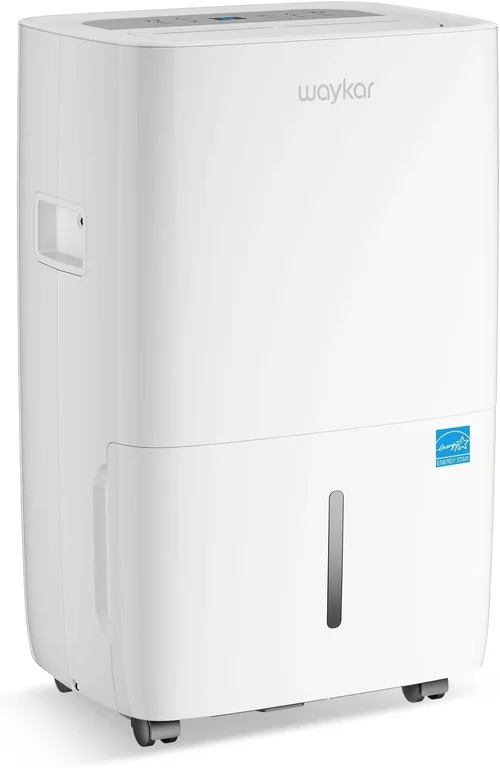
❌ Mistake: Ignoring the Energy Star Label
Why it’s bad: Many buyers focus solely on capacity or price, overlooking energy efficiency. Non-Energy Star models may cost less upfront but can consume 20–50% more electricity, leading to higher long-term costs and greater environmental impact.
What to do instead: Always prioritize Energy Star-certified models. Use the EF rating and annual operating cost estimates to compare efficiency across brands and sizes.
❌ Mistake: Buying Based on Pints Alone
Why it’s bad: A 70-pint dehumidifier isn’t always better than a 50-pint model. Oversized units can short-cycle, reducing efficiency and failing to properly dehumidify. They also cost more and use more power.
What to do instead: Match capacity to your room size and humidity level using manufacturer sizing guides. When in doubt, choose a model with adjustable settings or a built-in hygrometer.
❌ Mistake: Overlooking Noise Levels
Why it’s bad: A loud dehumidifier can disrupt sleep, work, or relaxation, especially in open-plan homes or bedrooms. Many buyers only discover noise issues after purchase.
What to do instead: Check decibel ratings and read user reviews for noise feedback. Opt for models with inverter compressors and sound-dampening features if quiet operation is important.
❌ Mistake: Skipping Maintenance Requirements
Why it’s bad: Dirty filters and clogged coils reduce airflow and efficiency, causing the unit to work harder and consume more energy. Neglecting maintenance can shorten the lifespan of the dehumidifier.
What to do instead: Choose models with easy-to-clean filters and accessible components. Set a monthly reminder to clean the filter and inspect the coils.
❌ Mistake: Not Considering Drainage Options
Why it’s bad: Units that rely solely on a water tank require frequent emptying, especially in high-humidity areas. This can lead to overflow, water damage, or the unit shutting off prematurely.
What to do instead: Look for models with continuous drainage via a hose connection. This allows uninterrupted operation and is ideal for basements or crawl spaces.
❌ Mistake: Choosing the Cheapest Option
Why it’s bad: Budget models often use lower-quality components, lack efficiency features, and have shorter lifespans. The savings on upfront cost can be erased by higher energy bills and early replacement.
What to do instead: Invest in a mid-range or premium model with Energy Star certification, good reviews, and a solid warranty. Think of it as a long-term investment in comfort and savings.
❌ Mistake: Ignoring Smart Features
Why it’s bad: Without automation, you may run the dehumidifier unnecessarily or fail to adjust settings when humidity changes, wasting energy.
What to do instead: Choose a model with a built-in hygrometer, timer, or Wi-Fi connectivity. These features optimize performance and reduce manual intervention.
Budget Guidelines: How Much Should You Spend?
- Entry-Level ($80–$180): These models are best for small spaces with mild humidity. Expect basic functionality, limited capacity (30–50 PPD), and minimal smart features. Energy efficiency varies—look for Energy Star certification to ensure decent performance. Ideal for occasional use in closets or bathrooms.
- Mid-Range ($180–$400): This is the sweet spot for most homeowners. Units in this range offer 50–70 PPD capacity, Energy Star certification, built-in hygrostats, and features like auto-defrost and continuous drainage. Many include Wi-Fi and app control. Expect good build quality and 3–5 year compressor warranties.
- Premium ($400–$700): Designed for large spaces or high-moisture environments, these models feature inverter compressors, R-32 or R-290 refrigerants, advanced filtration, and full smart home integration. They offer the highest efficiency (EF 2.2+), quiet operation, and durable construction. Ideal for basements, garages, or tech-savvy users.
- Luxury ($700+): Whole-house dehumidifiers and commercial-grade units fall into this category. They integrate with HVAC systems, offer 100+ PPD capacity, and include professional installation. While expensive, they provide centralized, energy efficient moisture control for entire homes.
Expert Tips for Getting the Best Deal
- Buy during off-season sales: The best time to purchase a dehumidifier is in late fall or winter (October–February), when demand is low and retailers offer discounts to clear inventory. Avoid spring and summer, when prices peak due to high humidity.
- Shop online for better selection and reviews: Websites like Amazon, Home Depot, and Lowe’s offer detailed product information, customer reviews, and price comparisons. Use filters to sort by Energy Star certification, capacity, and noise level.
- Check for rebates and incentives: Some utility companies offer rebates for Energy Star appliances. Visit your local utility’s website or the Energy Star Rebate Finder to see if you qualify for savings.
- Read the fine print on warranties: Understand what’s covered (compressor, parts, labor) and for how long. Some brands require registration within 30 days to activate the warranty.
- Test before committing: If possible, buy from a retailer with a generous return policy (30+ days). Run the unit for a few days to assess noise, performance, and ease of use.
- Look for bundle deals: Some retailers offer discounts when you buy a dehumidifier with an air purifier or smart thermostat. These can add value and improve overall home efficiency.
- Consider refurbished or open-box models: Certified refurbished units from reputable sellers often come with warranties and can save 20–30% off retail price. Ensure they’re tested and include all accessories.
- Monitor price drops: Use tools like Honey or CamelCamelCamel to track price history and get alerts when your desired model goes on sale.
Frequently Asked Questions
Q: How much electricity does an energy efficient dehumidifier use?
A: On average, an Energy Star-certified 50-pint dehumidifier uses about 500–700 watts per hour. Running it 8 hours a day for 120 days a year costs approximately $35–$50, depending on local electricity rates. High-efficiency models with inverter technology can reduce this by 20–30%.
Q: Can I run a dehumidifier 24/7?
A: Yes, but it’s not always necessary. Most homes only need dehumidification during humid months or in problem areas. Use a hygrometer to monitor levels and run the unit only when humidity exceeds 50–60%. Continuous drainage allows safe 24/7 operation.
Q: Do dehumidifiers help with allergies?
A: Yes. By reducing moisture, dehumidifiers inhibit mold, dust mites, and mildew—common allergens. Pair with an air purifier for maximum benefit.
Q: What’s the ideal indoor humidity level?
A: Between 30% and 50% is recommended for comfort and health. Levels above 60% promote mold growth; below 30% can cause dry skin and respiratory irritation.
Q: Can I use a dehumidifier in winter?
A: Yes, but refrigerant models lose efficiency below 65°F. Desiccant dehumidifiers are better for cold spaces like garages or unheated basements.
Q: How often should I clean the filter?
A: Every 4–6 weeks during heavy use, or monthly during humid seasons. A dirty filter restricts airflow and reduces efficiency.
Q: Are portable dehumidifiers effective?
A: Yes, for small to medium spaces. Choose one with wheels, a large tank, and continuous drainage for best results.
Q: Do I need a dehumidifier if I have central air?
A: Possibly. Central AC removes some moisture, but not enough in humid climates or poorly ventilated homes. A dedicated dehumidifier provides more precise control.
Q: Can I install a whole-house dehumidifier myself?
A: Most require professional installation, especially if integrating with HVAC systems. DIY kits exist but may void warranties or reduce efficiency.
Q: How long do energy efficient dehumidifiers last?
A: With proper maintenance, 7–10 years is typical. High-quality models with sealed compressors and corrosion-resistant coils can last even longer.
Our Final Recommendations
- Best for Budget-Conscious Buyers: Frigidaire FFAD7033R1 – A 70-pint Energy Star model with excellent efficiency, auto-defrost, and a 2-year warranty. Priced under $300, it’s a reliable workhorse for basements.
- Best Overall Value: Honeywell TP70WKN – 70-pint capacity, Wi-Fi enabled, R-32 refrigerant, and inverter compressor. Offers top-tier efficiency, quiet operation, and smart features for around $450.
- Best Premium Option: LG PuriCare UD701KOG3 – 70-pint, Energy Star certified, with dual inverter compressor, UVnano sterilization, and full smart home integration. Ideal for tech-savvy users wanting the best performance and air quality.
- Best for Beginners: GE APER50LZ – Simple controls, 50-pint capacity, and reliable performance. Great for first-time buyers needing moisture control in a medium-sized room.
- Best for Advanced Users: AprilAire E130 – Whole-house dehumidifier with 130-pint capacity, HVAC integration, and professional monitoring. Perfect for large homes or severe humidity issues.
Conclusion: Making the Right Choice
Choosing the best energy efficient dehumidifier in 2026 isn’t just about finding the cheapest or most powerful model—it’s about balancing performance, efficiency, durability, and smart features to meet your specific needs. By focusing on Energy Star certification, proper sizing, and long-term operating costs, you can select a unit that keeps your home comfortable while saving money and protecting the environment.
Remember, the most efficient dehumidifier is one that’s used correctly. Pair your purchase with regular maintenance, smart automation, and awareness of indoor humidity levels to maximize both comfort and savings. Whether you’re tackling a damp basement or simply improving air quality, the right dehumidifier can make a lasting difference.
Take the time to evaluate your space, compare models, and invest in quality. With the insights from this guide, you’re now equipped to make a confident, informed decision. Your home—and your energy bill—will thank you.