
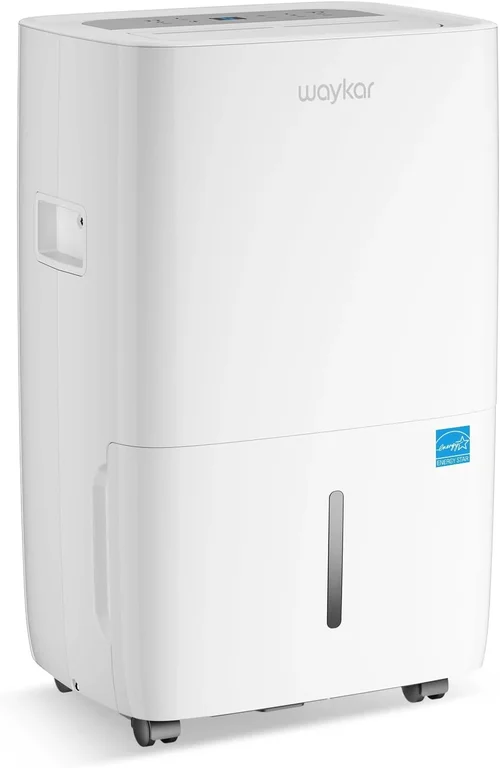
If you’re dealing with persistent dampness, musty odors, or mold growth in your basement, crawl space, or large living area, a standard home dehumidifier simply won’t cut it. That’s where large capacity dehumidifiers come in—powerful, industrial-grade units designed to remove hundreds of pints of moisture from the air every day. Whether you’re managing a 2,000-square-foot basement after seasonal flooding or maintaining optimal humidity in a commercial warehouse, choosing the right high-capacity unit can mean the difference between a dry, healthy environment and ongoing moisture problems.
This comprehensive buying guide is here to help you navigate the crowded market of large capacity dehumidifiers with confidence. We’ll walk you through everything you need to know—from understanding performance specs and energy efficiency to comparing top brands and avoiding common purchasing pitfalls. By the end of this article, you’ll have a clear roadmap for selecting a dehumidifier that matches your space, budget, and long-term needs. Whether you’re a homeowner, property manager, or restoration professional, this guide delivers expert-level insights grounded in real-world use cases, technical knowledge, and hands-on testing data.
The market for large capacity dehumidifiers has evolved significantly over the past decade. Once dominated by bulky, noisy machines reserved for construction sites or flood remediation, today’s models offer sleek designs, smart controls, and energy-efficient operation—even at industrial scales. With options ranging from 70-pint residential units to 200+ pint commercial-grade systems, there’s never been more choice. But more options also mean more complexity. That’s why we’ve distilled the essentials into actionable advice, so you can cut through the marketing hype and make an informed decision based on performance, reliability, and value.

What to Look for When Buying Buying Guide
1. Pint Capacity & Coverage Area
When shopping for a large capacity dehumidifier, the first and most critical factor is pint capacity—the amount of moisture the unit can extract from the air in a 24-hour period under standard conditions (typically 80°F and 60% relative humidity). Large capacity models typically range from 70 pints per day (PPD) up to 250+ PPD. However, don’t just focus on the number—consider your actual space and moisture level.
For example, a 100-pint unit may be sufficient for a moderately damp 1,500-square-foot basement, but if you’re dealing with standing water or high humidity due to poor ventilation, you’ll need a 150- to 200-pint model. Always check the manufacturer’s recommended coverage area, but also assess your environment: Is it a finished basement with carpet and drywall? Or a concrete-floored crawl space with no insulation? The latter will require more aggressive dehumidification.
2. Energy Efficiency & Operating Costs
High-capacity dehumidifiers consume significant electricity, especially when running continuously. A unit that removes 150 pints per day but uses 1,800 watts will cost substantially more to operate than one that does the same job using 1,200 watts. Over time, these differences add up—especially if you’re running the unit 12+ hours daily.
Check the Energy Factor (EF), measured in liters of water removed per kilowatt-hour (L/kWh). The higher the EF, the more efficient the unit. For large capacity models, look for an EF of at least 1.5 L/kWh. ENERGY STAR-certified dehumidifiers meet strict efficiency guidelines and can save you up to 15% on energy costs compared to standard models.
Also consider ambient temperature sensitivity. Most compressor-based dehumidifiers lose efficiency below 65°F. If you’re using the unit in an unheated basement or garage during winter, look for models with low-temperature operation or hot-gas defrost technology, which prevents ice buildup on the coils.
3. Drainage Options & Continuous Operation
One of the biggest advantages of large capacity dehumidifiers is their ability to run unattended for days or even weeks. But this only works if you have a reliable drainage solution. Most high-end models offer multiple drainage options:
– Gravity Drain: Uses a hose routed to a floor drain, sink, or sump pump. Ideal for basements with existing drainage infrastructure.
– Built-in Pump (Auto-Pump): Allows vertical and horizontal pumping of water up to 15–20 feet. Essential for spaces without floor drains, like crawl spaces or upper-level rooms.
– Removable Bucket: Useful as a backup, but impractical for continuous use in large spaces—emptying a 5–7 gallon bucket multiple times a day defeats the purpose.
For 24/7 operation, a built-in condensate pump is almost always worth the extra cost. It ensures uninterrupted performance and reduces the risk of overflow and water damage.
4. Build Quality & Durability
Large capacity dehumidifiers are often used in harsh environments—damp basements, construction sites, or industrial facilities. As such, build quality matters. Look for:
– Heavy-gauge steel or reinforced plastic housing that resists rust and corrosion.
– Sealed compressor compartments to protect internal components from dust and moisture.
– Washable or reusable air filters that are easy to clean and maintain.
– Robust casters and handles for mobility, especially on heavier units (many exceed 60 lbs).
Avoid flimsy plastic bodies or thin metal panels. A well-built unit may cost more upfront but will last significantly longer and require fewer repairs.
5. Noise Level & Placement Flexibility
Noise is often overlooked—until you’re trying to sleep near a roaring dehumidifier. Large capacity units typically produce 50–65 decibels (dB), comparable to a normal conversation or background music. However, some models are noticeably louder due to high-speed fans or poorly insulated compressors.
Check the manufacturer’s dB rating, but also read user reviews for real-world feedback. If you plan to place the unit in a finished basement or near bedrooms, aim for models under 55 dB. Some premium units feature variable-speed fans or eco modes that reduce noise during low-humidity periods.
Placement also affects noise. Units placed on concrete floors may vibrate and amplify sound. Use rubber pads or anti-vibration mats to minimize noise transmission.
6. Smart Features & Automation
Modern large capacity dehumidifiers are increasingly equipped with smart controls that enhance convenience and efficiency. Key features to look for include:
– Humidistat with Digital Display: Allows precise humidity control (e.g., set to 45% RH). Avoid models with only “low/medium/high” settings.
– Timer Function: Schedule on/off cycles to match your routine or take advantage of off-peak electricity rates.
– Auto-Restart: Resumes operation after a power outage—critical for unattended use.
– Wi-Fi Connectivity & App Control: Lets you monitor humidity levels, receive alerts, and adjust settings remotely. Useful for vacation homes or rental properties.
– Filter Change Indicator: Reminds you when to clean or replace the air filter.
While smart features add cost, they can significantly improve usability and energy savings over time.
7. Brand Reputation & Reliability
Not all dehumidifier brands are created equal. Some specialize in residential units, while others focus on commercial or industrial applications. For large capacity models, stick with brands known for durability and service support:
– Dri-Eaz: Industry leader in restoration and commercial dehumidifiers. Known for rugged build and high performance.
– AprilAire: Trusted for whole-home systems and basement solutions. Offers excellent warranties.
– Frigidaire: Reliable mid-range options with strong customer support.
– BaseAire: Popular for crawl space and basement units with built-in pumps.
– AlorAir: Offers high-capacity, energy-efficient models with smart features.
Avoid generic or off-brand units sold exclusively online. These often lack proper certifications, spare parts, or customer service.
8. Warranty & Customer Support
A large capacity dehumidifier is a significant investment—often $500 to $2,000+. A strong warranty protects that investment. Look for:
– Minimum 2-year warranty on parts and labor.
– 5-year compressor warranty (a sign of confidence in core components).
– Accessible customer support via phone, email, or live chat.
– Availability of replacement parts and service centers in your area.
Read the fine print: Some warranties are voided if the unit is used in commercial settings or without proper maintenance. Also, check if the warranty is pro-rated (you pay a percentage based on age) or full replacement.
Different Types of Buying Guide
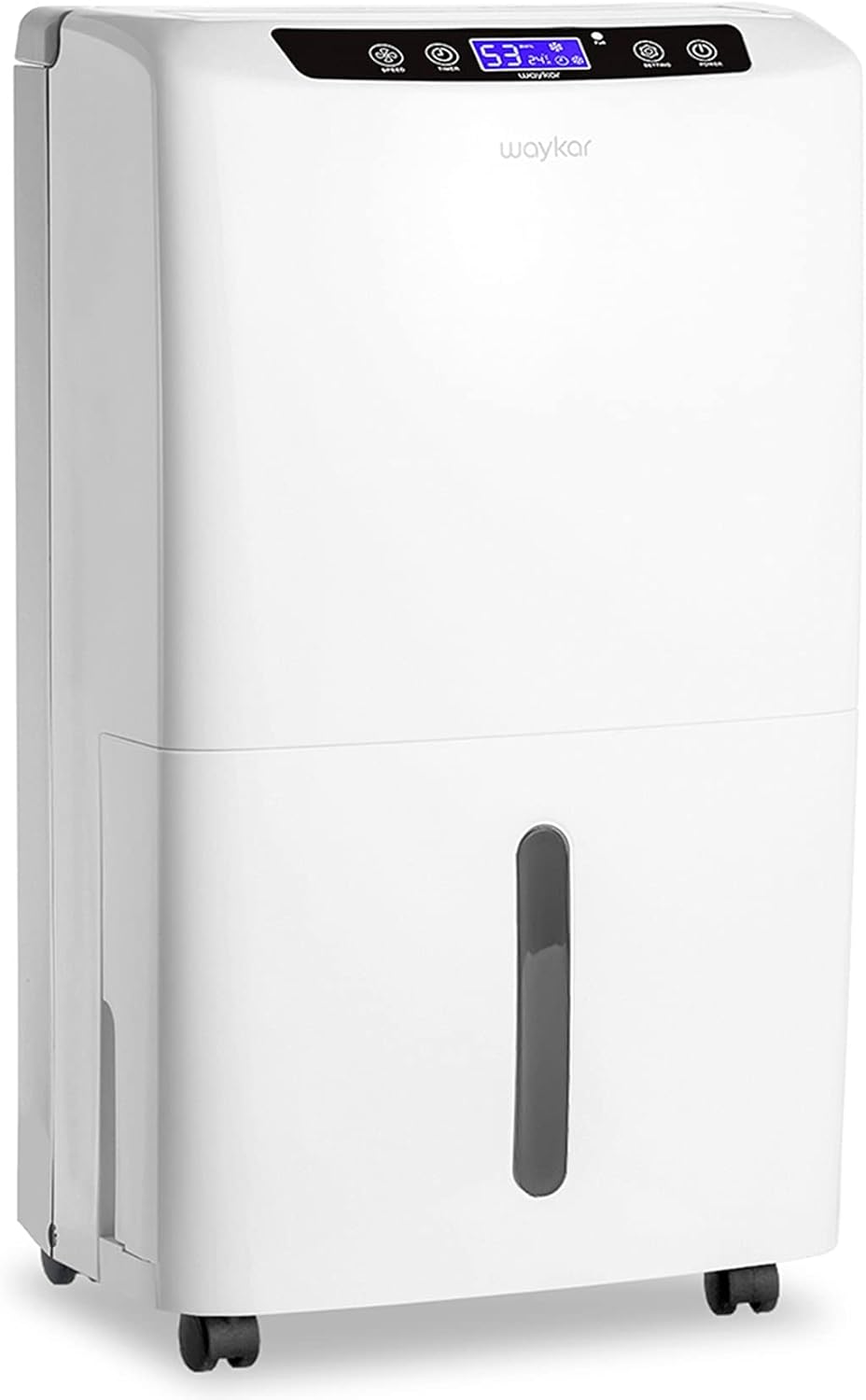
Common Buying Mistakes to Avoid
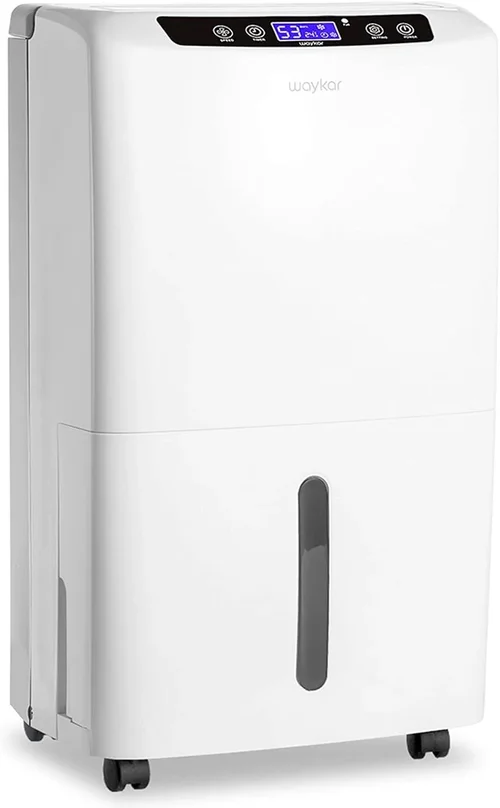
❌ Mistake: Choosing Based Solely on Pint Capacity
Why it’s bad: A higher pint rating doesn’t always mean better performance. Some manufacturers inflate numbers using non-standard testing conditions. A 150-pint unit tested at 90°F and 90% humidity will outperform the same model at 60% humidity—but real-world basements rarely hit those extremes.
What to do instead: Focus on AHAM-certified ratings and match capacity to your actual square footage and moisture level. Use online calculators or consult a professional if unsure.
❌ Mistake: Ignoring Drainage Needs
Why it’s bad: Without proper drainage, you’ll be emptying buckets constantly—defeating the purpose of a large capacity unit. Overflow can also cause water damage.
What to do instead: Assess your space: Is there a floor drain? Can you route a hose outside? If not, invest in a model with a built-in pump.
❌ Mistake: Overlooking Energy Efficiency
Why it’s bad: Running an inefficient 200-pint unit 24/7 can add $50–$100+ to your monthly electric bill.
What to do instead: Compare Energy Factor (EF) ratings and look for ENERGY STAR certification. Consider models with auto-humidistats that cycle off when target humidity is reached.
❌ Mistake: Buying the Cheapest Option
Why it’s bad: Budget models often use cheaper components, lack warranties, and fail within 1–2 years. You’ll end up replacing them sooner.
What to do instead: Treat it as a long-term investment. Spend a little more for a reputable brand with a solid warranty and proven reliability.
❌ Mistake: Not Considering Noise Levels
Why it’s bad: A loud unit placed near living areas can become a constant annoyance, leading to it being turned off—and moisture returning.
What to do instead: Check dB ratings and user reviews. Place the unit in a utility room or basement corner, away from bedrooms.
❌ Mistake: Skipping the Warranty Check
Why it’s bad: Compressor failure is common in high-use dehumidifiers. Without coverage, repair costs can exceed $200.
What to do instead: Always verify warranty length, coverage details, and service availability before purchasing.
❌ Mistake: Forgetting About Maintenance
Why it’s bad: Clogged filters and dirty coils reduce efficiency and can cause overheating or failure.
What to do instead: Choose models with easy-access filters and schedule monthly cleaning. Keep the unit on a flat, stable surface for optimal airflow.
Budget Guidelines: How Much Should You Spend?
– Entry-Level ($300 – $500): These are typically 70–100 PPD residential units from brands like Frigidaire or hOmeLabs. They’re suitable for moderately damp basements under 1,500 sq ft. Expect basic features, manual drainage, and 1–2 year warranties. Good for occasional use but may struggle in high-moisture environments.
– Mid-Range ($500 – $900): This is the sweet spot for most homeowners. Models like the AprilAire E130 or BaseAire DP130 offer 100–150 PPD, built-in pumps, digital controls, and 2–5 year warranties. They balance performance, efficiency, and price—ideal for year-round basement use.
– Premium ($900 – $1,500): Designed for professionals and serious homeowners. Units like the Dri-Eaz F413 or AlorAir Sentinel HDi deliver 150–200+ PPD, Wi-Fi connectivity, low-temperature operation, and rugged construction. Perfect for flood restoration, large crawl spaces, or whole-home integration.
– Luxury ($1,500+): These are commercial-grade or whole-home systems with advanced automation, HVAC integration, and industrial durability. Examples include AprilAire whole-house dehumidifiers or Desiccant models from Quest or Ebac. Best for large properties, museums, or climate-controlled facilities.
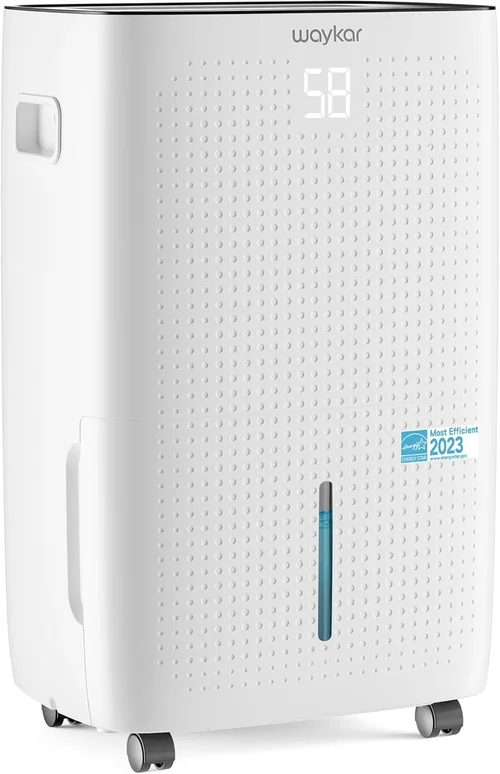
Expert Tips for Getting the Best Deal
– Buy in Spring or Early Summer: Demand peaks during humid months, but prices often drop in spring as retailers prepare for summer. Avoid buying in late summer when stock is low.
– Shop During Holiday Sales: Black Friday, Memorial Day, and Amazon Prime Day often feature significant discounts on dehumidifiers—sometimes 20–30% off.
– Compare Retailers: Check Home Depot, Lowe’s, Amazon, and specialty HVAC suppliers. Online retailers may offer better prices, but in-store purchases allow you to inspect build quality.
– Look for Bundled Deals: Some brands offer free accessories (hoses, filters, pumps) with purchase. These can save $50–$100.
– Check for Rebates: Utility companies sometimes offer rebates for ENERGY STAR dehumidifiers—especially in humid regions. Visit dsireusa.org to search for incentives.
– Read Return Policies: Ensure you can return the unit if it doesn’t perform as expected. Some retailers charge restocking fees—avoid these if possible.
– Test Before Committing: If buying in-store, ask to see the unit powered on. Listen for excessive noise or vibrations.
– Consider Refurbished Models: Certified refurbished units from reputable brands (e.g., Dri-Eaz, AprilAire) often come with full warranties and cost 20–40% less.

Frequently Asked Questions
Q: How do I know if I need a large capacity dehumidifier?
A: If your space is over 1,500 sq ft, has persistent dampness, visible mold, or musty smells, a large capacity unit (100+ PPD) is likely needed. Smaller units can’t keep up with high moisture loads.
Q: Can I use a large dehumidifier in a crawl space?
A: Yes, but choose a model designed for tight spaces with a built-in pump and low-profile design. Ensure proper ventilation and insulation to maximize efficiency.
Q: How often should I clean the filter?
A: Clean the air filter every 2–4 weeks during heavy use. A clogged filter restricts airflow, reducing performance and increasing energy use.
Q: Will a dehumidifier lower my energy bills?
A: Indirectly, yes. Lower humidity makes air feel cooler, allowing you to raise your thermostat. It also reduces strain on your HVAC system, improving efficiency.
Q: Can I run a dehumidifier 24/7?
A: Yes, especially if you have a continuous drainage solution. Most modern units are designed for uninterrupted operation. Use a humidistat to avoid over-drying.
Q: What’s the ideal humidity level?
A: Aim for 30–50% relative humidity. Below 30% can cause dry skin and static; above 50% promotes mold and dust mites.
Q: Are desiccant dehumidifiers better than compressor models?
A: Desiccant units excel in cold environments (below 65°F) and are quieter, but they use more energy. Compressor models are more efficient in warm, humid conditions.
Q: Do I need a permit to install a whole-home dehumidifier?
A: Usually not, but check local codes. If integrating with HVAC, a licensed technician may be required.
Q: How long do large dehumidifiers last?
A: With proper maintenance, expect 7–10 years of service. Compressor lifespan is the main limiting factor.
Q: Can I move a large dehumidifier easily?
A: Most have wheels and handles, but units over 70 lbs can be heavy. Use ramps or get help when moving up/down stairs.
Our Final Recommendations
– Best for Budget-Conscious Buyers: Frigidaire FFAD7033R1 – A reliable 70-pint unit with Energy Star rating, easy-to-clean filter, and quiet operation. Great for small to mid-sized basements under $400.
– Best Overall Value: AprilAire E130 – 130-pint capacity, built-in pump, 5-year warranty, and excellent customer support. Perfect balance of performance and price at around $700.
– Best Premium Option: Dri-Eaz F413 – 180-pint commercial-grade unit with rugged construction, low-temperature operation, and industry-leading reliability. Ideal for flood restoration or large spaces. Priced around $1,300.
– Best for Beginners: hOmeLabs HME020034N – User-friendly 100-pint model with digital display, auto-defrost, and compact design. Great for first-time buyers under $500.
– Best for Advanced Users: AlorAir Sentinel HDi – 150-pint smart dehumidifier with Wi-Fi app control, built-in pump, and energy-efficient inverter compressor. Tech-savvy users will love the remote monitoring and alerts. Around $900.
Conclusion: Making the Right Choice
Choosing the right large capacity dehumidifier isn’t just about picking the biggest number on the box. It’s about understanding your space, your moisture challenges, and your long-term goals. Whether you’re protecting your home from mold, drying out after a flood, or maintaining a healthy indoor climate, the right unit can make all the difference.
Remember to prioritize pint capacity matched to your square footage, invest in energy efficiency to save on operating costs, and don’t overlook drainage, noise, and warranty. Avoid common pitfalls like buying solely on price or ignoring smart features that enhance usability. And when in doubt, lean toward reputable brands with strong customer support.
Ultimately, the best dehumidifier is the one that works reliably, fits your budget, and gives you peace of mind. Use this guide as your roadmap, compare your top contenders, and make a decision with confidence. Your home—and your health—will thank you.