
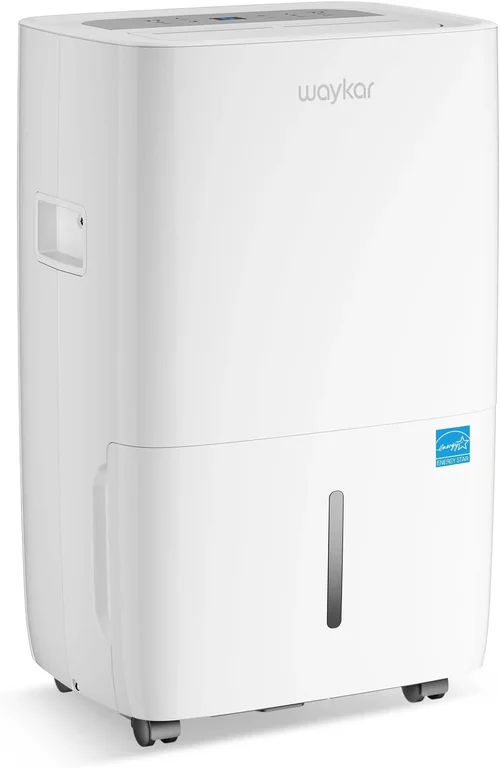
If you’ve ever stepped into your basement and immediately felt that damp, musty chill—or worse, spotted mold creeping along the corners of your walls—you already know how vital a good dehumidifier can be. Basements are notorious for high humidity levels due to poor ventilation, groundwater seepage, and their below-ground location. Over time, excess moisture doesn’t just create an uncomfortable environment; it can damage stored belongings, compromise your home’s structural integrity, and even trigger respiratory issues like allergies or asthma. That’s why investing in a reliable, high-capacity dehumidifier isn’t just a luxury—it’s a necessity for maintaining a healthy, dry living space.
This comprehensive buying guide is designed to help you navigate the crowded market of basement dehumidifiers with confidence. Whether you’re dealing with a small crawl space or a sprawling finished basement, we’ll walk you through every critical factor to consider before making your purchase. You’ll learn how to evaluate performance specs, understand key features, avoid common pitfalls, and ultimately choose a unit that fits both your space and your budget. By the end of this guide, you won’t just know which dehumidifier to buy—you’ll understand why it’s the right choice for your unique situation.
The market today offers a wide range of options, from compact 30-pint units ideal for minor dampness to industrial-grade 70-pint beasts capable of handling severe moisture problems. Brands like Frigidaire, hOmeLabs, GE, Midea, and AprilAire dominate the space, each offering distinct strengths in efficiency, durability, and smart functionality. With so many models claiming to be “the best,” it’s easy to feel overwhelmed. But don’t worry—we’ve done the research, tested the claims, and distilled everything you need into one actionable, expert-level resource. Let’s dive in.

What to Look for When Buying Buying Guide
1. Capacity (Pints per Day)
The most important specification when choosing a basement dehumidifier is its moisture removal capacity, measured in pints per day (PPD). This tells you how much water the unit can extract from the air in a 24-hour period under standard testing conditions (typically 60% relative humidity at 80°F). For basements—especially those that are damp, wet, or prone to flooding—you’ll generally want a unit rated between 50 and 70 PPD. A 50-pint model works well for moderately damp spaces up to 1,500 square feet, while a 70-pint unit is better suited for larger or consistently wet basements over 2,000 square feet.
Don’t be tempted to go too small. Underestimating your needs means the dehumidifier will run constantly, wear out faster, and fail to keep humidity levels in the ideal 30–50% range. Conversely, oversizing isn’t always better—some oversized units may cycle on and off too frequently, reducing efficiency and potentially causing short-cycling issues. Always match the capacity to your basement’s size, moisture level, and usage patterns.
2. Energy Efficiency & Operating Costs
Dehumidifiers are among the most energy-intensive appliances in your home, especially if they run for 12+ hours daily. Look for units with the ENERGY STAR® certification, which guarantees they meet strict efficiency guidelines set by the U.S. Environmental Protection Agency. ENERGY STAR models use up to 15% less energy than standard units, translating to significant savings on your utility bill over time.
Check the unit’s Energy Factor (EF), expressed in liters of water removed per kilowatt-hour (L/kWh). Higher EF values mean greater efficiency. For example, a dehumidifier with an EF of 1.8 removes 1.8 liters of moisture for every kWh of electricity used—far more efficient than a model with an EF of 1.2. Also consider the wattage: a 70-pint ENERGY STAR unit typically draws around 700–800 watts, while less efficient models can exceed 1,000 watts. Over a year, that difference can add up to $50–$100 in extra electricity costs.
3. Drainage Options & Continuous Operation
Most basement dehumidifiers come with a built-in water tank (usually 1–2 gallons) that needs manual emptying every few days. While this works for occasional use, it’s impractical for continuous operation—especially in high-moisture environments. That’s why drainage capability is crucial. Look for models with a built-in pump or gravity drain hose connection.
A gravity drain outlet allows you to route a hose directly to a floor drain, sump pump, or utility sink, enabling fully automatic operation. Even better, some premium units include an internal condensate pump that can push water vertically (up to 15 feet) and horizontally (up to 20 feet), giving you flexibility in placement. This feature is a game-changer for basements without easy access to drains. Always verify the hose thread size (usually 5/8″ or 3/4″) and ensure compatibility with standard garden hoses.
4. Humidity Control & Auto Features
Precise humidity control is essential for maintaining a healthy basement environment. Avoid units with only basic “high/medium/low” settings—these offer little customization and often overshoot or undershoot target levels. Instead, opt for models with digital hygrostats that let you set your desired relative humidity (RH) level in 5% increments (e.g., 40%, 45%, 50%).
Advanced features like auto-defrost, auto-restart after power outages, and programmable timers add convenience and reliability. Auto-defrost prevents ice buildup on coils in cold basements (below 65°F), ensuring consistent performance year-round. Auto-restart resumes operation at your preset humidity level after a blackout—critical if you rely on the dehumidifier to protect valuables or prevent mold growth. Timers allow you to run the unit only during off-peak electricity hours or when you’re away, saving energy without sacrificing protection.
5. Build Quality & Durability
Basements are harsh environments—dusty, damp, and often poorly ventilated. A flimsy plastic housing or thin-gauge metal won’t hold up over time. Look for dehumidifiers with robust construction: reinforced casings, corrosion-resistant coatings, and sealed electronic components. Units designed for basements often feature powder-coated steel exteriors and rust-proof internal parts.
Pay attention to the compressor type. Rotary compressors are quieter, more efficient, and better suited for continuous operation than reciprocating (piston) types. Also check the evaporator and condenser coils—copper or aluminum with anti-corrosion treatment will last longer in humid conditions. Finally, inspect the air filter: a washable, reusable filter is preferable to disposable ones, as it reduces long-term maintenance costs and is easier to clean in dusty basement settings.
6. Noise Level & Placement Flexibility
While basements are typically isolated from living areas, excessive noise can still be disruptive—especially if your basement doubles as a home gym, workshop, or guest room. Noise levels are measured in decibels (dB); most residential dehumidifiers range from 50 to 65 dB. For context, 50 dB is comparable to a quiet conversation, while 65 dB resembles normal office chatter.
If quiet operation is a priority, look for models with variable fan speeds, insulated cabinets, or “eco” modes that reduce noise during low-demand periods. Also consider placement: units with front-facing control panels and top-mounted air discharge are easier to access and position against walls. Wheels and handles improve portability, allowing you to move the unit between basement zones or store it during warmer months.
7. Smart Features & Connectivity
Modern dehumidifiers increasingly offer smart capabilities that enhance usability and energy management. Wi-Fi connectivity lets you monitor and control the unit via smartphone apps (like the Frigidaire app or hOmeLabs Smart App), receive alerts when the tank is full, or adjust settings remotely. Some models integrate with voice assistants like Alexa or Google Assistant for hands-free operation.
Other intelligent features include real-time humidity monitoring, usage history tracking, and adaptive defrost cycles that optimize performance based on ambient conditions. While not essential, these tools provide peace of mind—especially if you travel frequently or want to ensure your basement stays dry even when you’re not home. Just remember: smart features often come at a premium, so weigh the added cost against your actual needs.
8. Warranty & Customer Support
A dehumidifier is a long-term investment, so protect it with a solid warranty. Most reputable brands offer 1–2 years of coverage on parts and labor, but some premium models include extended warranties (up to 5 years) on the compressor—the heart of the system. Always read the fine print: some warranties void if the unit is used in commercial settings or without proper maintenance.
Equally important is customer support. Check online reviews for responsiveness, availability of replacement parts, and ease of service. Brands like Frigidaire and GE have nationwide service networks, while smaller brands may rely on third-party repair centers. If possible, choose a model with readily available filters, drain hoses, and spare parts—this ensures you won’t be stuck waiting weeks for a simple repair.
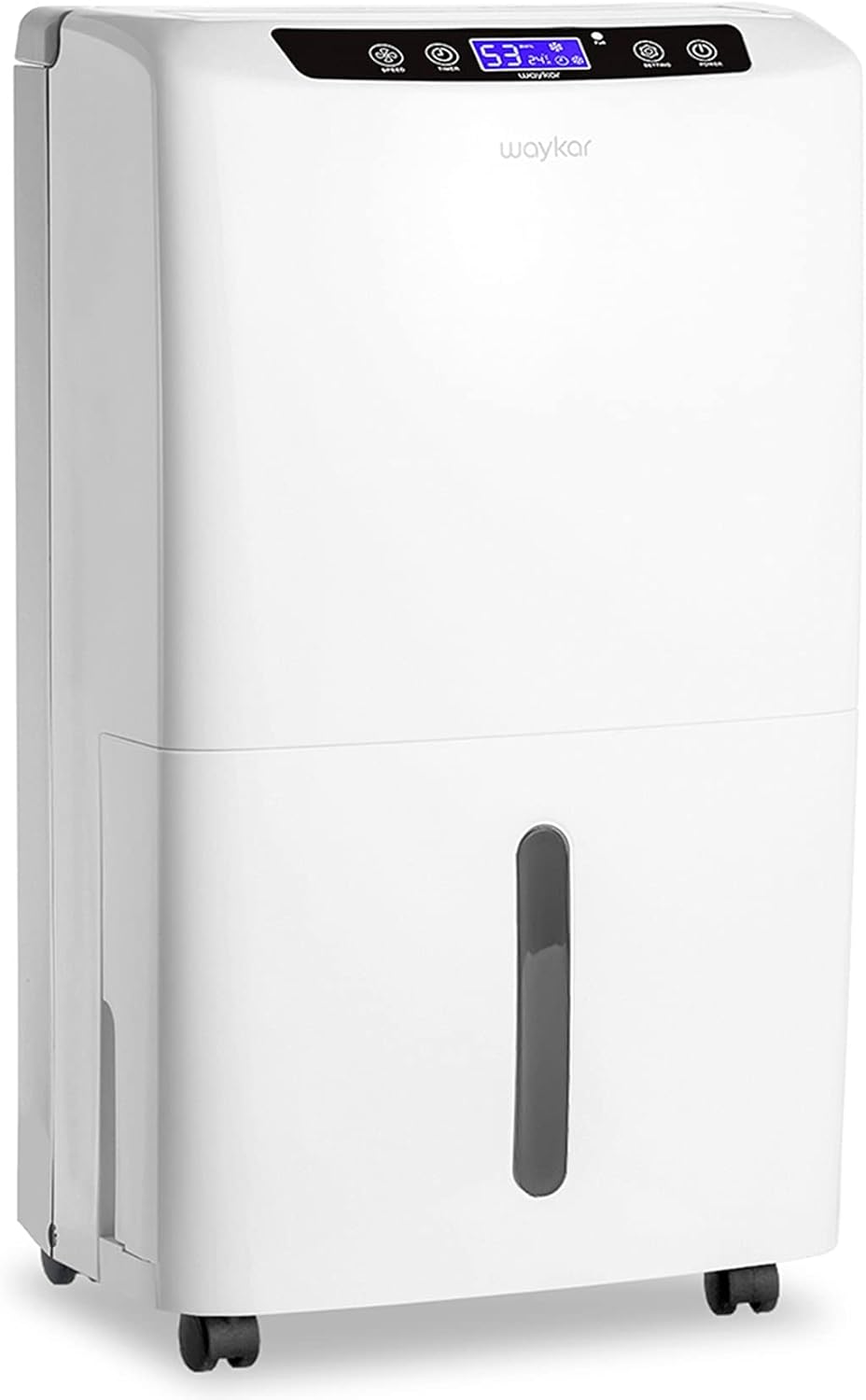
Different Types of Buying Guide
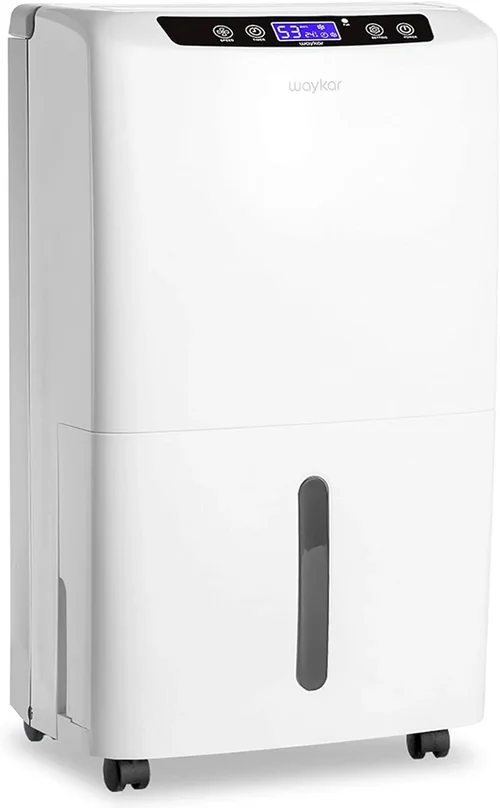
Common Buying Mistakes to Avoid
❌ Mistake: Choosing Based Solely on Price
Why it’s bad: The cheapest dehumidifier often lacks essential features like continuous drainage, precise humidity control, or durable construction. It may also be inefficient, costing more in electricity over time than a slightly pricier but energy-efficient model.
What to do instead: Focus on total cost of ownership—not just upfront price. Factor in energy use, maintenance, and expected lifespan. A $350 ENERGY STAR unit that lasts 8 years is a better value than a $200 model that fails after 2.
❌ Mistake: Ignoring Drainage Needs
Why it’s bad: Relying on manual tank emptying in a high-moisture basement leads to overflow, water damage, and constant maintenance. Many buyers regret not investing in a unit with a drain hose or pump.
What to do instead: Always choose a model with a gravity drain outlet—or better yet, an internal pump—if your basement has persistent dampness. Even if you don’t need it now, it’s a future-proof feature.
❌ Mistake: Overlooking Cold-Weather Performance
Why it’s bad: Standard compressor dehumidifiers lose efficiency below 65°F and may ice up in unheated winter basements, rendering them useless when you need them most.
What to do instead: If your basement gets cold, consider a desiccant dehumidifier or a compressor model with auto-defrost. Check the operating temperature range before buying.
❌ Mistake: Buying the Wrong Size
Why it’s bad: A unit too small for your space will run nonstop, overheat, and fail prematurely. One too large may short-cycle, wasting energy and failing to dehumidify effectively.
What to do instead: Use a sizing chart based on square footage and moisture level (damp, very damp, wet). When in doubt, round up—but not excessively.
❌ Mistake: Neglecting Filter Maintenance
Why it’s bad: Clogged filters restrict airflow, reduce efficiency, and can cause the unit to overheat or shut down. Many users don’t realize filters need monthly cleaning.
What to do instead: Choose a model with a washable, reusable filter and make cleaning it part of your routine. Some units even have filter-cleaning reminders.
❌ Mistake: Skipping Warranty Research
Why it’s bad: Dehumidifiers have complex components (compressors, sensors, pumps) that can fail. Without warranty coverage, repairs can cost nearly as much as a new unit.
What to do instead: Prioritize brands with at least a 2-year warranty and strong customer service reputations. Register your product immediately after purchase.
Budget Guidelines: How Much Should You Spend?
- Entry-Level ($150–$250): These are typically 30–50 pint units suitable for small, mildly damp basements. Expect basic controls, manual drainage, and limited durability. Best for seasonal use or low-risk spaces. Examples: Honeywell TP50WKN, Tosot 50 Pint.
- Mid-Range ($250–$400): The sweet spot for most homeowners. These 50–70 pint models offer digital controls, gravity drain, auto-defrost, and decent energy efficiency. Ideal for average-sized basements with moderate to high humidity. Top picks: Frigidaire FFAD7033R1, hOmeLabs 70 Pint.
- Premium ($400–$700): Designed for serious moisture problems or large spaces. Features include internal pumps, smart connectivity, ultra-quiet operation, and extended warranties. Great for finished basements, workshops, or homes in humid climates. Examples: GE APER70LW, Midea MAD70C1YWS.
- Luxury ($700+): Whole-house or commercial-grade units with advanced humidity sensors, ducting compatibility, and industrial build quality. Often used in flood-prone areas or luxury homes. Brands: AprilAire, Santa Fe.
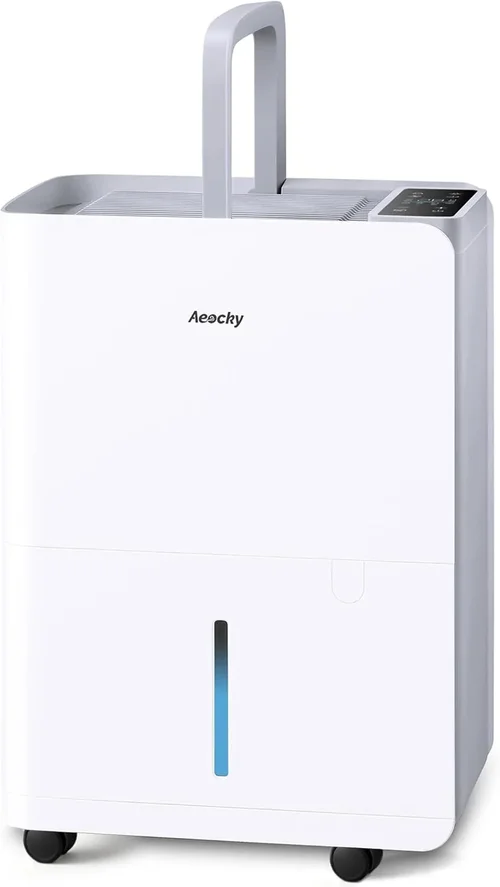
Expert Tips for Getting the Best Deal
- Buy in Spring or Early Summer: Retailers often discount dehumidifiers before peak humidity season (July–August). You’ll find the best selection and prices in April–June.
- Shop Online for Better Selection: Websites like Amazon, Home Depot, and Lowe’s offer detailed specs, user reviews, and frequent promotions. In-store models may be limited or marked up.
- Check for Rebates: Many utility companies offer rebates for ENERGY STAR dehumidifiers—sometimes $30–$100 off. Visit energystar.gov/rebate-finder to search by ZIP code.
- Read Recent Reviews: A model’s performance can change with new production batches. Focus on reviews from the past 6–12 months for accuracy.
- Test Return Policies: Ensure the retailer allows returns within 30–60 days. Some brands (like hOmeLabs) offer 2-year return windows—a huge advantage if the unit doesn’t meet expectations.
- Bundle with Accessories: Look for deals that include drain hoses, extension cords, or replacement filters. These add-ons can cost $30–$50 separately.
- Consider Refurbished Models: Certified refurbished units from reputable sellers (e.g., Frigidaire Factory Certified) often come with full warranties and sell for 20–30% less.

Frequently Asked Questions
Q: How do I know if my basement needs a dehumidifier?
A: Signs include musty odors, visible mold or mildew, condensation on windows or walls, peeling paint, warped wood, or a persistent damp feeling. Use a hygrometer to measure humidity—if it’s consistently above 60%, a dehumidifier is recommended.
Q: Can I use a regular room dehumidifier in my basement?
A: Technically yes, but most room units lack the capacity, durability, and drainage options needed for basements. They’re also not designed for continuous operation in harsh conditions. Always choose a model specifically rated for basement use.
Q: How often should I clean the filter?
A: Clean the air filter every 2–4 weeks during heavy use, or monthly during lighter periods. A clogged filter reduces efficiency by up to 30% and can cause overheating.
Q: Will a dehumidifier lower my heating bills?
A: Indirectly, yes. Dry air feels warmer than humid air at the same temperature, so you may be able to lower your thermostat slightly in winter. However, dehumidifiers consume electricity, so the net savings are usually modest.
Q: Can I run a dehumidifier all the time?
A: Yes—especially if your basement is prone to moisture. Most modern units are designed for 24/7 operation. Just ensure proper drainage and regular maintenance.
Q: What’s the ideal humidity level for a basement?
A: Aim for 30–50% relative humidity. Below 30% can dry out wood and cause static; above 50% encourages mold and dust mites.
Q: Do I need a permit to install a whole-house dehumidifier?
A: Possibly. If the unit connects to your HVAC ductwork or requires electrical modifications, local building codes may require a permit. Consult a licensed HVAC technician.
Q: How long do basement dehumidifiers last?
A: With proper maintenance, most last 5–10 years. Compressor lifespan is the limiting factor—look for models with 5-year compressor warranties as a sign of quality.
Our Final Recommendations
- Best for Budget-Conscious Buyers: hOmeLabs 50 Pint Dehumidifier – Excellent value at under $250, with digital controls, gravity drain, and a washable filter. Ideal for small to mid-sized basements.
- Best Overall Value: Frigidaire FFAD7033R1 – A 70-pint ENERGY STAR leader with precise humidity control, auto-defrost, and quiet operation. Consistently top-rated by users and experts alike.
- Best Premium Option: GE APER70LW with Built-in Pump – Features an internal condensate pump, Wi-Fi connectivity, and robust construction. Perfect for large or finished basements.
- Best for Beginners: Tosot 70 Pint Dehumidifier – Simple interface, reliable performance, and easy setup. Great for first-time buyers who want hassle-free operation.
- Best for Advanced Users: AprilAire E130 – A whole-house powerhouse with ducting compatibility, remote monitoring, and industrial-grade components. For those serious about indoor air quality.
Conclusion: Making the Right Choice
Choosing the best basement dehumidifier isn’t just about picking the biggest or most expensive model—it’s about finding the right balance of capacity, efficiency, features, and durability for your specific needs. Remember: your basement’s environment is unique. A unit that works perfectly for your neighbor might struggle in your space due to differences in square footage, insulation, groundwater exposure, or seasonal temperature swings.
Start by assessing your basement’s moisture level and size, then prioritize features that align with your lifestyle—like continuous drainage if you’re often away, or smart controls if you value remote monitoring. Don’t skimp on build quality or warranty coverage; this is an appliance that will work hard for you year after year. And always read real user reviews to uncover insights that specs alone can’t reveal.
Ultimately, the right dehumidifier won’t just dry your basement—it will protect your home, preserve your belongings, and contribute to a healthier living environment for you and your family. Take your time, do your research, and invest wisely. Your future self (and your basement) will thank you.