
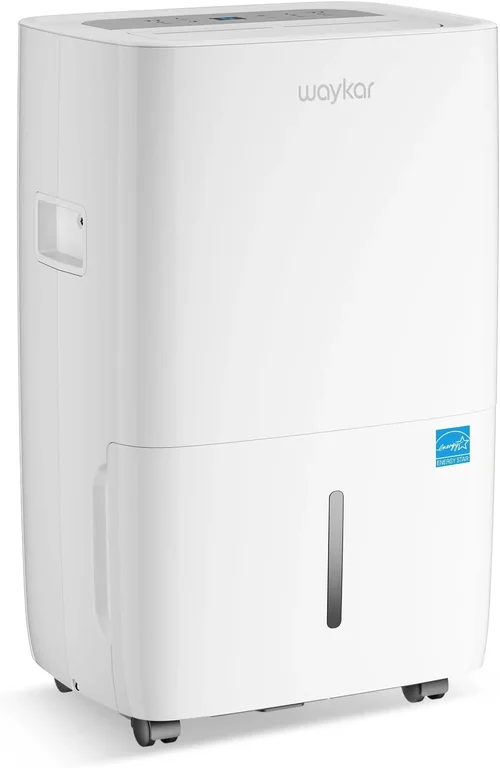
When it comes to maintaining a healthy, comfortable home environment, few appliances are as quietly essential as the dehumidifier. Whether you’re battling musty odors in your basement, trying to protect your wardrobe from mold, or simply aiming to improve indoor air quality, a dehumidifier can make a dramatic difference. But here’s the catch: even the most powerful dehumidifier won’t perform well if it’s placed in the wrong spot. That’s why understanding the best location for a dehumidifier isn’t just a minor detail—it’s a critical factor that determines whether your investment delivers real results or ends up collecting dust in a corner.
This comprehensive guide is designed for homeowners, renters, and property managers who want to maximize the effectiveness of their dehumidifier. We’ll walk you through everything from how humidity behaves in different spaces to the science behind optimal placement. You’ll learn how to assess your home’s unique moisture challenges, choose the right type of dehumidifier for your needs, and position it where it can do the most good. Whether you’re dealing with a damp crawl space, a humid bathroom, or a whole-house moisture issue, this guide will equip you with expert-level knowledge to make informed decisions.
The dehumidifier market has evolved significantly over the past decade. Today’s models range from compact, portable units ideal for small bathrooms to whole-house systems integrated into HVAC setups. With advancements in energy efficiency, smart controls, and noise reduction, there’s never been a better time to invest in one. However, with so many options and placement strategies, it’s easy to feel overwhelmed. That’s where this guide comes in—we’ll cut through the confusion and deliver actionable advice based on real-world performance, manufacturer guidelines, and HVAC best practices.

What to Look for When Buying Buying Guide
1. Budget & Price Range
Your budget plays a pivotal role in determining not only which dehumidifier you can afford but also where you’ll realistically place it. Entry-level models typically cost between $100 and $200 and are best suited for small spaces like closets or single rooms. Mid-range units ($200–$400) offer better capacity, quieter operation, and more features, making them ideal for basements or larger living areas. Premium models ($400–$700) often include smart connectivity, auto-humidistats, and higher extraction rates, while luxury whole-house systems can exceed $1,000 and require professional installation.
It’s important to remember that a cheaper unit placed in the wrong location may cost you more in the long run due to inefficiency or frequent repairs. Conversely, overspending on a high-capacity model for a tiny bathroom is unnecessary. Align your budget with both your space size and humidity level. For example, a $150 dehumidifier might suffice for a 500-square-foot basement with moderate dampness, but a $350 model with a built-in pump and continuous drainage would be far more effective in a flooded crawl space.
2. Performance Specifications
Performance specs are the backbone of any dehumidifier purchase. The most critical metric is pint capacity—the amount of moisture the unit can remove in 24 hours. For reference, a 30-pint model is suitable for spaces up to 1,500 square feet with moderate humidity, while a 70-pint unit is better for large, wet basements or flood-prone areas. However, capacity alone isn’t enough. You also need to consider the unit’s operating temperature range. Most consumer dehumidifiers work best between 65°F and 80°F. If your basement drops below 60°F in winter, you’ll need a cold-weather model designed for low-temperature operation.
Another key spec is energy efficiency, measured in liters per kilowatt-hour (L/kWh) or Energy Factor (EF). Look for units with an ENERGY STAR rating, which indicates they use 15–30% less energy than standard models. This not only reduces your electricity bill but also ensures the unit can run continuously without overheating. Additionally, check the airflow rate (measured in cubic feet per minute, or CFM)—higher CFM means faster air circulation, which improves moisture removal in larger spaces.
3. Build Quality & Durability
A dehumidifier is a long-term investment, so build quality matters. Look for models with sturdy casings, corrosion-resistant coils, and sealed compressors. Units with metal housings tend to last longer than plastic ones, especially in damp environments like basements. Internal components such as the evaporator and condenser coils should be coated to prevent rust, which can degrade performance over time. Also, consider the quality of the water tank—if it’s made of thin plastic, it may crack or leak after repeated use.
Durability also extends to mobility features. Wheels and handles make it easier to move the unit between rooms or store it when not in use. Some premium models include telescoping handles and recessed wheels for a cleaner look. If you plan to use the dehumidifier in multiple locations—say, the basement in summer and the bedroom in winter—portability becomes a major factor. Don’t overlook the power cord length either; a short cord can limit your placement options and force you to use extension cords, which pose safety risks.
4. Features & Functionality
Modern dehumidifiers come packed with features that enhance convenience and performance. The most useful include adjustable humidistats, which let you set your desired humidity level (ideally between 30% and 50%). Auto-defrost prevents ice buildup on coils in cold environments, while auto-restart restores settings after a power outage. A built-in pump is a game-changer for basements without floor drains—it allows continuous drainage to a sink or upstairs window, eliminating the need to empty the tank manually.
Smart features are increasingly common. Wi-Fi-enabled models let you monitor and control humidity levels via smartphone apps, receive alerts when the tank is full, or integrate with home automation systems like Alexa or Google Home. Timers allow you to schedule operation during off-peak hours, saving energy. Some units even include air filters to remove dust, allergens, and odors, doubling as air purifiers. While these features add cost, they can significantly improve usability, especially in hard-to-reach areas.
5. Brand Reputation
Not all dehumidifier brands are created equal. Established names like Frigidaire, Honeywell, GE, and AprilAire have built reputations for reliability, customer service, and consistent performance. These brands often invest more in R&D, resulting in better engineering and longer-lasting products. Reading customer reviews on trusted platforms like Consumer Reports, Amazon, or Home Depot can reveal patterns in performance, noise levels, and common issues.
Avoid unknown or generic brands that offer suspiciously low prices. While they may look similar to name-brand models, they often use inferior components that fail prematurely. A reputable brand also means better access to replacement parts and technical support. If something goes wrong, you’ll appreciate having a company that stands behind its product. Additionally, well-known brands are more likely to offer extended warranties or service plans, giving you peace of mind.
6. Warranty & Support
The warranty is a strong indicator of a manufacturer’s confidence in its product. Most dehumidifiers come with a one-year limited warranty, but premium models may offer two to five years of coverage. Pay attention to what’s included—some warranties cover only parts, while others include labor and shipping. A longer warranty often correlates with higher build quality and better customer support.
Support matters too. Check if the company offers phone, email, or chat support, and whether technicians are available for in-home service. Some brands provide detailed online troubleshooting guides or video tutorials, which can help you resolve minor issues without waiting for a repair. If you’re buying a whole-house system, professional installation is usually required, so ensure the brand partners with certified HVAC technicians in your area.
7. Size & Portability
Dehumidifiers vary widely in size, from compact 20-pint units that fit under a sink to large 70-pint models that resemble mini refrigerators. The physical dimensions matter because they determine where you can place the unit. A bulky dehumidifier might not fit in a tight basement corner or under a staircase. Measure your intended space before buying, and leave at least 6–12 inches of clearance on all sides for proper airflow.
Portability is especially important if you plan to move the unit between rooms. Look for models with integrated handles, smooth-rolling casters, and lightweight designs. Some units weigh over 50 pounds, making them difficult to relocate without help. If you’re placing the dehumidifier in a high-moisture area like a laundry room or bathroom, consider a model with a splash-resistant control panel and sealed electronics to prevent water damage.
8. User Reviews & Ratings
User reviews provide real-world insights that specs alone can’t offer. Look for patterns in feedback—consistent praise for quiet operation or complaints about frequent tank overflows can guide your decision. Pay attention to reviews from users with similar homes or humidity issues. For example, if you have a concrete basement, reviews from others with similar conditions will be more relevant than those from apartment dwellers.
Be wary of fake reviews. Genuine feedback often includes specific details about performance, noise, and ease of use. Sites like Wirecutter, CNET, and Reddit’s r/HomeImprovement community offer balanced, expert-vetted opinions. Also, check the product’s rating distribution—a 4.5-star average with mostly 5-star reviews is more trustworthy than one with a mix of 1-star and 5-star ratings, which may indicate quality control issues.
Different Types of Buying Guide

Common Buying Mistakes to Avoid
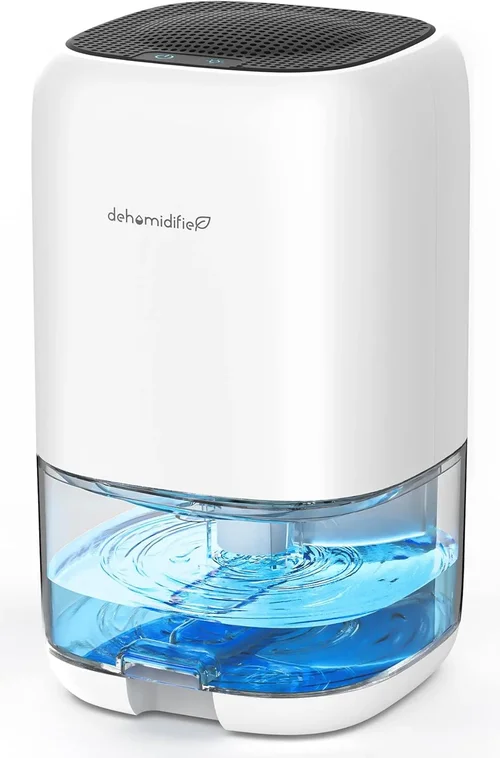
❌ Mistake: Placing the Dehumidifier in a Corner or Against a Wall
Why it’s bad: Dehumidifiers rely on airflow to draw in moist air, cool it to remove moisture, and expel dry air. Blocking the intake or exhaust vents—especially by placing the unit in a tight corner—severely restricts airflow, reducing efficiency by up to 50%. This forces the compressor to work harder, increasing energy use and wear.
What to do instead: Always leave at least 6–12 inches of clearance on all sides, especially near vents. Position the unit in an open area where air can circulate freely. If space is limited, consider a wall-mounted or ceiling-mounted model designed for tight spaces.
❌ Mistake: Ignoring Drainage Options
Why it’s bad: Most dehumidifiers collect water in an internal tank that must be emptied regularly. If you place the unit far from a drain or sink, you’ll need to manually empty it multiple times a day during humid weather. This is inconvenient and can lead to overflow if forgotten.
What to do instead: Choose a location near a floor drain, sink, or window. Opt for a model with a built-in pump or continuous drainage hose. Some units allow you to connect a garden hose for direct drainage outside. This eliminates manual emptying and ensures uninterrupted operation.
❌ Mistake: Using a Unit Too Small for the Space
Why it’s bad: A dehumidifier that’s undersized for the room will run constantly, struggle to lower humidity, and wear out quickly. It may also fail to prevent mold or mildew in high-moisture areas like basements or bathrooms.
What to do instead: Calculate your space’s square footage and assess the humidity level (mild, moderate, or severe). Use manufacturer sizing charts to select a unit with adequate pint capacity. When in doubt, go one size up—better to have excess capacity than insufficient power.
❌ Mistake: Placing the Unit Near Heat Sources or Drafts
Why it’s bad: Heat sources like furnaces, water heaters, or direct sunlight can raise the ambient temperature, causing the dehumidifier to work less efficiently. Drafts from windows or doors can introduce humid outdoor air, counteracting the unit’s efforts.
What to do instead: Avoid placing the dehumidifier near radiators, vents, or sunny windows. Choose a central location away from airflow disruptions. In basements, keep it away from the furnace but still within the main living area for balanced humidity control.
❌ Mistake: Neglecting Regular Maintenance
Why it’s bad: Dust, mold, and mineral buildup on coils and filters can clog the system, reduce airflow, and decrease efficiency. A neglected dehumidifier may also become a breeding ground for bacteria, worsening air quality.
What to do instead: Clean the air filter monthly with warm, soapy water. Wipe down the water tank weekly to prevent slime buildup. Inspect coils annually and use a coil cleaner if necessary. Follow the manufacturer’s maintenance schedule to prolong the unit’s life.
❌ Mistake: Buying Based Solely on Price
Why it’s bad: The cheapest dehumidifier may save you money upfront but cost more in energy bills, repairs, and replacement. Low-cost models often lack essential features like auto-defrost, humidistats, or durable components.
What to do instead: Focus on value, not just price. Consider long-term costs, including energy use, maintenance, and lifespan. A mid-range model with ENERGY STAR certification and a strong warranty often provides better ROI than a bargain bin special.
❌ Mistake: Overlooking Noise Levels
Why it’s bad: Dehumidifiers can be noisy, especially older compressor models. Placing a loud unit in a bedroom, home office, or living room can disrupt sleep, work, or relaxation.
What to do instead: Check the decibel (dB) rating—ideally below 50 dB for quiet operation. Desiccant models are generally quieter than compressor types. Place noisy units in isolated areas like basements or utility rooms, away from living spaces.
Budget Guidelines: How Much Should You Spend?
Entry-Level ($50–$150): These mini or compact dehumidifiers are ideal for small, enclosed spaces like closets, bathrooms, or RVs. They typically remove 10–20 pints per day and lack advanced features. While affordable, they’re not suitable for large or high-humidity areas. Expect basic controls, small tanks, and limited durability. Best for occasional use or supplemental moisture control.
Mid-Range ($150–$400): This is the sweet spot for most homeowners. These units offer 30–50 pint capacity, adjustable humidistats, auto-defrost, and quieter operation. Many include continuous drainage options and ENERGY STAR ratings. Perfect for basements, laundry rooms, or medium-sized living areas. You’ll get reliable performance, decent build quality, and a balance of features and affordability.
Premium ($400–$700): Designed for serious moisture problems, these models feature high extraction rates (50–70 pints), built-in pumps, smart controls, and superior filtration. They’re ideal for flood-prone basements, large homes, or humid climates. Expect durable construction, longer warranties, and advanced diagnostics. These units often pay for themselves through energy savings and reduced mold damage.
Luxury ($800+): Whole-house dehumidifiers fall into this category. Integrated with your HVAC system, they provide consistent humidity control throughout the entire home. These systems require professional installation and maintenance but offer unparalleled convenience and efficiency. Best for large homes, humid regions, or allergy sufferers who need whole-home air quality management.
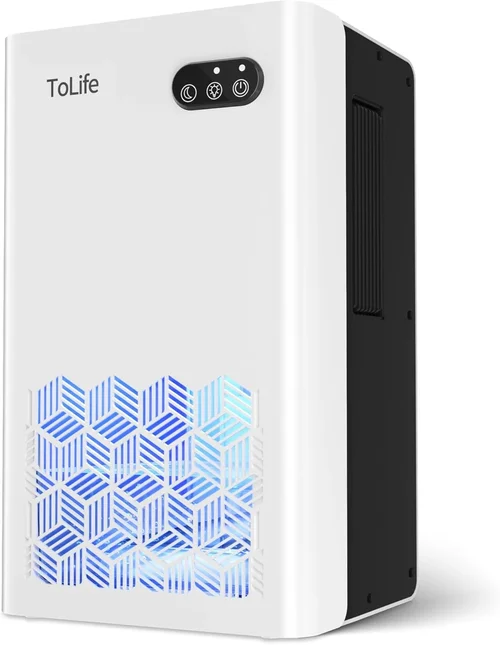
Expert Tips for Getting the Best Deal
- Buy During Off-Peak Seasons: Dehumidifiers are in highest demand during summer and hurricane season. Prices tend to drop in late fall and winter. Shopping between November and February can save you 10–20% on mid-range and premium models.
- Shop at Authorized Retailers: Purchase from trusted sellers like Home Depot, Lowe’s, Amazon, or the manufacturer’s website. Avoid third-party sellers with unclear return policies. Authorized retailers often offer extended warranties, free shipping, and better customer support.
- Look for Bundle Deals: Some brands offer discounts when you buy a dehumidifier with an air purifier or humidifier. These bundles can save you $50–$100 and provide comprehensive air quality solutions.
- Check for Rebates and Incentives: Many utility companies offer rebates for energy-efficient appliances. Visit your provider’s website or check the ENERGY STAR rebate finder to see if you qualify for cash back or discounts.
- Read the Fine Print on Warranties: A longer warranty is great, but only if it covers labor and parts. Some “extended” warranties are just marketing gimmicks. Always read the terms to understand what’s included and for how long.
- Test Before Committing: If possible, run the dehumidifier in your intended location for a few days. Monitor humidity levels with a hygrometer and note noise, drainage, and ease of use. This real-world test can reveal issues not apparent in reviews.
- Consider Refurbished Models: Certified refurbished dehumidifiers from reputable brands often come with warranties and sell for 20–40% less than new. They’re a great way to get premium features at a mid-range price.
- Negotiate with HVAC Contractors: If you’re installing a whole-house system, get quotes from multiple contractors. Some may offer discounts for bundling with other HVAC services like duct cleaning or furnace maintenance.

Frequently Asked Questions
Q: Where is the best place to put a dehumidifier in a basement?
A: The ideal location is near the center of the basement, away from walls and furniture, with at least 6–12 inches of clearance. Avoid corners and areas near the furnace or water heater. If possible, place it close to a floor drain or sump pump for continuous drainage. For best results, run the unit continuously during humid months and use a hygrometer to monitor humidity levels.
Q: Can I put a dehumidifier in a closet?
A: Yes, but only if the closet is well-ventilated and the dehumidifier has proper airflow. Use a compact or mini model designed for small spaces. Ensure the unit isn’t blocked by clothes or shelves, and empty the tank regularly. For walk-in closets, consider a model with a built-in pump or hose for drainage.
Q: Should a dehumidifier be on or off at night?
A: It should generally remain on, especially in humid climates or during summer. Modern dehumidifiers are designed for 24/7 operation and include auto-shutoff when the tank is full. If noise is a concern, choose a quiet model or place it in a remote area like a basement.
Q: How far should a dehumidifier be from the wall?
A: At least 6–12 inches from any wall, furniture, or obstruction. This ensures unrestricted airflow through the intake and exhaust vents. Blocking airflow reduces efficiency and can cause the unit to overheat.
Q: Can a dehumidifier be too big for a room?
A: Yes. An oversized unit may cycle on and off too frequently, leading to inefficient operation and reduced lifespan. It can also over-dry the air, causing discomfort or static electricity. Choose a model matched to your room size and humidity level.
Q: Do dehumidifiers use a lot of electricity?
A: It depends on the model and usage. ENERGY STAR-certified units use 15–30% less energy than standard models. A 50-pint dehumidifier typically uses 500–700 watts. Running it 8–12 hours a day may add $10–$20 to your monthly electric bill. Use timers and humidistats to minimize runtime.
Q: Can I run a dehumidifier continuously?
A: Yes, most modern dehumidifiers are designed for continuous operation. Features like auto-defrost, auto-restart, and overflow protection make them safe to run 24/7. Just ensure the tank is emptied or drained regularly.
Q: What humidity level should I set my dehumidifier to?
A: The ideal indoor humidity level is between 30% and 50%. Levels above 60% promote mold and dust mites, while levels below 30% can cause dry skin and respiratory irritation. Use a hygrometer to monitor and adjust settings accordingly.
Q: Can a dehumidifier help with allergies?
A: Yes. By reducing moisture, dehumidifiers inhibit the growth of mold, mildew, and dust mites—common allergens. Pairing a dehumidifier with an air purifier can significantly improve indoor air quality for allergy sufferers.
Q: How often should I clean my dehumidifier?
A: Clean the air filter monthly, the water tank weekly, and the coils annually. Regular maintenance ensures optimal performance, prevents odors, and extends the unit’s lifespan. Always unplug the unit before cleaning.
Our Final Recommendations
Best for Budget-Conscious Buyers: hOmeLabs 30 Pint Dehumidifier – At under $200, this model offers excellent value with a 30-pint capacity, adjustable humidistat, and quiet operation. Ideal for small basements or large closets. Includes a washable filter and easy-roll wheels.
Best Overall Value: Frigidaire FFAD7033R1 70 Pint Dehumidifier – A top performer in the mid-range category, this ENERGY STAR-certified unit removes up to 70 pints per day, features a built-in pump, and operates quietly. Perfect for large, damp basements with continuous drainage needs.
Best Premium Option: AprilAire E080 Pro 80 Pint Whole-House Dehumidifier – For whole-home humidity control, this professionally installed system integrates with your HVAC and maintains consistent moisture levels. Ideal for humid climates or large homes with chronic dampness.
Best for Beginners: Eva-Dry E-333 Mini Dehumidifier – A simple, no-frills option for small spaces like bathrooms or closets. Uses desiccant technology, requires no power, and is silent. Great for first-time users or supplemental moisture control.
Best for Advanced Users: AprilAire E130V3 130 Pint Smart Dehumidifier – Packed with smart features, including Wi-Fi connectivity, remote monitoring, and integration with home automation systems. Designed for tech-savvy homeowners who want precise, automated humidity control.
Conclusion: Making the Right Choice
Choosing the best location for a dehumidifier is just as important as selecting the right model. A well-placed unit can transform a damp, musty space into a dry, comfortable environment, protecting your home from mold, mildew, and structural damage. By considering factors like room size, humidity level, drainage options, and airflow, you can maximize efficiency and get the most value from your investment.
Remember, there’s no one-size-fits-all solution. Your ideal placement will depend on your home’s unique layout, climate, and moisture sources. Use the guidelines in this guide to assess your needs, avoid common pitfalls, and make an informed decision. Whether you’re buying a compact unit for a closet or a whole-house system for your entire home, proper placement is the key to success.
Take the time to research, compare models, and test your setup. With the right dehumidifier in the right spot, you’ll enjoy better air quality, lower energy bills, and a healthier living space for years to come. Don’t wait for mold to appear or odors to linger—act now and breathe easier tomorrow.