
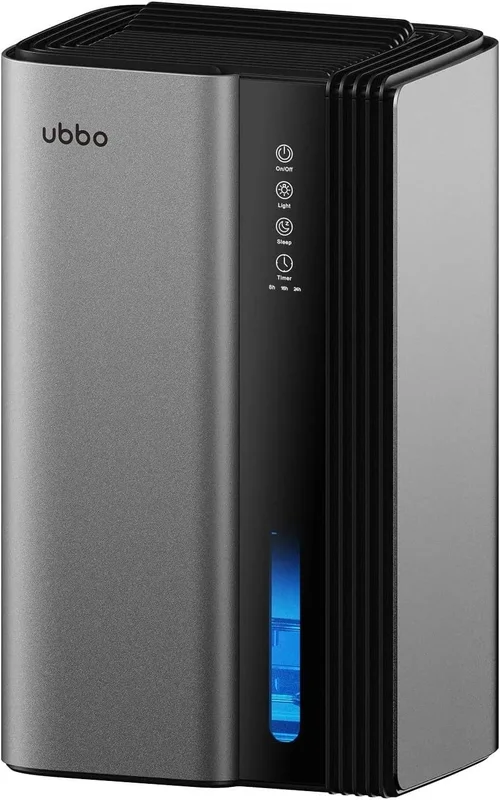
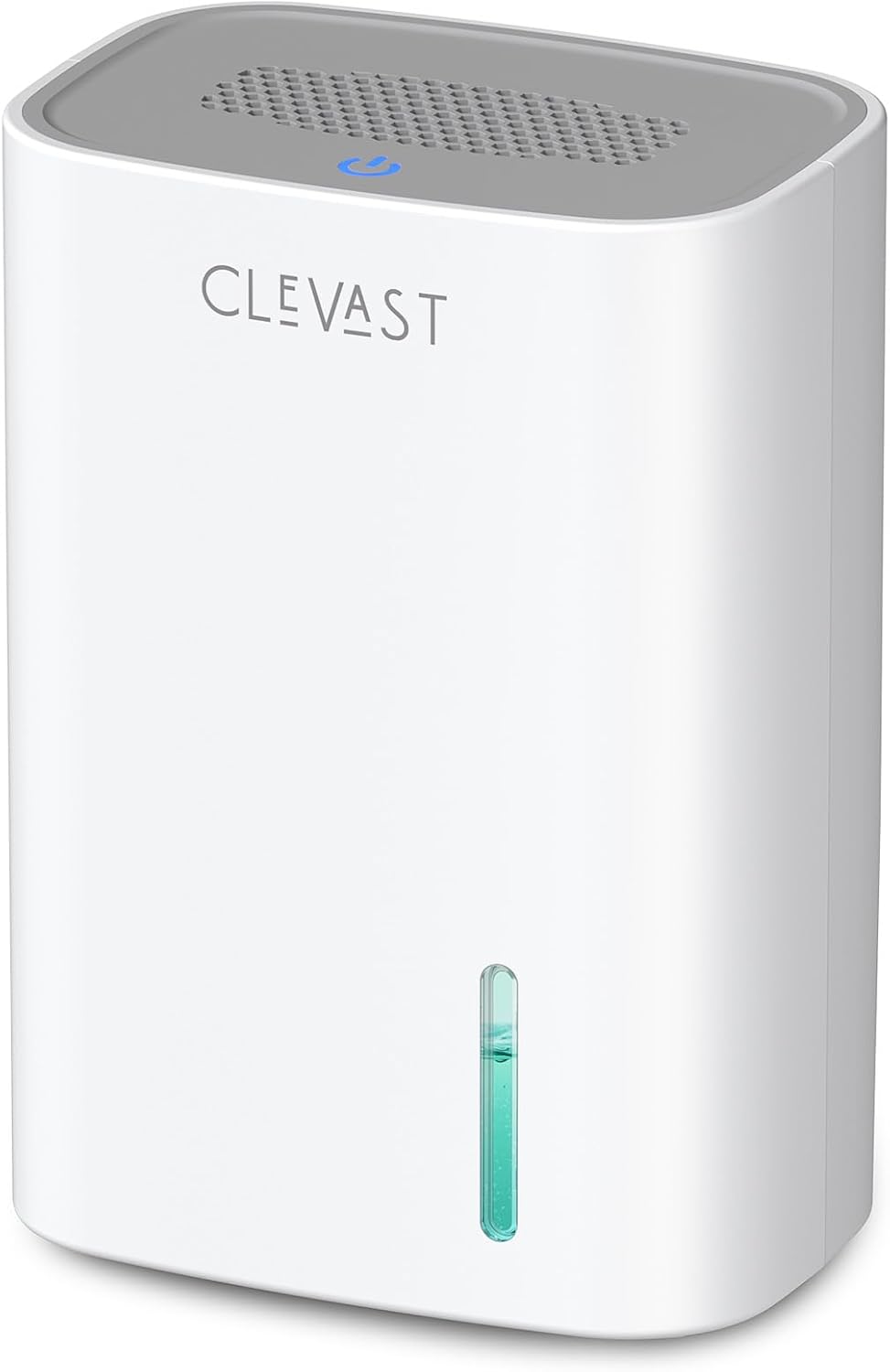
Dealing with excess moisture in small spaces can be a frustrating and often overlooked problem. Whether it’s a damp closet, a musty bathroom, a cramped basement corner, or even your car during rainy seasons, high humidity doesn’t just cause unpleasant odors—it can lead to mold growth, damage to belongings, and even health issues like allergies or respiratory irritation. That’s where a mini dehumidifier comes in. These compact, energy-efficient devices are designed to tackle moisture in confined areas where full-sized units would be overkill or impractical.
But not all mini dehumidifiers are created equal. With dozens of models flooding the market—ranging from ultra-cheap gadgets that barely work to premium units packed with smart features—it’s easy to feel overwhelmed. Some promise quiet operation but sound like a mini jet engine; others claim to extract gallons of water per day but struggle with even moderate humidity. Choosing the right one requires understanding your specific needs, knowing what specs actually matter, and avoiding common pitfalls that lead to buyer’s remorse.
This comprehensive guide is here to help you navigate the crowded mini dehumidifier landscape with confidence. You’ll learn exactly what to look for—from performance metrics and build quality to noise levels and smart functionality—so you can make an informed decision tailored to your space and budget. We’ll break down the different types available, highlight frequent mistakes shoppers make, provide realistic budget expectations, and share expert tips for getting the best value. By the end, you’ll have everything you need to pick a mini dehumidifier that works reliably, lasts long, and keeps your small spaces fresh and dry.
—

What to Look for When Buying Buying Guide
1. Moisture Removal Capacity (Pints per Day)
The most critical specification for any dehumidifier—mini or full-size—is its moisture removal capacity, typically measured in pints per day (PPD). This tells you how much water the unit can extract from the air within a 24-hour period under standard conditions (usually 60% relative humidity at 80°F). For mini dehumidifiers, this number typically ranges from 0.5 to 3 pints per day.
Why does this matter? Because if your device can’t keep up with the humidity level in your space, it will run constantly without making a dent in dampness. For example, a closet with mild moisture might only need a 0.5–1 PPD unit, while a damp bathroom after showers could require 2–3 PPD. Always match the capacity to your room size and humidity severity. Oversized units may cycle on and off too frequently, while undersized ones will struggle and wear out faster.
Look for models that specify both “ideal” and “maximum” extraction rates. Some manufacturers inflate numbers by testing under unrealistic conditions. A good rule of thumb: if a mini dehumidifier claims more than 3 PPD, verify independent testing or user reviews—it’s likely exaggerated.
2. Room Size Coverage
Mini dehumidifiers are designed for small spaces, but “small” can mean anything from a 50-square-foot closet to a 300-square-foot basement nook. Most manufacturers list a recommended coverage area (e.g., “up to 200 sq ft”), but these estimates often assume average humidity. In reality, factors like ventilation, temperature, and moisture sources (like a leaky pipe or frequent showers) drastically affect performance.
Always choose a unit rated for a space slightly larger than your actual area. For instance, if your bathroom is 100 sq ft, opt for a model rated for 150–200 sq ft. This buffer ensures the dehumidifier can handle spikes in humidity without overworking. Also, consider whether the space is enclosed or open—mini units work best in sealed environments where air circulates well.
If you’re placing the dehumidifier in a walk-in closet, ensure there’s enough clearance around it for airflow. Blocking vents reduces efficiency and can cause overheating.
3. Noise Level (Decibel Rating)
Since mini dehumidifiers are often used in bedrooms, bathrooms, or living areas, noise is a major consideration. Unlike industrial units, these devices should operate quietly enough not to disturb sleep or conversation. Most mini dehumidifiers produce between 35 and 50 decibels (dB)—comparable to a whisper (30 dB) or a quiet library (40 dB).
Compressor-based models tend to be louder (45–50 dB) due to the mechanical components, while thermoelectric (Peltier) units are nearly silent (35–40 dB) but less powerful. If you’re sensitive to sound—especially at night—prioritize thermoelectric designs. However, note that even quiet units may emit a faint hum or occasional gurgling as water drains, which is normal.
Check product specs for dB ratings, but also read user reviews. Manufacturers sometimes underreport noise levels. Real-world feedback is invaluable here.
💡 Pro Tip:
4. Energy Efficiency & Power Consumption
Mini dehumidifiers are generally low-wattage devices, but their energy use adds up over time—especially if they run continuously. Most consume between 20 and 70 watts, depending on the technology and settings. Thermoelectric models are the most energy-efficient (20–40W), while compressor-based ones use more power (50–70W) but offer better performance in humid conditions.
Look for units with auto-shutoff, humidity sensors, or programmable timers. These features prevent the device from running unnecessarily when the air is already dry, saving both energy and wear on the unit. Some advanced models even include Energy Star certification, though this is rare in the mini category.
Calculate your potential electricity cost: If a 50W unit runs 8 hours a day at $0.15/kWh, it costs about $1.80 per month. Not huge, but worth considering if you plan to use it year-round.
5. Water Tank Capacity & Drainage Options
All mini dehumidifiers collect moisture in an internal tank that must be emptied manually—unless they offer continuous drainage. Tank sizes vary from 0.2 liters (about 7 oz) to over 1 liter (34 oz). Smaller tanks require frequent emptying (daily or multiple times a day in high-humidity areas), which can be inconvenient.
If you don’t want to babysit the unit, look for models with:
– A larger tank (0.8L or more)
– Continuous drainage via a hose attachment (some include a small outlet for a standard aquarium tube)
– Auto-shutoff when the tank is full (essential to prevent spills)
For bathrooms or basements, continuous drainage is a game-changer. Just run a tube to a sink, floor drain, or sump pump. Note that not all mini units support this—compressor models are more likely to include drain ports than thermoelectric ones.
6. Build Quality & Durability
Cheap plastic housings, flimsy controls, and weak seals can turn a promising purchase into a disappointment within months. A well-built mini dehumidifier should feel solid, with smooth buttons, secure tank latches, and minimal creaking or flexing.
Pay attention to the condenser and coil materials. Stainless steel or coated aluminum resists corrosion better than bare copper, especially in damp environments. Also, check if the unit has overheat protection or tip-over shutoff—safety features that prevent fires or damage if knocked over.
Brand reputation plays a role here. Established names like Eva-Dry, hOmeLabs, Pro Breeze, and Ivation often use higher-grade components and rigorous testing. Avoid no-name brands with vague specifications and no customer support.
7. Smart Features & Automation
Modern mini dehumidifiers increasingly include smart capabilities that enhance convenience and efficiency. Key features to look for:
– Humidity sensor with auto mode: The unit monitors ambient humidity and adjusts fan speed or shuts off when target levels are reached (e.g., 45–50% RH).
– Digital display: Shows current humidity, tank status, and settings.
– Timer function: Lets you schedule operation (e.g., run for 2 hours after showering).
– Wi-Fi/app control: Rare but emerging—allows remote monitoring via smartphone.
– Filter indicator: Alerts you when the air filter needs cleaning.
While not essential, these features reduce manual intervention and optimize performance. Auto mode is particularly valuable—it prevents over-drying (which wastes energy) and under-drying (which leaves moisture behind).
8. Portability & Design
Since mini dehumidifiers are meant for small, often hard-to-reach spaces, their physical design matters. Look for:
– Compact footprint (under 12” x 8”)
– Lightweight construction (under 5 lbs)
– Integrated handle or ergonomic shape for easy carrying
– Cord storage or retractable plug
Aesthetics count too—if it’s going in a bedroom or living area, a sleek, neutral design blends in better than a bulky, industrial look. Some models even double as nightlights or air purifiers, adding多功能性.
Avoid units with exposed coils or sharp edges—these can be hazardous in homes with kids or pets.
9. Warranty & Customer Support
A mini dehumidifier is a long-term investment, so protect it with a solid warranty. Most reputable brands offer 1–2 years of coverage, with some extending to 3 years for premium models. Read the fine print: Does it cover parts, labor, and shipping? Are there exclusions for misuse or commercial use?
Customer support is equally important. Can you reach a real person quickly? Are replacement parts (like filters or tanks) readily available? Brands with responsive support teams (e.g., Eva-Dry, Ivation) earn trust through reliability.
Avoid sellers who only offer “90-day limited warranties” or no contact information at all—these are red flags for low-quality products.
—
Different Types of Buying Guide
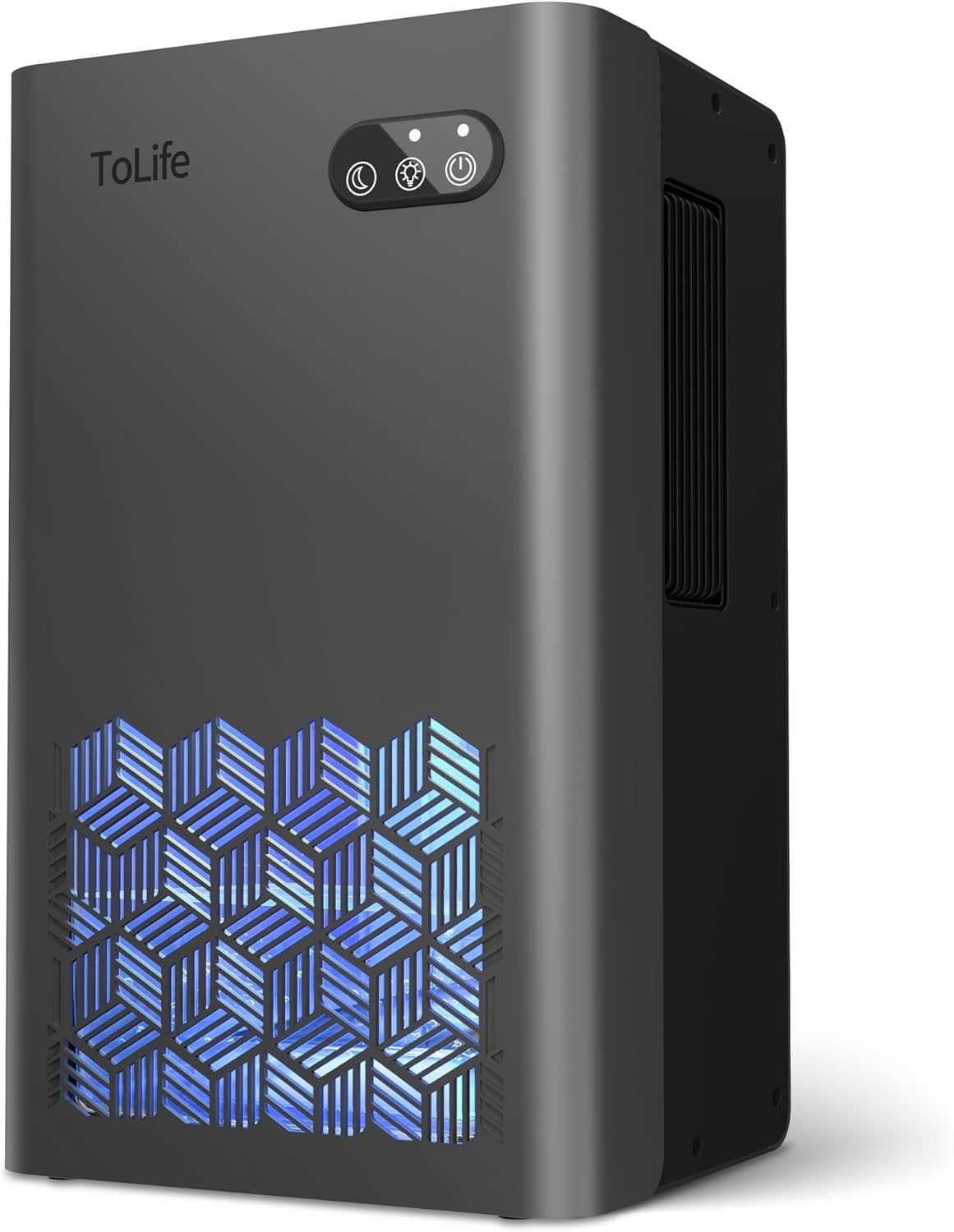
Each type serves a distinct purpose. Thermoelectric models excel in quiet, low-power scenarios but struggle in high humidity. Compressor-based units deliver stronger performance but cost more and use more energy. Desiccant dehumidifiers are perfect for off-grid or portable use but require periodic recharging (usually by plugging in for 8–12 hours). Smart models add convenience but come at a premium. Multi-function units offer added value if you also need air cleaning.
Choose based on your primary use case—not marketing hype. A $30 desiccant puck won’t replace a $120 compressor unit in a damp basement, and a high-end smart model may be overkill for a rarely used closet.
—
Common Buying Mistakes to Avoid
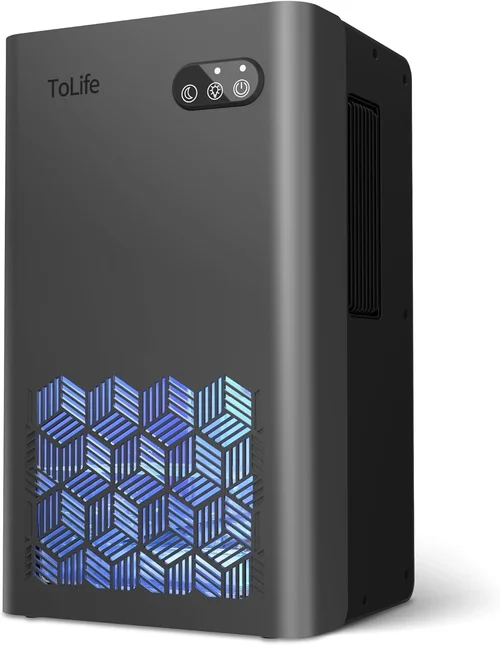
❌ Mistake: Ignoring Actual Room Conditions
Why it’s bad: Buying a dehumidifier based solely on square footage without considering humidity sources, temperature, or airflow leads to poor performance. A 100-sq-ft bathroom with daily showers needs far more capacity than a 100-sq-ft closet with minimal moisture.
What to do instead: Assess your space holistically. Ask: How often is the room used? Are there water sources (leaks, showers, laundry)? Is it well-ventilated? Use a hygrometer ($10–$20) to measure actual humidity levels. Aim for 30–50% RH. Then select a unit rated for those conditions—not just size.
❌ Mistake: Choosing the Cheapest Option Without Checking Reviews
Why it’s bad: Ultra-low-cost mini dehumidifiers (under $20) often use inferior components, have inaccurate sensors, or fail within weeks. They may also lack safety features like auto-shutoff, posing fire or spill risks.
What to do instead: Spend at least $30–$40 for a reliable thermoelectric model or $70+ for compressor-based. Read verified buyer reviews on Amazon, Best Buy, or specialty forums. Look for consistent feedback on durability, noise, and real-world performance—not just star ratings.
❌ Mistake: Overlooking Tank Size and Emptying Frequency
Why it’s bad: A tiny 0.2L tank in a humid bathroom may need emptying 3–4 times a day. This quickly becomes tedious and defeats the purpose of “set it and forget it.”
What to do instead: Match tank capacity to your usage. For daily use in high-moisture areas, choose 0.8L or larger. Or invest in a model with continuous drainage. If manual emptying is unavoidable, place the unit near a sink or bucket for easy access.
❌ Mistake: Assuming All “Mini” Units Are Equal
Why it’s bad: “Mini” is a marketing term, not a technical standard. Some “mini” dehumidifiers are just shrunk-down versions of full-size units with compromised performance. Others are glorified moisture absorbers.
What to do instead: Focus on specs, not labels. Check PPD, wattage, dB, and tank size. Compare apples to apples: a true mini dehumidifier should be under 15” tall, weigh less than 8 lbs, and be designed for spaces under 300 sq ft.
❌ Mistake: Neglecting Maintenance Requirements
Why it’s bad: Dust-clogged filters, algae-filled tanks, and corroded coils reduce efficiency and can breed bacteria. Many users abandon their dehumidifiers because they stop working—often due to neglect.
What to do instead: Clean the air filter monthly with mild soap and water. Empty and wipe the tank weekly. Inspect coils for dust buildup. Follow the manufacturer’s maintenance guide. A well-maintained unit lasts 3–5 years or more.
❌ Mistake: Buying Without Considering Noise in Living Spaces
Why it’s bad: A noisy dehumidifier in a bedroom or nursery can disrupt sleep, especially if it cycles on frequently. Compressor models may be too loud for quiet environments.
What to do instead: Prioritize thermoelectric units for bedrooms or nurseries. Check dB ratings and user comments about noise. Test the unit during the day before relying on it at night.
❌ Mistake: Skipping the Return Window
Why it’s bad: Some dehumidifiers perform well initially but degrade quickly. Others have hidden defects. If you don’t test thoroughly within the return period, you’re stuck with a dud.
What to do instead: Run the unit continuously for 3–5 days in your intended space. Monitor humidity levels, noise, tank filling rate, and any error messages. If it underperforms or malfunctions, return it immediately.
—
Budget Guidelines: How Much Should You Spend?
– Entry-Level ($25 – $50): Ideal for very small, low-humidity spaces like closets, gun safes, or RVs. Expect thermoelectric or desiccant technology, small tanks (0.2–0.5L), basic controls, and limited durability. Best for occasional use. Brands: Eva-Dry E-333, Dry-Packs.
– Mid-Range ($50 – $100): The sweet spot for most buyers. Offers better build quality, larger tanks (0.6–1L), auto-shutoff, and improved moisture removal (1–2 PPD). Includes both thermoelectric and entry-level compressor models. Great for bathrooms, laundry nooks, and small basements. Brands: Pro Breeze, Ivation, hOmeLabs.
– Premium ($100 – $150): For serious moisture problems or frequent use. Features compressor-based systems, continuous drainage, digital displays, humidity sensors, and quieter operation. Suitable for damp basements, large bathrooms, or whole-room coverage up to 300 sq ft. Brands: Ivation IVADM10, hOmeLabs HME020034N.
– Luxury ($150+): Top-tier performance with smart features, Wi-Fi connectivity, multi-functionality (air purifying, nightlight), and extended warranties. Designed for tech enthusiasts, smart homes, or those needing maximum convenience and reliability. Brands: EcoSeb, AlorAir (select models).
Investing in the mid-to-premium range typically yields the best long-term value. Cheap units save money upfront but often cost more in replacements and frustration.
—
Expert Tips for Getting the Best Deal
– Buy off-season: Dehumidifiers are in highest demand during humid summer months. Shop in late fall or winter (October–February) for discounts of 20–30%. Retailers clear inventory before new models arrive.
– Check warehouse clubs and outlet stores: Costco, Sam’s Club, and BJ’s often carry name-brand mini dehumidifiers at reduced prices with generous return policies.
– Use price tracking tools: Set alerts on CamelCamelCamel (for Amazon) or Honey to notify you when prices drop on specific models.
– Look for bundle deals: Some sellers include extra filters, drain hoses, or hygrometers at no extra cost—especially during holiday sales.
– Verify warranty registration: Register your product immediately after purchase to activate full coverage. Keep receipts and serial numbers accessible.
– Test before committing: If buying in-store, ask to see a demo unit. Listen for noise, check button responsiveness, and inspect build quality.
– Consider refurbished units: Certified refurbished models from reputable sellers (e.g., Amazon Renewed, manufacturer outlets) offer significant savings with full warranties.
– Read the return policy carefully: Ensure you have at least 30 days to return. Some retailers charge restocking fees or require original packaging.
—
Frequently Asked Questions
Q: Can a mini dehumidifier replace a full-size unit?
A: Not usually. Mini dehumidifiers are designed for small, enclosed spaces (under 300 sq ft). For whole-house or large basement dehumidification, a full-size compressor unit (50+ PPD) is necessary. However, multiple mini units can be used in different rooms if needed.
Q: Do mini dehumidifiers use a lot of electricity?
A: No—most use 20–70 watts, comparable to a LED light bulb. Running one 8 hours a day costs less than $2/month. Thermoelectric models are the most efficient.
Q: How often should I empty the water tank?
A: It depends on humidity and tank size. In high-moisture areas, every 12–24 hours. In closets, every 2–3 days. Models with auto-shutoff prevent overflow.
Q: Can I leave a mini dehumidifier on all the time?
A: Yes, if it has auto-shutoff and overheat protection. Most modern units are designed for continuous operation. Just ensure proper ventilation and regular maintenance.
Q: Do mini dehumidifiers work in cold temperatures?
A: Thermoelectric models lose efficiency below 65°F. Compressor-based units work better in cooler temps (down to 40°F), making them better for basements or garages.
Q: Are rechargeable desiccant dehumidifiers effective?
A: Yes, for very small, sealed spaces like safes or drawers. They absorb moisture passively and are “recharged” by plugging in for 8–12 hours. Not suitable for open rooms.
Q: Will a mini dehumidifier prevent mold?
A: It can significantly reduce mold risk by maintaining humidity below 50%. However, it won’t fix existing mold or leaks—address the source first.
Q: Can I use a mini dehumidifier in my car?
A: Yes, especially thermoelectric or desiccant types. Place it on the dashboard or floor. Ensure it’s secured and won’t block vents. Avoid leaving it in direct sunlight.
Q: Do I need an air filter?
A: Most mini dehumidifiers include a basic mesh filter to catch dust. Clean it monthly. If you have allergies, consider a model with a HEPA or carbon filter.
Q: How long do mini dehumidifiers last?
A: With proper care, 3–5 years. Thermoelectric units may last longer due to fewer moving parts, but compressor models offer better long-term performance in humid climates.
—
Our Final Recommendations
– Best for Budget-Conscious Buyers: Eva-Dry E-333 Renewable Mini Dehumidifier – At under $30, this desiccant unit is perfect for closets, safes, and small spaces. No power needed, silent, and reusable. Limited to very low moisture levels.
– Best Overall Value: Pro Breeze Electric Mini Dehumidifier – Around $60, this thermoelectric model offers 10-ounce tank, auto-shutoff, and quiet operation. Ideal for bathrooms and bedrooms. Reliable and well-reviewed.
– Best Premium Option: Ivation IVADM10 Small Compressor Dehumidifier – Priced at $130–$150, it delivers 12 PPD, continuous drainage, digital display, and robust build. Perfect for damp basements or large bathrooms.
– Best for Beginners: Dry-Packs 4000ml Mini Dehumidifier – Simple plug-and-play design, large 1.3L tank, and intuitive controls. Great for first-time users who want hassle-free operation.
– Best for Advanced Users: EcoSeb DD122EA-SIMPLE Desiccant Dehumidifier – Compact, energy-efficient, and capable of handling moderate humidity with near-silent operation. Includes timer and auto-restart after power outage.
—
Conclusion: Making the Right Choice
Selecting the best mini dehumidifier isn’t about finding the most expensive or feature-packed model—it’s about matching the right tool to your specific needs. Whether you’re fighting closet mildew, bathroom steam, or basement dampness, the ideal unit will quietly, efficiently, and reliably maintain healthy humidity levels without breaking the bank or demanding constant attention.
Remember: prioritize moisture removal capacity, room size, noise, and tank drainage above all else. Don’t be swayed by flashy marketing—focus on real-world performance, build quality, and user feedback. And always consider your long-term usage: a slightly higher upfront cost often translates to years of trouble-free service.
By following this guide, you’re equipped to cut through the noise, avoid common pitfalls, and choose a mini dehumidifier that truly delivers. Your spaces will stay fresher, your belongings safer, and your peace of mind intact. Now go find the perfect fit—and breathe easier knowing your humidity problem is solved.