
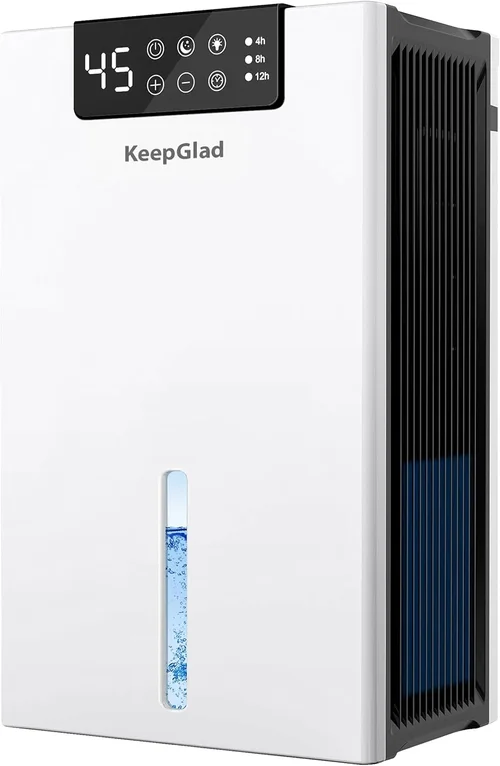
When it comes to maintaining a healthy, comfortable home environment, few appliances are as quietly essential as the dehumidifier. Whether you’re battling musty odors in your basement, trying to prevent mold growth in a humid climate, or simply aiming to improve indoor air quality for allergy sufferers, proper dehumidifier placement can make or break your efforts. Yet, despite their growing popularity, many homeowners still struggle with one critical question: Where should I put my dehumidifier? The answer isn’t always obvious—and getting it wrong can lead to wasted energy, reduced efficiency, and even damage to your home or unit.
This comprehensive buying guide is designed to cut through the confusion and empower you with expert-level knowledge on dehumidifier placement in 2026. We’ll explore not only where to position your unit but also why certain locations work better than others, how different home layouts affect performance, and what features to prioritize when selecting a model that fits your specific needs. Whether you live in a compact apartment, a sprawling suburban house, or a historic home with unique airflow challenges, this guide will help you make informed decisions that maximize comfort, efficiency, and long-term value.
The dehumidifier market has evolved significantly over the past few years, with smarter sensors, Wi-Fi connectivity, improved energy efficiency, and quieter operation becoming standard across many models. Brands like Frigidaire, hOmeLabs, GE, Midea, and AprilAire now offer units tailored to everything from small bedrooms to full-home whole-house systems. However, even the most advanced dehumidifier won’t perform optimally if it’s placed incorrectly. That’s why understanding placement strategy is just as important as choosing the right capacity or brand. In this guide, we’ll walk you through every factor that influences effective dehumidifier use—from room size and humidity sources to ventilation, noise concerns, and smart home integration—so you can confidently select and position a unit that delivers real results.
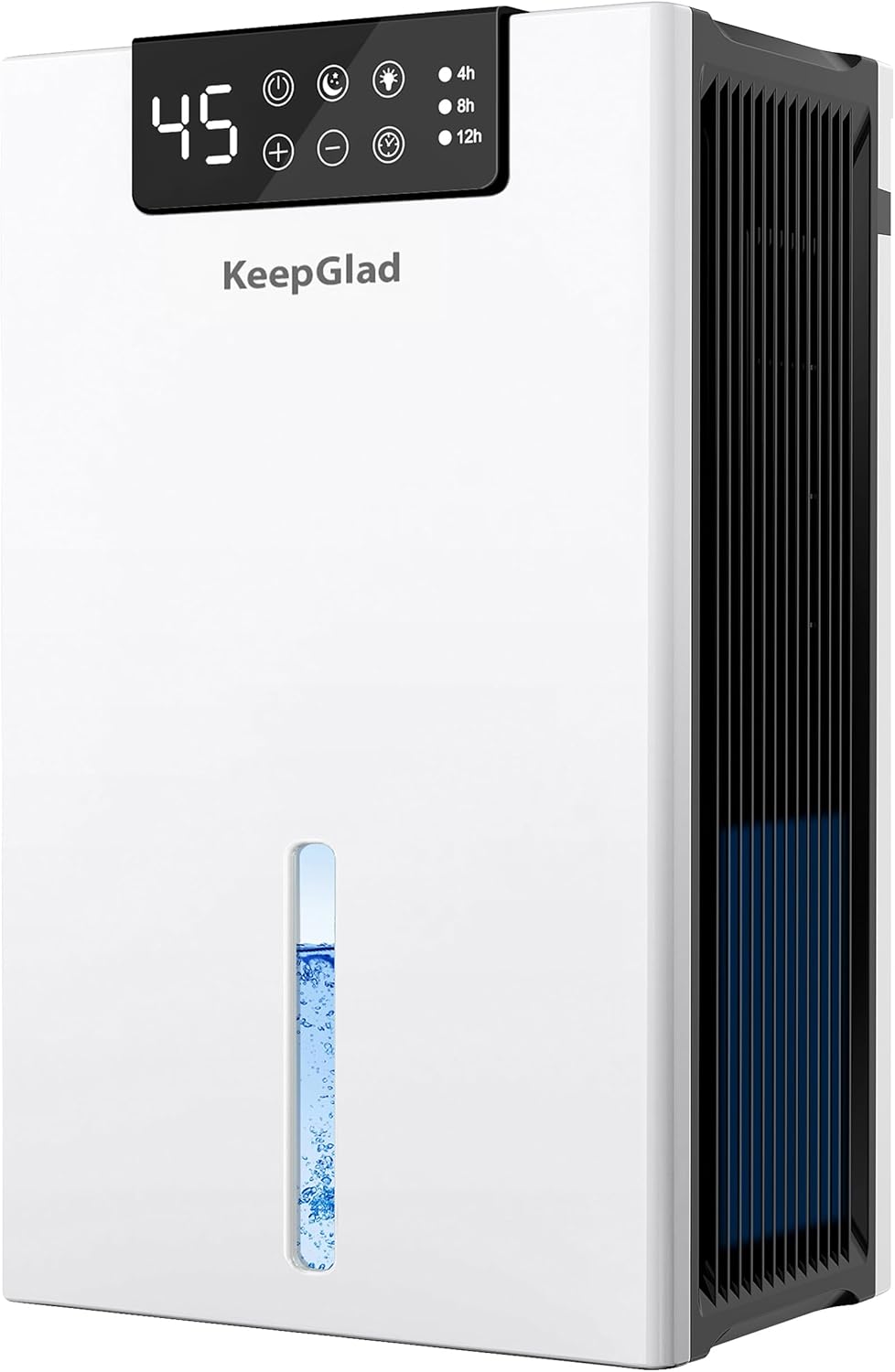
What to Look for When Buying Buying Guide
1. Room Size & Coverage Area
One of the most critical factors in both selecting and placing a dehumidifier is matching the unit’s capacity to the square footage and moisture level of the space it will serve. Dehumidifiers are rated by how many pints of moisture they can remove per day (e.g., 30-pint, 50-pint, 70-pint), but these ratings assume standard conditions—typically 60% relative humidity at 80°F. In real-world scenarios, especially in damp basements or high-humidity climates, you may need a larger capacity than the label suggests.
To determine the right size, start by measuring the square footage of the area you want to dehumidify. Then assess the moisture level: Is it just slightly damp, or do you see visible mold, standing water, or a persistent musty smell? For example, a 500-square-foot basement with moderate dampness might do well with a 30-pint unit, but the same space with active water intrusion could require a 70-pint model. Placement matters here too—if your unit is too small for the room, placing it centrally won’t compensate for its inability to circulate air effectively. Always err on the side of a slightly oversized unit rather than one that’s undersized, as overworking a small dehumidifier leads to premature wear and higher energy bills.
2. Humidity Source & Airflow Patterns
Understanding where moisture is entering your home is key to strategic placement. Common sources include basements (due to ground seepage or poor drainage), bathrooms (from showers and baths), laundry rooms (from dryers venting indoors), and crawl spaces. Once you identify the primary source, place the dehumidifier as close to it as possible—but not so close that it obstructs airflow or creates safety hazards.
Air circulation plays a huge role in performance. Dehumidifiers work by drawing in moist air, removing the moisture, and blowing dry air back out. If the unit is tucked into a corner or blocked by furniture, it can’t pull in enough humid air to be effective. Ideally, position it in an open area with at least 6–8 inches of clearance on all sides. In multi-room spaces like open-plan living areas, consider placing the unit near the center or where airflow naturally converges (e.g., near stairwells leading down to basements). For homes with central HVAC systems, some experts recommend placing a portable unit near return air vents to help distribute drier air throughout the house.
3. Noise Level & Living Comfort
Dehumidifiers aren’t silent—they use compressors and fans that generate noise, typically ranging from 45 to 65 decibels (dB). While that’s quieter than a normal conversation (about 60 dB), it can still be disruptive in bedrooms, home offices, or nurseries. If you’re placing a dehumidifier in a frequently used living space, prioritize models with low-noise operation (under 50 dB) or those with “quiet mode” settings.
Placement can also mitigate noise. Avoid putting the unit directly against walls or in enclosed closets, as this can amplify sound through resonance. Instead, place it on a soft surface like a rubber mat or carpet to dampen vibrations. In bedrooms, consider running the dehumidifier only during daytime hours or using a timer function to limit nighttime operation. Some newer smart models even adjust fan speed based on humidity levels, reducing noise when full power isn’t needed.
4. Drainage & Maintenance Access
Most dehumidifiers collect water in an internal bucket that needs regular emptying—usually every 12 to 24 hours, depending on humidity levels. If you don’t want to manually empty the tank daily, look for models with continuous drainage options. These allow you to attach a hose that directs water directly into a floor drain, utility sink, or sump pump pit.
Placement must accommodate drainage logistics. If you’re using a hose, ensure the dehumidifier is positioned within reach of a drain or sump pit. In basements, this is often straightforward, but in above-ground rooms like bathrooms or laundry areas, you may need to run a hose through a wall or window (with proper sealing to prevent drafts). Also, leave enough space around the unit for easy access to the water bucket, filter, and control panel. Cluttered placement not only hampers maintenance but can also restrict airflow and reduce efficiency.
5. Energy Efficiency & Operating Costs
Dehumidifiers can be energy hogs, especially if run continuously. The U.S. Department of Energy recommends looking for units with the ENERGY STAR label, which indicates they meet strict efficiency guidelines—using about 15–30% less energy than standard models. However, even an efficient unit will cost more to operate if placed poorly.
For example, placing a dehumidifier in a hot attic or near a heat source (like a furnace or water heater) forces it to work harder, increasing energy consumption. Similarly, running it in a room with open windows or poor insulation wastes energy as humid outdoor air constantly re-enters. To maximize efficiency, place the unit in a climate-controlled space with minimal air exchange. Many modern dehumidifiers include built-in hygrometers and auto-shutoff features that turn the unit off once target humidity is reached—use these wisely by setting your desired level between 30% and 50%, the ideal range for health and comfort.
6. Smart Features & Remote Monitoring
In 2026, smart dehumidifiers are no longer niche—they’re mainstream. Features like Wi-Fi connectivity, app control, voice assistant compatibility (Alexa, Google Assistant), and real-time humidity monitoring allow you to optimize placement and usage remotely. For instance, you can check humidity levels in your basement from your phone and adjust settings without going downstairs.
When leveraging smart features, consider placement that ensures strong Wi-Fi signal strength. Avoid putting the unit in metal enclosures, behind thick concrete walls, or far from your router. Some models also support geofencing, which automatically turns on when you’re away (to prevent mold) and off when you return. If you travel frequently or have vacation homes, this feature can be a game-changer—but only if the unit is placed where it can effectively monitor and control the environment.
7. Safety & Electrical Considerations
Dehumidifiers draw significant electrical current, so proper placement includes ensuring access to a grounded outlet with sufficient amperage. Never use extension cords, as they can overheat and pose fire risks. In damp areas like basements, use GFCI (Ground Fault Circuit Interrupter) outlets to prevent electrical shock.
Also, keep the unit away from water sources unless it’s specifically designed for wet environments. While most dehumidifiers can handle condensation, submerging them or placing them in standing water is extremely dangerous. If your basement floods regularly, consider a whole-house dehumidifier installed by a professional rather than relying on a portable unit.
8. Aesthetics & Space Constraints
Let’s face it—dehumidifiers aren’t the most attractive appliances. But that doesn’t mean they have to ruin your décor. Many newer models feature sleek, modern designs in neutral colors that blend into living spaces. If visibility is a concern, consider placing the unit behind furniture (with adequate clearance), in a utility closet, or in a less-trafficked area like a laundry room or garage.
However, never sacrifice function for form. Hiding a dehumidifier in a cramped closet without ventilation will cause it to overheat and fail prematurely. If space is tight, look for compact or stackable models, or consider under-counter units designed for kitchens or wet bars. Some homeowners even build custom enclosures with louvered doors to allow airflow while concealing the unit.
Different Types of Buying Guide

Common Buying Mistakes to Avoid
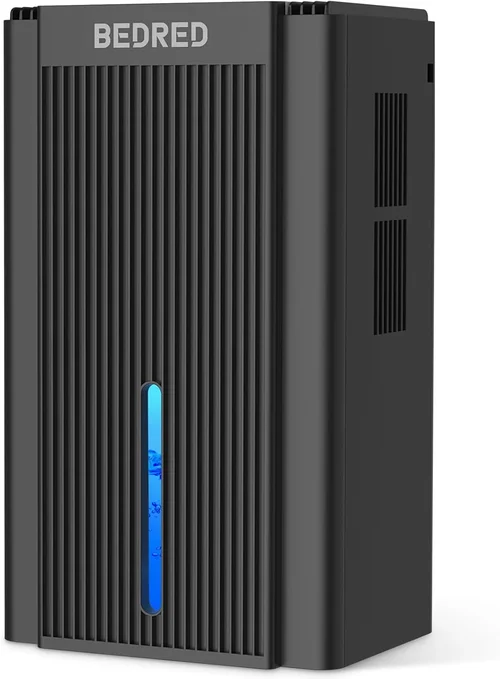
❌ Mistake: Placing the Dehumidifier in a Corner or Behind Furniture
Why it’s bad: Blocking airflow severely limits the unit’s ability to draw in moist air and expel dry air. This leads to inefficient operation, longer run times, and increased wear on the compressor.
What to do instead: Position the dehumidifier in an open area with at least 6–8 inches of clearance on all sides. If space is limited, choose a model with 360-degree air intake or front-facing vents.
❌ Mistake: Ignoring the Water Bucket Capacity
Why it’s bad: A small bucket fills quickly in humid conditions, causing the unit to shut off until manually emptied. This interrupts dehumidification and can lead to mold growth.
What to do instead: Choose a model with a large-capacity bucket (2+ gallons) or opt for continuous drainage. If using a hose, ensure it’s routed to a reliable drain point.
❌ Mistake: Running the Unit in Unoccupied or Sealed Rooms
Why it’s bad: Dehumidifiers work best when air circulates. Sealing a room (e.g., closing all doors and windows) traps dry air but prevents the unit from accessing new sources of moisture, reducing effectiveness.
What to do instead: Allow some airflow between rooms, especially if the humidity source is elsewhere. Use fans to help circulate air if needed.
❌ Mistake: Overlooking Filter Maintenance
Why it’s bad: A clogged filter restricts airflow, forcing the unit to work harder and consume more energy. It can also lead to overheating and premature failure.
What to do instead: Clean or replace the air filter every 4–6 weeks during peak usage. Choose models with washable, reusable filters to save money and reduce waste.
❌ Mistake: Buying Based Solely on Price
Why it’s bad: Cheap dehumidifiers often lack durability, efficiency, and essential features like auto-defrost or humidity sensors. They may cost more in the long run due to higher energy bills and frequent replacements.
What to do instead: Prioritize ENERGY STAR certification, solid warranties, and reputable brands. A mid-range model often offers the best balance of cost and performance.
❌ Mistake: Placing Near Heat Sources or in Direct Sunlight
Why it’s bad: High ambient temperatures reduce dehumidification efficiency and can trigger thermal overload protection, causing the unit to shut down.
What to do instead: Keep the dehumidifier away from furnaces, water heaters, radiators, and sunny windows. Ideal operating temperature is between 65°F and 80°F.
❌ Mistake: Not Considering Seasonal Usage
Why it’s bad: Humidity levels fluctuate with the seasons. Using a summer-only strategy in winter (or vice versa) can lead to underuse or damage (e.g., frozen coils in cold basements).
What to do instead: Use desiccant dehumidifiers in cold months or choose compressor models with auto-defrost. Store the unit properly during off-seasons.
Budget Guidelines: How Much Should You Spend?
Entry-Level ($100–$200): These are typically small, 20–30 pint units ideal for closets, RVs, or very small rooms. Expect basic controls, manual drainage, and higher noise levels. While affordable, they may lack durability and efficiency. Best for occasional use or low-humidity environments.
Mid-Range ($200–$400): This is the sweet spot for most homeowners. You’ll find 30–50 pint models with ENERGY STAR ratings, digital hygrometers, auto-restart, and continuous drainage options. Brands like hOmeLabs, Frigidaire, and GE offer reliable performance, quiet operation, and user-friendly interfaces. Perfect for basements, laundry rooms, and medium-sized living areas.
Premium ($400–$700): These units offer advanced features like Wi-Fi connectivity, smart sensors, larger tanks (3+ gallons), and superior build quality. Models from Midea, Tosot, and AprilAire excel in efficiency and longevity. Ideal for tech-savvy users or those with persistent humidity issues.
Luxury ($700+): Whole-house dehumidifiers and high-capacity commercial-grade units fall into this category. They integrate with HVAC systems, offer professional installation, and provide whole-home coverage. While expensive upfront, they deliver unmatched convenience and air quality for large or high-end homes.
Expert Tips for Getting the Best Deal
– Buy During Off-Peak Seasons: Prices drop significantly in winter (January–March) when demand is lowest. Retailers often clear inventory before summer, offering discounts of 20–30%.
– Check Retailer Return Policies: Some stores allow 30–90 days to return or exchange. This gives you time to test placement and performance before committing.
– Look for Bundle Deals: HVAC companies sometimes offer discounts when pairing a dehumidifier with air purifier or duct cleaning services.
– Use Price Tracking Tools: Websites like Honey, CamelCamelCamel, or Google Shopping can alert you to price drops on specific models.
– Consider Refurbished or Open-Box Units: Certified refurbished models from reputable sellers often come with warranties and cost 20–40% less than new.
– Read User Reviews Carefully: Pay attention to comments about noise, durability, and real-world performance—not just specs.
– Test Placement Before Finalizing: Run the unit in different locations for a few days to see where it performs best. Use a standalone hygrometer to verify humidity levels.
– Negotiate Installation Costs: For whole-house systems, get multiple quotes and ask about seasonal promotions or rebates from utility companies.
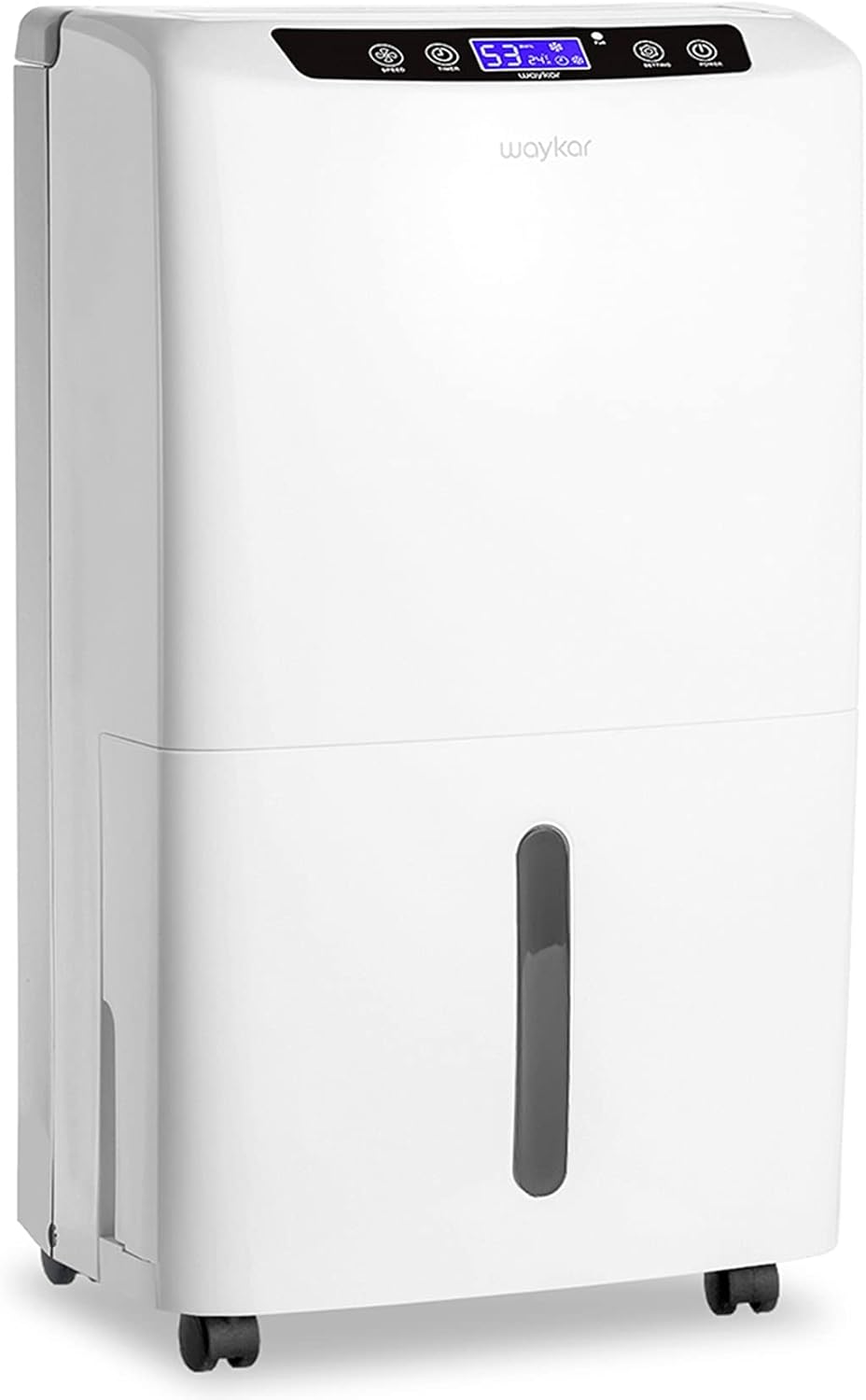
Frequently Asked Questions
Q: Should I run my dehumidifier continuously?
A: Not necessarily. Most modern units have built-in humidistats that turn the compressor on and off to maintain your set humidity level (ideally 30–50%). Running it continuously wastes energy and may over-dry the air, causing discomfort or static electricity. Use the auto mode unless you have severe moisture issues.
Q: Can I place a dehumidifier in my bedroom?
A: Yes, but choose a quiet model (under 50 dB) and avoid placing it directly next to your bed. Run it during the day or use a timer to limit nighttime operation. Ensure the room has some airflow—don’t seal it completely.
Q: How often should I empty the water bucket?
A: It depends on humidity levels and bucket size. In high-humidity areas, you may need to empty it daily. Check the indicator light or use a model with a full-tank alert. For convenience, opt for continuous drainage.
Q: Will a dehumidifier help with mold?
A: Yes, but only if placed correctly and used consistently. Lowering humidity below 50% inhibits mold growth. However, existing mold should be cleaned professionally before relying on a dehumidifier for prevention.
Q: Can I use a dehumidifier in a crawl space?
A: Yes, but portable units are often impractical due to access and drainage issues. Consider a dedicated crawl space dehumidifier with a condensate pump and sealed design, or consult a professional for encapsulation options.
Q: Do dehumidifiers cool the air?
A: No—they remove moisture, not heat. However, drier air feels cooler and more comfortable, which may reduce the need for air conditioning. The unit itself emits a small amount of heat as a byproduct of operation.
Q: How do I know if my dehumidifier is working?
A: Use a hygrometer to measure humidity levels. You should see a drop from initial readings (e.g., from 65% to 45%) within 24–48 hours. Also, check the water bucket—if it’s collecting water, the unit is functioning.
Q: Can I move my dehumidifier from room to room?
A: Yes, portable models are designed for this. However, frequent moving can reduce efficiency, as each room may have different humidity levels and airflow patterns. For whole-home control, consider a whole-house system.
Q: Is it safe to leave a dehumidifier on when I’m away?
A: Generally yes, especially if it has auto-shutoff, tip-over protection, and a reliable drainage system. Smart models with alerts add extra peace of mind. Avoid leaving it in areas prone to flooding.
Q: What’s the difference between a dehumidifier and an air purifier?
A: A dehumidifier removes moisture from the air to prevent mold and mildew. An air purifier removes particles like dust, pollen, and smoke. They serve different purposes—but some combo units offer both functions.
Our Final Recommendations
Best for Budget-Conscious Buyers: hOmeLabs 30-Pint Dehumidifier – Reliable, ENERGY STAR certified, and priced under $200. Great for small basements or apartments with moderate humidity.
Best Overall Value: Frigidaire FFAD7033R1 70-Pint Dehumidifier – Excellent capacity, quiet operation, and continuous drainage. Ideal for large basements or high-humidity homes.
Best Premium Option: Midea MAD50C1ZWS 50-Pint Smart Dehumidifier – Wi-Fi enabled, app-controlled, and ultra-quiet. Perfect for tech enthusiasts who want remote monitoring and automation.
Best for Beginners: GE APER50LZ 50-Pint Dehumidifier – Simple controls, clear display, and reliable performance. Easy to set up and maintain, even for first-time users.
Best for Advanced Users: AprilAire E130 Whole-House Dehumidifier – Professional-grade, integrates with HVAC, and covers up to 7,000 sq. ft. Ideal for large homes or severe humidity problems.
Conclusion: Making the Right Choice
Choosing the right dehumidifier is only half the battle—where you place it determines whether it delivers real value or becomes a noisy, inefficient appliance gathering dust in the corner. By understanding your home’s unique humidity challenges, prioritizing airflow and accessibility, and selecting a model that matches your space and lifestyle, you can transform your indoor environment into a healthier, more comfortable haven.
Remember, the best placement isn’t always the most obvious one. It’s the spot that balances proximity to moisture sources, ease of maintenance, noise considerations, and energy efficiency. Whether you’re tackling a damp basement, protecting cherished belongings in a closet, or ensuring whole-home comfort, thoughtful placement paired with the right unit will yield lasting results.
As you move forward, don’t rush the decision. Take time to measure your space, assess your needs, and compare features. Use the tips and guidelines in this guide to avoid common pitfalls and maximize your investment. And when in doubt, consult a professional—especially for whole-house systems or complex installations.
Your home deserves clean, balanced air. With the right dehumidifier—and the right placement—you’ll breathe easier, sleep better, and protect your property for years to come. Start today, and make 2026 the year you finally conquer indoor humidity for good.