
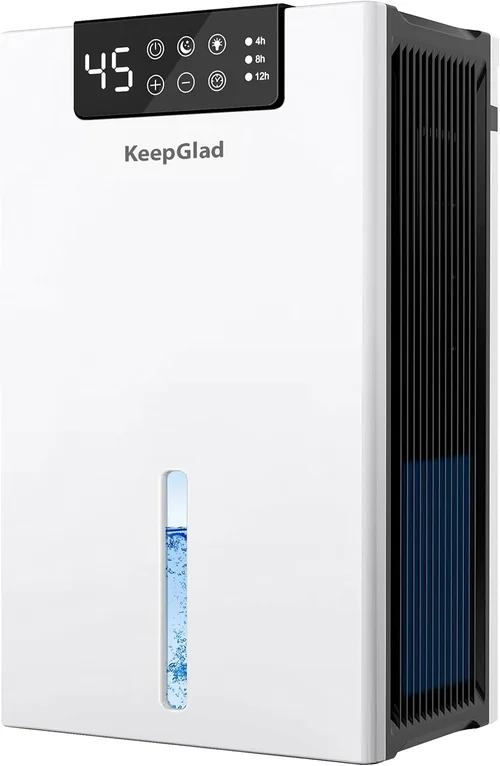
Dehumidifiers are essential appliances for maintaining a healthy, comfortable indoor environment—especially in humid climates or during the sticky summer months. Whether you’re battling damp basements, preventing mold growth, protecting sensitive electronics, or simply improving air quality for allergy sufferers, the right dehumidifier can make a world of difference. But here’s the catch: even the best dehumidifier won’t perform optimally if it’s not set up correctly. Many people buy a high-quality unit only to be frustrated by poor performance, excessive noise, or skyrocketing energy bills—all because they didn’t understand how to configure the settings properly.
This guide is designed to cut through the confusion and give you expert-level insight into the best dehumidifier settings for your specific needs. You’ll learn how to choose the right model based on your space, climate, and lifestyle, how to configure humidity levels, fan speeds, timers, and other features for maximum efficiency, and how to avoid common pitfalls that can undermine your investment. We’ll also cover budget considerations, brand comparisons, and maintenance tips so you can get the most value from your purchase. Whether you’re a first-time buyer or upgrading an older unit, this comprehensive guide will empower you to make an informed decision and keep your home dry, fresh, and energy-efficient.
The dehumidifier market has exploded in recent years, with options ranging from compact 30-pint units for small bedrooms to industrial-grade 70-pint+ machines capable of handling entire homes or commercial spaces. Brands like Frigidaire, hOmeLabs, GE, Midea, and AprilAire dominate the space, offering everything from basic plug-and-play models to smart-enabled systems with Wi-Fi connectivity and app control. With so many choices, it’s easy to feel overwhelmed—but understanding the core factors that influence performance and usability will help you narrow down your options and find the perfect fit. Let’s dive into what matters most when buying and setting up a dehumidifier.
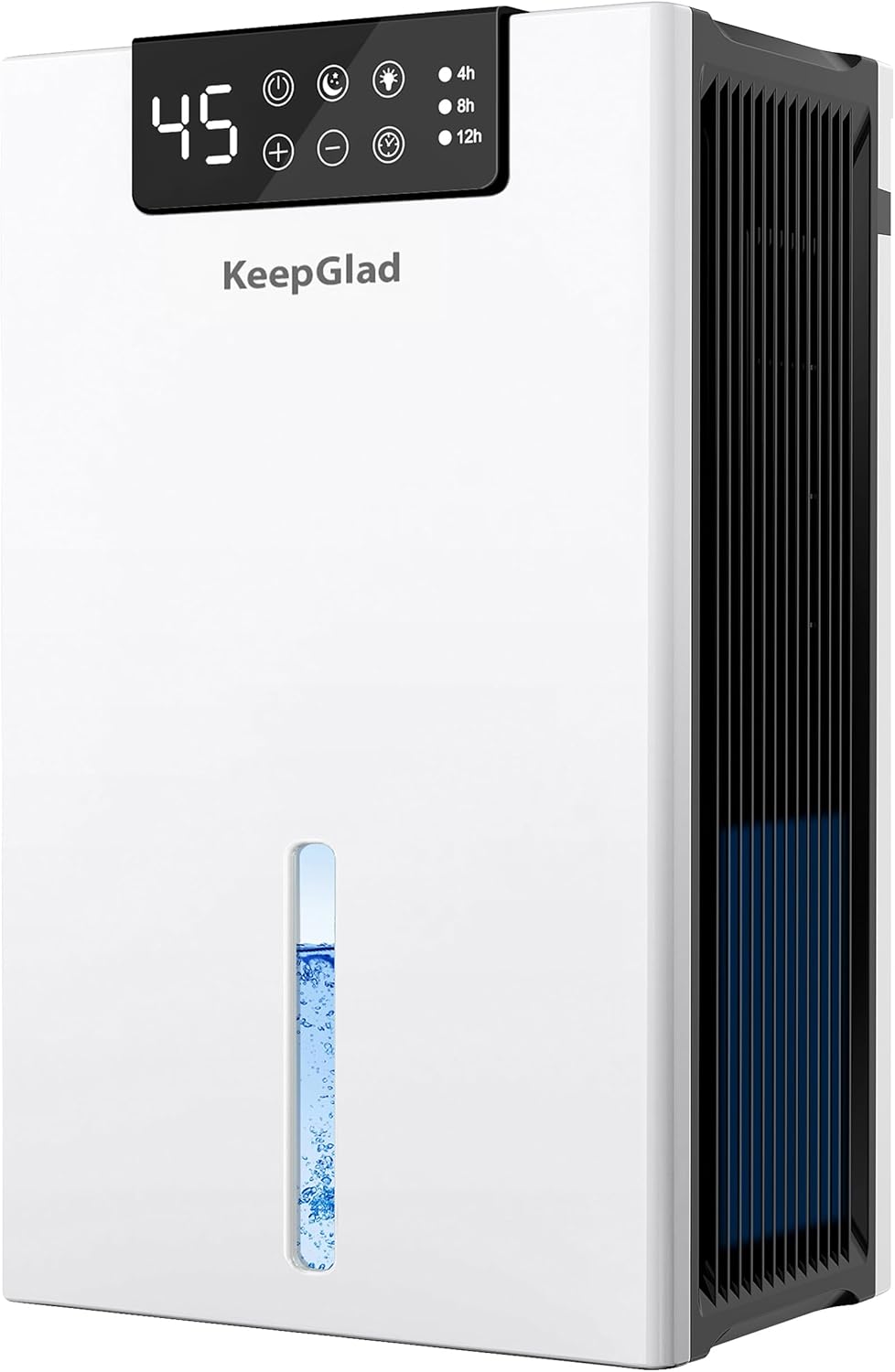
What to Look for When Buying Buying Guide
1. Budget & Price Range
Your budget plays a crucial role in determining which dehumidifier you can afford, but it shouldn’t be the only factor guiding your decision. Dehumidifiers typically range from under $100 for small, portable models to over $500 for high-capacity, feature-rich units. While it’s tempting to go for the cheapest option, skimping on quality often leads to higher long-term costs due to inefficiency, frequent repairs, or premature replacement. A mid-range dehumidifier ($150–$300) usually offers the best balance of performance, durability, and features for most households. Consider your usage frequency, room size, and local humidity levels when setting your budget. If you live in a consistently damp area or have a large basement, investing in a more robust model may save you money on energy and maintenance down the line.
2. Performance Specifications
Performance specs are the backbone of any dehumidifier evaluation. The most important metric is pint capacity—the amount of moisture the unit can remove in 24 hours under standard conditions (usually 60% relative humidity at 80°F). For example, a 30-pint dehumidifier is suitable for spaces up to 500 square feet, while a 50-pint model handles up to 1,500 square feet. Larger areas or extremely humid environments may require 70-pint or higher capacities. Also check the energy efficiency rating, measured in liters per kilowatt-hour (L/kWh) or Energy Star certification. Higher efficiency means lower operating costs. Look for models with adjustable humidity settings (typically between 30% and 80% RH), auto-defrost (for cold environments), and continuous drainage options if you plan to run the unit unattended for long periods.
3. Build Quality & Durability
A dehumidifier is a long-term investment, so build quality matters. Look for sturdy construction with rust-resistant coils, durable plastic housing, and reliable compressors. Units with metal components or reinforced casings tend to last longer than all-plastic models. Pay attention to the type of refrigerant used—R-410A is more environmentally friendly and efficient than older R-22 systems. Also consider the location where you’ll place the unit: if it’s in a garage, crawl space, or unfinished basement, opt for a model designed for harsh conditions with protective coatings and robust seals. Reading user reviews about longevity and failure rates can provide valuable real-world insights into a model’s durability.
4. Features & Functionality
Modern dehumidifiers come packed with features that enhance convenience and efficiency. Essential functions include adjustable humidity control (with digital hygrometer), automatic shut-off when the water tank is full, and a built-in pump for continuous drainage. Advanced models offer programmable timers, sleep modes, LED displays, and even smart connectivity via Wi-Fi and mobile apps (e.g., Frigidaire Gallery or Midea U Smart). Some units include air filters to capture dust and allergens, improving overall air quality. While these extras add cost, they can significantly improve usability—especially if you want hands-free operation or remote monitoring. Evaluate which features align with your lifestyle; for instance, a timer is useful if you only need dehumidification during certain hours, while a built-in pump is invaluable for basements without floor drains.
5. Brand Reputation
Not all dehumidifier brands are created equal. Established manufacturers like Frigidaire, GE, hOmeLabs, and Midea have proven track records for reliability, customer service, and innovation. Frigidaire, for example, is known for its Energy Star-certified models with excellent humidity control, while hOmeLabs excels in compact, high-performance units ideal for apartments and small homes. Midea has gained popularity for its U-shaped inverter technology, which reduces noise and energy use. Avoid unknown or generic brands that lack customer support or warranty coverage. Research brand reputation through third-party reviews, consumer reports, and forum discussions to ensure you’re buying from a company that stands behind its products.
6. Warranty & Support
A solid warranty is a strong indicator of a manufacturer’s confidence in their product. Most reputable brands offer at least a one-year limited warranty, with some extending coverage to two or even five years on key components like the compressor. Look for warranties that include both parts and labor, and check whether service is available in your area. Customer support responsiveness is equally important—can you easily reach a technician? Is there a user manual with clear troubleshooting steps? Some brands provide online chat, phone support, or even in-home service for premium models. A good warranty not only protects your investment but also reduces stress if something goes wrong.
7. Size & Portability
Dehumidifiers vary widely in size and weight, which affects where and how you can use them. Smaller units (under 40 lbs) are ideal for bedrooms, bathrooms, or closets and often come with carrying handles and cord wraps for easy transport. Larger models (50+ lbs) are better suited for basements or whole-house applications but may require wheels for mobility. Consider the dimensions of your space—will the unit fit under a workbench or in a corner without blocking airflow? Also check the noise level, measured in decibels (dB); most residential dehumidifiers range from 45 to 60 dB. Quieter models (under 50 dB) are preferable for living areas or bedrooms, while louder units may be acceptable in garages or utility rooms.
8. User Reviews & Ratings
Never underestimate the power of real user feedback. Online reviews on Amazon, Home Depot, Best Buy, and specialty HVAC sites provide unfiltered insights into a dehumidifier’s performance, reliability, and ease of use. Look for patterns in reviews—do multiple users report issues with leaking, excessive noise, or inaccurate humidity readings? Are people satisfied with customer service? Pay attention to verified purchase reviews and those with photos or videos, as they’re more likely to be authentic. While no product has 100% positive feedback, consistently high ratings (4.5+ stars) and detailed positive comments are strong indicators of a quality unit. Use reviews to validate manufacturer claims and identify potential red flags before you buy.
Different Types of Buying Guide

Common Buying Mistakes to Avoid
❌ Mistake: Buying Based Solely on Pint Capacity
Why it’s bad: Pint capacity is important, but it doesn’t tell the whole story. A 50-pint dehumidifier may be overkill for a 400-square-foot room, leading to short cycling (frequent on/off cycles), wasted energy, and reduced lifespan. Conversely, a 30-pint unit in a large, damp basement will struggle to keep up, running constantly and failing to reach target humidity levels.
What to do instead: Match the pint capacity to your room size and humidity level. Use online calculators or consult manufacturer sizing guides. For example, a 30-pint unit suits 500 sq ft with moderate humidity, while a 70-pint model is better for 1,500+ sq ft or high-moisture areas like flood-prone basements.
❌ Mistake: Ignoring Humidity Level Settings
Why it’s bad: Setting your dehumidifier too low (e.g., 30% RH) can cause over-drying, leading to dry skin, static electricity, and damage to wooden furniture or musical instruments. Setting it too high (above 60% RH) allows mold and mildew to thrive.
What to do instead: Aim for a relative humidity (RH) between 40% and 50% for optimal comfort and health. Use a separate hygrometer to verify readings, as built-in sensors can be inaccurate. Adjust seasonally—slightly higher in winter to prevent window condensation, lower in summer for mold prevention.
❌ Mistake: Overlooking Drainage Options
Why it’s bad: If you forget to empty the water tank regularly, the unit will shut off, leaving your space damp. This is especially problematic in basements or vacation homes where daily monitoring isn’t possible.
What to do instead: Choose a model with continuous drainage via a hose connection or built-in pump. A gravity drain hose works if you have a floor drain nearby, while a condensate pump allows upward drainage to a sink or window. This feature is essential for unattended operation.
❌ Mistake: Placing the Dehumidifier in the Wrong Location
Why it’s bad: Poor placement restricts airflow, reduces efficiency, and can cause the unit to overheat. Common mistakes include placing it against a wall, inside a closet, or near heat sources like furnaces or dryers.
What to do instead: Position the dehumidifier in the center of the room or near the source of moisture (e.g., basement stairs, laundry area). Leave at least 6–12 inches of clearance on all sides for proper air intake and exhaust. Avoid carpeted areas if possible, as dust can clog filters.
❌ Mistake: Neglecting Regular Maintenance
Why it’s bad: Dirty filters, clogged coils, and full water tanks reduce performance and increase energy consumption. Over time, neglect can lead to compressor failure or mold growth inside the unit.
What to do instead: Clean the air filter monthly with mild soap and water. Wipe down the water tank weekly to prevent bacterial growth. Check coils for dust buildup and inspect drainage hoses for clogs. Follow the manufacturer’s maintenance schedule to keep your unit running efficiently.
❌ Mistake: Choosing a Noisy Model for Living Spaces
Why it’s bad: Dehumidifiers with high decibel ratings (above 55 dB) can disrupt sleep, conversations, or work, especially in open-plan homes or bedrooms.
What to do instead: Look for models with noise levels below 50 dB for quiet operation. Inverter compressors and brushless motors tend to be quieter. Read user reviews about noise—some units are louder in real-world use than specs suggest.
❌ Mistake: Not Considering Energy Efficiency
Why it’s bad: An inefficient dehumidifier can add $50–$100 per year to your electricity bill, especially if run continuously.
What to do instead: Choose an Energy Star-certified model, which uses 15–30% less energy than standard units. Look for high L/kWh ratings and features like auto-humidistat, which turns the unit off when the target humidity is reached.
Budget Guidelines: How Much Should You Spend?
– Entry-Level ($80 – $150): These compact dehumidifiers are ideal for small spaces like bathrooms, closets, or RVs. Expect basic functionality—manual controls, small water tanks (1–2 liters), and limited pint capacity (15–30 pints). While affordable, they may lack durability, energy efficiency, and advanced features. Best for occasional use or low-humidity environments.
– Mid-Range ($150 – $350): This is the sweet spot for most homeowners. Units in this range offer 30–50 pint capacity, digital humidity control, auto-restart after power outages, and Energy Star certification. Many include washable filters, continuous drainage options, and quiet operation. Brands like hOmeLabs, Frigidaire, and GE dominate this category with reliable, feature-rich models.
– Premium ($350 – $600): Designed for large spaces or high-moisture conditions, these dehumidifiers deliver 50–70+ pint capacity, robust construction, and advanced features like built-in pumps, Wi-Fi connectivity, and multi-speed fans. They’re built to last, with longer warranties and superior energy efficiency. Ideal for basements, crawl spaces, or whole-house use.
– Luxury ($600+): Top-tier models offer industrial-grade performance, smart home integration, and professional installation options. These are often whole-house systems integrated with HVAC, capable of handling entire homes with precise humidity control. While expensive, they provide unmatched convenience, efficiency, and air quality for large properties or commercial applications.
Expert Tips for Getting the Best Deal
– Buy During Off-Season: Dehumidifiers are in highest demand during summer. Shop in late fall or winter (October–February) for discounts, clearance sales, and bundle deals. Retailers often reduce prices to clear inventory before the humid season returns.
– Compare Retailers: Prices vary significantly between stores. Check Amazon, Home Depot, Lowe’s, Best Buy, and specialty HVAC suppliers. Use price-tracking tools like Honey or CamelCamelCamel to monitor fluctuations and set alerts for price drops.
– Look for Rebates and Incentives: Some utility companies offer rebates for Energy Star-certified dehumidifiers, especially in humid regions. Check your local provider’s website for available programs—these can save you $25–$100 at checkout.
– Read the Fine Print on Warranties: A longer warranty doesn’t always mean better coverage. Ensure the warranty includes the compressor, which is the most expensive component to replace. Avoid extended warranties sold at checkout—they’re often overpriced and redundant.
– Test Before Committing: If buying in-store, ask to see a demo unit in action. Listen for noise, check the display clarity, and inspect build quality. For online purchases, choose retailers with generous return policies (30+ days) in case the unit doesn’t meet expectations.
– Consider Refurbished or Open-Box Models: Certified refurbished units from reputable sellers (e.g., Amazon Renewed, manufacturer outlets) can save 20–40% off retail price. These are tested, cleaned, and often come with the same warranty as new models.
– Bundle with Accessories: Some retailers offer free or discounted drainage hoses, filters, or hygrometers with dehumidifier purchases. These add-ons can enhance functionality and save money in the long run.
– Check Return Policies: Ensure the seller allows returns within at least 30 days, especially for large or heavy items. Free return shipping is a major plus—dehumidifiers can be costly to ship back if defective.

Frequently Asked Questions
Q: What humidity level should I set my dehumidifier to?
A: The ideal indoor relative humidity (RH) is between 40% and 50%. This range prevents mold growth, reduces allergens, and maintains comfort. In winter, you can go slightly higher (up to 55%) to avoid condensation on windows. In summer or humid climates, aim for 40–45%. Always use a separate hygrometer to verify accuracy, as built-in sensors can drift over time.
Q: How often should I empty the water tank?
A: It depends on the humidity level and tank size. Most residential units have 1–2 gallon tanks that need emptying every 12–24 hours in high-moisture conditions. If you forget, choose a model with auto-shutoff and continuous drainage. For basements or vacation homes, a built-in pump or hose drain is essential.
Q: Can I run my dehumidifier 24/7?
A: Yes, but it’s not always necessary. Modern units with auto-humidistats will cycle on and off to maintain your set humidity level, reducing wear and energy use. Running continuously in low-humidity conditions can over-dry the air. Use a timer or smart features to schedule operation during peak humidity hours (e.g., mornings and evenings).
Q: Do dehumidifiers use a lot of electricity?
A: It varies by model and usage. A typical 50-pint dehumidifier uses 500–700 watts. At $0.13/kWh, running it 12 hours a day costs about $25–$35 per month. Energy Star models are 15–30% more efficient. To save energy, set the humidity correctly, clean filters regularly, and use continuous drainage to avoid frequent restarts.
Q: Can a dehumidifier help with allergies?
A: Absolutely. By reducing moisture, dehumidifiers inhibit the growth of mold, dust mites, and mildew—common allergens. Pair your dehumidifier with a HEPA air purifier for maximum relief. Keep humidity below 50% to create an environment where allergens can’t thrive.
Q: Should I buy a dehumidifier or an air purifier?
A: They serve different purposes. A dehumidifier removes moisture; an air purifier removes particles like pollen, pet dander, and smoke. If you have high humidity and mold issues, start with a dehumidifier. For air quality concerns without moisture problems, an air purifier is better. Many people benefit from using both.
Q: Can I use a dehumidifier in cold temperatures?
A: Most compressor-based dehumidifiers stop working below 65°F (18°C) because the coils freeze. For garages, crawl spaces, or unheated areas, choose a desiccant dehumidifier, which works effectively down to 41°F (5°C) or lower. These are quieter and more energy-efficient in cold conditions.
Q: How do I know if my dehumidifier is working properly?
A: Check the water tank—if it’s filling up, the unit is removing moisture. Use a hygrometer to verify humidity levels are dropping. Listen for consistent fan and compressor operation. If the unit runs but doesn’t collect water, check for frost on coils (needs defrosting), clogged filters, or low refrigerant.
Q: Can I move my dehumidifier from room to room?
A: Yes, if it’s portable and lightweight. Look for models with handles and wheels. However, moving it frequently can disrupt airflow and reduce efficiency. For whole-home moisture control, consider a whole-house dehumidifier or place the unit in the most problematic area (e.g., basement).
Q: Do I need a dehumidifier if I have central air conditioning?
A: Possibly. While AC removes some moisture, it’s not designed for dehumidification. In humid climates or poorly insulated homes, AC may cool the air without reducing humidity, leading to a clammy feel. A dehumidifier complements AC by targeting excess moisture, improving comfort and air quality.
Our Final Recommendations
– Best for Budget-Conscious Buyers: hOmeLabs 30 Pint Dehumidifier – At under $150, this compact unit offers excellent performance for small spaces, with a digital display, auto-restart, and quiet operation. Ideal for apartments, bathrooms, or RVs.
– Best Overall Value: Frigidaire FFAD5033W1 50 Pint Dehumidifier – Energy Star certified, with precise humidity control, washable filter, and continuous drainage. Reliable, efficient, and backed by a strong brand reputation. Perfect for basements and medium-sized homes.
– Best Premium Option: Midea U Smart Inverter Dehumidifier (50 Pint) – Features ultra-quiet inverter technology, Wi-Fi app control, and a sleek design. Operates as low as 44 dB and uses 30% less energy than standard models. Ideal for tech-savvy users who value silence and smart integration.
– Best for Beginners: GE APER50LZ 50 Pint Dehumidifier – Simple controls, clear display, and reliable performance. Includes a built-in pump for easy drainage and a 1-year warranty. Great for first-time buyers who want hassle-free operation.
– Best for Advanced Users: AprilAire E080 Pro 70 Pint Whole-House Dehumidifier – Designed for integration with HVAC systems, this professional-grade unit handles large homes with precision. Features advanced controls, remote monitoring, and a 5-year warranty. Best for whole-house moisture management.
Conclusion: Making the Right Choice
Choosing the right dehumidifier and configuring it properly is about more than just removing moisture—it’s about creating a healthier, more comfortable living environment. From understanding pint capacity and humidity settings to avoiding common mistakes and maximizing energy efficiency, every decision impacts your long-term satisfaction. Remember, the best dehumidifier is the one that matches your space, climate, and lifestyle while delivering reliable performance with minimal hassle.
Don’t rush the process. Take time to assess your needs, compare models, and read real user experiences. Invest in quality where it matters—durability, efficiency, and support—and don’t overlook features like continuous drainage or smart controls if they align with your routine. And once you’ve made your purchase, follow the recommended settings and maintenance tips to get the most out of your investment.
Ultimately, a well-chosen and properly set dehumidifier can transform a damp, musty space into a fresh, breathable sanctuary. Whether you’re protecting your home from mold, easing allergy symptoms, or simply enjoying better air quality, the right setup makes all the difference. So breathe easy—your ideal dehumidifier is out there, and now you know exactly how to find it and make it work for you.