
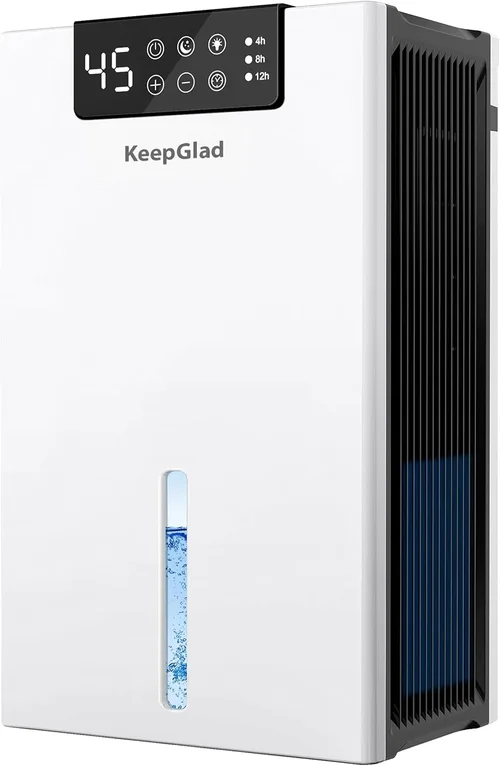
Dehumidifiers are one of those appliances that quietly transform your home environment—often without you even noticing. But once you experience the difference between a damp, musty basement and a dry, comfortable living space, there’s no going back. Whether you’re battling seasonal humidity, protecting your home from mold and mildew, or simply trying to breathe easier, choosing the right dehumidifier is essential. Yet, with so many models, features, and price points on the market, it’s easy to feel overwhelmed. That’s where this comprehensive guide comes in.
In this detailed buying guide, we’ll walk you through everything you need to know to make an informed decision. From understanding key performance metrics like pint capacity and energy efficiency to comparing different types of dehumidifiers—refrigerant, desiccant, and whole-house systems—we’ll break down the technical jargon into practical advice. You’ll learn how to match the right unit to your specific needs, whether you’re dealing with a small bathroom or a sprawling crawl space. We’ll also cover common pitfalls to avoid, budget considerations, and expert tips for getting the best value. By the end, you’ll have the confidence to choose a dehumidifier that delivers lasting comfort and protection for your home.
The dehumidifier market has evolved significantly in recent years. Energy-efficient designs, smart connectivity, and advanced filtration systems are now standard in many mid- to high-end models. At the same time, entry-level units have become more affordable and accessible. With options ranging from under $100 to over $1,500, there’s a dehumidifier for nearly every budget and application. But more choices don’t always mean better decisions—especially if you don’t know what to look for. This guide cuts through the noise and gives you a clear, actionable roadmap to finding the best dehumidifier for your home in 2026.
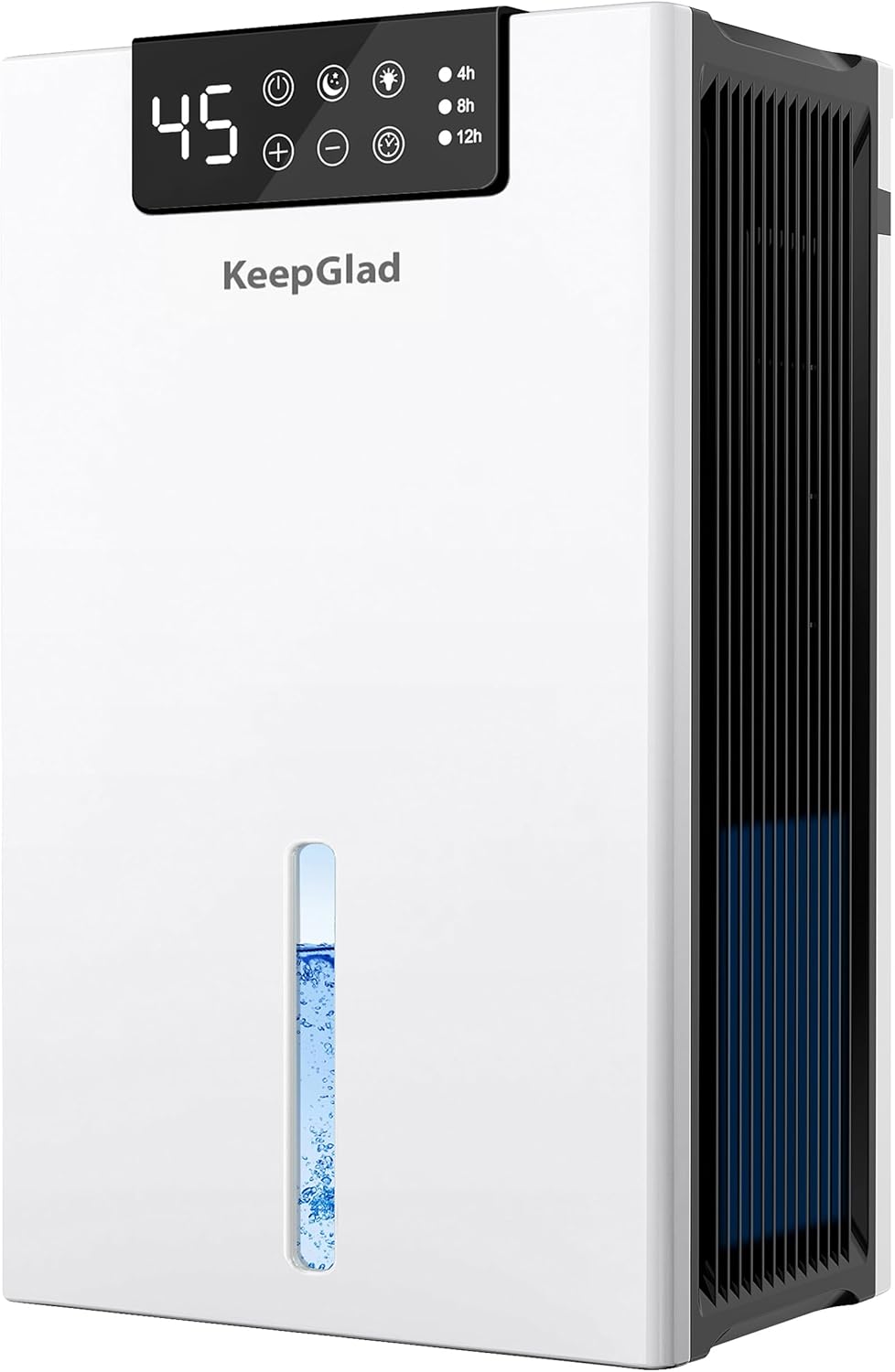
What to Look for When Buying a Dehumidifier
1. Pint Capacity and Room Size
One of the most critical factors when selecting a dehumidifier is its pint capacity—the amount of moisture it can remove from the air in 24 hours. This measurement is typically listed in pints per day (PPD) and directly correlates to the size of the space you intend to dehumidify. For example, a 30-pint unit is ideal for a moderately damp 500–1,000 square foot area, while a 70-pint model may be necessary for a large, extremely damp basement or crawl space.
But pint capacity alone isn’t enough. You also need to consider the humidity level of your space. Most manufacturers categorize humidity into three levels: moderately damp, very damp, and extremely wet. A room with occasional condensation might fall into the “moderately damp” category, while a basement with standing water or persistent musty odors would be “extremely wet.” Always match both the square footage and humidity level to the dehumidifier’s capacity. Undersizing leads to poor performance and overworking the unit, while oversizing wastes energy and money.
2. Energy Efficiency and Operating Costs
Dehumidifiers run for extended periods, especially in humid climates or during summer months, so energy efficiency is a major consideration. Look for units with the ENERGY STAR® certification, which indicates they meet strict efficiency guidelines set by the U.S. Environmental Protection Agency. ENERGY STAR dehumidifiers use up to 15% less energy than standard models, which can translate to significant savings on your electricity bill over time.
The Energy Factor (EF) is another useful metric—it measures how many liters of water the unit removes per kilowatt-hour of electricity consumed. A higher EF means greater efficiency. For example, a dehumidifier with an EF of 1.5 removes 1.5 liters of water per kWh, while one with an EF of 2.0 removes twice as much for the same energy cost. When comparing models, prioritize those with higher EF ratings, especially if you plan to run the unit continuously.
Also consider the wattage of the unit. A typical 50-pint dehumidifier uses between 500 and 700 watts. If you run it for 12 hours a day at $0.13 per kWh, that’s roughly $2.30 to $3.30 per day. Over a 90-day humid season, that adds up to $200–$300. Choosing an efficient model can cut those costs by 20–30%.
3. Drainage Options and Water Tank Capacity
Most portable dehumidifiers collect moisture in an internal water tank that needs to be emptied manually. Tank capacity varies from 1 to 2 gallons, with larger tanks requiring less frequent emptying. For a 30-pint unit, a 1.5-gallon tank may need emptying every 8–12 hours in high-humidity conditions. If you don’t want the hassle of constant maintenance, look for models with continuous drainage options.
Many dehumidifiers include a built-in pump or gravity drain hose connection. A gravity drain allows you to route water directly to a floor drain, sink, or sump pump using a standard garden hose. This is ideal for basements or crawl spaces where manual emptying isn’t practical. Some premium models feature internal condensate pumps that can push water vertically up to 15 feet, giving you more flexibility in placement.
4. Noise Level and Placement Considerations
Dehumidifiers use fans and compressors, which generate noise. If you plan to place the unit in a bedroom, living room, or home office, noise level becomes a key factor. Most portable dehumidifiers operate between 45 and 60 decibels (dB)—comparable to a quiet conversation or background music. Lower-end models may be louder, especially on high settings.
Look for units with a “quiet mode” or “low-speed fan” option, which reduces noise at the expense of slightly lower moisture removal rates. Some premium models use sound-dampening materials or variable-speed compressors to minimize operational noise. If noise is a concern, check customer reviews for real-world feedback—specifications don’t always reflect actual performance.
Placement also affects noise. Avoid placing the dehumidifier near walls or furniture that can block airflow and cause the fan to work harder, increasing noise. Ideally, position it in the center of the room or at least 6–12 inches away from obstructions.
5. Smart Features and Automation
Modern dehumidifiers are increasingly equipped with smart features that enhance convenience and efficiency. Wi-Fi connectivity allows you to control the unit remotely via a smartphone app, set schedules, and receive alerts when the tank is full. Some models integrate with smart home systems like Amazon Alexa, Google Assistant, or Apple HomeKit, enabling voice control.
Built-in humidistats are another valuable feature. These sensors monitor ambient humidity and automatically turn the dehumidifier on or off to maintain your desired level. This prevents over-drying, which can make the air feel uncomfortably dry and increase static electricity. Advanced models offer programmable timers, auto-defrost (to prevent ice buildup in cold environments), and filter change indicators.
While smart features add to the cost, they can improve long-term usability and energy savings. If you’re tech-savvy or want minimal maintenance, these upgrades are worth considering.
6. Build Quality and Durability
A dehumidifier is a long-term investment, so durability matters. Look for units with sturdy construction, rust-resistant coatings, and high-quality components. The compressor, fan motor, and internal coils should be designed for continuous operation. Cheaper models may use plastic parts that degrade over time or compressors that fail prematurely.
Check the warranty—most reputable brands offer at least a one-year limited warranty, with some extending to two or three years on key components. A longer warranty often indicates confidence in the product’s reliability. Also, consider the brand’s reputation for customer service. A durable unit is only as good as the support you receive if something goes wrong.
7. Portability and Design
If you plan to move the dehumidifier between rooms—say, from the basement to the laundry room—portability is essential. Look for models with built-in handles, caster wheels, and a compact footprint. Weight matters too: a 30-pint unit typically weighs 30–40 pounds, while larger models can exceed 50 pounds.
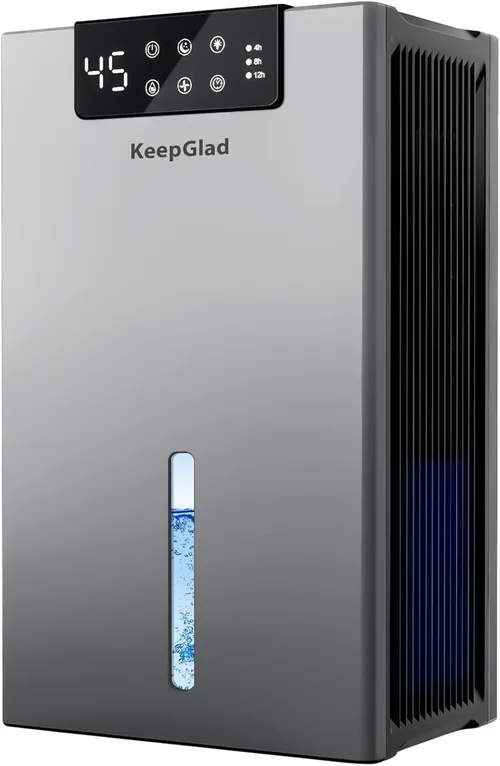
Design features like a top-mounted control panel, easy-access water tank, and cord storage can make daily use more convenient. Some units have a sleek, modern look that blends well with home decor, while others are purely functional. Choose a design that fits your space and lifestyle.
8. Filtration and Air Quality Features
Many dehumidifiers include air filters to capture dust, pollen, and other airborne particles. While they’re not a replacement for a dedicated air purifier, these filters can improve indoor air quality, especially for people with allergies or respiratory conditions. Look for washable or replaceable filters—washable ones save money over time.
Some advanced models feature multi-stage filtration, including HEPA or activated carbon filters. These can trap finer particles and odors, making them ideal for homes with pets, smokers, or strong cooking smells. However, they may require more frequent filter changes and can increase the unit’s cost.
Different Types of Dehumidifiers
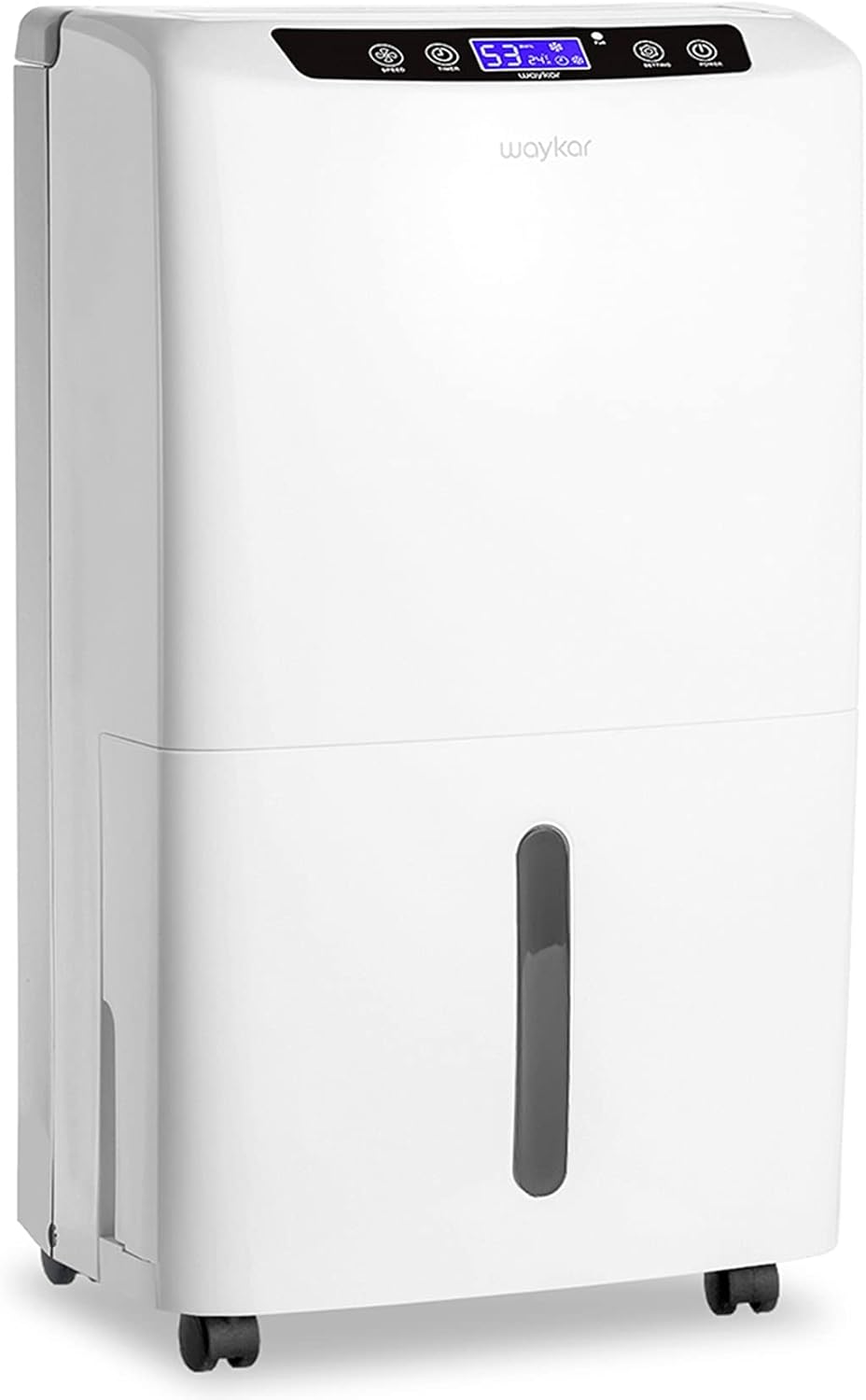
Refrigerant dehumidifiers are the most common type and work by drawing in humid air, cooling it over cold coils to condense moisture, then reheating the air before releasing it back into the room. They’re highly effective in warm, humid environments but lose efficiency in temperatures below 65°F. Desiccant models, on the other hand, use a moisture-absorbing material (like silica gel) and are better suited for cold spaces like garages or winterized cabins.
Whole-house dehumidifiers are installed as part of your HVAC system and provide centralized humidity control. They’re ideal for large homes or regions with consistently high humidity. While expensive, they offer seamless integration and require minimal maintenance. Mini and thermo-electric units are best for spot treatment—think closets, RVs, or small bathrooms—but lack the power for larger areas.
Common Buying Mistakes to Avoid
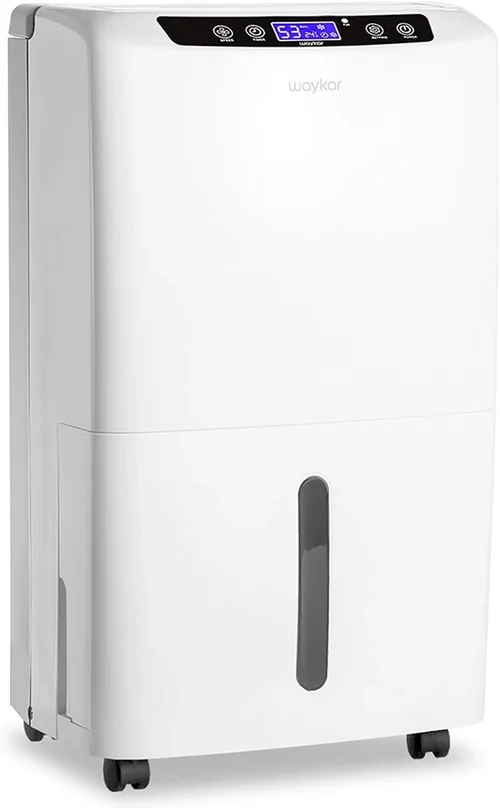
❌ Mistake: Buying Based Solely on Pint Capacity
Why it’s bad: Pint capacity is important, but it doesn’t tell the whole story. A 50-pint dehumidifier may perform like a 30-pint unit in cold or low-humidity conditions. Relying only on this number can lead to underperformance or overspending.
What to do instead: Match the unit to both your room size and humidity level. Use manufacturer sizing charts and consider environmental factors like temperature and ventilation.
❌ Mistake: Ignoring Energy Efficiency
Why it’s bad: A cheaper, inefficient model may cost more in the long run due to high electricity bills. Over a few years, the difference can add up to hundreds of dollars.
What to do instead: Prioritize ENERGY STAR-certified models and check the Energy Factor. Calculate estimated operating costs before purchasing.
❌ Mistake: Overlooking Drainage Needs
Why it’s bad: If you forget to empty the tank, the dehumidifier will shut off, leaving your space damp. This is especially problematic in basements or vacation homes.
What to do instead: Choose a model with continuous drainage or a built-in pump if you can’t monitor it daily. Even a simple gravity drain hose can save you hours of maintenance.
❌ Mistake: Choosing the Wrong Type for Your Climate
Why it’s bad: Refrigerant dehumidifiers struggle in cold environments, while desiccant models may be overkill in warm, humid climates. Using the wrong type reduces effectiveness.
What to do instead: Match the technology to your environment. Use refrigerant units in warm areas and desiccant models in cold spaces.
❌ Mistake: Skipping the Warranty and Support Check
Why it’s bad: Dehumidifiers have mechanical parts that can fail. Without a solid warranty, repair costs can be high.
What to do instead: Choose brands with at least a one-year warranty and good customer service reviews. Register your product after purchase.
❌ Mistake: Not Considering Noise Levels
Why it’s bad: A loud dehumidifier can disrupt sleep or concentration, especially if placed in a bedroom or office.
What to do instead: Check decibel ratings and look for quiet modes. Read user reviews for real-world noise feedback.
❌ Mistake: Buying Without Measuring Humidity
Why it’s bad: You might buy a unit that’s too small or too large for your actual needs, leading to wasted money or poor performance.
What to do instead: Use a hygrometer to measure indoor humidity. Aim for 30–50%. This data will guide your purchase.
Budget Guidelines: How Much Should You Spend?
Entry-Level ($50–$150): These are typically mini or thermo-electric dehumidifiers best suited for small spaces like closets, RVs, or bathrooms. They remove 5–15 pints per day and are very quiet but lack power for larger areas. Ideal for occasional use or low-humidity environments.
Mid-Range ($150–$400): This is the sweet spot for most homeowners. These refrigerant dehumidifiers offer 30–50 pints of capacity, energy-efficient operation, and features like auto-humidistat, timers, and washable filters. They’re perfect for basements, laundry rooms, and medium-sized living areas.
Premium ($400–$800): High-capacity models (50–70+ pints) with advanced features like Wi-Fi connectivity, internal pumps, multi-stage filtration, and auto-defrost. These are ideal for large homes, extremely damp spaces, or tech-savvy users who want smart control and minimal maintenance.
Luxury ($800+): Whole-house dehumidifiers and top-tier portable units with professional-grade components, extended warranties, and seamless HVAC integration. These are best for large properties, humid climates, or those seeking the ultimate in comfort and automation.
Expert Tips for Getting the Best Deal
1. Buy During Off-Season Sales: The best time to buy a dehumidifier is in late fall or winter, when demand is low. Retailers often discount models to clear inventory. You can save 20–30% compared to peak summer prices.
2. Shop Online for Better Selection: Online retailers like Amazon, Home Depot, and Lowe’s offer wider selections, detailed specs, and customer reviews. You can easily compare models side by side.
3. Look for Bundled Deals: Some brands offer discounts when you buy a dehumidifier with an air purifier or humidifier. These bundles can save you $50–$100.
4. Check for Rebates and Incentives: ENERGY STAR models may qualify for utility rebates or tax credits. Visit the ENERGY STAR website to find current offers in your area.
5. Read Return Policies: Make sure the retailer offers a 30-day return window. Dehumidifiers can be heavy and difficult to return, so choose a seller with free return shipping.
6. Test Before Committing: If possible, run the dehumidifier for a few days to see how it performs. Check noise levels, drainage, and humidity control.
7. Consider Refurbished or Open-Box Models: Certified refurbished units from reputable sellers often come with warranties and can save you 25–40% off retail price.
8. Register Your Product: This ensures you receive warranty support and product updates. Some brands offer extended coverage for registered users.

Frequently Asked Questions
Q: How do I know if I need a dehumidifier?
A: Signs include condensation on windows, musty odors, peeling paint, warped wood, or visible mold. Use a hygrometer to confirm humidity levels above 60%.
Q: Can a dehumidifier help with allergies?
A: Yes. By reducing moisture, dehumidifiers inhibit mold, dust mites, and mildew—common allergens. Pair it with an air purifier for best results.
Q: Should I run my dehumidifier all the time?
A: Not necessarily. Use a built-in humidistat to maintain 30–50% humidity. Running it continuously wastes energy unless you live in a very humid climate.
Q: Can I use a dehumidifier in winter?
A: Yes, but refrigerant models lose efficiency below 65°F. Use a desiccant dehumidifier in cold spaces like garages or cabins.
Q: How often should I clean the filter?
A: Every 2–4 weeks, depending on usage. A dirty filter reduces airflow and efficiency. Most filters are washable.
Q: Will a dehumidifier lower my energy bills?
A: Indirectly, yes. Lower humidity makes your home feel cooler, so you may use your air conditioner less. However, the dehumidifier itself consumes electricity.
Q: Can I install a whole-house dehumidifier myself?
A: It’s possible, but not recommended. These units require HVAC knowledge and professional installation for safety and efficiency.
Q: What’s the difference between a dehumidifier and an air purifier?
A: A dehumidifier removes moisture; an air purifier removes airborne particles. They serve different purposes but can work together.
Q: How long do dehumidifiers last?
A: With proper maintenance, most last 5–10 years. Regular cleaning and avoiding extreme conditions extend lifespan.
Q: Can I use a dehumidifier in a crawl space?
A: Yes. Choose a model with a drain hose and auto-restart. Ensure it’s rated for unconditioned spaces.
Our Final Recommendations
Best for Budget-Conscious Buyers: hOmeLabs 30-Pint Dehumidifier – Reliable, energy-efficient, and priced under $200. Great for small to medium rooms with moderate humidity.
Best Overall Value: Frigidaire FFAD7033R1 70-Pint Dehumidifier – High capacity, ENERGY STAR certified, with a washable filter and continuous drain option. Ideal for large basements.
Best Premium Option: AprilAire E130 Whole-House Dehumidifier – Professional-grade, integrates with HVAC, and maintains consistent humidity throughout your home. Perfect for large properties.
Best for Beginners: Eva-Dry EDV-1100 Electric Petite Dehumidifier – Compact, silent, and easy to use. Great for closets or small spaces with minimal setup.
Best for Advanced Users: Midea U-Shaped 50-Pint Smart Dehumidifier – Wi-Fi enabled, app-controlled, with voice assistant support and auto-humidistat. Tech-forward and efficient.
Conclusion: Making the Right Choice
Choosing the right dehumidifier isn’t just about picking the biggest or most expensive model—it’s about finding the perfect balance of performance, efficiency, and features for your specific needs. Whether you’re tackling a damp basement, protecting your home from mold, or simply improving indoor air quality, the right unit can make a world of difference.
Remember to assess your space, measure humidity levels, and consider long-term operating costs. Don’t overlook drainage options, noise levels, and smart features that can enhance convenience. And always prioritize energy efficiency and build quality to ensure your investment lasts for years.
With the insights from this guide, you’re now equipped to make a confident, informed decision. Take your time, compare your options, and choose a dehumidifier that delivers comfort, protection, and peace of mind. Your home—and your health—will thank you.