
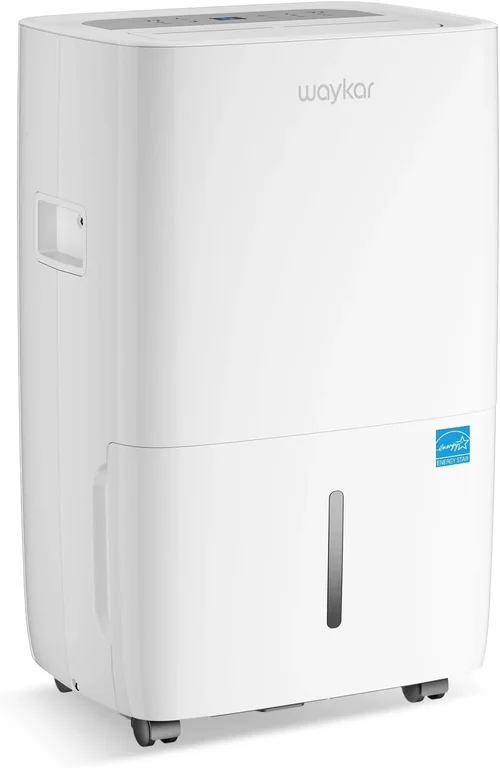
Whole home dehumidifiers are more than just appliances—they’re essential investments in your indoor air quality, comfort, and long-term home health. If you’ve ever walked into a basement that smells like damp cardboard, noticed condensation fogging up your windows, or felt that sticky, heavy air even with the AC running, you’ve experienced the telltale signs of excessive humidity. Left unchecked, high indoor humidity can lead to mold growth, wood rot, musty odors, and even aggravate allergies or asthma. That’s where a whole home dehumidifier comes in: a powerful, integrated system designed to maintain optimal humidity levels throughout your entire house—not just one room.
Unlike portable units that struggle to keep up with larger spaces, whole home dehumidifiers are built to handle the full volume of air in a typical house, often ranging from 1,500 to over 5,000 square feet. They’re typically installed directly into your HVAC system or placed in a central location like a basement or utility room, working quietly behind the scenes to pull moisture from the air before it circulates through your ducts. This guide exists because choosing the right model isn’t as simple as picking the biggest number on the box. With dozens of brands, varying performance specs, installation requirements, and price points, it’s easy to overspend—or worse, end up with a unit that can’t handle your home’s needs. Our goal is to cut through the noise and give you everything you need to make a confident, informed decision.
In this comprehensive buying guide, you’ll learn exactly what to look for when selecting a whole home dehumidifier, including critical performance metrics, build quality, smart features, and compatibility with your existing HVAC setup. We’ll break down the different types available, highlight common pitfalls to avoid, and provide realistic budget expectations based on real-world value. Whether you live in a humid coastal region, a damp basement-prone area, or simply want better air quality year-round, this guide will equip you with expert-level knowledge to find the perfect match for your home. By the end, you won’t just know which models are popular—you’ll understand why they’re right (or wrong) for your specific situation.

What to Look for When Buying Buying Guide
1. Capacity & Performance Specifications
Capacity is the single most important factor when choosing a whole home dehumidifier—it determines how much moisture the unit can remove from your air in a 24-hour period, typically measured in pints per day (PPD). But don’t just look at the headline number. You need to match the unit’s capacity to your home’s square footage, climate, and moisture level. For example, a tightly sealed, energy-efficient home in a moderate climate might only need a 50-pint unit for 2,000 sq ft, while a leaky, damp basement in Florida could require a 100+ pint model for the same size house.
Look for units that specify performance at both AHAM (Association of Home Appliance Manufacturers) standard conditions (60% relative humidity at 80°F) and real-world conditions (like 60% RH at 73°F or lower). Many manufacturers inflate numbers using ideal lab settings, so real-world performance often falls short. Also check the CFM (cubic feet per minute) rating—this tells you how much air the unit moves. Higher CFM means better circulation and more effective dehumidification across larger spaces. A good rule of thumb: aim for at least 150–200 CFM per 1,000 sq ft of living space.
2. Energy Efficiency & Operating Costs
A whole home dehumidifier runs continuously during humid months, so energy efficiency directly impacts your utility bill. Look for models with an Energy Star certification, which ensures they meet strict efficiency guidelines set by the EPA. The key metric here is the Integrated Energy Factor (IEF), measured in liters of water removed per kilowatt-hour (L/kWh). Higher IEF = more moisture removed per unit of electricity. Top-tier units now achieve IEF ratings above 2.0, meaning they remove over 2 liters of water for every kWh used—significantly more efficient than older models that hovered around 1.0–1.5.
Also consider whether the unit has variable-speed fans or compressor modulation. These features allow the dehumidifier to adjust its output based on current humidity levels, avoiding constant on/off cycling and reducing wear and energy use. Over a full season, an efficient model can save you $50–$150 compared to a less efficient one, quickly offsetting a higher upfront cost.
3. Installation Requirements & Compatibility
Whole home dehumidifiers aren’t plug-and-play like portable units. Most require professional installation, especially if you’re integrating them with your HVAC system. Before buying, assess your home’s layout: Do you have accessible ductwork? Is there a suitable location near your furnace or air handler? Basements, crawl spaces, and utility closets are common installation sites, but you’ll need adequate clearance (usually 12–18 inches on all sides) for airflow and maintenance.
Compatibility with your existing HVAC system is crucial. Some units are designed to work alongside your furnace and AC, using the home’s ductwork to distribute dehumidified air. Others are standalone systems that require their own ducting or placement in a central return air path. If you have a heat pump, radiant heating, or mini-split system, confirm the dehumidifier supports those configurations. Always consult an HVAC technician before purchasing—many manufacturers void warranties if installed incorrectly.
4. Build Quality & Durability
Since these units operate year-round in potentially harsh environments (damp basements, dusty garages), build quality matters immensely. Look for corrosion-resistant components like coated evaporator coils, stainless steel condensate pans, and powder-coated metal housings. Cheap plastic parts may warp or crack over time, leading to leaks or reduced efficiency.
Internally, check the compressor type. Rotary compressors are quieter, more efficient, and last longer than reciprocating (piston) types. Also examine the fan motor—ECM (electronically commutated motors) are more durable and energy-efficient than traditional PSC (permanent split capacitor) motors. A well-built unit should last 10–15 years with proper maintenance. Avoid brands that use excessive plastic or lack detailed service manuals—these are red flags for short-term reliability.
5. Features & Functionality
Modern whole home dehumidifiers come packed with smart features that enhance convenience and performance. A built-in humidistat is essential—it automatically monitors indoor humidity and cycles the unit on/off to maintain your target level (ideally 30–50%). Look for digital displays with easy-to-use controls, remote sensors (so you can place the sensor in a problem area like a basement while the unit sits elsewhere), and programmable timers.
Advanced models offer Wi-Fi connectivity, allowing you to monitor and adjust settings via smartphone apps. This is especially useful if you travel frequently or want to track energy usage. Some units even integrate with smart home systems like Alexa, Google Home, or Nest. Additional features include auto-defrost (for cold climates), washable filters, condensate pump options (for upward drainage), and alert systems for filter changes or full tanks. While not all features are necessary, they can significantly improve usability and long-term satisfaction.
6. Noise Levels & Operational Comfort
Even though whole home dehumidifiers are usually installed out of sight, noise can still be an issue—especially if placed near bedrooms or living areas. Measured in decibels (dB), most quality units operate between 45–55 dB, comparable to a quiet conversation or refrigerator hum. However, cheaper models or those with undersized fans may hit 60+ dB, which becomes noticeable over time.
Pay attention to fan design and compressor insulation. Units with sound-dampening enclosures, vibration isolators, and low-RPM fans tend to be quieter. If noise is a top concern, consider placing the unit in a remote location like a basement corner or utility room with sound-absorbing insulation. Some manufacturers publish noise specs; if they don’t, that’s often a sign the unit is louder than average.
7. Brand Reputation & Customer Support
Not all dehumidifier brands are created equal. Stick with established manufacturers known for HVAC expertise—companies like AprilAire, Santa Fe, Honeywell, and Ultra-Aire have decades of experience and strong track records. Research customer reviews on trusted sites like Consumer Reports, HVAC forums, and Reddit. Look for patterns: Are users reporting frequent breakdowns? Poor warranty service? Difficulty finding replacement parts?
Customer support is just as important as the product itself. Does the company offer live technical support? Are manuals and troubleshooting guides readily available? Can you easily order filters or service kits? Brands with local dealer networks often provide better post-purchase support than online-only sellers. A reputable brand may cost slightly more upfront but saves you headaches (and repair bills) down the road.
8. Warranty & Serviceability
A solid warranty is a strong indicator of a manufacturer’s confidence in their product. Most reputable whole home dehumidifiers come with a 5-year warranty on the compressor and a 2–3 year warranty on parts and labor. Some premium brands offer extended coverage up to 10 years. Read the fine print: Does the warranty require professional installation? Are labor costs covered? Is it transferable if you sell your home?
Serviceability is equally important. Can you easily access the filter, clean the coils, or replace the condensate pump yourself? Units with tool-free panels and modular designs make maintenance simpler and cheaper. Avoid models where critical components are buried deep inside or require specialized tools—these increase long-term ownership costs.
Different Types of Buying Guide
Common Buying Mistakes to Avoid
❌ Mistake: Buying Based Solely on Pint Capacity
Why it’s bad: A 70-pint unit might sound powerful, but if it’s rated only under ideal lab conditions (80°F), it could perform like a 40-pint unit in your cooler basement (65°F). Oversizing or undersizing leads to inefficiency, wasted money, or inadequate dehumidification.
What to do instead: Match capacity to your home’s actual conditions. Use online calculators from brands like AprilAire or consult an HVAC pro. Consider both square footage and moisture severity (e.g., frequent flooding vs. occasional dampness).
❌ Mistake: Ignoring Installation Costs
Why it’s bad: The unit itself may cost $1,500, but professional installation can add $500–$1,500. Skimping on installation often voids warranties or causes performance issues.
What to do instead: Get multiple quotes from licensed HVAC technicians before purchasing. Ask if they’ve installed your chosen model before—experience matters.
❌ Mistake: Overlooking Drainage Solutions
Why it’s bad: Most units produce 1–3 gallons of water daily. Without proper drainage, you’ll face overflow, leaks, or constant manual emptying.
What to do instead: Ensure your installation site has a floor drain, or invest in a condensate pump. Choose a model with a built-in pump or easy pump compatibility.
❌ Mistake: Choosing the Cheapest Option
Why it’s bad: Budget units often use inferior compressors, thin-gauge metal, and lack smart controls. They break down faster and cost more in repairs and energy.
What to do instead: View the purchase as a long-term investment. Mid-range models ($1,200–$2,000) typically offer the best balance of durability, efficiency, and features.
❌ Mistake: Not Checking Local Climate Needs
Why it’s bad: A unit optimized for mild Midwest summers won’t handle Gulf Coast humidity. Conversely, an oversized unit for Arizona will short-cycle and wear out quickly.
What to do instead: Research your region’s average summer dew point. Coastal, riverfront, or flood-prone areas need higher-capacity, corrosion-resistant models.
❌ Mistake: Skipping Regular Maintenance
Why it’s bad: Clogged filters and dirty coils reduce efficiency by up to 30% and can cause compressor failure.
What to do instead: Commit to quarterly filter changes and annual coil cleaning. Choose models with washable filters and easy-access panels.
❌ Mistake: Assuming All Brands Are Equal
Why it’s bad: Generic brands may copy designs but use subpar components. Warranty claims can be denied for “unauthorized parts” or poor workmanship.
What to do instead: Stick with reputable manufacturers. Check BBB ratings, forum discussions, and professional installer recommendations.
Budget Guidelines: How Much Should You Spend?
Entry-Level ($800–$1,200): These are typically standalone units designed for small to mid-sized basements (up to 2,500 sq ft). Expect basic controls, limited smart features, and standard efficiency (IEF ~1.5). Brands like hOmeLabs or ALORAIR offer decent options here, but build quality may be lighter-duty. Ideal for occasional use or mild humidity.
Mid-Range ($1,200–$2,200): This is the sweet spot for most homeowners. You’ll find Energy Star-certified models with rotary compressors, digital humidistats, and better corrosion resistance. Brands like AprilAire, Honeywell, and Santa Fe dominate this tier. These units handle 2,000–4,000 sq ft effectively and include features like remote sensors and auto-defrost. Installation costs are reasonable, and long-term reliability is strong.
Premium ($2,200–$3,500): Built for large homes, extreme climates, or commercial applications. Expect commercial-grade components, Wi-Fi connectivity, variable-speed fans, and IEF ratings above 2.0. Models from Ultra-Aire or Santa Fe’s high-capacity line fall here. Often include condensate pumps, extended warranties, and seamless HVAC integration. Worth it if you have a 4,000+ sq ft home or chronic moisture issues.
Luxury ($3,500+): Top-tier systems with industrial durability, advanced diagnostics, and custom configurations. These are overkill for most residential users but ideal for luxury homes, historic properties, or regions with relentless humidity (e.g., Florida, Louisiana). May include dual compressors, stainless steel construction, and full-home IAQ (indoor air quality) integration.
Expert Tips for Getting the Best Deal
– Buy in late winter or early spring: Demand peaks in summer, so retailers offer discounts February–April to clear inventory. You’ll get better prices and avoid installation backlogs.
– Bundle with HVAC service: If you’re due for furnace or AC maintenance, ask your technician about package deals. Many offer 10–15% off dehumidifier installation when combined with other services.
– Check utility rebates: Some states and municipalities offer rebates for Energy Star whole home dehumidifiers—especially in humid regions. Visit dsireusa.org to search incentives.
– Buy directly from authorized dealers: Online marketplaces may sell gray-market units with voided warranties. Authorized dealers ensure genuine products and support.
– Negotiate installation: Get quotes from 2–3 HVAC pros. Mention competing offers—many will match or beat them to win your business.
– Inspect before signing: Ensure the installer tests airflow, drainage, and humidity response before finalizing the job. A poorly commissioned unit won’t perform as advertised.
– Register your warranty immediately: Some brands require registration within 30 days. Keep receipts and installation certificates—they’re often needed for claims.
– Consider refurbished or open-box: Reputable dealers sometimes sell returned or demo units at 20–30% off. Verify they include full warranties and are professionally inspected.
Frequently Asked Questions
Q: Can a whole home dehumidifier replace my air conditioner?
A: No. While both manage humidity, ACs cool air by removing heat, whereas dehumidifiers only remove moisture. In fact, dehumidifiers slightly warm the air as a byproduct. They complement your AC—reducing the load on it and improving comfort—but don’t provide cooling.
Q: Do I really need a whole home unit, or will a portable one work?
A: Portable dehumidifiers are fine for single rooms or small spaces (<1,000 sq ft), but they can’t maintain consistent humidity across an entire house. Whole home units treat all air passing through your ducts, preventing mold and mustiness in hidden areas like attics or crawl spaces.
Q: How often should I run my whole home dehumidifier?
A: Ideally, it should run automatically based on your set humidity level (30–50%). In humid seasons, expect 8–12 hours per day. In dry months, it may rarely activate. Avoid manual on/off cycling—it’s less efficient and harder on the compressor.
Q: Will a dehumidifier increase my electric bill?
A: Yes, but moderately. A typical 70-pint unit uses 500–800 watts. Running 10 hours/day at $0.12/kWh costs about $18–$30/month. Energy-efficient models (IEF >2.0) can cut this by 30–40%.
Q: Can I install a whole home dehumidifier myself?
A: Possible for standalone units in basements with nearby drainage, but ducted installations almost always require professional help. Incorrect duct connections or electrical work can damage your HVAC system or create safety hazards.
Q: How do I know if my home is too humid?
A: Use a hygrometer ($10–$20) to measure relative humidity. Consistently above 55% indicates a problem. Physical signs include condensation on windows, peeling paint, musty smells, or warped wood.
Q: What’s the ideal humidity level for my home?
A: Between 30% and 50%. Below 30% can cause dry skin and static; above 50% promotes mold and dust mites. In winter, keep it closer to 30–40% to prevent window condensation.
Q: Do whole home dehumidifiers require special maintenance?
A: Yes. Clean or replace the air filter every 3–6 months. Inspect coils annually for dust buildup. Ensure the condensate drain is clear. Most units have indicator lights for reminders.
Q: Can I use a whole home dehumidifier in a crawl space?
A: Absolutely—in fact, many are specifically designed for crawl spaces. Look for models rated for unconditioned spaces with auto-defrost and rugged construction. Proper vapor barrier installation is also key.
Q: Will a dehumidifier help with allergies?
A: Yes. By keeping humidity below 50%, you inhibit mold, dust mites, and mildew—common allergens. Many users report reduced sinus congestion and asthma symptoms after installation.
Our Final Recommendations
Best for Budget-Conscious Buyers: hOmeLabs HME020034N – At under $900, this standalone unit handles up to 2,500 sq ft with a 70-pint capacity and Energy Star rating. It’s not as durable as premium models, but it’s a solid entry point for mild humidity issues.
Best Overall Value: AprilAire E080V – Priced around $1,800, this ducted unit offers 80-pint capacity, Wi-Fi control, and an IEF of 2.1. It integrates seamlessly with most HVAC systems and comes with a 5-year warranty. Perfect for 2,500–4,000 sq ft homes.
Best Premium Option: Santa Fe Ultra-Aire UA70H – For $2,900, you get a 70-pint unit built for extreme conditions, with a stainless steel cabinet, dual-speed fan, and compatibility with crawl spaces or basements. Ideal for coastal or flood-prone areas.
Best for Beginners: Honeywell TP70WKN – This free-standing model ($1,200) includes a built-in pump, digital display, and simple setup. Great for basements without ductwork—no HVAC knowledge required.
Best for Advanced Users: Ultra-Aire Whole House Dehumidifier with Smart Controller – At $3,400, this system offers app-based monitoring, zone control, and integration with home automation. Best for tech enthusiasts or large, multi-zone homes.
Conclusion: Making the Right Choice
Choosing the right whole home dehumidifier isn’t about finding the biggest or most expensive model—it’s about matching the right tool to your home’s unique needs. From capacity and efficiency to installation complexity and long-term maintenance, every decision point affects your comfort, air quality, and wallet. We’ve covered the critical factors: performance specs that reflect real-world conditions, energy efficiency that pays off over time, build quality that ensures longevity, and features that enhance daily use. We’ve also highlighted common traps—like oversizing, ignoring drainage, or choosing based on price alone—that can turn a smart purchase into a costly mistake.
Remember, this isn’t a one-size-fits-all solution. A family in Seattle with a damp basement needs a different approach than a retiree in Arizona dealing with seasonal monsoon humidity. Take the time to assess your home’s moisture challenges, consult with a qualified HVAC professional, and prioritize reliability over flashy extras. And don’t forget the hidden costs: proper installation, ongoing maintenance, and energy use all factor into the true value of your investment.
Ultimately, the best whole home dehumidifier is the one that quietly, efficiently, and reliably maintains healthy air year after year—without you having to think about it. Armed with the knowledge from this guide, you’re now equipped to make that choice with confidence. So breathe easy, stay dry, and enjoy the lasting benefits of balanced indoor humidity. Your home—and your health—will thank you.