
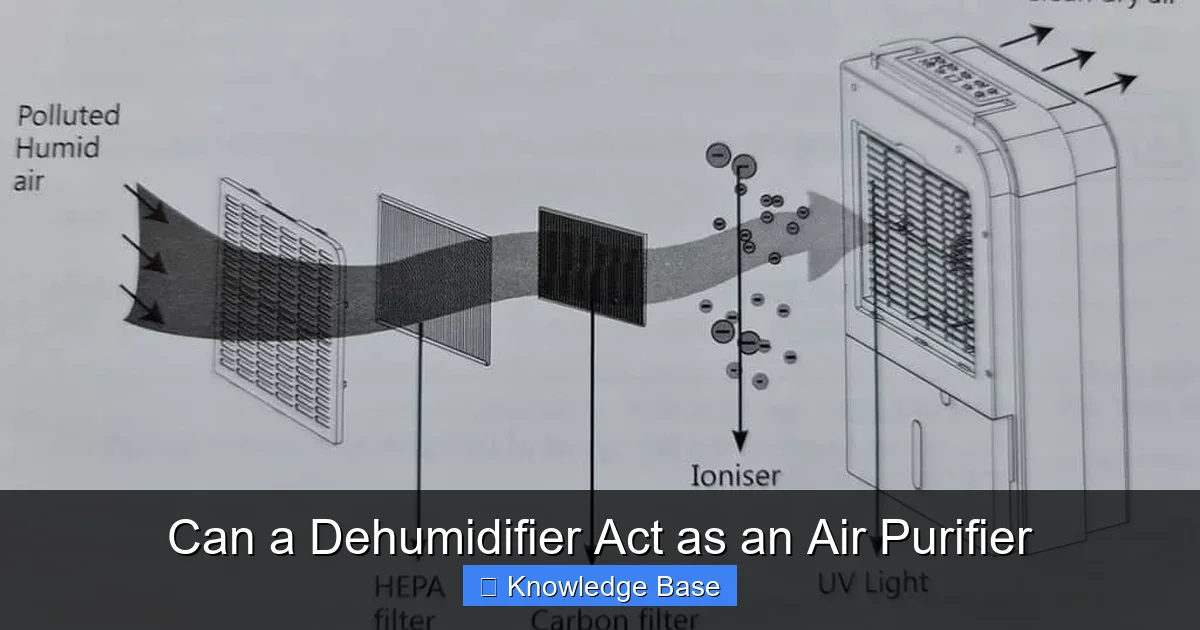
While a dehumidifier helps reduce moisture and inhibits mold and dust mites, it does not filter airborne particles like an air purifier. However, by controlling humidity, it indirectly supports cleaner, healthier air and can complement air purification systems.
Key Takeaways
- Dehumidifiers reduce humidity: They lower moisture levels in the air, creating an environment less hospitable to mold, mildew, and dust mites.
- They don’t filter air: Unlike air purifiers, dehumidifiers do not use HEPA or other filters to remove airborne pollutants like pollen, pet dander, or smoke.
- Indirect air quality benefits: By preventing mold growth and reducing allergens, dehumidifiers contribute to better overall indoor air quality.
- Complementary, not a replacement: For full air purification, pair a dehumidifier with a true air purifier that uses mechanical or electrostatic filtration.
- Ideal for damp spaces: Basements, bathrooms, and laundry rooms benefit most from dehumidifiers due to high moisture levels.
- Energy and maintenance matter: Choose energy-efficient models and clean filters regularly to maximize performance and air quality benefits.
- Health benefits for allergy sufferers: Lower humidity can reduce allergy and asthma triggers, improving respiratory comfort.
Quick Answers to Common Questions
Can a dehumidifier remove pet dander from the air?
No, a dehumidifier does not remove pet dander. It only reduces moisture. To capture dander, you need an air purifier with a HEPA filter.
Will a dehumidifier help with asthma symptoms?
Yes, indirectly. By lowering humidity and reducing mold and dust mites, it can decrease asthma triggers, but it won’t filter out airborne irritants like an air purifier would.
Do dehumidifiers use a lot of electricity?
It depends on the model and usage. ENERGY STAR certified units are more efficient. Running a dehumidifier in a damp basement may use more energy than in a moderately humid room.
Can I run a dehumidifier and air purifier at the same time?
Absolutely. They serve different purposes and can work together to improve air quality. Just place them in appropriate locations for best results.
How often should I clean my dehumidifier filter?
Check the manufacturer’s instructions, but most recommend cleaning the filter every 2–4 weeks, especially during high-use seasons.
📑 Table of Contents
- Can a Dehumidifier Act as an Air Purifier?
- How Dehumidifiers Work
- The Role of Humidity in Indoor Air Quality
- What Air Purifiers Do That Dehumidifiers Don’t
- When to Use a Dehumidifier vs. an Air Purifier
- Health Benefits of Using a Dehumidifier
- Myths and Misconceptions
- Choosing the Right Devices for Your Home
- Conclusion
Can a Dehumidifier Act as an Air Purifier?
If you’re concerned about the air quality in your home—especially if you live in a humid climate or have allergies—you might be wondering whether a dehumidifier can double as an air purifier. After all, both devices are designed to improve indoor air, right? Well, the short answer is: not exactly. While a dehumidifier plays a valuable role in creating a healthier living environment, it doesn’t function the same way as a dedicated air purifier.
Let’s break it down. A dehumidifier’s main job is to remove excess moisture from the air. High humidity levels—typically above 60%—can lead to a host of problems, including mold growth, musty odors, and the proliferation of dust mites. By pulling moisture out of the air, dehumidifiers help prevent these issues, which in turn can make your home feel fresher and more comfortable. But here’s the catch: they don’t actively clean the air of pollutants like pollen, pet dander, bacteria, or smoke particles.
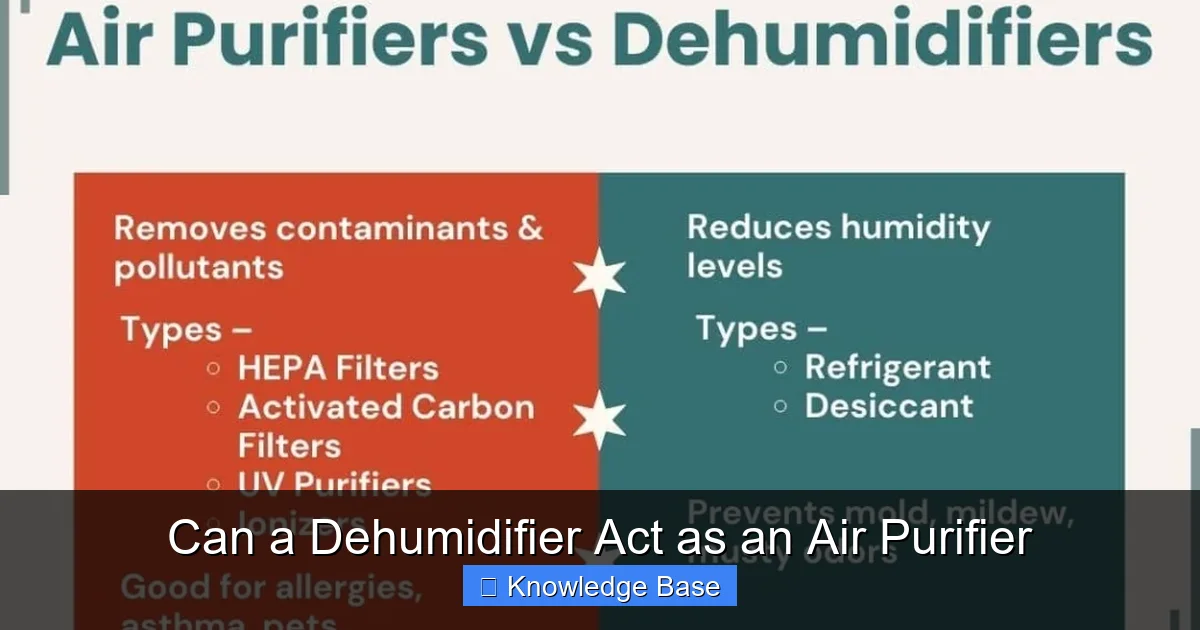
On the other hand, air purifiers are specifically engineered to capture and eliminate airborne contaminants. They use filters—such as HEPA filters—or technologies like UV light or ionization to trap or neutralize harmful particles. So while a dehumidifier improves air quality indirectly by controlling humidity, an air purifier tackles the actual pollutants floating around in your home.
That said, the two devices aren’t mutually exclusive. In fact, they work best when used together. Think of it like this: a dehumidifier sets the stage for cleaner air by removing the conditions that allow allergens and mold to thrive, while an air purifier takes care of the microscopic invaders already in the air. For people with allergies, asthma, or respiratory sensitivities, this combination can make a noticeable difference in daily comfort and health.
How Dehumidifiers Work
To understand why a dehumidifier can’t fully replace an air purifier, it helps to know how these machines operate. Most residential dehumidifiers use a refrigeration-based system, similar to an air conditioner. Here’s a simplified breakdown of the process:
Warm, moist air is drawn into the unit through a fan. As the air passes over cold coils inside the dehumidifier, the moisture in the air condenses into water droplets. This water collects in a built-in reservoir or drains directly through a hose. The now-drier air is then reheated slightly and released back into the room.
This cycle repeats continuously until the desired humidity level—usually between 30% and 50%—is reached. Many modern dehumidifiers come with built-in humidistats that automatically monitor and adjust the humidity, turning the unit on and off as needed.
Some dehumidifiers also include basic air filters, typically made of foam or mesh, to catch large particles like dust or pet hair before the air enters the internal components. While this helps protect the machine and may slightly reduce airborne debris, these filters are not designed for deep air purification. They don’t capture fine particles like mold spores, bacteria, or smoke, which are the main targets of true air purifiers.
Types of Dehumidifiers
There are several types of dehumidifiers on the market, each suited to different environments and needs:
– Refrigerant dehumidifiers: The most common type, ideal for warm, humid climates. They work best in temperatures above 65°F (18°C).
– Desiccant dehumidifiers: Use a moisture-absorbing material (like silica gel) to pull water from the air. They perform better in cooler temperatures and are often used in basements or garages.
– Whole-house dehumidifiers: Integrated into your HVAC system, these units dehumidify the entire home and are great for large spaces or high-humidity regions.
– Mini or portable dehumidifiers: Small, affordable units designed for single rooms or closets. They’re convenient but have limited capacity.
While the technology varies, none of these types are built to filter air in the way an air purifier does. Their primary function remains moisture control.
The Role of Humidity in Indoor Air Quality
You might be surprised to learn just how much humidity affects the air you breathe. Indoor humidity levels play a critical role in determining what kinds of pollutants and allergens thrive in your home. When humidity is too high—above 60%—it creates the perfect breeding ground for mold, mildew, and dust mites. These are common triggers for allergies, asthma, and other respiratory issues.
Mold, for example, releases spores into the air that can be inhaled, leading to coughing, sneezing, and even more serious health problems over time. Dust mites, microscopic creatures that feed on dead skin cells, also flourish in humid environments. Their waste products are potent allergens that can worsen symptoms for sensitive individuals.
By keeping humidity in check, a dehumidifier helps suppress the growth of these biological contaminants. In this way, it contributes to better air quality—but only indirectly. It doesn’t remove the spores or allergens already present; it just makes the environment less welcoming for them to multiply.
On the flip side, air that’s too dry—below 30% humidity—can also be problematic. It can dry out your skin, irritate your respiratory tract, and even damage wooden furniture or musical instruments. That’s why maintaining a balanced humidity level, ideally between 40% and 50%, is key to a healthy indoor environment.
Real-World Example: The Damp Basement
Imagine you have a basement that feels damp and smells musty. You notice black spots on the walls—classic signs of mold. You run a dehumidifier in the space, and within a few weeks, the smell fades, and the mold stops spreading. The air feels fresher, and your allergy symptoms improve.
In this case, the dehumidifier didn’t “clean” the air of mold spores—those are still present. But by lowering the humidity, it stopped new mold from growing and reduced the overall allergen load. For someone with mold allergies, this can feel like a huge improvement. However, if you want to remove the existing spores from the air, you’d need an air purifier with a HEPA filter.
This example illustrates the complementary nature of the two devices. The dehumidifier addresses the root cause (moisture), while the air purifier handles the symptom (airborne contaminants).
What Air Purifiers Do That Dehumidifiers Don’t
Now let’s shift focus to air purifiers and what makes them unique. Unlike dehumidifiers, air purifiers are specifically designed to clean the air by removing or neutralizing pollutants. They use a variety of technologies to achieve this, each with its own strengths and limitations.
The most effective and widely recommended type is the HEPA (High-Efficiency Particulate Air) filter. True HEPA filters can capture 99.97% of particles as small as 0.3 microns, including pollen, pet dander, dust mite debris, and even some bacteria and viruses. Because they trap particles physically, they don’t produce harmful byproducts like ozone.
Other air purification technologies include:
– Activated carbon filters: Excellent at absorbing odors, smoke, and volatile organic compounds (VOCs) from cleaning products or cooking.
– UV-C light: Uses ultraviolet light to kill bacteria and viruses. Often used in combination with filters for added protection.
– Ionic purifiers and ozone generators: These emit charged ions or ozone to attract or destroy particles. However, they can produce ozone, a lung irritant, and are generally less effective than HEPA filters.
The key difference is that air purifiers actively clean the air you breathe, while dehumidifiers create conditions that discourage pollution. One targets the particles; the other targets the environment that allows those particles to thrive.
Can a Dehumidifier with a Filter Help?
Some dehumidifiers come with basic air filters, as mentioned earlier. These are usually washable mesh or foam filters that catch large dust particles. While they help keep the internal components clean and may reduce some visible dust, they are not capable of trapping fine allergens or pathogens.
For example, a standard dehumidifier filter might catch pet hair or lint, but it won’t stop mold spores (which are around 1–30 microns) or smoke particles (as small as 0.1 microns). In contrast, a HEPA filter in an air purifier can capture these tiny threats effectively.
So, while a dehumidifier with a filter offers a slight improvement over one without, it still doesn’t come close to the performance of a dedicated air purifier. If your goal is to remove airborne allergens or pollutants, you’ll need a device specifically designed for that purpose.
When to Use a Dehumidifier vs. an Air Purifier
Deciding whether you need a dehumidifier, an air purifier, or both depends on your specific indoor air quality challenges. Here’s a practical guide to help you choose:
If You Have High Humidity or Moisture Problems
Use a dehumidifier if:
– You notice condensation on windows.
– There’s a musty smell in certain rooms.
– You see mold or mildew, especially in basements, bathrooms, or laundry areas.
– Your home feels sticky or clammy, even with air conditioning.
In these cases, a dehumidifier is essential. It will help prevent mold growth, protect your belongings, and reduce allergen sources.
If You Have Allergies, Asthma, or Airborne Pollutants
Use an air purifier if:
– You or a family member has allergies or asthma.
– You have pets that shed dander.
– Someone smokes indoors.
– You live in an area with high pollen counts or air pollution.
An air purifier will directly reduce the number of irritants in the air, providing relief from symptoms.
If You Have Both Issues
Use both devices if:
– You live in a humid climate and have allergy sufferers in the household.
– Your basement is damp and you’re concerned about mold spores in the air.
– You’ve recently had water damage or flooding.
In these scenarios, the dehumidifier and air purifier work together to create the healthiest possible environment. The dehumidifier controls moisture, while the air purifier cleans the air.
Practical Tips for Maximum Air Quality
– Place devices strategically: Put the dehumidifier in the dampest area (like a basement), and the air purifier in frequently used rooms (like the bedroom or living room).
– Maintain both units: Clean or replace filters regularly. Empty the water tank in the dehumidifier to prevent bacterial growth.
– Monitor humidity levels: Use a hygrometer to keep indoor humidity between 40% and 50%.
– Ventilate when possible: Open windows on dry, low-pollen days to let fresh air in.
– Combine with other habits: Vacuum with a HEPA-filter vacuum cleaner, wash bedding weekly, and avoid smoking indoors.
Health Benefits of Using a Dehumidifier
Even though a dehumidifier isn’t an air purifier, it offers significant health benefits—especially for people with respiratory conditions. By reducing moisture, it helps control the growth of mold and dust mites, two of the most common indoor allergens.
For individuals with asthma, lower humidity can mean fewer flare-ups. Mold spores and dust mite allergens are known triggers, and by limiting their presence, a dehumidifier can reduce the frequency and severity of symptoms. Some studies have shown that maintaining proper humidity levels can decrease the need for asthma medication in certain patients.
Additionally, a dehumidifier can help prevent the spread of airborne illnesses. While it doesn’t kill viruses, it creates an environment where viruses may survive for shorter periods. For example, influenza viruses tend to thrive in low-humidity conditions. By keeping humidity at a moderate level, you may reduce the risk of transmission.
People with allergies also benefit. Less mold and dust mites mean fewer sneezing fits, itchy eyes, and nasal congestion. Over time, this can lead to better sleep, improved concentration, and an overall higher quality of life.
Case Study: Improving Sleep Quality
Consider Sarah, a 35-year-old with seasonal allergies and mild asthma. She lives in a humid coastal city and often wakes up congested. After consulting her doctor, she bought a dehumidifier for her bedroom and an air purifier for the living room. Within two weeks, she noticed she was breathing easier at night, her allergies were less severe, and she slept more soundly.
Her experience highlights how combining both devices can address multiple aspects of indoor air quality. The dehumidifier reduced nighttime humidity, preventing mold growth in her mattress and pillows. The air purifier removed pollen and dust from the air she breathed while relaxing or sleeping.
Myths and Misconceptions
There are several common myths about dehumidifiers and air purifiers that can lead to confusion. Let’s clear them up:
Myth 1: “A dehumidifier cleans the air like an air purifier.”
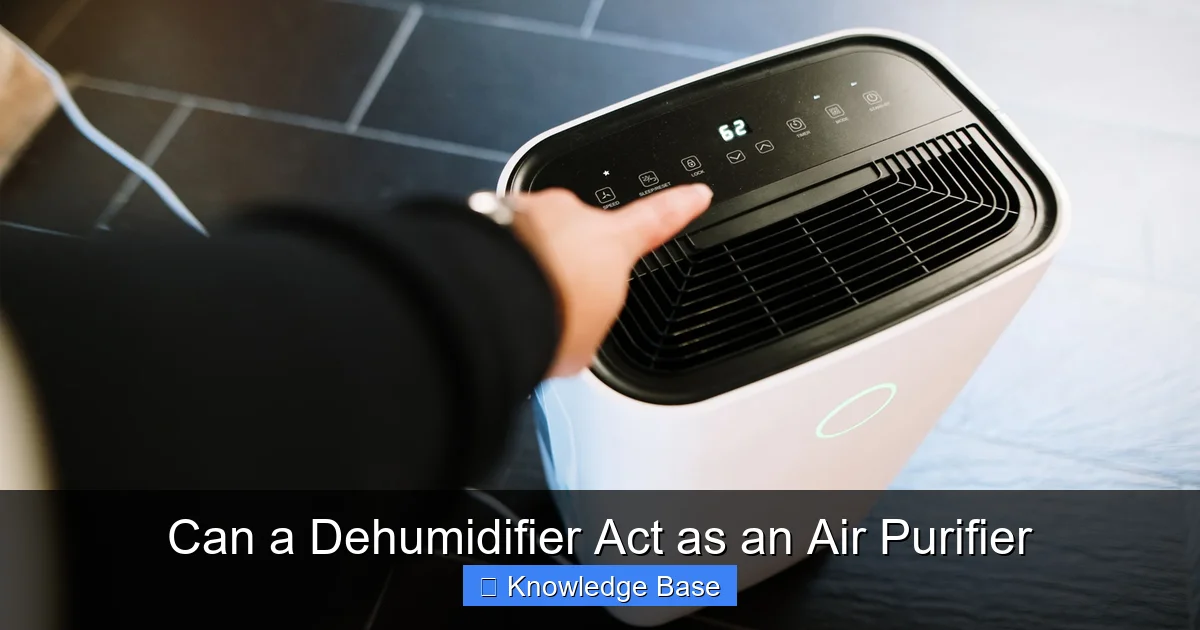
Reality: While a dehumidifier improves air quality by reducing moisture and inhibiting mold, it does not filter out airborne particles. Only an air purifier with a proper filter can do that.
Visual guide about Can a Dehumidifier Act as an Air Purifier
Image source: insideandoutpropertyinspectors.com
Visual guide about Can a Dehumidifier Act as an Air Purifier
Image source: cdn.mos.cms.futurecdn.net
Myth 2: “If I use a dehumidifier, I don’t need an air purifier.”
Reality: This is only true if your main issue is humidity and you don’t have allergies or airborne pollutants. For comprehensive air cleaning, both devices are often necessary.
Myth 3: “All dehumidifiers have HEPA filters.”
Reality: Most do not. Some high-end models may include advanced filters, but standard dehumidifiers use basic pre-filters for machine protection, not air purification.
Myth 4: “Dehumidifiers remove odors.”
Reality: They reduce musty smells caused by mold and mildew, but they don’t eliminate cooking odors, pet smells, or chemical fumes. For that, you need an air purifier with activated carbon.
Myth 5: “Running a dehumidifier will dry out the air too much.”
Reality: Modern units have humidistats that maintain optimal levels. As long as you set it between 40% and 50%, your home should feel comfortable, not dry.
Choosing the Right Devices for Your Home
When shopping for a dehumidifier or air purifier, consider the following factors:
For Dehumidifiers:
- Capacity: Measured in pints per day. Choose based on room size and humidity level. A 30-pint unit is good for a medium basement; a 70-pint for a large, very damp space.
- Energy efficiency: Look for ENERGY STAR certified models to save on electricity.
- Drainage options: Auto-drain hoses are convenient for continuous operation.
- Noise level: Important if placing in a bedroom or quiet area.
For Air Purifiers:
- Filter type: HEPA filters are the gold standard. Avoid ozone-generating models.
- Room size coverage: Match the purifier’s capacity to the room size.
- CADR rating: Clean Air Delivery Rate indicates how quickly it removes smoke, dust, and pollen.
- Maintenance costs: Factor in filter replacement frequency and cost.
Best of Both Worlds: Combo Units
Some manufacturers offer hybrid devices that combine dehumidification and air purification in one unit. While convenient, these often sacrifice performance in one area to accommodate the other. A dedicated dehumidifier and a separate air purifier usually deliver better results.
Conclusion
So, can a dehumidifier act as an air purifier? The answer is nuanced. While it doesn’t filter airborne particles like a true air purifier, it plays a vital role in improving indoor air quality by controlling humidity and preventing the growth of mold, mildew, and dust mites. For many people, especially those in humid climates or with moisture-related issues, a dehumidifier is an essential tool for a healthier home.
However, if your primary concern is removing allergens, smoke, or other airborne pollutants, you’ll need an air purifier with a HEPA or activated carbon filter. The two devices are not interchangeable, but they are highly complementary. Used together, they create a powerful defense against indoor air pollution, offering both immediate and long-term health benefits.
Ultimately, the best approach is to assess your specific needs. Do you battle high humidity? Do you suffer from allergies? Are there smokers or pets in the home? Answering these questions will help you decide whether to invest in a dehumidifier, an air purifier, or both.
Remember, clean air isn’t just about what you can see—it’s about creating an environment where you and your family can breathe easy, sleep well, and live healthier. And sometimes, that means using more than one tool to get the job done.
Frequently Asked Questions
Can a dehumidifier kill mold?
A dehumidifier doesn’t kill existing mold, but it prevents new growth by reducing moisture. For active mold, you’ll need to clean it and use an air purifier to remove spores.
Is it safe to sleep in a room with a dehumidifier running?
Yes, as long as the unit is well-maintained and not excessively noisy. Choose a quiet model and set it to maintain 40–50% humidity for comfort.
Do dehumidifiers work in cold basements?
Refrigerant models lose efficiency below 65°F. For cold spaces, choose a desiccant dehumidifier, which performs better in low temperatures.
Can a dehumidifier help with musty smells?
Yes, by reducing moisture that causes mold and mildew, a dehumidifier can eliminate musty odors over time.
How long does it take for a dehumidifier to work?
It depends on the humidity level and room size. Most units start reducing moisture within a few hours, with noticeable improvement in 1–2 days.
Should I buy a dehumidifier or an air purifier first?
It depends on your main issue. If you have high humidity or mold, start with a dehumidifier. If you have allergies or airborne pollutants, prioritize an air purifier.