
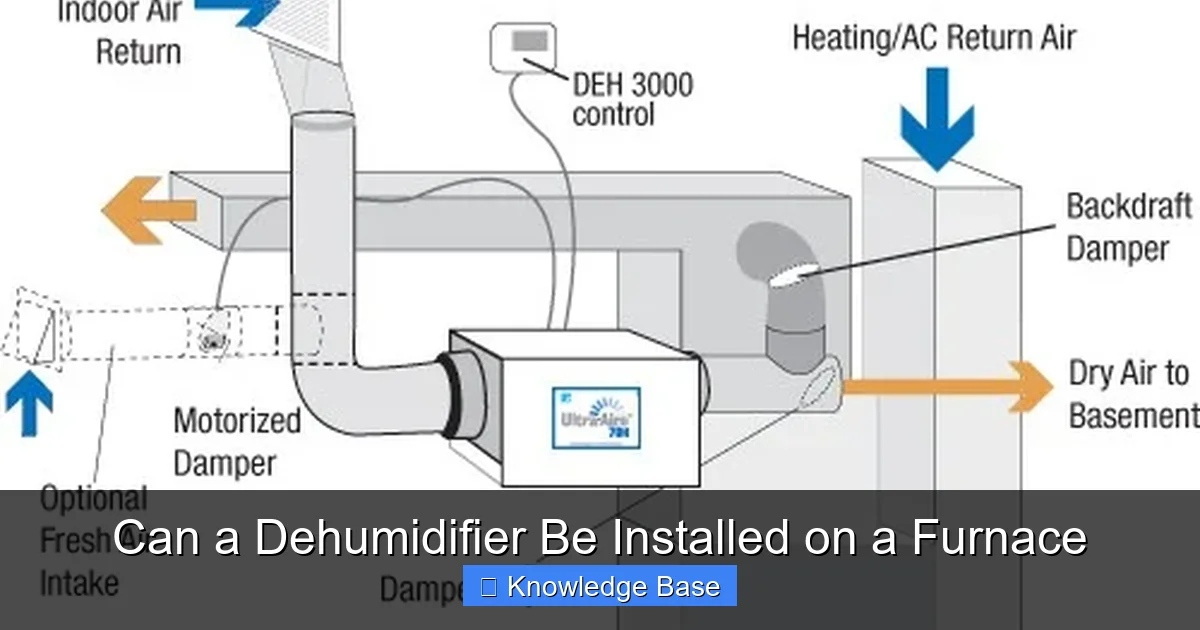
Yes, a dehumidifier can be installed on a furnace—and it’s a smart move for many homes. This integration helps control humidity levels year-round, improves HVAC efficiency, and enhances indoor air quality. Whether you’re dealing with a damp basement or sticky summers, connecting a dehumidifier to your furnace system offers a centralized, energy-efficient solution.
Key Takeaways
- Yes, it’s possible: A dehumidifier can be professionally installed on or near your furnace to work with your HVAC system.
- Improves air quality: Removing excess moisture reduces mold, dust mites, and allergens in your home.
- Boosts HVAC efficiency: Lower humidity makes your air conditioner work less, saving energy and money.
- Two main types: Whole-house dehumidifiers (integrated) and portable units (standalone)—choose based on your needs.
- Professional installation recommended: Proper ducting, electrical, and controls require HVAC expertise.
- Best for humid climates: Homes in damp regions or with basements benefit most from this setup.
- Maintenance matters: Regular filter changes and drain checks keep the system running smoothly.
Quick Answers to Common Questions
Can I install a dehumidifier on my furnace myself?
It’s not recommended. Installation involves ductwork, electrical wiring, and system integration, which require professional expertise to ensure safety and efficiency.
Will a dehumidifier on my furnace increase my energy bill?
Not necessarily. While the dehumidifier uses energy, it can reduce your AC workload by making the air feel cooler, potentially lowering overall energy use.
How often should I run the dehumidifier?
Set it to maintain 30–50% humidity and let it run automatically. Most systems cycle on and off as needed based on the humidistat setting.
Can I use a portable dehumidifier instead?
Yes, but it’s less efficient for whole-home control. Portable units are better for spot treatment or small spaces.
Does my furnace need to be a certain size to support a dehumidifier?
Your furnace’s blower must handle the added airflow. A technician will assess compatibility during installation.
📑 Table of Contents
- Can a Dehumidifier Be Installed on a Furnace?
- How Does a Furnace-Connected Dehumidifier Work?
- Types of Dehumidifiers Compatible with Furnaces
- Benefits of Installing a Dehumidifier on Your Furnace
- Installation Process and Considerations
- Maintenance and Upkeep
- Is a Furnace-Connected Dehumidifier Right for You?
- Conclusion
Can a Dehumidifier Be Installed on a Furnace?
If you’ve ever walked into your basement and felt that sticky, heavy air—or noticed condensation on windows during summer—you’ve experienced high indoor humidity. It’s not just uncomfortable; it can damage your home and affect your health. One effective solution many homeowners overlook is integrating a dehumidifier with their furnace. But can a dehumidifier actually be installed on a furnace? The short answer is yes—and it’s more common than you might think.
Modern HVAC systems are designed to do more than just heat and cool. They can also manage humidity, especially when paired with the right equipment. Installing a dehumidifier on or near your furnace allows it to work in tandem with your heating and cooling system, pulling moisture from the air as it circulates through your ducts. This centralized approach is far more efficient than relying on multiple portable units scattered around the house.
But it’s not just about slapping a dehumidifier onto your furnace and calling it a day. There are different types of systems, installation considerations, and maintenance requirements to keep in mind. In this guide, we’ll walk you through everything you need to know—from how the integration works to whether it’s the right choice for your home.
How Does a Furnace-Connected Dehumidifier Work?
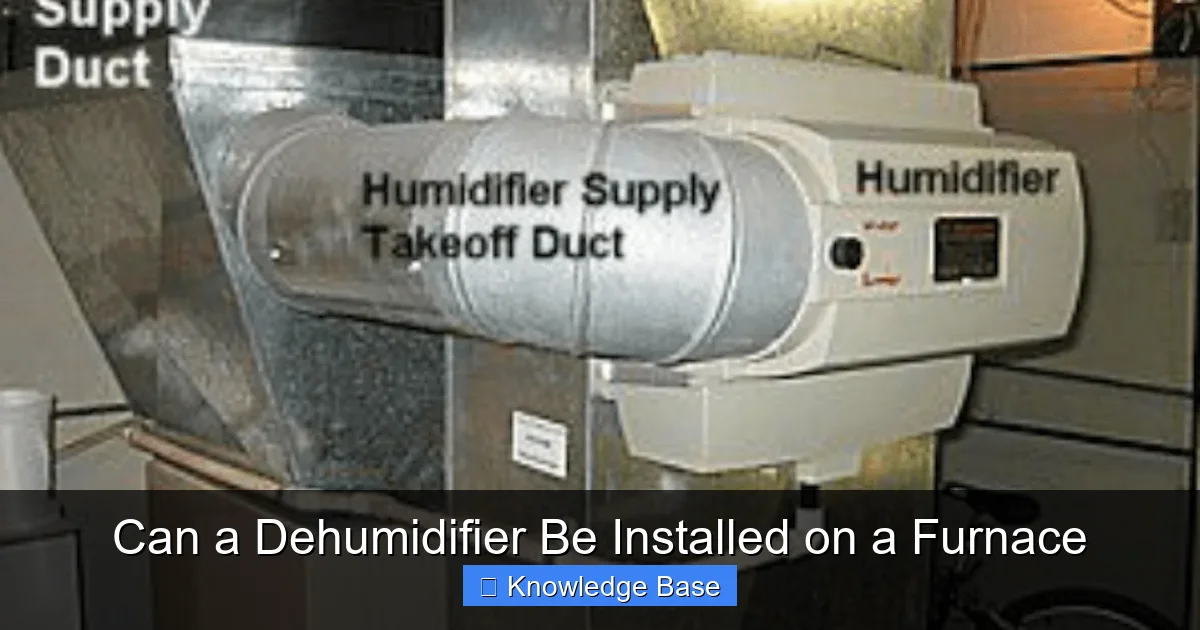
Visual guide about Can a Dehumidifier Be Installed on a Furnace
Image source: thespruce.com
When a dehumidifier is installed on a furnace, it becomes part of your home’s central air system. Instead of treating air in just one room, it processes the air as it moves through the ductwork, effectively dehumidifying your entire home. This is known as a whole-house or whole-home dehumidifier.
Here’s how it typically works: Your furnace’s blower motor circulates air through the duct system. As the air passes through the dehumidifier unit (usually mounted near the furnace or air handler), moisture is removed using one of two main technologies—refrigerant-based or desiccant-based systems.
Refrigerant dehumidifiers, the most common type, work similarly to an air conditioner. They pull in humid air, cool it below its dew point to condense moisture, then reheat the air slightly before sending it back into the ducts. Desiccant dehumidifiers, often used in colder climates or commercial settings, use a moisture-absorbing material (like silica gel) to pull water from the air without cooling it.
The key advantage of this setup is consistency. Instead of running a portable dehumidifier in the basement and another in the living room, you get uniform humidity control throughout your home. Plus, because the furnace’s blower is already moving air, the dehumidifier doesn’t need its own powerful fan, making it quieter and more energy-efficient.
Integration with Existing HVAC Systems
Most modern furnaces and air handlers are compatible with whole-house dehumidifiers. The installation typically involves connecting the dehumidifier unit to the return or supply ductwork. Some systems are installed in the return duct (before the furnace), while others are placed in the supply duct (after the furnace). The best location depends on your home’s layout and the type of dehumidifier.
For example, a refrigerant dehumidifier works best when installed in a warm part of the duct system—usually the supply side—because it needs warm air to operate efficiently. In contrast, desiccant units can function in cooler environments, making them suitable for basements or cold-air returns.
Your HVAC technician will also integrate the dehumidifier’s controls with your thermostat or a dedicated humidity controller. This allows you to set a target humidity level (ideally between 30% and 50%), and the system will automatically turn on when needed. Some smart thermostats even have built-in humidity sensors and can communicate with the dehumidifier for seamless operation.
Types of Dehumidifiers Compatible with Furnaces
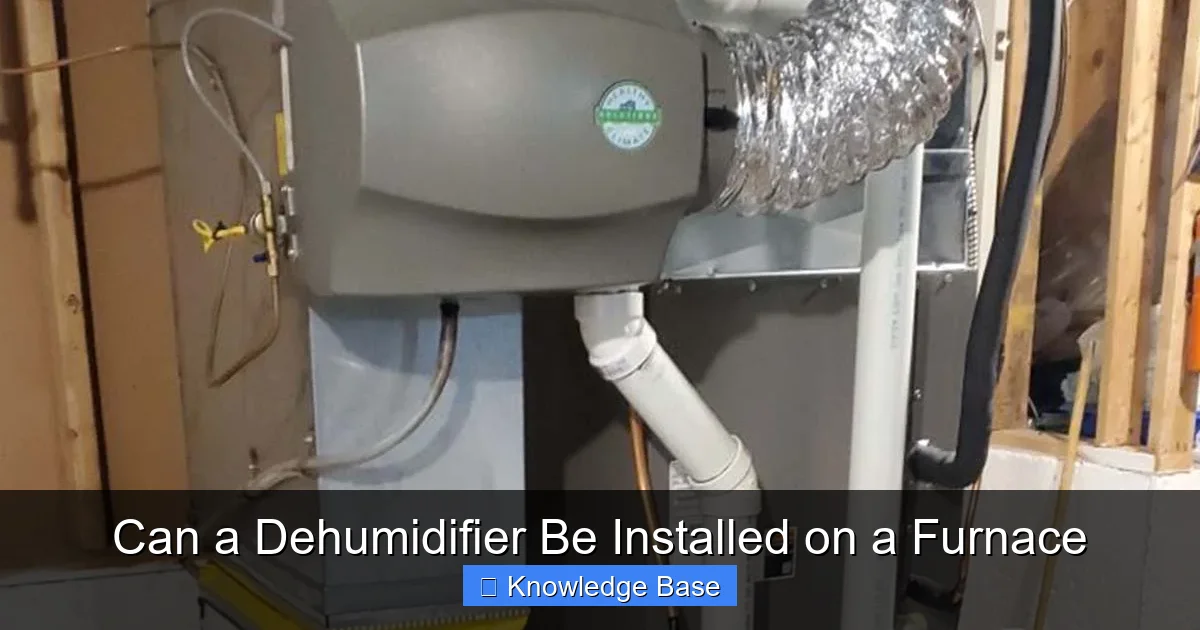
Visual guide about Can a Dehumidifier Be Installed on a Furnace
Image source: fahrhall.com
Not all dehumidifiers are created equal—and not all are designed to work with furnaces. When considering a furnace-connected system, you’ll generally choose between two main types: whole-house dehumidifiers and portable units that can be adapted for central use.
Whole-House Dehumidifiers
These are built specifically for integration with HVAC systems. They’re larger, more powerful, and designed to handle the airflow of an entire home. Most are refrigerant-based and resemble a small air conditioner in size and function.
Whole-house units are typically installed near the furnace or air handler and connected directly to the ductwork. They come with their own drain lines, filters, and control systems. Because they’re part of the central system, they’re usually controlled by a wall-mounted humidistat or a smart thermostat.
One popular example is the AprilAire Model 1820, a ducted whole-house dehumidifier that can remove up to 90 pints of moisture per day. It’s designed to work with most furnaces and includes a built-in pump for draining water, making it ideal for basements or homes without floor drains.
Portable Dehumidifiers (Adapted for Central Use)
While not ideal, some homeowners attempt to connect portable dehumidifiers to their furnace system using ducting and custom adapters. This is generally not recommended for long-term use, but it can work in a pinch—especially in smaller spaces or as a temporary fix.
The challenge with portable units is that they’re not designed for continuous, high-volume airflow. Their fans aren’t strong enough to push air through ductwork, and they lack the controls needed for integration with a thermostat. Additionally, most portable dehumidifiers require manual emptying or a hose to a drain, which can be inconvenient in a central setup.
That said, if you’re on a tight budget or only need dehumidification in one area (like a crawl space), a high-capacity portable unit with a built-in pump might be a viable short-term solution. Just be aware that it won’t offer the same efficiency, convenience, or longevity as a true whole-house system.
Desiccant vs. Refrigerant Dehumidifiers
When choosing a dehumidifier for furnace integration, you’ll also need to decide between desiccant and refrigerant technology.
Refrigerant dehumidifiers are the most common and cost-effective. They work best in warm, humid environments—typically above 65°F (18°C). They’re highly efficient in summer and in homes with central air conditioning. However, their performance drops in colder temperatures, which is why they’re usually installed in warm parts of the duct system.
Desiccant dehumidifiers, on the other hand, use a rotating wheel coated with moisture-absorbing material. They don’t rely on cooling the air, so they work well in cold or low-humidity environments. This makes them ideal for basements, garages, or homes in northern climates where winter air is dry but basements stay damp.
While desiccant units are more expensive and consume more energy, they offer superior performance in specific conditions. Some high-end whole-house systems even combine both technologies for maximum efficiency across seasons.
Benefits of Installing a Dehumidifier on Your Furnace
So why go through the trouble of integrating a dehumidifier with your furnace? The benefits go far beyond just feeling more comfortable. Let’s break down the top advantages.
Improved Indoor Air Quality
High humidity creates the perfect breeding ground for mold, mildew, dust mites, and bacteria. These allergens can trigger asthma, allergies, and respiratory issues—especially in children and the elderly. By maintaining optimal humidity levels (30–50%), a furnace-connected dehumidifier helps reduce these pollutants, leading to cleaner, healthier air.
For example, a family in Florida might struggle with persistent mold growth in their basement. After installing a whole-house dehumidifier on their furnace, they notice fewer musty odors, less dust, and fewer allergy flare-ups—even during the rainy season.
Enhanced HVAC Efficiency
Did you know that humid air feels warmer than dry air at the same temperature? That’s why a 75°F room with 80% humidity feels stickier and more uncomfortable than a 75°F room with 40% humidity. When your home is too humid, you’re likely to turn down the thermostat to compensate, making your air conditioner work harder.
By removing excess moisture, a dehumidifier allows you to keep your thermostat at a higher setting while still feeling comfortable. This can reduce cooling costs by up to 10–15%, according to the U.S. Department of Energy. In warmer climates, this efficiency boost can translate to hundreds of dollars in annual savings.
Protection for Your Home
Excess moisture doesn’t just affect your health—it can damage your home’s structure and belongings. Warped wood floors, peeling paint, rust on metal fixtures, and ruined furniture are all signs of high humidity. Over time, unchecked moisture can even weaken foundations and promote wood rot.
A furnace-connected dehumidifier helps protect your investment by maintaining a stable indoor environment. This is especially important in basements, crawl spaces, and older homes with poor ventilation.
Year-Round Comfort
While many people think of dehumidifiers as a summer-only appliance, they’re useful year-round. In winter, indoor air can become overly dry due to heating systems, leading to dry skin, static electricity, and respiratory irritation. However, in humid climates or homes with poor insulation, winter humidity can still be a problem—especially in basements.
A whole-house dehumidifier gives you precise control over indoor humidity, no matter the season. Some systems even include a “dry air” mode for winter use, helping balance comfort and energy use.
Quieter Operation
Portable dehumidifiers can be noisy, with fans and compressors that run constantly. In contrast, a furnace-connected unit is typically quieter because it uses the furnace’s existing blower to move air. The dehumidifier itself only activates when needed, and many models are designed for low noise output.
This makes whole-house systems ideal for bedrooms, living rooms, and other quiet spaces where noise is a concern.
Installation Process and Considerations
Installing a dehumidifier on your furnace isn’t a DIY project for most homeowners. It requires knowledge of HVAC systems, electrical wiring, and ductwork. That said, understanding the process can help you communicate better with your technician and ensure a successful installation.
Step-by-Step Installation Overview
1. **Assessment:** A qualified HVAC technician will evaluate your home’s size, layout, current humidity levels, and existing ductwork. They’ll determine the best location for the dehumidifier and whether your furnace can support the additional load.
2. **Unit Selection:** Based on your needs, the technician will recommend a whole-house dehumidifier with the right capacity (measured in pints per day). For most homes, a 70–90 pint unit is sufficient.
3. **Ductwork Modifications:** The dehumidifier is typically installed in the return or supply duct near the furnace. This may involve cutting into the duct and installing dampers or bypass ducts to control airflow.
4. **Electrical Connection:** The unit needs a dedicated electrical circuit. Your technician will run wiring from your breaker panel to the dehumidifier, ensuring it meets local code requirements.
5. **Drainage Setup:** The dehumidifier produces water as it removes moisture. This must be drained safely—either into a floor drain, sump pump, or via a condensate pump. The technician will install the necessary tubing and ensure proper slope for drainage.
6. **Control Integration:** The dehumidifier is connected to a humidistat or smart thermostat. This allows you to set your desired humidity level and automate operation.
7. **Testing and Calibration:** Once installed, the system is tested for proper airflow, drainage, and control response. Adjustments are made as needed.
Important Considerations
– **Furnace Compatibility:** Not all furnaces can handle the added airflow resistance of a dehumidifier. Your technician will check your system’s capacity and may recommend upgrades if needed.
– **Duct Size and Layout:** Small or poorly designed ducts can limit performance. In some cases, duct modifications or resizing may be required.
– **Location Matters:** The dehumidifier should be installed in a conditioned space (like a basement or utility room) where temperatures stay above 60°F for refrigerant units.
– **Permits and Codes:** Depending on your location, you may need a permit for electrical or HVAC modifications. Always hire a licensed professional to ensure compliance.
Cost of Installation
The cost of installing a whole-house dehumidifier on your furnace varies widely based on the unit, labor, and home complexity. On average, you can expect to pay between $1,500 and $3,500 for equipment and professional installation.
While this is more expensive than a portable unit ($100–$300), the long-term benefits in comfort, energy savings, and home protection often justify the investment—especially in humid climates or larger homes.
Maintenance and Upkeep
Like any HVAC component, a furnace-connected dehumidifier requires regular maintenance to perform optimally and last for years.
Routine Maintenance Tasks
– **Filter Replacement:** Most units have a washable or replaceable air filter that should be cleaned or changed every 1–3 months. A dirty filter restricts airflow and reduces efficiency.
– **Drain Line Inspection:** Check the drain hose and pump (if equipped) for clogs or leaks. Clean the drain pan periodically to prevent mold growth.
– **Coil Cleaning:** Refrigerant dehumidifiers have evaporator and condenser coils that can collect dust and debris. These should be cleaned annually by a technician.
– **Humidistat Calibration:** Over time, humidity sensors can drift. Have your technician check and recalibrate the humidistat during annual HVAC maintenance.
– **System Inspection:** Schedule a professional inspection once a year to check refrigerant levels, electrical connections, and overall performance.
Signs Your Dehumidifier Needs Attention
– Reduced moisture removal (e.g., water pooling in the drain pan)
– Unusual noises (humming, rattling, or grinding)
– Frequent cycling on and off
– High energy bills
– Musty odors returning
Addressing these issues early can prevent costly repairs or system failure.
Is a Furnace-Connected Dehumidifier Right for You?
While the benefits are clear, this setup isn’t necessary for every home. Here’s how to decide if it’s the right choice for you.
Ideal Candidates
– Homes in humid climates (e.g., Southeast U.S., Gulf Coast)
– Properties with basements, crawl spaces, or poor ventilation
– Families with allergies, asthma, or respiratory conditions
– Older homes with moisture issues
– Large homes (over 2,000 sq. ft.) where portable units are impractical
When It Might Not Be Necessary
– Dry climates (e.g., Southwest U.S.) where humidity is rarely a problem
– Small apartments or condos with central AC that already dehumidifies effectively
– Homes with excellent ventilation and no moisture issues
– Budget-conscious homeowners who can manage with portable units
If you’re unsure, consider having a professional humidity assessment. Many HVAC companies offer free or low-cost evaluations to help you make an informed decision.
Conclusion
So, can a dehumidifier be installed on a furnace? Absolutely—and for many homeowners, it’s a game-changer. By integrating a whole-house dehumidifier with your furnace, you gain centralized humidity control, improved air quality, and greater HVAC efficiency. Whether you’re battling summer stickiness or basement dampness, this setup offers a long-term, energy-smart solution.
While the upfront cost and installation complexity may seem daunting, the benefits far outweigh the investment—especially in humid regions or larger homes. With proper maintenance and professional installation, a furnace-connected dehumidifier can keep your home comfortable, healthy, and protected for years to come.
If you’re ready to take control of your indoor humidity, consult a licensed HVAC technician to explore your options. Your lungs—and your walls—will thank you.
Frequently Asked Questions
How does a whole-house dehumidifier differ from a portable one?
A whole-house dehumidifier is integrated into your HVAC system and treats air throughout your home, while a portable unit only dehumidifies the room it’s in. Whole-house systems are more efficient and convenient for larger spaces.
Can a dehumidifier be installed on any furnace?
Most modern furnaces can support a dehumidifier, but compatibility depends on the system’s size, age, and ductwork. A professional assessment is recommended before installation.
Will a dehumidifier help with mold in my basement?
Yes, by reducing moisture levels, a dehumidifier can prevent mold growth. For best results, ensure proper drainage and ventilation in the basement as well.
Do I still need an air conditioner if I have a dehumidifier?
Yes. A dehumidifier removes moisture but doesn’t cool the air like an AC. In hot climates, you’ll still need air conditioning for temperature control.
How long does a whole-house dehumidifier last?
With proper maintenance, most units last 10–15 years. Regular filter changes and annual inspections help extend lifespan.
Can I control the dehumidifier with my smart thermostat?
Many whole-house dehumidifiers are compatible with smart thermostats that have humidity sensors, allowing for automated, energy-efficient operation.