
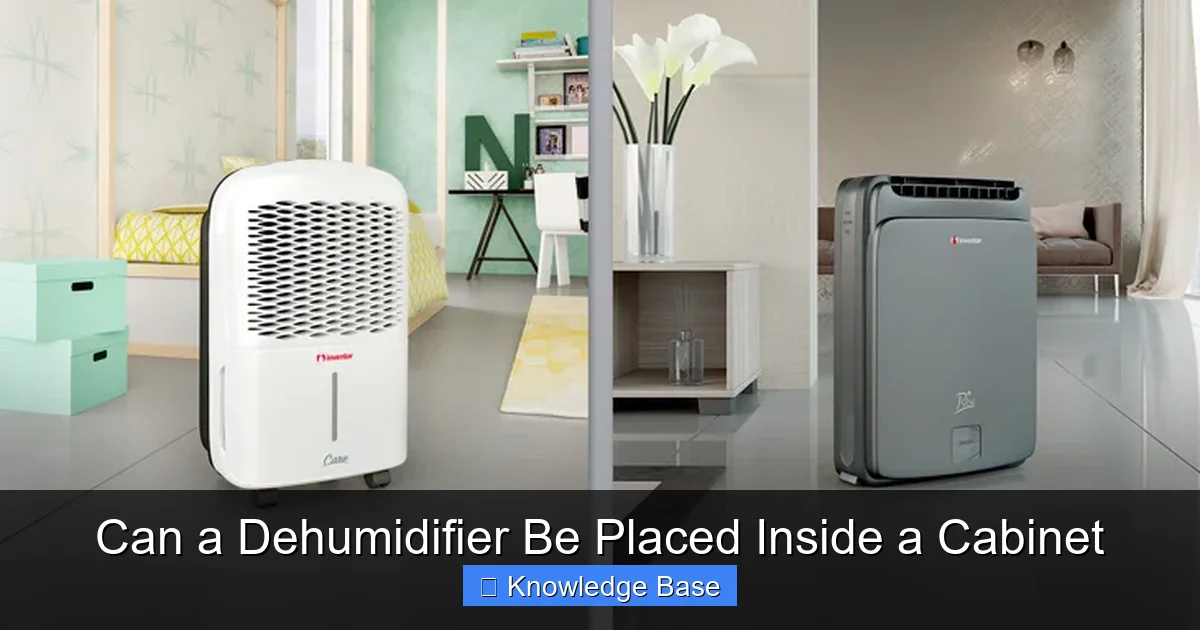
Placing a dehumidifier inside a cabinet is possible but requires careful consideration of ventilation, heat buildup, and model compatibility. While it can help control moisture in small spaces, improper placement may reduce efficiency or pose safety hazards. Always follow manufacturer guidelines and ensure proper airflow.
Key Takeaways
- Ventilation is critical: Dehumidifiers need airflow to function properly; placing them in a sealed cabinet without vents can cause overheating and poor performance.
- Choose the right model: Compact or silent dehumidifiers designed for enclosed spaces are safer and more effective than standard units.
- Monitor temperature and humidity: Use a hygrometer to track conditions inside the cabinet and avoid moisture buildup or over-drying.
- Ensure proper drainage: If using a gravity drain or hose, make sure the cabinet allows for safe water removal without leaks.
- Regular maintenance is essential: Clean filters and coils frequently to prevent mold and maintain efficiency in confined spaces.
- Safety first: Avoid blocking air intakes or exhausts, and never place a dehumidifier in a cabinet with flammable materials.
- Alternative solutions exist: For small cabinets, consider desiccant packs or mini dehumidifiers instead of full-sized units.
Quick Answers to Common Questions
Can I put a regular dehumidifier in a closed cabinet?
It’s not recommended. Regular dehumidifiers need airflow and generate heat, which can build up in a sealed cabinet, leading to overheating and reduced efficiency.
What type of dehumidifier is best for a cabinet?
Desiccant dehumidifiers are ideal because they’re compact, quiet, and produce less heat, making them safer for enclosed spaces.
Do I need to vent a dehumidifier in a cabinet?
Yes, some form of ventilation is essential. Use a cabinet with vents or add small holes to allow air circulation and prevent overheating.
How often should I empty the water tank in a cabinet dehumidifier?
Check the tank every few days during humid weather. Set a reminder to avoid overflow, especially if the cabinet is hard to access.
Can a dehumidifier damage items in a cabinet?
If improperly installed or maintained, yes. Over-drying, leaks, or heat buildup can harm sensitive items. Always monitor humidity and ensure safe operation.
📑 Table of Contents
- Can a Dehumidifier Be Placed Inside a Cabinet?
- How Dehumidifiers Work: The Basics
- Risks of Placing a Dehumidifier Inside a Cabinet
- When It’s Safe and Effective to Use a Dehumidifier in a Cabinet
- Choosing the Right Dehumidifier for Cabinet Use
- Installation and Maintenance Tips
- Alternatives to Using a Dehumidifier in a Cabinet
- Conclusion
Can a Dehumidifier Be Placed Inside a Cabinet?
You’ve got a musty closet, a damp wardrobe, or a storage cabinet full of prized collectibles—maybe vintage clothes, musical instruments, or even a wine collection. Moisture is the enemy, and you’re thinking: “Can I just put a dehumidifier inside the cabinet to solve this?” It’s a smart idea in theory, but the answer isn’t a simple yes or no. While it’s technically possible to place a dehumidifier inside a cabinet, doing so safely and effectively requires understanding how these devices work, the risks involved, and the best practices to follow.
Dehumidifiers are designed to pull moisture from the air, cool it to condense the water, and then release dry air back into the room. This process generates heat and requires airflow. When you tuck a dehumidifier into a small, enclosed space like a cabinet, you risk disrupting this natural cycle. Without proper ventilation, the unit may overheat, work inefficiently, or even shut down. On the other hand, if done correctly—with the right model, setup, and monitoring—it can be a game-changer for protecting your belongings from mold, mildew, and warping.
In this guide, we’ll walk you through everything you need to know about using a dehumidifier inside a cabinet. From understanding the mechanics of dehumidification to choosing the best unit and avoiding common pitfalls, we’ll help you make an informed decision. Whether you’re safeguarding a guitar case, a gun safe, or a linen closet, this article will give you the knowledge to keep your items dry and damage-free.
How Dehumidifiers Work: The Basics
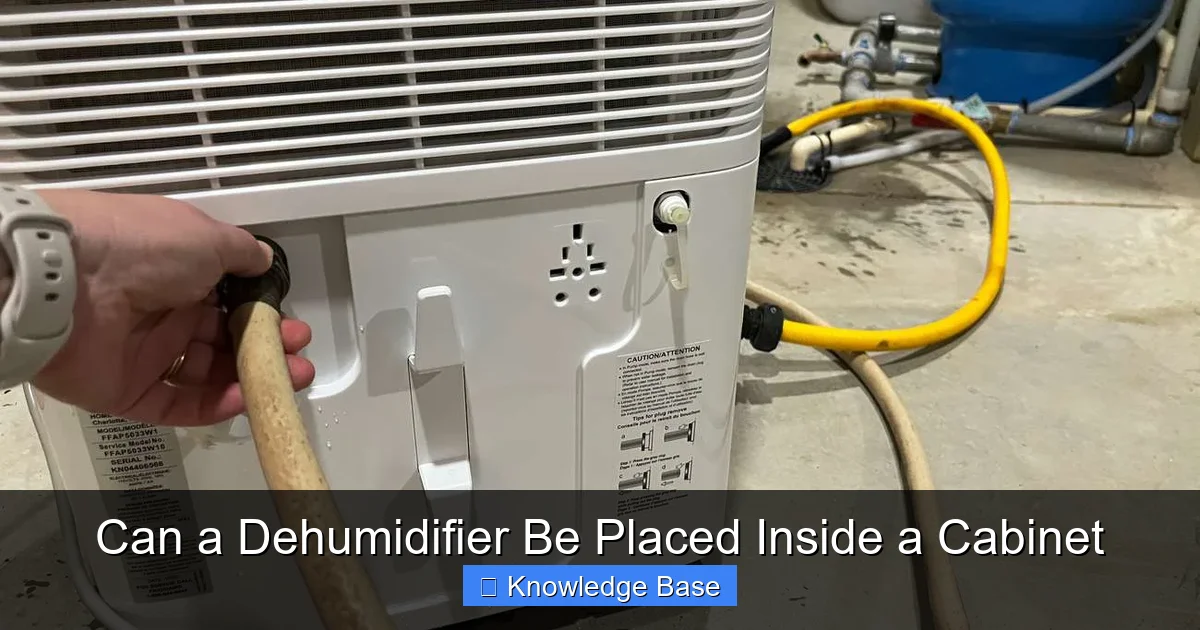
Visual guide about Can a Dehumidifier Be Placed Inside a Cabinet
Image source: thespruce.com
Before deciding whether to place a dehumidifier inside a cabinet, it helps to understand how these devices function. Most home dehumidifiers use one of two technologies: refrigerant (compressor-based) or desiccant. Both remove moisture from the air, but they do so in different ways and have different requirements for optimal performance.
Refrigerant dehumidifiers—the most common type—work similarly to air conditioners. They draw in humid air using a fan, pass it over cold coils to condense the moisture into water, and then reheat the air slightly before releasing it back into the room. This process requires a continuous flow of air and generates heat as a byproduct. Because of this, these units need space around them for air intake and exhaust. Blocking these vents, especially in a confined cabinet, can cause the machine to overheat or cycle inefficiently.
Desiccant dehumidifiers, on the other hand, use a moisture-absorbing material (like silica gel) to pull water from the air. They don’t rely on cooling coils, so they produce less heat and can operate effectively in cooler environments. Some desiccant models are specifically designed for small, enclosed spaces and are quieter and more compact. These are often better suited for cabinet use, especially in areas where noise or heat buildup is a concern.
Understanding these differences is crucial. A standard refrigerant dehumidifier placed in a sealed cabinet without ventilation will struggle to function. It may run constantly, overheat, or fail prematurely. In contrast, a desiccant model—especially one labeled for “enclosed spaces” or “small rooms”—can be a much safer and more effective choice.
Risks of Placing a Dehumidifier Inside a Cabinet
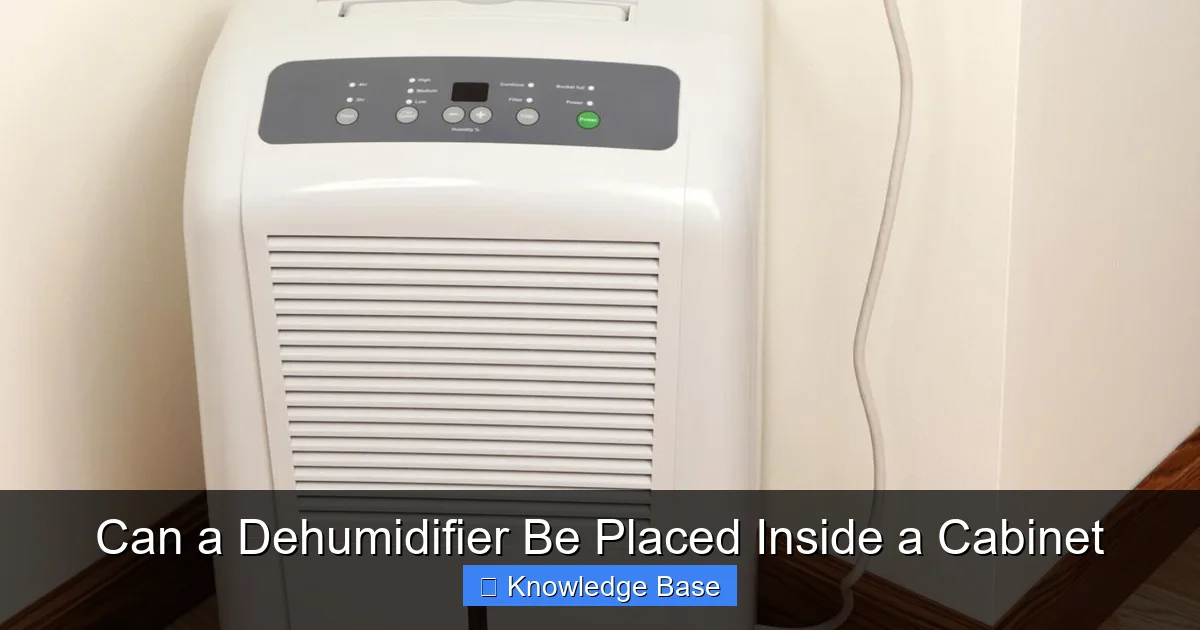
Visual guide about Can a Dehumidifier Be Placed Inside a Cabinet
Image source: thespruce.com
While the idea of placing a dehumidifier inside a cabinet might seem like a neat solution, it comes with several risks that can compromise both the device and your belongings. Ignoring these risks can lead to reduced efficiency, safety hazards, or even damage to the items you’re trying to protect.
One of the biggest concerns is overheating. As mentioned earlier, dehumidifiers generate heat during operation. In an enclosed space with poor airflow, this heat has nowhere to go. The unit may overheat, triggering safety shutoffs or, in extreme cases, posing a fire risk—especially if the cabinet contains flammable materials like paper, fabric, or certain plastics. Even if the dehumidifier doesn’t overheat immediately, prolonged exposure to high internal temperatures can shorten its lifespan and reduce its effectiveness.
Another risk is restricted airflow. Dehumidifiers rely on a constant intake of humid air and the release of dry air. If the cabinet doors are closed or the unit is placed too close to walls or shelves, the airflow becomes limited. This forces the dehumidifier to work harder, increasing energy consumption and wear on internal components. You might notice the unit running nonstop without making a dent in the humidity levels—because it simply can’t “breathe.”
Moisture buildup around the unit is also a concern. If the dehumidifier collects water in an internal tank, that tank needs to be emptied regularly. In a cabinet, accessing the tank can be difficult, and if it overflows, you could end up with water damage to the cabinet or its contents. Even models with continuous drainage require a hose that must exit the cabinet safely—something not all enclosures are designed to accommodate.
Finally, there’s the issue of noise. Many dehumidifiers produce a low hum or fan noise during operation. In a small, enclosed space like a cabinet, this sound can become amplified, creating an annoying buzz that’s hard to ignore—especially if the cabinet is in a bedroom or quiet living area.
When It’s Safe and Effective to Use a Dehumidifier in a Cabinet
Despite the risks, there are situations where placing a dehumidifier inside a cabinet is not only safe but highly effective. The key is choosing the right conditions, the right unit, and the right setup.
First, the cabinet must allow for adequate ventilation. This doesn’t mean leaving the doors wide open all the time—though that helps—it means ensuring that air can flow in and out. Look for cabinets with built-in vents, grilles, or slatted doors. If your cabinet is solid, consider drilling small holes or installing a vent fan to promote airflow. Without this, even the best dehumidifier will struggle.
Second, the dehumidifier should be the right size and type for the space. A full-sized, high-capacity unit designed for a basement or large room will be overkill—and potentially dangerous—in a small cabinet. Instead, opt for a compact model, especially one designed for enclosed spaces. Desiccant dehumidifiers are often ideal because they’re smaller, quieter, and generate less heat. Some models are even specifically marketed for use in gun safes, closets, or musical instrument cases.
Third, the cabinet should be used for items that truly benefit from dehumidification. For example, a guitar cabinet, a wine storage unit, or a safe for important documents are all excellent candidates. These items are sensitive to humidity and can suffer irreversible damage from moisture. In such cases, a properly installed dehumidifier can provide peace of mind and long-term protection.
Finally, the setup must include proper drainage and monitoring. If your dehumidifier uses a water tank, make sure it’s easy to access and empty. For continuous operation, a hose should be routed out of the cabinet—perhaps through a small hole in the back or bottom—to a drain or collection container. And always use a hygrometer (a device that measures humidity) inside the cabinet to monitor levels and ensure the dehumidifier is working as intended.
Choosing the Right Dehumidifier for Cabinet Use
Not all dehumidifiers are created equal—especially when it comes to use in confined spaces. Selecting the right model is crucial for safety, efficiency, and effectiveness. Here’s what to look for when shopping for a dehumidifier to place inside a cabinet.
Start with size and capacity. A dehumidifier’s capacity is measured in pints per day—the amount of moisture it can remove in 24 hours. For a small cabinet (under 10 cubic feet), a unit rated for 10–20 pints per day is usually sufficient. Larger cabinets or those in very humid climates may need a slightly higher capacity, but avoid oversized units. They’ll cycle on and off too frequently, wasting energy and potentially causing temperature swings.
Next, consider the type of dehumidifier. As discussed earlier, desiccant models are often better suited for enclosed spaces. They’re quieter, more compact, and don’t rely on refrigerant coils that can overheat. Look for models labeled as “silent,” “compact,” or “for small spaces.” Some popular options include the Eva-Dry E-333 (a rechargeable desiccant unit) or the Afloia Q10, which is small, quiet, and designed for closets and cabinets.
Noise level is another important factor. Since the dehumidifier will be operating in a confined space, you don’t want it to be loud. Check the decibel (dB) rating—ideally, it should be under 50 dB. Many desiccant units operate at around 35–45 dB, making them nearly silent.
Drainage options matter too. If you’re using a tank-based model, make sure the tank is easy to remove and empty. For continuous use, look for a unit with a hose attachment. This allows you to route water out of the cabinet without opening it frequently. Some models even come with built-in pumps for upward drainage.
Finally, check for safety features. Overheat protection, automatic shutoff, and tip-over protection are essential, especially in enclosed spaces. These features help prevent accidents and extend the life of the unit.
Installation and Maintenance Tips
Once you’ve chosen the right dehumidifier, proper installation and regular maintenance are key to long-term success. A well-installed unit will work efficiently and safely; a neglected one can become a hazard.
Start by positioning the dehumidifier correctly. Place it in the center of the cabinet if possible, away from walls, shelves, or other obstructions. This ensures maximum airflow. If the cabinet has a back panel, leave at least 6 inches of clearance. Avoid placing the unit directly on fabric or paper, which can block the intake and pose a fire risk.
If your cabinet doesn’t have vents, consider adding them. Drill small holes near the top and bottom to allow air circulation. You can also install a low-voltage fan to gently circulate air, helping the dehumidifier work more efficiently.
For drainage, plan ahead. If using a hose, route it through a small hole in the cabinet and direct it to a sink, bucket, or floor drain. Use a drip tray under the unit as a backup in case of leaks. For tank-based models, set a reminder to check and empty the tank regularly—especially during humid months.
Maintenance is just as important. Clean the air filter every 2–4 weeks to prevent dust buildup, which can restrict airflow. Wipe down the coils and water tank with a mild cleaner to prevent mold and bacteria growth. If you notice a musty smell or reduced performance, it’s time for a deep clean.
Finally, monitor humidity levels with a hygrometer. Ideal indoor humidity is between 30% and 50%. If levels stay above 60%, your dehumidifier may be undersized or improperly installed. Adjust as needed.
Alternatives to Using a Dehumidifier in a Cabinet
If placing a dehumidifier inside a cabinet seems too risky or complicated, there are several effective alternatives. These options are often simpler, safer, and more affordable for small spaces.
Silica gel desiccant packs are a popular choice. These small, reusable packets absorb moisture and can be placed directly inside drawers, cases, or cabinets. They’re inexpensive, silent, and require no power. The downside is that they need to be “recharged” regularly by drying them in an oven or microwave. For low-moisture environments, they’re a great temporary solution.
Rechargeable mini dehumidifiers, like the Eva-Dry E-500 or Dry-Packs, offer a middle ground. These devices use desiccant technology and can be plugged in to regenerate without needing water removal. They’re compact, safe, and ideal for small enclosures. Some even come with humidity indicators that change color when it’s time to recharge.
Ventilation improvements can also help. Adding a small fan or upgrading to a cabinet with better airflow can reduce moisture buildup naturally. In some cases, simply leaving the doors slightly ajar or using breathable storage bags can make a big difference.
For high-value items like musical instruments or firearms, consider specialized storage solutions. Many guitar cases, gun safes, and wine coolers come with built-in humidity control systems. These are designed specifically for the items they protect and often include monitoring and automatic adjustment features.
Conclusion
So, can a dehumidifier be placed inside a cabinet? The answer is yes—but with important caveats. It’s not a one-size-fits-all solution, and success depends on choosing the right unit, ensuring proper ventilation, and maintaining the system regularly. While it’s possible to use a standard dehumidifier in a cabinet, it’s often safer and more effective to opt for a compact, desiccant-based model designed for enclosed spaces.
The risks—overheating, poor airflow, water damage, and noise—are real, but they can be managed with careful planning. By following manufacturer guidelines, monitoring humidity levels, and performing routine maintenance, you can protect your belongings from moisture damage without compromising safety or efficiency.
For many people, the peace of mind that comes from knowing their valuables are safe from mold and mildew is worth the effort. Whether you’re storing vintage clothes, musical instruments, or important documents, a well-placed dehumidifier can be a powerful ally in the fight against humidity.
Just remember: when in doubt, start small. Try a rechargeable desiccant unit or improve ventilation before investing in a full dehumidifier. And always prioritize safety—your belongings are important, but so is your home.
With the right approach, you can keep your cabinets dry, your items protected, and your mind at ease.
Frequently Asked Questions
Is it safe to run a dehumidifier in a small enclosed space?
It can be safe if the unit is designed for small spaces and has proper ventilation. Avoid blocking air intakes and monitor temperature to prevent overheating.
How do I know if my cabinet needs a dehumidifier?
Signs include musty odors, visible mold, warped wood, or condensation on surfaces. Use a hygrometer to check if humidity levels exceed 60%.
Can I use a dehumidifier in a gun safe?
Yes, many gun owners use compact desiccant dehumidifiers in safes to prevent rust and corrosion. Choose a model specifically designed for safes.
Do dehumidifiers use a lot of electricity in cabinets?
Compact models use minimal power, especially desiccant units. They’re generally energy-efficient for small spaces when used correctly.
What happens if a dehumidifier overheats in a cabinet?
Most units have safety shutoffs, but prolonged overheating can damage the device or pose a fire risk. Always ensure proper airflow.
Can I leave a dehumidifier in a cabinet running 24/7?
Yes, if it’s designed for continuous use and has a drain hose or large tank. Monitor it regularly to ensure safe and efficient operation.