
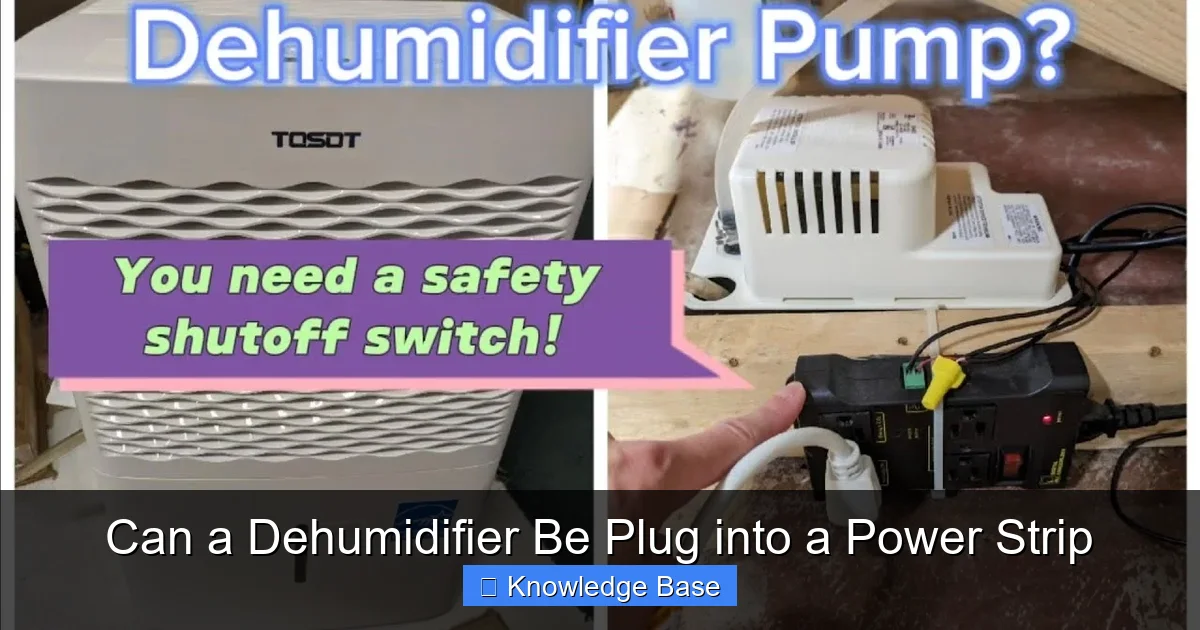
Yes, you can plug a dehumidifier into a power strip, but it’s not always safe or recommended. Dehumidifiers draw significant power, and using the wrong power strip can lead to overheating, tripped circuits, or even fire hazards. Always check your unit’s wattage and use a heavy-duty surge protector designed for high-wattage appliances.
Key Takeaways
- Check the dehumidifier’s power requirements: Most dehumidifiers use 500–750 watts, but larger models can exceed 1,000 watts—know your unit’s specs before plugging in.
- Use only heavy-duty power strips: Standard power strips aren’t built for continuous high-load devices; opt for industrial-grade surge protectors with 15-amp ratings or higher.
- Avoid daisy-chaining power strips: Plugging one power strip into another increases fire risk and can overload the circuit.
- Prefer direct wall outlet connection: For maximum safety, plug your dehumidifier directly into a grounded wall outlet whenever possible.
- Look for safety certifications: Choose power strips with UL, ETL, or CSA certification to ensure they meet national electrical safety standards.
- Monitor for overheating or tripping: If your breaker trips often or the power strip feels warm, unplug immediately—it’s a sign of overload.
- Consider smart plugs with monitoring: Some smart plugs offer energy tracking and automatic shutoff, adding an extra layer of protection.
Quick Answers to Common Questions
Can I plug a 700-watt dehumidifier into a 15-amp power strip?
Yes, but only if the power strip is heavy-duty and rated for at least 15 amps. A 700-watt dehumidifier draws about 5.8 amps, which is within the safe range—but avoid adding other high-wattage devices.
Is it safe to use an extension cord with a dehumidifier?
Yes, if it’s a heavy-duty, 14-gauge or thicker cord rated for outdoor or industrial use. Never use lightweight or indoor-only extension cords.
Can a dehumidifier trip a GFCI outlet?
Yes, especially if there’s a minor leak or moisture issue. GFCI outlets are sensitive and may trip if they detect a ground fault. Try resetting the outlet or moving the dehumidifier to a different circuit.
Should I unplug my dehumidifier when not in use?
It’s a good idea, especially if you’re away for long periods. This reduces wear on the unit and eliminates any risk of electrical issues while you’re gone.
Can I use a smart plug with my dehumidifier?
Yes, but only if the smart plug is rated for the dehumidifier’s wattage (usually 15 amps or higher). Avoid using smart plugs with compressors that have high startup surges unless specified by the manufacturer.
📑 Table of Contents
- Can a Dehumidifier Be Plug into a Power Strip? The Short Answer
- How Much Power Does a Dehumidifier Actually Use?
- Why Standard Power Strips Are a Bad Idea
- When Is It Safe to Use a Power Strip with a Dehumidifier?
- Best Practices for Safe Dehumidifier Use
- Real-World Examples and Scenarios
- Conclusion: Safety First, Convenience Second
Can a Dehumidifier Be Plug into a Power Strip? The Short Answer
So, you’ve just bought a shiny new dehumidifier to tackle that musty basement smell or keep your laundry room from turning into a swamp. It’s working great—until you realize all your wall outlets are taken. No problem, right? Just plug it into that power strip you’ve had lying around since college.
Hold on. Before you do that, let’s talk safety. While it might seem convenient to plug your dehumidifier into a power strip, it’s not always the best idea. Dehumidifiers are power-hungry appliances. They run for hours—sometimes days—at a time, pulling a lot of electricity to pull moisture from the air. If you use the wrong kind of power strip, you could be setting yourself up for overheating, tripped breakers, or even a fire hazard.
The good news? You can safely use a power strip with your dehumidifier—if you do it right. It all comes down to understanding your appliance’s power needs, choosing the correct type of power strip, and following a few simple safety rules. In this guide, we’ll walk you through everything you need to know so you can keep your home dry and your electrical system safe.
How Much Power Does a Dehumidifier Actually Use?
To decide whether it’s safe to plug your dehumidifier into a power strip, you first need to know how much electricity it uses. Most people assume dehumidifiers are like fans or small heaters—modest energy users. But that’s not quite true.
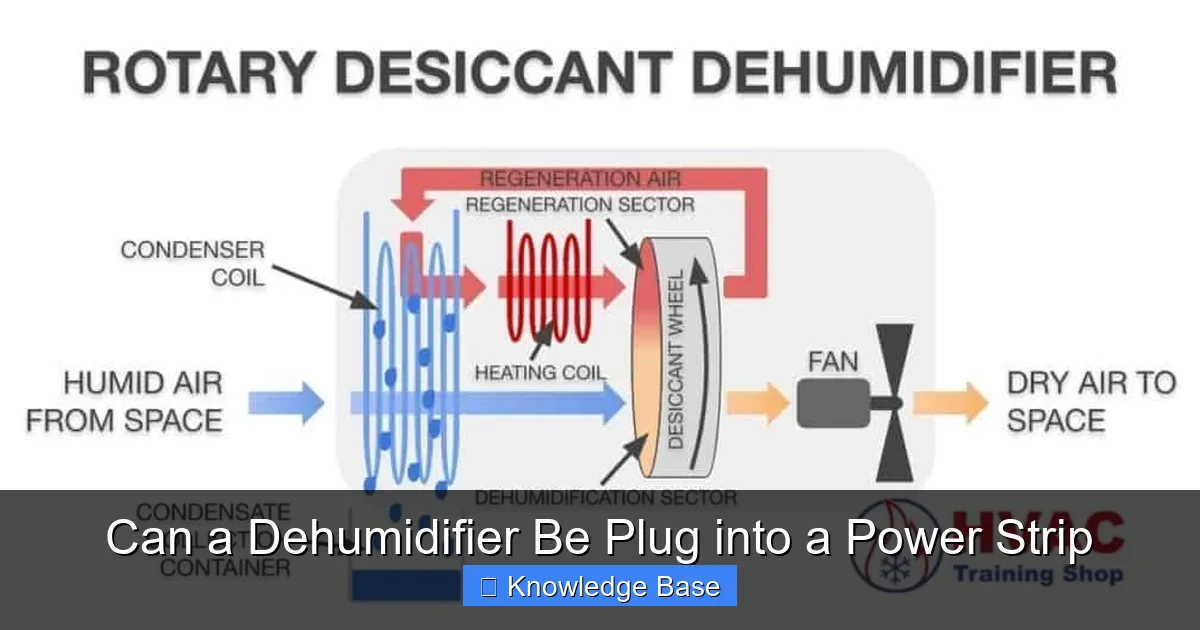
Visual guide about Can a Dehumidifier Be Plug into a Power Strip
Image source: hvactrainingshop.com
Typical Wattage and Amperage
A standard residential dehumidifier typically uses between 500 and 750 watts of power. However, larger units—especially those designed for basements, crawl spaces, or whole-house use—can draw over 1,000 watts. To put that in perspective, a typical microwave uses about 1,000 watts, and a space heater can go up to 1,500 watts.
Most dehumidifiers operate on a standard 120-volt household circuit. Using the formula Watts = Volts × Amps, a 750-watt dehumidifier draws about 6.25 amps (750 ÷ 120 = 6.25). That might not sound like much, but remember: dehumidifiers run continuously for long periods. Even a small overload can cause problems over time.
Starting Surge vs. Running Load
Another factor to consider is the starting surge. When a dehumidifier first turns on, its compressor kicks in and draws significantly more power—sometimes up to twice the normal running load. This brief spike can trip a circuit breaker or overload a weak power strip, even if the average usage is within safe limits.
For example, a dehumidifier that normally runs at 6 amps might spike to 12 amps for a second or two at startup. If your power strip or circuit is already near capacity, that surge could be the final straw.
Energy Efficiency Matters
Not all dehumidifiers are created equal. ENERGY STAR-certified models are designed to use less electricity while removing the same amount of moisture. If you’re concerned about power usage—and safety—look for units with high efficiency ratings. These models often have lower wattage and gentler startup surges, making them safer to use with power strips.
You can find the exact power requirements for your dehumidifier in the user manual or on a label near the power cord. Look for terms like “Rated Power,” “Input,” or “Wattage.” This info is crucial for making smart decisions about where and how to plug in your appliance.
Why Standard Power Strips Are a Bad Idea
Now that you know how much power a dehumidifier uses, let’s talk about why your average power strip might not cut it. Most power strips sold at big-box stores or online are designed for low-power devices like lamps, phone chargers, or computer peripherals. They’re not built to handle the constant, high-load demands of appliances like dehumidifiers.
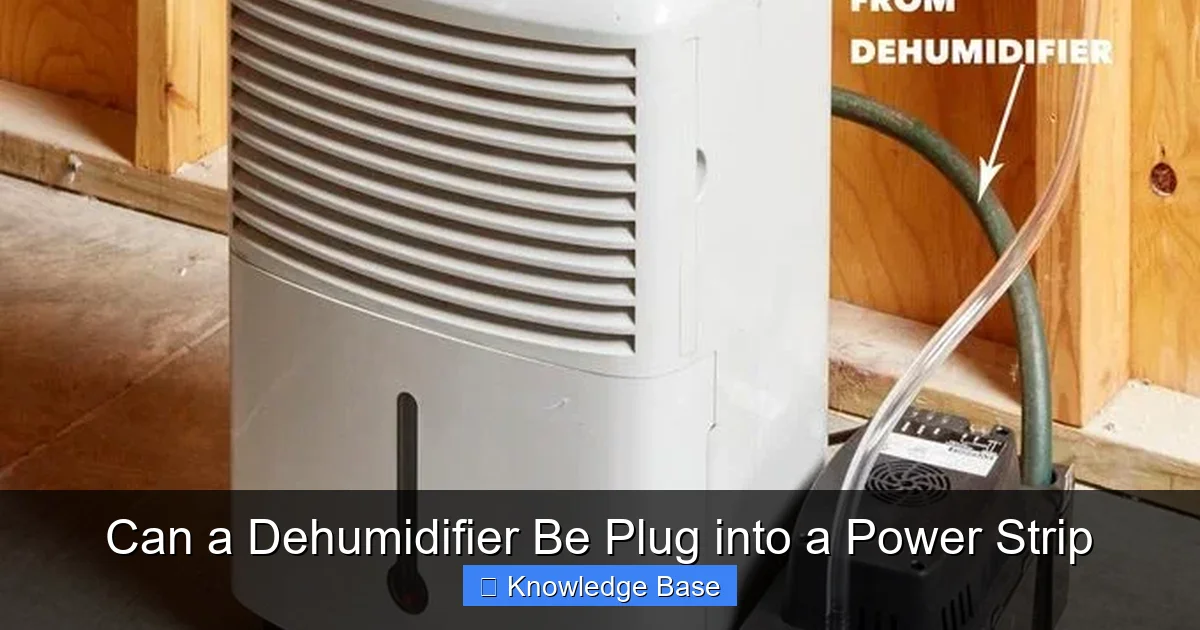
Visual guide about Can a Dehumidifier Be Plug into a Power Strip
Image source: familyhandyman.com
Overheating and Fire Risk
The biggest danger of using a standard power strip with a dehumidifier is overheating. When a power strip carries more current than it’s rated for, the internal wires and connections can get hot. Over time, this heat can damage the insulation, melt plastic components, or even ignite nearby materials.
According to the National Fire Protection Association (NFPA), electrical failures or malfunctions are a leading cause of home fires. Many of these incidents involve overloaded extension cords or power strips. A dehumidifier running nonstop on a weak power strip is a perfect storm for trouble.
Circuit Overload and Tripped Breakers
Even if your power strip doesn’t catch fire, it might still cause problems. If the total load on a circuit exceeds its capacity—usually 15 or 20 amps for residential circuits—the breaker will trip. This is a safety feature, but it’s also a sign that you’re pushing your electrical system too hard.
Imagine this: you’ve plugged your dehumidifier, a space heater, and a few lamps into the same power strip, which is connected to an outlet on a 15-amp circuit. The combined load could easily exceed 15 amps, especially when the dehumidifier kicks on. The result? A tripped breaker and a damp basement.
Poor Build Quality and Lack of Protection
Many cheap power strips lack essential safety features. They may not have surge protection, overload indicators, or thermal fuses. Some even use thin-gauge wiring that can’t handle high currents. When you plug a dehumidifier into one of these, you’re essentially gambling with your home’s electrical safety.
Additionally, standard power strips often have multiple outlets, encouraging users to plug in several devices. This “daisy-chaining” effect—plugging one power strip into another—multiplies the risk. It’s a common mistake, but one that can lead to serious consequences.
When Is It Safe to Use a Power Strip with a Dehumidifier?
So, does that mean you should never use a power strip? Not necessarily. With the right precautions, it can be safe—especially if you don’t have a nearby wall outlet or need to position your dehumidifier away from the wall.
Use a Heavy-Duty Surge Protector
The key is to use a heavy-duty power strip or surge protector designed for high-wattage appliances. These units are built with thicker wires, higher amp ratings, and better heat dissipation. Look for models rated for at least 15 amps and 1875 watts (120V × 15A = 1800W). Some industrial-grade strips go up to 20 amps.
Brands like Tripp Lite, APC, and Belkin offer surge protectors specifically made for appliances like dehumidifiers, air conditioners, and refrigerators. These often include features like:
- Thermal fuses that cut power if overheating occurs
- LED indicators showing proper grounding and surge protection
- Robust metal housings for better durability
- Longer, 14-gauge or 12-gauge cords for reduced resistance
Check for Safety Certifications
Always look for power strips with safety certifications from recognized organizations like UL (Underwriters Laboratories), ETL (Intertek), or CSA (Canadian Standards Association). These labels mean the product has been tested and meets national electrical safety standards.
Avoid uncertified or “no-name” power strips, especially those sold at discount stores or online marketplaces. They may look similar to certified models, but they often lack proper safety testing and can be dangerously flawed.
Limit Other Devices on the Same Strip
Even with a heavy-duty power strip, avoid plugging in other high-wattage devices. Keep the dehumidifier as the only major appliance on the strip. If you need to power a small lamp or phone charger, that’s usually fine—but don’t add a space heater, microwave, or another dehumidifier.
Also, never plug a power strip into an extension cord or another power strip. This creates a dangerous daisy chain that increases resistance and heat buildup. If you need more reach, use a heavy-duty extension cord rated for outdoor or industrial use—and plug that directly into the wall.
Best Practices for Safe Dehumidifier Use
Using a dehumidifier safely goes beyond just choosing the right power strip. Here are some best practices to keep your home dry and your electrical system protected.
Plug Directly into a Wall Outlet When Possible
The safest way to power your dehumidifier is to plug it directly into a grounded wall outlet. This eliminates the risk of overloading a power strip and ensures maximum power delivery. If the outlet is far from your dehumidifier, consider relocating the unit or using a heavy-duty extension cord instead of a power strip.
Use a Dedicated Circuit
For large dehumidifiers or those running 24/7, consider having a dedicated circuit installed by a licensed electrician. This means the outlet powers only the dehumidifier, reducing the chance of overload. It’s a more expensive solution, but it’s ideal for basements, garages, or commercial spaces.
Monitor for Warning Signs
Even with precautions, stay alert for signs of trouble. If your power strip feels warm to the touch, emits a burning smell, or causes frequent breaker trips, unplug the dehumidifier immediately. These are red flags that something is wrong.
Also, check the power cord and plug regularly for fraying, cracks, or discoloration. Damaged cords can cause shocks or fires and should be replaced right away.
Consider Smart Plugs for Extra Safety
Smart plugs with energy monitoring can add an extra layer of protection. Devices like the TP-Link Kasa Smart Plug or Wyze Plug let you track how much power your dehumidifier is using. Some models can even shut off automatically if they detect abnormal power draw or overheating.
While smart plugs aren’t a substitute for a proper power strip, they can help you catch problems early and give you peace of mind.
Real-World Examples and Scenarios
Let’s look at a few common situations to see how these guidelines apply in real life.
Scenario 1: Basement Dehumidifier with No Nearby Outlet
You’ve set up a dehumidifier in your basement to prevent mold, but the nearest outlet is 15 feet away. You don’t want to run an extension cord across the room for tripping hazards.
Solution: Use a heavy-duty, 14-gauge extension cord rated for 15 amps. Plug the dehumidifier directly into the cord, and plug the cord into the wall. Avoid using a power strip unless absolutely necessary—and if you do, choose a 15-amp surge protector with a long cord.
Scenario 2: Multiple Appliances in a Laundry Room
Your laundry room has a dehumidifier, a washing machine, and a space heater—all competing for the same outlet.
Solution: Never plug the dehumidifier and space heater into the same power strip. They’re both high-wattage devices and can easily overload a circuit. Instead, plug the dehumidifier directly into the wall, and use a separate outlet for the heater. If outlets are limited, consult an electrician to install additional ones.
Scenario 3: Travel or Rental with Limited Outlets
You’re staying in a rental cabin with only one outlet in the bedroom, and you need to run a dehumidifier, lamp, and phone charger.
Solution: Use a certified heavy-duty power strip with surge protection. Plug only the dehumidifier and low-power devices (like the lamp and charger) into it. Avoid adding anything else, and unplug the strip when not in use.
Conclusion: Safety First, Convenience Second
So, can a dehumidifier be plug into a power strip? The answer is yes—but only if you take the right precautions. Standard power strips aren’t designed for high-wattage, continuous-use appliances like dehumidifiers. Using them can lead to overheating, tripped breakers, or even fires.
The safest approach is to plug your dehumidifier directly into a grounded wall outlet. If that’s not possible, use a heavy-duty, certified surge protector rated for at least 15 amps. Always check your dehumidifier’s power requirements, avoid daisy-chaining, and monitor for warning signs like warmth or tripping.
Remember, your dehumidifier is there to protect your home from moisture and mold. Don’t let a preventable electrical issue undo that protection. By following these guidelines, you can keep your air dry, your appliances running smoothly, and your home safe.
Frequently Asked Questions
Can a dehumidifier be plug into a power strip?
Yes, but only if the power strip is heavy-duty and rated for high-wattage appliances. Standard power strips can overheat or fail under the continuous load of a dehumidifier.
What kind of power strip should I use for a dehumidifier?
Use a heavy-duty surge protector with at least a 15-amp rating, 14-gauge or thicker wiring, and safety certifications like UL or ETL. Avoid cheap or uncertified models.
Can I plug other appliances into the same power strip as my dehumidifier?
Only low-wattage devices like lamps or phone chargers. Avoid high-power appliances like space heaters, microwaves, or additional dehumidifiers to prevent overload.
Is it better to plug a dehumidifier directly into the wall?
Yes, plugging directly into a grounded wall outlet is the safest option. It reduces the risk of overloading a power strip and ensures stable power delivery.
What happens if I overload a power strip with a dehumidifier?
Overloading can cause overheating, melted components, tripped breakers, or even electrical fires. Always match the power strip’s capacity to the dehumidifier’s wattage.
Can a dehumidifier damage a power strip over time?
Yes, especially if the power strip isn’t rated for continuous high loads. Over time, heat buildup can degrade internal components, leading to failure or safety hazards.