

Yes, a dehumidifier can often be repaired instead of replaced. Many common problems—like a frozen coil, clogged filter, or faulty humidistat—can be fixed at home with basic tools and troubleshooting. Knowing when to repair versus replace helps you save money and reduce waste.
Key Takeaways
- Most dehumidifiers can be repaired: Common issues like airflow problems, strange noises, or failure to collect water are often fixable with simple steps.
- Regular maintenance prevents breakdowns: Cleaning filters, coils, and water tanks monthly extends your unit’s lifespan and avoids costly repairs.
- DIY repairs save money: Simple fixes like replacing a capacitor or clearing a clogged drain hose cost far less than buying a new unit.
- Safety first: Always unplug the dehumidifier before inspecting or repairing internal components to avoid electric shock.
- Know when to call a professional: Refrigerant leaks, compressor failure, or electrical faults may require certified HVAC technicians.
- Warranty matters: Attempting DIY repairs on a unit under warranty could void coverage—check your terms first.
- Replacement may be smarter long-term: If your unit is over 7–10 years old and needs major repairs, investing in a newer, energy-efficient model may be more cost-effective.
Quick Answers to Common Questions
Can I fix a dehumidifier that won’t turn on?
Yes, start by checking the power source, water tank alignment, and reset button. If those don’t work, the issue may be a blown fuse or faulty control board.
Why is my dehumidifier making a loud noise?
Loud noises often come from loose parts, a worn fan motor, or compressor issues. Tighten screws first, then inspect moving components.
How often should I clean my dehumidifier filter?
Clean the air filter every 4–6 weeks during heavy use, or monthly if you run the unit frequently.
Can I replace a dehumidifier capacitor myself?
Yes, if you have basic electrical skills and a multimeter. Always unplug the unit and discharge the capacitor safely before replacing it.
Is it worth repairing a 10-year-old dehumidifier?
Generally, no—especially if the repair cost is high. Newer models are more efficient and may save you money on energy bills.
📑 Table of Contents
- Can a Dehumidifier Be Repaired? The Short Answer
- Common Dehumidifier Problems—and How to Fix Them
- DIY Repair Tips: What You Can Fix at Home
- When to Call a Professional
- Repair vs. Replace: Making the Smart Choice
- Preventative Maintenance: Keep Your Dehumidifier Running Smoothly
- Conclusion: Yes, Your Dehumidifier Can Likely Be Repaired
Can a Dehumidifier Be Repaired? The Short Answer
If your dehumidifier has stopped working, started making odd noises, or simply isn’t pulling moisture from the air like it used to, you’re probably wondering: *Can a dehumidifier be repaired?* The good news is—yes, in most cases, it can. Unlike some appliances that are designed to be disposable, dehumidifiers are built with serviceable components, and many common malfunctions can be diagnosed and fixed without calling in an expensive technician.
Think of your dehumidifier like a small air conditioner. It pulls in humid air, cools it to remove moisture, then reheats and releases dry air back into the room. This process involves fans, coils, a compressor, and a water collection system—all of which can wear out or get clogged over time. But because these parts are mechanical and accessible, many issues are repairable with a bit of patience and the right guidance.
That said, not every problem is worth fixing. If your unit is old, inefficient, or suffering from a major component failure (like a seized compressor), replacement might be the smarter choice. But before you toss it in the trash, take a closer look. You might be surprised how often a simple cleaning or part replacement brings your dehumidifier back to life.
Common Dehumidifier Problems—and How to Fix Them
Visual guide about Can a Dehumidifier Be Repaired
Image source: hvactraining101.com
Most dehumidifier issues fall into a few predictable categories. By learning to recognize the symptoms, you can often pinpoint the cause and decide whether it’s something you can tackle yourself.
Unit Won’t Turn On
If your dehumidifier doesn’t respond when you press the power button, start with the basics:
– Check the power outlet by plugging in another device.
– Inspect the power cord for fraying or damage.
– Make sure the water tank is properly seated—many units have a safety switch that prevents operation when the tank is full or misaligned.
If all that checks out, the issue might be a blown fuse or a faulty control board. Some models have a reset button on the back or side—press it to see if that restores power. If not, you may need to test the internal fuse with a multimeter or consult a technician.
Not Collecting Water
When your dehumidifier runs but doesn’t collect any water, the problem is usually related to airflow or temperature:
– A clogged air filter restricts airflow, reducing efficiency. Clean or replace the filter every 4–6 weeks during heavy use.
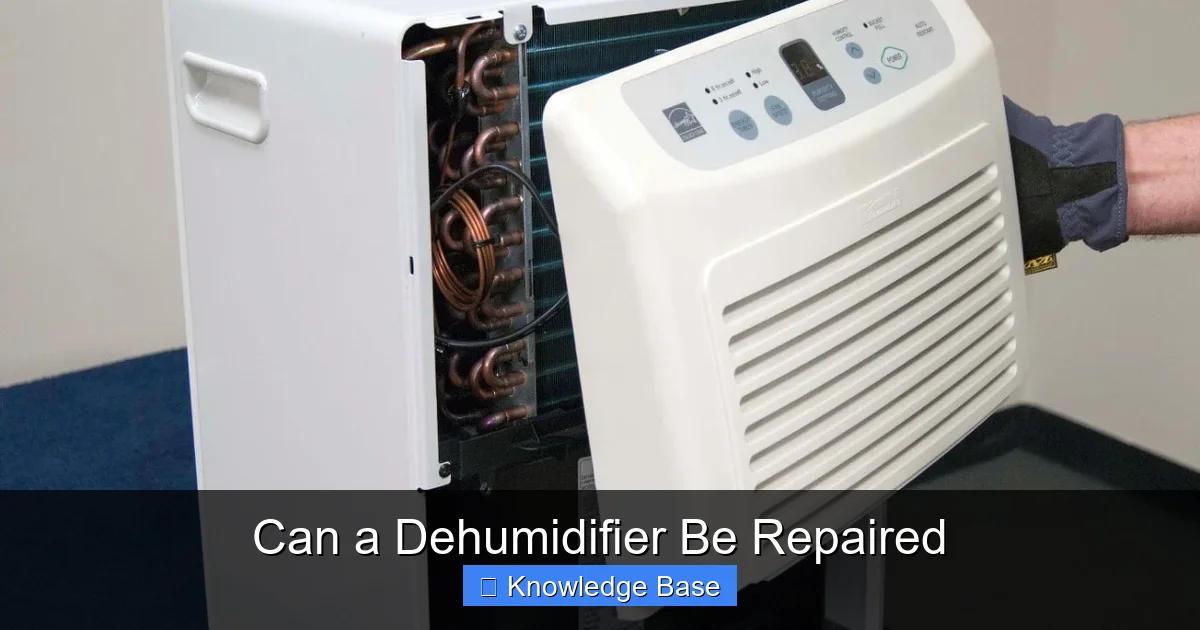
– Dirty evaporator coils can’t cool the air enough to condense moisture. Use a soft brush or coil cleaner to remove dust and debris.
– If the room is too cold (below 65°F), the coils may freeze, preventing water collection. Move the unit to a warmer area or let it thaw.
Also, check the humidistat—the sensor that detects humidity levels. If it’s miscalibrated or broken, the unit might not recognize when to run. Some models allow you to adjust the humidistat setting; others may need professional calibration.
Frozen Coils
Frost or ice buildup on the coils is a telltale sign of restricted airflow or low refrigerant. First, turn off the unit and let it defrost completely (this can take several hours). Then:
– Clean the air filter and coils thoroughly.
– Ensure the unit isn’t placed too close to walls or furniture, which can block airflow.
– Check the fan—if it’s not spinning freely, it may need lubrication or replacement.
If the coils freeze again after cleaning, the refrigerant level might be low. This requires a licensed technician to diagnose and recharge the system.
Loud or Unusual Noises
Rattling, grinding, or squealing sounds often point to mechanical issues:
– Loose panels or screws can cause rattling. Tighten all external fasteners.
– A worn fan motor or blade may produce grinding or whining noises. Inspect the fan assembly and replace if damaged.
– Compressor knocking could indicate internal wear—this is more serious and may require professional repair.
Always unplug the unit before investigating internal components. Safety is critical when dealing with moving parts.
Water Leaking or Overflowing
If water is pooling around your dehumidifier, check these common causes:
– The water tank may be cracked or not seated correctly. Empty and reseat it firmly.
– The drain hose (if used) could be kinked, clogged, or disconnected. Straighten or clean it as needed.
– In continuous drainage setups, a clogged condensate pump or hose can cause backups.
Also, inspect the float switch—a small device that shuts off the unit when the tank is full. If it’s stuck or damaged, the tank may overflow even when full.
DIY Repair Tips: What You Can Fix at Home
Visual guide about Can a Dehumidifier Be Repaired
Image source: howtofixit.net
You don’t need to be a certified technician to fix many dehumidifier problems. With basic tools and a little know-how, you can handle several common repairs yourself.
Tools You’ll Need
– Screwdrivers (Phillips and flathead)
– Multimeter (for testing electrical components)
– Soft brush or vacuum with brush attachment
– Coil cleaner (available at hardware stores)
– Replacement parts (filters, capacitors, fuses—check your model number)
Always refer to your owner’s manual for disassembly instructions and safety warnings.
Step-by-Step: Cleaning the Air Filter
1. Unplug the dehumidifier.
2. Remove the front panel or filter cover.
3. Take out the air filter.
4. Vacuum or rinse it with warm water (let it dry completely).
5. Reinstall the filter and panel.
Do this monthly during humid seasons to maintain airflow and efficiency.
Replacing a Faulty Capacitor
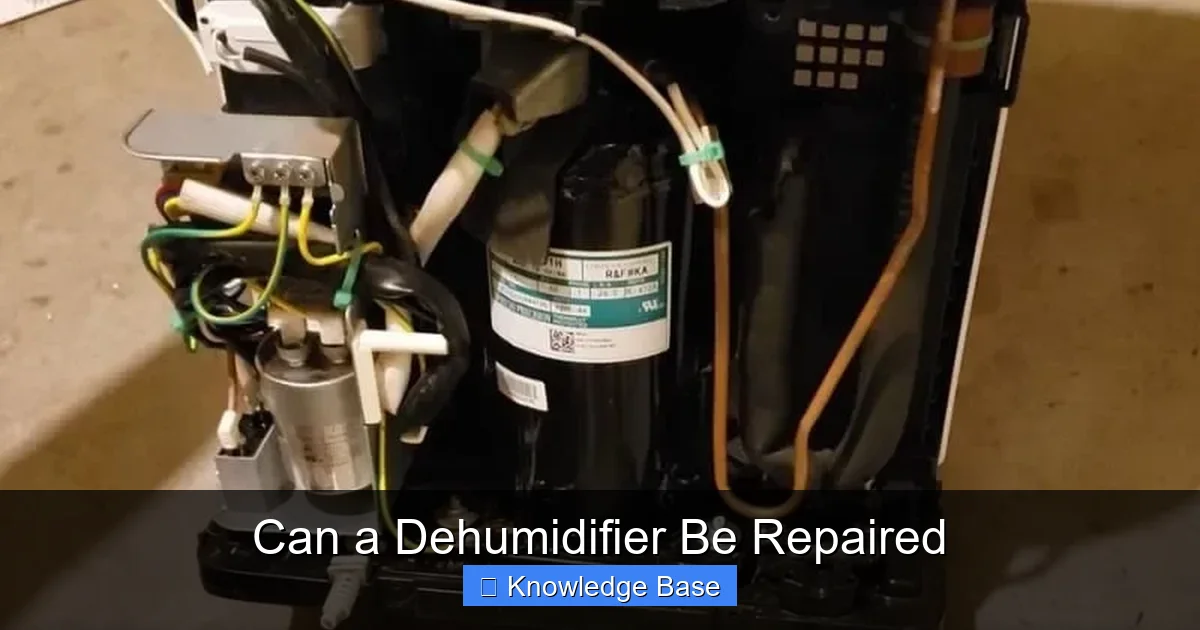
The capacitor helps start the compressor and fan motor. If your unit hums but doesn’t start, the capacitor may be bad.
1. Unplug the unit and remove the back or side panel.
2. Locate the capacitor (usually a small cylindrical component near the compressor).
3. Use a multimeter to test it—if it reads “open” or shows no capacitance, it’s faulty.
4. Discharge the capacitor safely (use an insulated screwdriver across the terminals).
5. Remove and replace it with an identical model.
Capacitors are inexpensive (typically $10–$20) and widely available online.
Clearing a Clogged Drain Hose
If you use a continuous drain hose, mineral deposits or mold can block it.
1. Disconnect the hose from the unit.
2. Flush it with warm water and vinegar to dissolve buildup.
3. Use a pipe cleaner or flexible brush to scrub the interior.
4. Reattach and test.
For stubborn clogs, replace the hose—it’s a low-cost fix.
Resetting the Control Board
Some electronic issues can be resolved by resetting the control board:
1. Unplug the unit for 5–10 minutes.
2. Plug it back in and press the reset button (if available).
3. Try powering it on.
This simple step can clear temporary glitches in the system.
When to Call a Professional
While many repairs are DIY-friendly, some problems require expert attention. Attempting to fix these yourself could be dangerous or void your warranty.
Refrigerant Leaks
If your dehumidifier isn’t cooling the coils properly and you suspect low refrigerant, don’t try to recharge it yourself. Handling refrigerant requires EPA certification and specialized equipment. A technician can locate the leak, repair it, and safely recharge the system.
Compressor Failure
The compressor is the heart of your dehumidifier. If it’s seized, making loud knocking noises, or not starting, replacement is often the only option. Compressors are expensive (often $200–$400), and labor adds to the cost. At that point, compare the repair cost to the price of a new unit.
Electrical Faults
Burning smells, sparking, or tripped circuit breakers indicate serious electrical issues. These could stem from damaged wiring, a faulty control board, or a short circuit. Turn off the unit immediately and contact a qualified technician.
Warranty Considerations
If your dehumidifier is still under warranty, check the terms before attempting any repairs. Most manufacturers require service by authorized technicians. DIY fixes could void your coverage, leaving you responsible for future repairs.
Repair vs. Replace: Making the Smart Choice
Deciding whether to repair or replace your dehumidifier depends on several factors.
Age of the Unit
Most dehumidifiers last 7–10 years with proper care. If yours is nearing or past that age, investing in a new model may be wiser. Newer units are more energy-efficient, quieter, and often include smart features like Wi-Fi controls and auto-humidistats.
Cost of Repair
A good rule of thumb: if the repair cost exceeds 50% of the price of a new unit, replacement is usually better. For example, if a compressor replacement costs $300 and a new dehumidifier costs $500, you’re better off upgrading.
Energy Efficiency
Older models may use significantly more electricity. Modern Energy Star-certified dehumidifiers can save you $50–$100 per year on energy bills. Over time, those savings add up.
Environmental Impact
Repairing extends the life of your appliance and reduces electronic waste. If the fix is simple and affordable, repairing is the greener choice.
Practical Example
Let’s say your 5-year-old dehumidifier stops collecting water. You clean the filter and coils, but it still doesn’t work. A technician diagnoses a faulty humidistat—a $40 part plus $80 labor. Total: $120. A comparable new unit costs $250. In this case, repair makes sense.
But if your 9-year-old unit needs a $200 compressor replacement, and a new model costs $220 with better efficiency and a warranty, replacement is the smarter move.
Preventative Maintenance: Keep Your Dehumidifier Running Smoothly
The best way to avoid repairs is to maintain your dehumidifier regularly. A little effort goes a long way.
Monthly Maintenance
– Clean the air filter.
– Wipe down the exterior and water tank.
– Check the drain hose for clogs.
Seasonal Deep Cleaning
– Vacuum the evaporator and condenser coils.
– Inspect the fan blade for damage or buildup.
– Test the float switch and humidistat.
Storage Tips
If you only use your dehumidifier seasonally:
– Clean and dry all components.
– Store it in a cool, dry place.
– Cover it to prevent dust accumulation.
Usage Best Practices
– Run the unit in rooms above 65°F for optimal performance.
– Keep doors and windows closed to maximize efficiency.
– Empty the water tank regularly to prevent overflow and mold growth.
Conclusion: Yes, Your Dehumidifier Can Likely Be Repaired
So, can a dehumidifier be repaired? Absolutely—most of the time. From clogged filters to frozen coils, many issues are fixable with basic tools and a bit of troubleshooting. Regular maintenance not only prevents breakdowns but also extends the life of your unit, saving you money and reducing waste.
That said, know your limits. Simple fixes like cleaning or replacing a capacitor are great DIY projects. But when it comes to refrigerant, compressors, or electrical faults, it’s best to call a pro. And if your unit is old or the repair cost is high, upgrading to a newer model might be the most practical choice.
By understanding how your dehumidifier works and staying proactive with care, you can keep your home comfortable, dry, and mold-free for years to come.
Frequently Asked Questions
How do I know if my dehumidifier needs repair?
If it won’t turn on, isn’t collecting water, makes unusual noises, or leaks, it likely needs repair. Start with basic troubleshooting like checking the filter and power source.
Can a frozen dehumidifier be fixed?
Yes—turn it off, let it thaw completely, then clean the filter and coils. If it freezes again, there may be a refrigerant or airflow issue requiring professional help.
What causes a dehumidifier to stop working suddenly?
Common causes include a full water tank, clogged filter, tripped reset button, or electrical fault. Always check the basics first.
How much does it cost to repair a dehumidifier?
Simple fixes like filters or capacitors cost $10–$50. Major repairs like compressors can run $200–$400. Compare this to the cost of a new unit.
Can I use my dehumidifier in cold basements?
Most standard models work best above 65°F. In colder spaces, consider a low-temperature or desiccant dehumidifier designed for cold environments.
Should I repair or replace my dehumidifier under warranty?
Always check your warranty terms first. DIY repairs may void coverage, so contact the manufacturer or an authorized technician for service.