
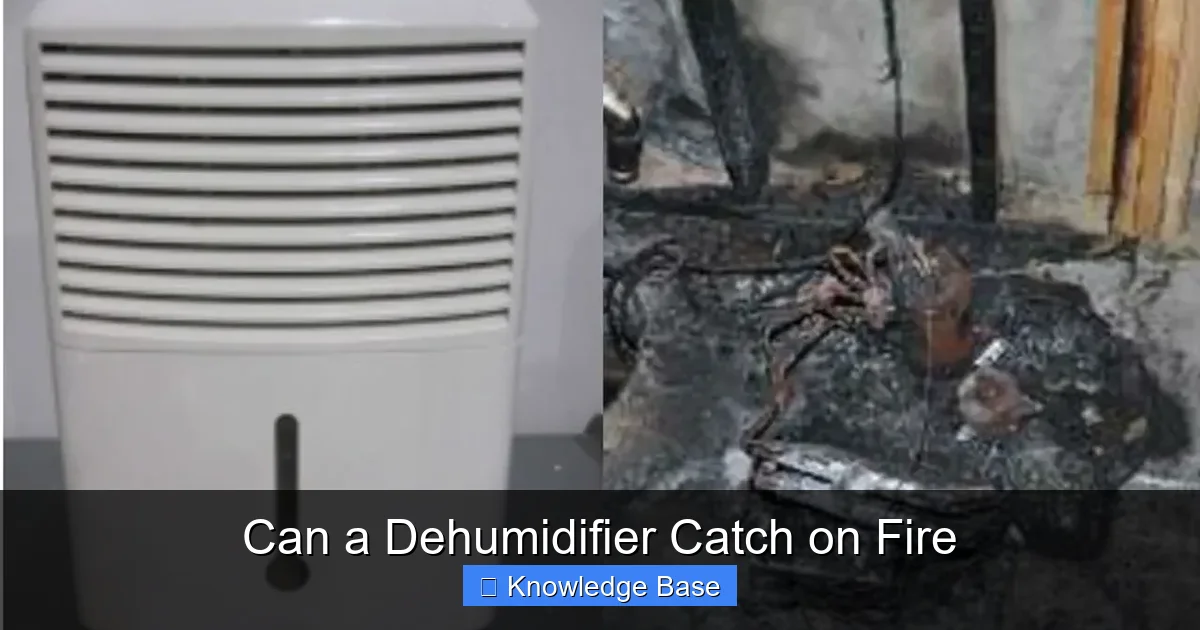
Dehumidifiers can catch on fire, but it’s rare and usually preventable. Most fires result from electrical faults, overheating, or poor maintenance. Regular cleaning, proper placement, and using certified units greatly reduce the risk.
Key Takeaways
- Dehumidifiers can catch fire due to electrical malfunctions: Faulty wiring, damaged cords, or overloaded circuits are common causes.
- Overheating is a major risk factor: Blocked vents, dirty filters, or running the unit in high heat can cause components to overheat.
- Regular maintenance prevents most issues: Cleaning filters, checking coils, and inspecting cords monthly reduces fire hazards.
- Use only certified and well-reviewed models: Look for UL, ETL, or CSA certification to ensure safety standards are met.
- Never run a dehumidifier unattended for long periods: Especially in basements or garages, monitor usage and avoid overnight operation without safety checks.
- Proper placement matters: Keep the unit away from flammable materials and ensure adequate airflow around all sides.
- Replace old or damaged units: Dehumidifiers older than 10 years or showing signs of wear should be replaced to avoid fire risks.
Quick Answers to Common Questions
Can a dehumidifier catch on fire?
Yes, but it’s rare. Most fires result from electrical faults, overheating, or lack of maintenance.
What causes a dehumidifier to overheat?
Blocked vents, dirty filters, or a failing compressor can cause overheating and increase fire risk.
How often should I clean my dehumidifier filter?
Clean the filter every 2–4 weeks, especially in humid environments or if you have pets.
Should I unplug my dehumidifier when not in use?
Yes, especially if you’re away for long periods or notice any warning signs like strange smells or heat.
Can I use an extension cord with a dehumidifier?
It’s not recommended. Use a dedicated wall outlet to avoid overloading circuits and reduce fire risk.
📑 Table of Contents
- Can a Dehumidifier Catch on Fire? Understanding the Real Risks
- How Dehumidifiers Work and Why They Can Overheat
- Real-Life Examples of Dehumidifier Fires
- How to Prevent a Dehumidifier Fire
- Signs Your Dehumidifier Might Be a Fire Risk
- What to Do If Your Dehumidifier Catches Fire
- Conclusion: Stay Safe, Stay Informed
Can a Dehumidifier Catch on Fire? Understanding the Real Risks
You’ve probably heard stories—maybe from a neighbor, a news report, or a viral social media post—about a home appliance catching fire. And if you own a dehumidifier, you might be wondering: *Can a dehumidifier catch on fire?* It’s a fair and important question, especially if you rely on this device to keep your basement dry, prevent mold, or improve indoor air quality.
The short answer is yes, a dehumidifier can catch on fire—but it’s not common, and when it does happen, it’s usually due to preventable issues. Most dehumidifier fires stem from electrical problems, overheating, or lack of maintenance. Unlike space heaters or toasters, dehumidifiers aren’t typically high-risk appliances, but they do contain motors, compressors, and electrical components that can fail under certain conditions.
Think of it this way: your dehumidifier works hard. It pulls in moist air, cools it to remove water, and then reheats the air before releasing it back into the room. This process involves a refrigeration cycle, a fan, and electrical controls—all of which generate heat and require electricity. If any part of that system fails or gets blocked, the risk of overheating increases.
But don’t panic. With proper care, smart usage, and awareness of warning signs, you can safely use your dehumidifier for years without incident. In this guide, we’ll explore the causes of dehumidifier fires, how to prevent them, and what to do if you suspect a problem. Whether you’re using a small portable unit in your bathroom or a heavy-duty model in your basement, this information will help you stay safe and confident.
How Dehumidifiers Work and Why They Can Overheat

Visual guide about Can a Dehumidifier Catch on Fire
Image source: i.ytimg.com
To understand why a dehumidifier might catch fire, it helps to know how it works. Most home dehumidifiers use a refrigeration-based system, similar to an air conditioner or refrigerator. Here’s a simple breakdown:
Air is drawn into the unit by a fan. As it passes over cold coils (the evaporator), moisture condenses into water and drips into a collection tank or drains out. The now-dry air then passes over warm coils (the condenser) to reheat it before being released back into the room. This cycle repeats continuously to maintain your desired humidity level.
Now, here’s where things can go wrong. The compressor—the heart of the system—generates heat as it pressurizes the refrigerant. The fan helps dissipate that heat, and the coils need to stay clean to transfer heat efficiently. If any of these components are blocked, dirty, or malfunctioning, the unit can overheat.
Common Causes of Overheating
One of the most common reasons a dehumidifier overheats is a clogged air filter. Over time, dust, pet hair, and mold spores build up on the filter, restricting airflow. When air can’t flow freely, the coils can’t cool properly, and the compressor has to work harder. This leads to increased heat buildup and, in extreme cases, thermal stress on internal components.
Another issue is blocked vents. If you place your dehumidifier too close to a wall, furniture, or curtains, the intake or exhaust vents can become obstructed. This traps heat inside the unit and prevents proper ventilation. Even a few inches of clearance can make a big difference.
Dust and debris can also accumulate inside the unit, especially in humid environments like basements. Over time, this buildup can insulate electrical components, trapping heat and increasing the risk of a short circuit or fire.
Electrical Components and Fire Risk
Dehumidifiers run on electricity, and like any electrical device, they’re vulnerable to wiring faults, power surges, or damaged cords. A frayed power cord, for example, can create sparks if it comes into contact with metal parts. Similarly, a faulty thermostat or relay switch might fail to shut off the compressor when it overheats, allowing temperatures to rise unchecked.
In rare cases, manufacturing defects can lead to fire hazards. For instance, a poorly designed circuit board or substandard insulation might not meet safety standards, increasing the risk of electrical arcing or overheating.
That’s why it’s so important to buy dehumidifiers from reputable brands and look for safety certifications like UL (Underwriters Laboratories), ETL (Intertek), or CSA (Canadian Standards Association). These labels mean the product has been tested for fire and electrical safety.
Real-Life Examples of Dehumidifier Fires
Visual guide about Can a Dehumidifier Catch on Fire
Image source: vinnews.com
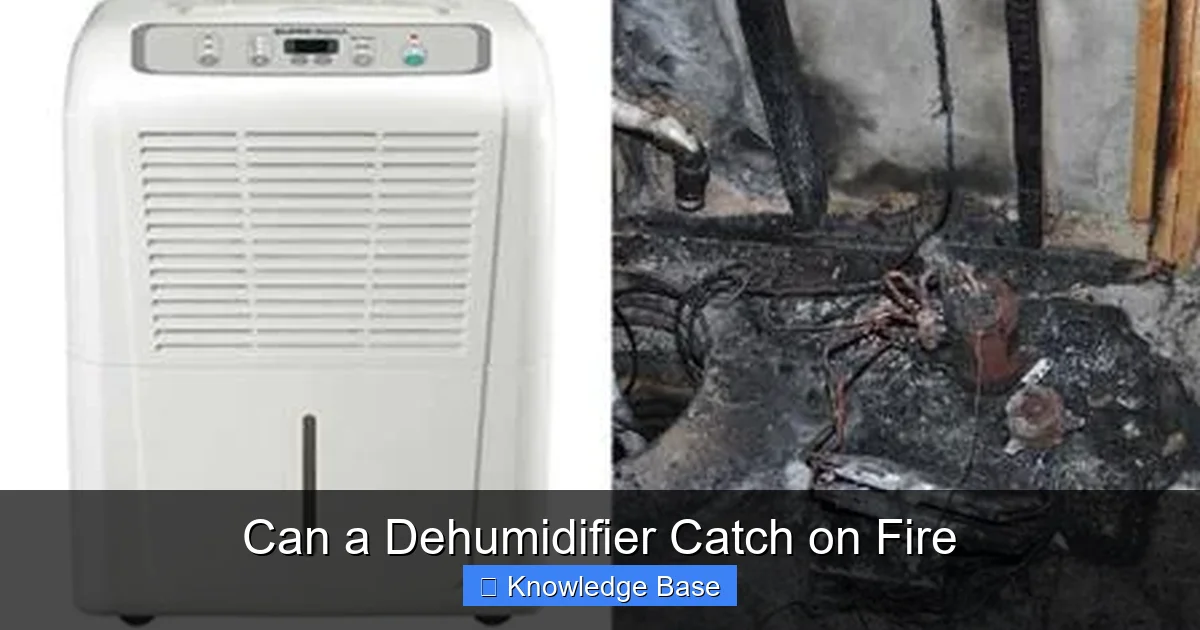
While dehumidifier fires are uncommon, they do happen—and when they do, the results can be serious. Let’s look at a few real-world examples to understand how these incidents occur and what could have prevented them.
Case Study: Basement Fire in Ohio
In 2019, a family in Ohio lost part of their basement to a fire that started with their dehumidifier. The unit had been running continuously for over a year without maintenance. The air filter was completely clogged with dust and mold, and the internal coils were coated in grime. Investigators determined that the compressor overheated due to restricted airflow, causing a thermal fuse to fail. Eventually, the overheating damaged nearby wiring, leading to an electrical short and fire.
The family had no smoke detectors in the basement, so the fire went unnoticed for several minutes. By the time it was discovered, it had spread to stored boxes and furniture. Fortunately, no one was injured, but the damage was extensive.
What could have prevented this? Regular filter cleaning—every 2–4 weeks in high-use areas—would have maintained proper airflow. Additionally, placing the dehumidifier at least 6 inches away from walls and checking the power cord monthly could have caught early signs of wear.
Case Study: Overloaded Circuit in Florida
In a Florida home, a dehumidifier caught fire after being plugged into an overloaded power strip. The homeowner had connected the dehumidifier, a space heater, and a lamp to the same strip. During a humid summer night, all three devices drew power simultaneously, causing the strip to overheat. The dehumidifier’s motor strained under the voltage drop, leading to internal overheating and a small fire that damaged the outlet and nearby flooring.
This incident highlights the danger of overloading circuits. Dehumidifiers, especially larger models, can draw 500–700 watts or more. Plugging them into a shared circuit with other high-wattage devices increases the risk of overheating and electrical failure.
Case Study: Faulty Thermostat in a Rental Property
A tenant in a rental property in Michigan reported a burning smell coming from the dehumidifier in the basement. The landlord inspected it and found that the thermostat had failed, causing the compressor to run nonstop. The unit had been operating for over 48 hours without shutting off, even when the room was already dry.
The continuous operation caused the internal temperature to rise dangerously. Luckily, the tenant noticed the smell and unplugged the unit before a fire started. The landlord replaced the dehumidifier with a newer model that included an automatic shut-off feature and a built-in humidistat.
These cases show that while dehumidifier fires are rare, they often result from a combination of poor maintenance, user error, and equipment failure. The good news? Most of these incidents are preventable with simple precautions.
How to Prevent a Dehumidifier Fire
Now that we’ve seen how dehumidifier fires can happen, let’s focus on prevention. The best way to avoid a fire is to treat your dehumidifier like any other important home appliance—give it regular care, use it correctly, and replace it when needed.
1. Clean the Air Filter Regularly
The air filter is your first line of defense against dust and debris. Most manufacturers recommend cleaning it every 2–4 weeks, especially during humid seasons or if you have pets. A clogged filter restricts airflow, forcing the compressor to work harder and increasing the risk of overheating.
To clean the filter, simply remove it from the unit and rinse it under warm water. Let it dry completely before reinserting. If the filter is damaged or too dirty to clean, replace it with a new one. Many models use standard sizes, so replacements are easy to find online or at hardware stores.
2. Keep Vents Clear
Always place your dehumidifier in an open area with at least 6 inches of clearance on all sides. Avoid placing it in corners, behind furniture, or near curtains. This ensures proper airflow and prevents heat from building up inside the unit.
If you’re using the dehumidifier in a tight space, like a crawl space or closet, consider a model with a built-in pump for continuous drainage. This reduces the need to empty the tank frequently and minimizes the risk of spills or leaks that could damage electrical components.
3. Inspect the Power Cord and Plug
Check the power cord and plug monthly for signs of damage, such as fraying, cracking, or burn marks. If you notice any issues, stop using the unit immediately and have it repaired or replaced. Never use a dehumidifier with a damaged cord—it’s a serious fire hazard.
Also, avoid using extension cords or power strips unless absolutely necessary. If you must use one, make sure it’s rated for the dehumidifier’s wattage and is in good condition. Better yet, plug the dehumidifier directly into a wall outlet on a dedicated circuit.
4. Avoid Overloading Circuits
Dehumidifiers can draw a lot of power, especially during startup. To prevent overloading, avoid running other high-wattage appliances—like space heaters, microwaves, or hair dryers—on the same circuit. If your lights dim when the dehumidifier kicks on, it’s a sign the circuit is overloaded.
Consider having an electrician install a dedicated outlet for your dehumidifier, especially if it’s a large-capacity model used in a basement or garage.
5. Use a Surge Protector
Power surges from lightning strikes or grid fluctuations can damage sensitive electronics in your dehumidifier. Using a high-quality surge protector can help absorb excess voltage and protect internal components.
Look for a surge protector with a joule rating of at least 1,000 and built-in circuit breaker. Avoid cheap, unbranded models—they may not offer real protection.
6. Replace Old or Damaged Units
Most dehumidifiers last 5–10 years with proper care. If your unit is older than 10 years, shows signs of wear, or frequently trips breakers, it’s time to replace it. Older models may lack modern safety features like automatic shut-off, thermal fuses, or overload protection.
When shopping for a new dehumidifier, look for energy-efficient models with safety certifications and smart features like humidity sensors, timers, and filter change indicators.
Signs Your Dehumidifier Might Be a Fire Risk
Even with regular maintenance, problems can develop over time. Knowing the warning signs can help you catch issues early and prevent a fire.
Unusual Smells
If you notice a burning, plastic, or electrical smell coming from your dehumidifier, unplug it immediately. This could indicate overheating, melting insulation, or a short circuit. Do not attempt to use the unit until it’s been inspected by a professional.
Excessive Heat
Feel the exterior of the unit while it’s running. It should be warm, but not hot to the touch. If the casing is too hot to hold your hand on for more than a few seconds, the internal components may be overheating. Turn off the unit and check for blocked vents or a dirty filter.
Frequent Tripping of Circuit Breakers
If your dehumidifier keeps tripping the circuit breaker or blowing fuses, it’s a sign of an electrical problem. This could be due to a faulty motor, damaged wiring, or an overloaded circuit. Have an electrician inspect the unit and your home’s wiring.
Strange Noises
Listen for unusual sounds like grinding, buzzing, or clicking. These could indicate a failing motor, loose components, or electrical arcing. While some noise is normal, anything out of the ordinary should be investigated.
Water Leaks or Spills
If water is leaking from the unit, it could damage internal electronics and create a short circuit. Check the drain hose, collection tank, and seals for cracks or blockages. Never operate a dehumidifier with water pooling around it.
What to Do If Your Dehumidifier Catches Fire
Despite your best efforts, a fire can still happen. If your dehumidifier catches fire, stay calm and act quickly.
First, if it’s safe to do so, unplug the unit. Do not touch it with wet hands or stand in water. If the fire is small and contained, you may be able to smother it with a fire extinguisher rated for electrical fires (Class C). Never use water—it can conduct electricity and make the situation worse.
If the fire spreads or you can’t safely unplug the unit, evacuate immediately and call 911. Close doors behind you to slow the fire’s spread. Once firefighters arrive, inform them that the fire started with an electrical appliance.
After the fire is out, do not attempt to repair or reuse the dehumidifier. Even if it appears undamaged, internal components may be compromised. Dispose of it safely and replace it with a new, certified model.
Conclusion: Stay Safe, Stay Informed
So, can a dehumidifier catch on fire? Yes—but it’s rare, and most incidents are preventable. By understanding how your dehumidifier works, maintaining it regularly, and using it safely, you can enjoy the benefits of a dry, comfortable home without unnecessary risk.
Remember: clean the filter, keep vents clear, inspect cords, avoid overloading circuits, and replace old units. These simple steps go a long way in preventing overheating and electrical faults.
Your dehumidifier is a helpful tool, not a hazard—as long as you treat it with care. Stay informed, stay proactive, and breathe easy knowing your home is both dry and safe.
Frequently Asked Questions
Are dehumidifiers safe to run overnight?
Yes, most modern dehumidifiers are safe to run overnight if they’re well-maintained and placed correctly. However, avoid running them unattended for long periods in high-heat areas or on overloaded circuits.
Can a dehumidifier explode?
It’s extremely unlikely. Dehumidifiers don’t contain pressurized gases like air conditioners, so explosion risks are minimal. However, electrical faults could cause sparks or fires in rare cases.
Do dehumidifiers have fire safety features?
Many newer models include thermal fuses, overload protection, and automatic shut-off features that help prevent overheating and reduce fire risk.
Can mold in a dehumidifier cause a fire?
Mold itself won’t cause a fire, but it can clog filters and coils, leading to overheating. Clean your unit regularly to prevent mold buildup and maintain safe operation.
Is it safe to use a dehumidifier in a garage?
Yes, but ensure the unit is rated for unconditioned spaces and placed away from flammable materials. Garages often have dust and temperature swings, so maintenance is especially important.
What should I do if my dehumidifier smells like it’s burning?
Unplug it immediately and stop using it. The smell could indicate overheating, melting insulation, or an electrical fault. Have it inspected by a professional before using it again.