

While dehumidifiers are designed to improve indoor air quality, they can sometimes contribute to unpleasant sewage-like odors if not properly maintained. This typically happens due to stagnant water, bacterial growth, or plumbing issues—not the unit itself. Understanding the root cause and taking preventive steps can keep your home smelling fresh and your dehumidifier running efficiently.
Key Takeaways
- Dehumidifiers don’t produce sewage gas: The machine itself doesn’t generate sewer smells, but it can become a breeding ground for odor-causing bacteria if water sits too long.
- Stagnant water is the main culprit: When water collects in the tank or internal components without regular cleaning, mold, mildew, and bacteria thrive, releasing foul odors.
- Improper installation near drains can cause backflow: If a dehumidifier is connected to a clogged or improperly vented drain line, it may pull in sewer gases from the plumbing system.
- Dirty filters and coils trap odors: Over time, dust, debris, and microbial growth on filters and evaporator coils can absorb and emit unpleasant smells.
- Regular maintenance prevents odors: Emptying the tank daily, cleaning it weekly, and replacing filters every 1–3 months drastically reduces the risk of bad smells.
- Sewage odor may signal a larger plumbing issue: If the smell persists despite cleaning, it could indicate a dry P-trap, cracked sewer line, or vent pipe problem in your home.
- Use antimicrobial additives or UV lights: Some users add small amounts of vinegar or commercial dehumidifier treatments to inhibit microbial growth and neutralize odors.
Quick Answers to Common Questions
Can a dehumidifier cause a sewage odor?
Not directly, but it can harbor bacteria that produce foul smells or pull in sewer gases if connected to a faulty drain.
Why does my dehumidifier smell like rotten eggs?
This is usually due to bacterial growth in stagnant water, which produces sulfur-like compounds similar to sewage gas.
How often should I clean my dehumidifier?
Empty the tank daily, clean it weekly, and replace or clean the filter monthly.
Can I use bleach to clean my dehumidifier?
Yes, a mild bleach solution (1 tbsp per gallon of water) is effective for disinfecting the tank and killing bacteria.
Should I use a drain hose with my dehumidifier?
Yes, but ensure the drain has a proper P-trap and air gap to prevent sewer gas from entering your home.
📑 Table of Contents
- Can a Dehumidifier Cause a Sewage Odor? The Truth Behind the Smell
- How Dehumidifiers Work—and Why Odors Can Develop
- Plumbing Connections and Sewer Gas Intrusion
- Common Causes of Sewage-Like Odors from Dehumidifiers
- How to Diagnose the Source of the Odor
- Prevention and Maintenance Tips
- When to Call a Professional
- Conclusion: Dehumidifiers Don’t Cause Sewage Odor—But They Can Amplify It
Can a Dehumidifier Cause a Sewage Odor? The Truth Behind the Smell
If you’ve ever walked into a basement or laundry room and caught a whiff of something that smells suspiciously like rotten eggs or raw sewage—only to find your dehumidifier running—you’re not alone. Many homeowners have paused, sniffed the air, and wondered: *Can a dehumidifier cause a sewage odor?* The short answer is: not directly. But there’s more to the story.
Dehumidifiers are essential appliances in humid climates or damp spaces like basements, crawl spaces, and garages. They work by pulling moist air from the room, cooling it to condense the moisture, and then releasing drier air back into the space. While they’re champions at reducing humidity and preventing mold, they can sometimes become sources of unwanted odors—especially if they’re not cared for properly.
The confusion arises because the smell *seems* to come from the dehumidifier, when in reality, the unit is either harboring bacteria that produce foul scents or is interacting with an underlying plumbing issue. Understanding how this happens—and what you can do about it—is key to maintaining a fresh, healthy indoor environment.
How Dehumidifiers Work—and Why Odors Can Develop
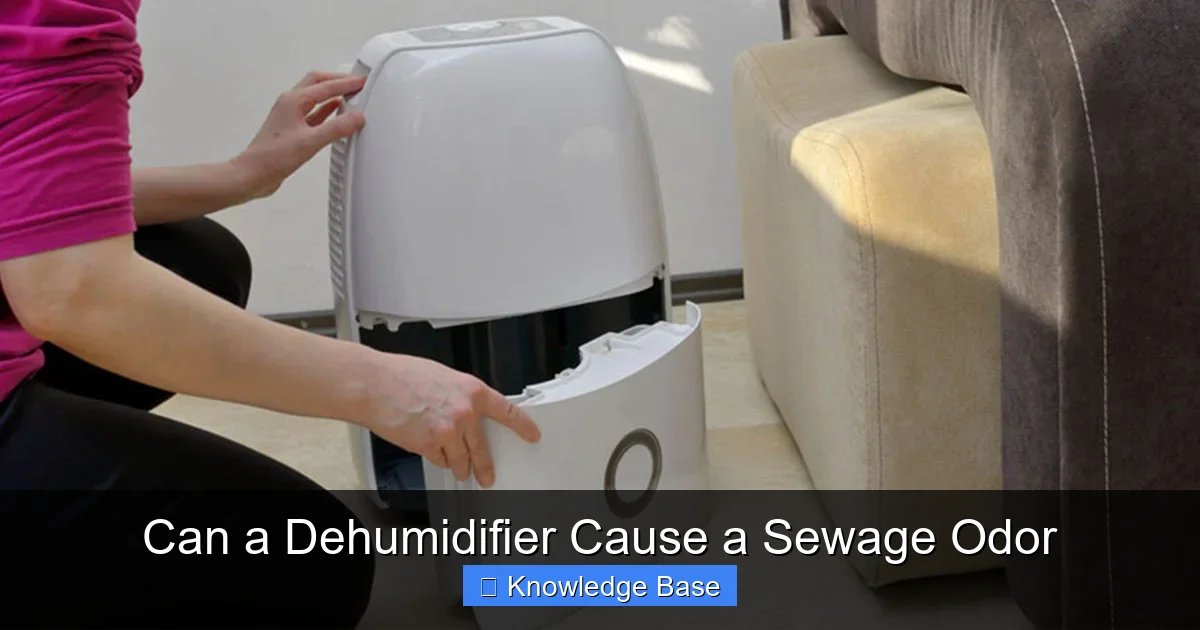
Visual guide about Can a Dehumidifier Cause a Sewage Odor
Image source: essentialhomeandgarden.com
To understand why a dehumidifier might seem to emit a sewage odor, it helps to know how these machines function.
Most residential dehumidifiers use a refrigeration-based system. Here’s a simplified breakdown:
1. A fan draws humid air into the unit.
2. The air passes over cold evaporator coils, causing moisture to condense into water droplets.
3. The collected water drips into a reservoir (bucket) or is pumped out via a hose.
4. The now-drier air passes over warm condenser coils and is blown back into the room.
This process is effective, but it creates a moist, dark environment inside the unit—perfect conditions for mold, mildew, and bacteria to grow. If the water sits in the tank for days or the internal components aren’t cleaned regularly, microbial growth can release volatile organic compounds (VOCs) that produce musty, earthy, or even sewage-like odors.
The Role of Stagnant Water
One of the most common reasons a dehumidifier starts to smell is stagnant water. Even if you empty the tank regularly, small amounts of water can remain in the bottom, in the drain hose, or in the condensate pan. Over time, this residual moisture becomes a breeding ground for bacteria and fungi.
For example, *Pseudomonas* and *Klebsiella* bacteria—common in damp environments—can produce sulfur-like compounds that smell like rotten eggs. These are the same compounds found in sewage gas. So while the dehumidifier isn’t “making” sewage, it’s hosting microbes that mimic the smell.
Dirty Filters and Coils Trap Odors
Another factor is the air filter. Dehumidifier filters capture dust, pet dander, and other airborne particles. When they become clogged, airflow is reduced, and the filter itself can start to harbor mold and bacteria. As air passes through, it picks up these odors and circulates them back into the room.
Similarly, the evaporator and condenser coils can accumulate grime and microbial films. These components are cold and wet during operation, making them ideal spots for biofilm formation. Once biofilm develops, it’s tough to remove and can emit persistent odors—even after the tank is cleaned.
Plumbing Connections and Sewer Gas Intrusion
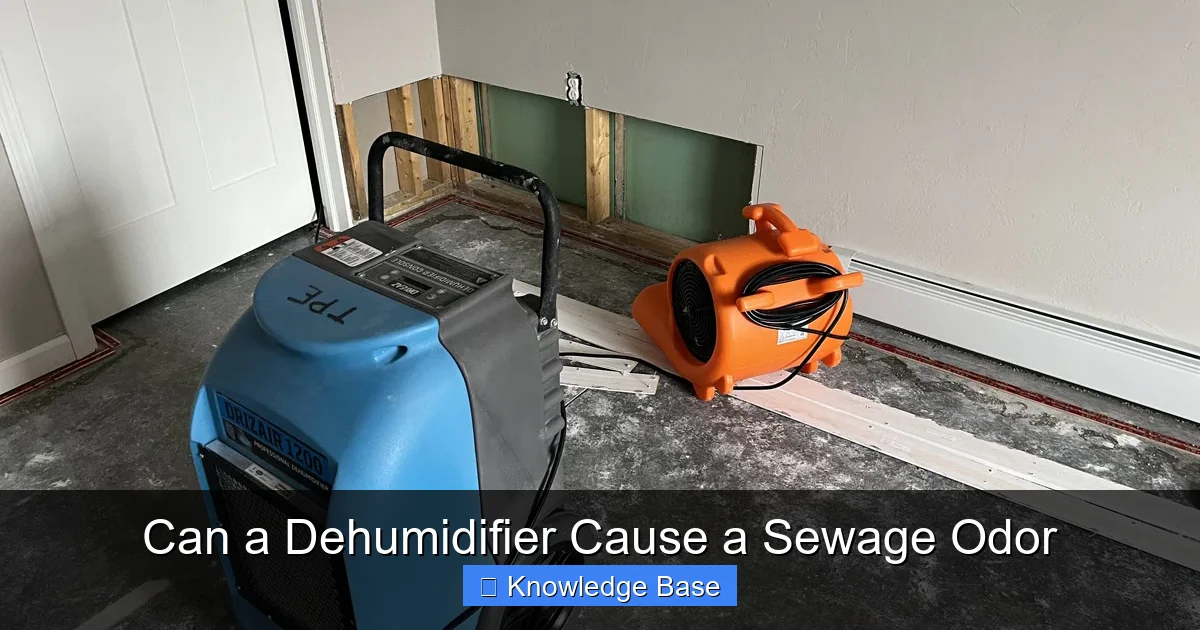
Visual guide about Can a Dehumidifier Cause a Sewage Odor
Image source: lakeshorerestorationllc.com
Now, let’s address the elephant in the room: *Can a dehumidifier actually pull in real sewage gas?* In rare cases, yes—especially if the unit is connected to a drain line.
Many modern dehumidifiers offer a continuous drainage option. Instead of manually emptying a bucket, you can attach a hose that directs water directly into a floor drain, utility sink, or sump pump. This is convenient, but it introduces a potential risk.
Improper Drain Line Setup
If the drain hose is inserted directly into a sewer drain without a proper air gap or trap, it can create a pathway for sewer gases to travel backward into your home. Sewer gas contains hydrogen sulfide (which smells like rotten eggs), methane, and other harmful compounds. Normally, plumbing systems use P-traps—U-shaped pipes under sinks and drains—to hold water and block these gases from entering living spaces.
But if the P-trap under your floor drain is dry (common in basements or rarely used drains), or if the vent stack on your roof is blocked, sewer gases can escape. A dehumidifier hose inserted into such a drain can act like a straw, pulling those gases into the unit and then blowing them into the room.
This is more likely in older homes or buildings with outdated plumbing. It’s also a risk if the dehumidifier is placed near a floor drain and the hose is loosely fitted or submerged in standing water.
Example: The Basement Scenario
Imagine you’ve set up your dehumidifier in a basement corner near a floor drain. You’ve connected a hose to drain water continuously. Over time, the P-trap under the drain dries out because the basement isn’t used often. One day, you notice a strong sewage smell. You check the dehumidifier—it’s running, and the air coming out smells bad.
In this case, the dehumidifier isn’t the source of the gas, but it’s acting as a conduit. The fan is pulling air (and gas) from the drain and dispersing it throughout the room. The solution isn’t to blame the dehumidifier—it’s to fix the plumbing.
Common Causes of Sewage-Like Odors from Dehumidifiers
Let’s break down the most frequent reasons your dehumidifier might be emitting a foul odor—some directly related to the unit, others tied to its environment.
1. Infrequent Tank Emptying
Even if your dehumidifier has an automatic shut-off when the tank is full, many people don’t empty it daily. In humid conditions, a tank can fill up in less than 24 hours. If you wait several days, the water becomes stagnant, and bacteria multiply.
Tip: Make it a habit to check and empty the tank every day, especially during summer or rainy seasons.
2. Poor Cleaning Routine
Simply emptying the tank isn’t enough. Residue, slime, and mineral deposits can build up on the inside walls. Over time, this becomes a biofilm that’s hard to remove and emits odors.
Tip: Clean the tank weekly with a mixture of warm water and white vinegar or a mild bleach solution (1 tablespoon bleach per gallon of water). Rinse thoroughly and let it dry completely before reinserting.
3. Clogged or Dirty Air Filter
A dirty filter restricts airflow and traps moisture and debris. This creates a damp environment where mold can grow.
Tip: Check the filter monthly. Wash reusable filters with soapy water or replace disposable ones every 1–3 months, depending on usage.
4. Mold Growth on Internal Components
Even if the tank and filter are clean, mold can grow on the evaporator coils, fan blades, or inside the air ducts. This is harder to detect but can cause a persistent musty or sewage-like smell.
Tip: Once a month, open the unit (if accessible) and inspect for visible mold. Use a soft brush or cloth to clean coils gently. For deep cleaning, consider a professional service or use a foaming coil cleaner.
5. Use of Tap Water or Hard Water
If you’re using a portable dehumidifier and occasionally top up the tank with tap water (some models allow this), minerals from hard water can accumulate and promote bacterial growth.
Tip: Always use distilled or filtered water if topping up is necessary. Better yet, avoid topping up altogether—just empty and refill with fresh water.
6. Proximity to Contaminated Sources
Placing your dehumidifier near a laundry sink, toilet, or floor drain increases the chance of odor transfer—especially if those fixtures have issues.
Tip: Keep the dehumidifier at least a few feet away from drains and plumbing fixtures. Ensure the area is well-ventilated.
How to Diagnose the Source of the Odor
When you notice a sewage-like smell, don’t panic. Follow these steps to identify the real cause:
Step 1: Turn Off the Dehumidifier
Turn off the unit and unplug it. Wait 10–15 minutes. If the smell disappears, it’s likely coming from the dehumidifier itself.
Step 2: Inspect the Tank and Filter
Remove the water tank and air filter. Check for slime, discoloration, or foul odors. Smell the tank—does it reek even when empty? That’s a sign of bacterial growth.
Step 3: Check the Drain Hose (If Applicable)
If you’re using a continuous drain hose, disconnect it and smell the end. Does it smell like sewer gas? If yes, the issue may be with the drain or P-trap.
Step 4: Smell Around the Drain
Get close to the floor drain or sink. Does the smell come from there? Pour water into the drain to refill the P-trap. If the smell goes away, that was the problem.
Step 5: Look for Mold Inside the Unit
Open the front panel (if possible) and inspect the coils and fan. Use a flashlight to check for black or green spots.
Step 6: Test the Air
After cleaning the dehumidifier, run it for an hour. Does the smell return? If yes, the issue may be external—like a blocked vent pipe or sewer line.
Prevention and Maintenance Tips
The best way to avoid sewage-like odors is through consistent maintenance. Here’s a practical checklist:
Daily
- Empty the water tank if full.
- Check for unusual smells when the unit is running.
Weekly
- Wash the tank with vinegar or mild bleach solution.
- Rinse and dry completely.
- Wipe down the exterior with a damp cloth.
Monthly
- Clean or replace the air filter.
- Inspect and clean the evaporator and condenser coils.
- Check the drain hose for clogs or kinks.
Seasonally
- Deep-clean the entire unit, including internal components.
- Inspect the area around the dehumidifier for mold or water damage.
- Ensure nearby drains have water in their P-traps.
Bonus Tips
- Add a few drops of white vinegar to the water tank to inhibit bacterial growth.
- Use a dehumidifier with a built-in UV light or antimicrobial coating (some high-end models offer this).
- Consider a model with a pump and hose for continuous drainage—but ensure the drain is properly vented.
- Run an air purifier nearby to help capture any lingering odors.
When to Call a Professional
Most odor issues can be resolved with cleaning and maintenance. But if the smell persists—or if you suspect a serious plumbing problem—it’s time to call in an expert.
Signs You Need Help
- The sewage smell is strong and constant, even when the dehumidifier is off.
- You notice water backing up in drains or gurgling sounds.
- There’s visible mold growth on walls, floors, or near plumbing.
- You suspect a cracked sewer line or blocked vent stack.
A licensed plumber can inspect your drainage system, check P-traps, and ensure your home’s venting is functioning properly. In some cases, a simple fix—like pouring water down a dry drain—can eliminate the odor for good.
Conclusion: Dehumidifiers Don’t Cause Sewage Odor—But They Can Amplify It
So, can a dehumidifier cause a sewage odor? The answer is nuanced. The dehumidifier itself doesn’t produce sewer gas, but it can become a reservoir for odor-causing bacteria or a pathway for real sewer gases if connected improperly to a drain.
The key takeaway? Regular maintenance is your best defense. By keeping the tank clean, replacing filters, and ensuring proper drainage setup, you can enjoy the benefits of a dehumidifier without the stink.
Remember: a fresh-smelling dehumidifier is a well-cared-for dehumidifier. And a little prevention goes a long way in keeping your home healthy, dry, and odor-free.
Frequently Asked Questions
Can a dehumidifier make your house smell worse?
Yes, if it’s not maintained properly. Stagnant water and dirty components can lead to mold and bacteria growth, which emit unpleasant odors.
How do I stop my dehumidifier from smelling?
Clean the tank and filter regularly, use vinegar to disinfect, and ensure proper drainage. Also, check nearby drains for dry P-traps.
Is it safe to run a dehumidifier with a bad smell?
It’s not recommended. The smell could indicate bacterial growth or sewer gas, which may affect indoor air quality and health.
Can a dehumidifier spread mold spores?
Yes, if mold grows inside the unit and the fan blows air through it, spores can be circulated throughout the room.
What’s the best way to clean a dehumidifier tank?
Use warm water and white vinegar or a mild bleach solution. Scrub the interior, rinse thoroughly, and let it air dry completely.
Why does my basement smell like sewage only when the dehumidifier is on?
This suggests the unit is pulling in sewer gas from a nearby drain. Check the P-trap and ensure the drain hose isn’t creating a vacuum effect.