
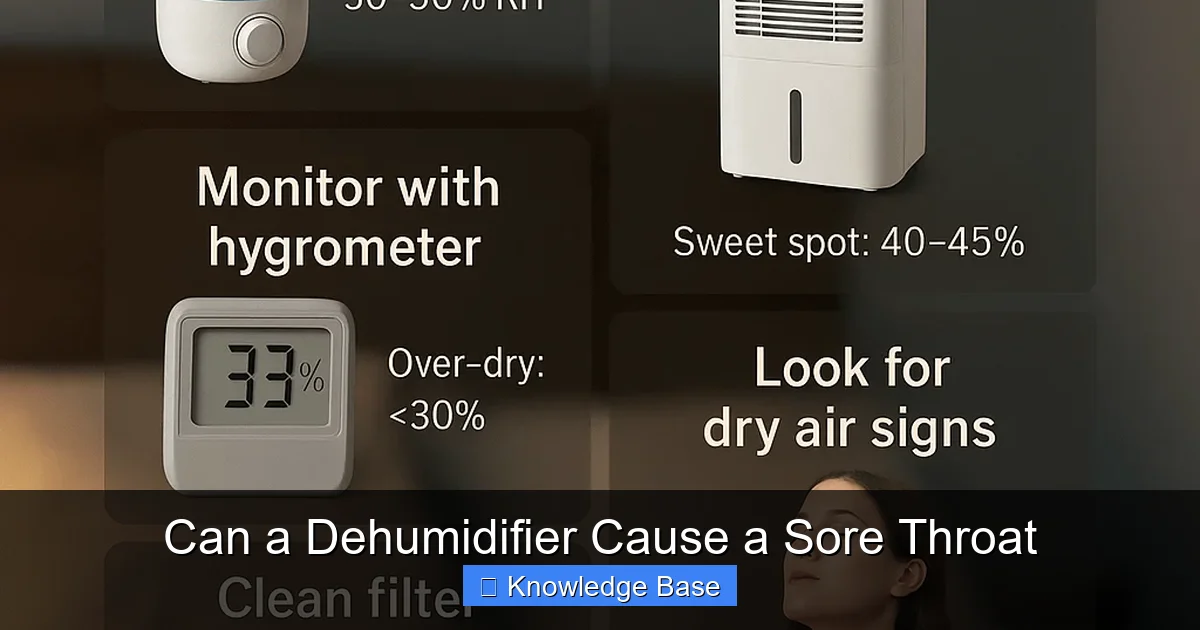
A dehumidifier itself doesn’t directly cause a sore throat, but poor maintenance, over-drying the air, or circulating dust and mold spores can irritate your throat. Understanding how to use and clean your unit properly helps prevent discomfort and supports healthier indoor air.
Key Takeaways
- Dehumidifiers don’t cause sore throats directly: The appliance removes moisture but doesn’t produce harmful substances that lead to throat irritation on its own.
- Dry air from overuse can irritate the throat: Running a dehumidifier too much or in already dry environments can lower humidity too far, drying out mucous membranes.
- Dirty filters and tanks breed irritants: Mold, bacteria, and dust buildup in neglected units can release airborne particles that trigger throat discomfort.
- Improper placement increases exposure risk: Positioning a dehumidifier near your bed or in a poorly ventilated area may concentrate allergens or dry air where you breathe most.
- Regular cleaning prevents problems: Wiping down the water tank, replacing filters, and emptying the bucket weekly reduces the chance of microbial growth.
- Ideal indoor humidity is key: Keeping humidity between 30% and 50% balances comfort and health, preventing both dryness and mold growth.
- Monitor symptoms and adjust usage: If you notice a sore throat after using a dehumidifier, check settings, clean the unit, and consider using a hygrometer to track humidity levels.
Quick Answers to Common Questions
Can a dehumidifier make your throat dry?
Yes, if it lowers indoor humidity below 30%, the dry air can dehydrate your mucous membranes and cause a dry, scratchy throat.
Should I turn off my dehumidifier at night?
It depends. If humidity is well-controlled and your throat feels fine, it’s okay to run it. But if you wake up with a sore throat, try turning it off at night or using a timer.
How often should I clean my dehumidifier?
Clean the water tank weekly and check the air filter monthly. Deep clean the unit every 1–2 months depending on usage.
Can mold grow inside a dehumidifier?
Yes, especially in the water tank or on damp coils. Regular cleaning and emptying the tank prevents mold and bacteria growth.
What’s the best humidity level to prevent a sore throat?
Keep indoor humidity between 30% and 50%. This range supports respiratory health and prevents mold growth.
📑 Table of Contents
Can a Dehumidifier Cause a Sore Throat?
You’ve probably heard that dehumidifiers help reduce mold, dust mites, and musty odors—great news if you live in a humid climate or have allergies. But what if, after setting up your new dehumidifier, you start waking up with a scratchy, sore throat? It’s a common concern, and while it might seem counterintuitive, there are real reasons why your dehumidifier could be contributing to throat irritation—even if it’s not the direct culprit.
At first glance, a dehumidifier seems like a health booster. It pulls excess moisture from the air, making your home feel more comfortable and less hospitable to allergens. But like any appliance, it needs proper care and balanced use. When neglected or misused, it can unintentionally create conditions that dry out your airways or spread irritants. The good news? Most of these issues are preventable with a few simple habits.
In this article, we’ll explore how dehumidifiers work, why they might lead to a sore throat, and—most importantly—how you can enjoy the benefits of lower humidity without the discomfort. Whether you’re using a small unit in your bedroom or a whole-house system, understanding the balance between moisture control and air quality is key to breathing easy.
How Dehumidifiers Work and Their Role in Indoor Air Quality

Visual guide about Can a Dehumidifier Cause a Sore Throat
Image source: i.pinimg.com
Before diving into the sore throat connection, it helps to understand what a dehumidifier actually does. At its core, a dehumidifier is designed to reduce the amount of moisture in the air. It does this by drawing warm, humid air into the unit, cooling it over cold coils so that water condenses out, and then reheating the air slightly before releasing it back into the room. The collected water drips into a tank or drains out through a hose.
This process helps control humidity levels, which is especially useful in basements, bathrooms, laundry rooms, and other damp areas. High humidity—typically above 60%—creates an ideal environment for mold, mildew, dust mites, and bacteria to thrive. These allergens can trigger respiratory issues, including coughing, sneezing, and yes, even sore throats. So in many cases, a dehumidifier is a helpful tool for improving indoor air quality and reducing allergy symptoms.
But here’s the catch: while dehumidifiers are great at removing moisture, they don’t filter out all airborne particles. Unlike air purifiers, which use HEPA filters to trap dust, pollen, and pet dander, most standard dehumidifiers only have basic mesh or foam filters. These catch larger debris but won’t stop microscopic irritants. That means if your dehumidifier is circulating air that contains mold spores or dust, it could be blowing those particles right into your breathing zone—especially if the unit is dirty or poorly maintained.
The Science Behind Humidity and Throat Health
Your throat and nasal passages are lined with mucous membranes that rely on moisture to function properly. These membranes act as a first line of defense, trapping irritants and pathogens before they reach your lungs. When the air is too dry—typically below 30% relative humidity—these membranes can become dehydrated, leading to irritation, inflammation, and that familiar scratchy feeling.
This is why people often experience dry throats in winter, when indoor heating systems pull moisture from the air. But the same principle applies when a dehumidifier runs too aggressively. If you’re in a naturally dry climate or using a powerful unit in a small space, you might be lowering humidity to levels that are too low for comfort.
The ideal indoor humidity range, according to the Environmental Protection Agency (EPA), is between 30% and 50%. This range helps prevent mold growth while keeping your respiratory tract hydrated. Going below 30% can dry out your throat and nasal passages, making them more vulnerable to irritation from dust, allergens, or even viral infections.
Dehumidifiers vs. Air Purifiers: What’s the Difference?
It’s easy to confuse dehumidifiers with air purifiers, but they serve different purposes. A dehumidifier controls moisture; an air purifier cleans the air. Some units combine both functions, but most standalone dehumidifiers don’t remove allergens—they just reduce the conditions that allow them to grow.
For example, if you have a mold problem in your basement, a dehumidifier can help stop new mold from forming by keeping the air dry. But it won’t remove existing mold spores already floating in the air. That’s where an air purifier with a HEPA filter comes in. If you’re using a dehumidifier to manage allergies or respiratory issues, consider pairing it with an air purifier for the best results.
Understanding this distinction is important because it explains why a dehumidifier might not solve—or could even worsen—your sore throat if the real issue is airborne irritants. If your unit is dirty or not filtering properly, it could be recirculating contaminants instead of cleaning the air.
Common Ways a Dehumidifier Might Contribute to a Sore Throat
Visual guide about Can a Dehumidifier Cause a Sore Throat
Image source: i.pinimg.com
Now that we know how dehumidifiers work, let’s look at the specific ways they might lead to throat irritation. While the appliance itself isn’t toxic or harmful, certain usage patterns and maintenance oversights can create conditions that trigger discomfort.
1. Over-Drying the Air
This is one of the most common causes of dehumidifier-related sore throats. When a dehumidifier runs continuously or is set too low, it can drop indoor humidity below the recommended 30% threshold. Dry air pulls moisture from your skin, eyes, and mucous membranes, including those in your throat.
Imagine breathing through a straw all night—your throat would feel parched by morning. The same thing happens when the air in your bedroom is too dry. You might wake up with a scratchy throat, dry cough, or even nosebleeds. This is especially common in winter when heating systems already reduce indoor humidity, and adding a dehumidifier can push levels into the uncomfortable zone.
To avoid this, use a hygrometer—a simple, inexpensive device that measures humidity—to monitor your indoor levels. If you notice the humidity dipping below 30%, adjust your dehumidifier’s settings or reduce its runtime. Some modern units have built-in humidistats that automatically turn off when the target humidity is reached, which helps prevent over-drying.
2. Dirty or Neglected Water Tank
The water collected in your dehumidifier’s tank isn’t just stagnant water—it’s a breeding ground for bacteria, mold, and mildew. Every time the unit runs, it pulls in humid air that may contain spores or microbes. These can settle in the tank and multiply, especially if the water sits for days without being emptied.
When the dehumidifier blows air back into the room, it can aerosolize these contaminants, releasing them into the air you breathe. Inhaling mold spores or bacteria can irritate your throat, trigger allergic reactions, or even lead to respiratory infections in sensitive individuals.
For example, a study published in the journal *Indoor Air* found that poorly maintained dehumidifiers can emit significant levels of microbial particles, particularly when the water tank is left uncleaned. This is why regular cleaning is essential—not just for performance, but for health.
3. Clogged or Dirty Air Filters
Most dehumidifiers come with a reusable or replaceable air filter designed to catch dust and larger particles. Over time, this filter can become clogged with debris, reducing airflow and forcing the unit to work harder. More importantly, a dirty filter can become a source of contamination.
As air passes through a grimy filter, it can pick up trapped dust, pollen, or mold spores and redistribute them into the room. This is especially problematic if you’re using the dehumidifier in a bedroom or living area where you spend a lot of time. The result? You’re breathing in recirculated irritants that can dry out or inflame your throat.
Check your filter monthly and clean or replace it according to the manufacturer’s instructions. Some filters are washable with mild soap and water, while others need to be replaced every few months. Keeping the filter clean ensures better airflow and reduces the risk of spreading allergens.
4. Improper Placement or Ventilation
Where you place your dehumidifier matters more than you might think. If it’s too close to your bed, couch, or workspace, you’re more likely to be directly exposed to the air it’s blowing out. This can be an issue if the air is too dry or if the unit is releasing contaminants.
Additionally, running a dehumidifier in a tightly sealed room with no fresh air exchange can lead to stagnant air. While the goal is to reduce humidity, you still need some airflow to prevent the buildup of indoor pollutants. Without ventilation, irritants can concentrate in one area, increasing your exposure.
For best results, place your dehumidifier at least a few feet away from furniture and sleeping areas. If possible, crack a window slightly or use an exhaust fan to allow fresh air to circulate. This helps balance humidity control with overall air quality.
5. Using the Wrong Size or Type of Unit
Not all dehumidifiers are created equal. Using a unit that’s too large for your space can lead to rapid humidity drops, while one that’s too small may run constantly without effectively controlling moisture. Both scenarios can contribute to throat discomfort.
A large dehumidifier in a small room can cycle on and off frequently, creating fluctuations in humidity that stress your respiratory system. On the other hand, an undersized unit may struggle to keep up, leaving the air damp enough for mold to grow—but not dry enough to prevent irritation.
Choose a dehumidifier based on the square footage and humidity level of your space. Look for models with adjustable humidity settings and automatic shut-off features. This gives you more control and helps maintain a stable, comfortable environment.
How to Prevent a Sore Throat from Your Dehumidifier
The good news is that most dehumidifier-related sore throats are avoidable with a few smart habits. Here’s how to keep your unit working for your health—not against it.
Maintain Proper Humidity Levels
Use a hygrometer to monitor indoor humidity and keep it between 30% and 50%. If your dehumidifier has a built-in humidistat, set it to 45% for a balanced level. Avoid setting it too low, especially in dry climates or during winter months.
If you don’t have a hygrometer, pay attention to physical signs. Condensation on windows suggests humidity is too high; dry skin, static electricity, or a scratchy throat may mean it’s too low.
Clean the Water Tank Weekly
Empty and clean the water tank at least once a week, even if it’s not full. Use a mixture of water and white vinegar or a mild bleach solution (1 tablespoon of bleach per gallon of water) to disinfect. Rinse thoroughly and let it dry before reinserting.
For added protection, consider using a dehumidifier with a UV-C light or antimicrobial coating in the tank. These features help inhibit microbial growth and reduce the need for frequent cleaning.
Replace or Clean Filters Regularly
Check your air filter every month and clean or replace it as needed. A clean filter improves efficiency and prevents the recirculation of dust and allergens. If you have pets or allergies, consider upgrading to a higher-efficiency filter if your model allows it.
Position the Unit Correctly
Place your dehumidifier away from sleeping and seating areas. Ensure there’s adequate space around the unit for airflow—most manufacturers recommend at least 6–12 inches of clearance on all sides.
If you’re using it in a bedroom, consider running it during the day and turning it off at night, or use a timer to limit overnight operation.
Use a Hygrometer to Monitor Air Quality
A hygrometer is a small, affordable tool that gives you real-time humidity readings. Some models also measure temperature and even detect mold risk. Keeping one in the room where your dehumidifier runs helps you make informed adjustments.
Consider a Combo Unit or Air Purifier
If you’re prone to allergies or respiratory issues, consider investing in a dehumidifier with a built-in air purifier or use a separate HEPA air purifier alongside your dehumidifier. This dual approach tackles both moisture and airborne irritants, giving you cleaner, more comfortable air.
When to See a Doctor
While a sore throat from a dehumidifier is usually mild and temporary, it’s important to know when to seek medical advice. If your symptoms persist for more than a week, worsen over time, or are accompanied by fever, difficulty swallowing, or swollen lymph nodes, see a healthcare provider.
These could be signs of a bacterial infection like strep throat, a viral illness, or a more serious respiratory condition. Don’t assume your dehumidifier is the only cause—especially if others in your household are also affected.
Also, if you have asthma, COPD, or other chronic respiratory conditions, changes in indoor air quality can trigger flare-ups. Work with your doctor to manage your environment and medication needs.
Conclusion
So, can a dehumidifier cause a sore throat? The short answer is: not directly, but it can contribute under certain conditions. Poor maintenance, over-drying the air, or circulating contaminants can all lead to throat irritation. The key is balance—using your dehumidifier wisely, keeping it clean, and monitoring your indoor environment.
By maintaining proper humidity levels, cleaning the tank and filters regularly, and positioning the unit correctly, you can enjoy the benefits of a drier, healthier home without the discomfort. Remember, your dehumidifier is a tool—not a cure-all. Pair it with good ventilation, regular cleaning, and awareness of your body’s signals, and you’ll breathe easier in no time.
Frequently Asked Questions
Can a dehumidifier cause a sore throat?
A dehumidifier doesn’t directly cause a sore throat, but it can contribute if it dries out the air too much or circulates contaminants. Proper use and maintenance prevent most issues.
How do I know if my dehumidifier is making my throat sore?
If you notice a dry or scratchy throat after using the dehumidifier—especially upon waking—check humidity levels and inspect the unit for dirt or mold.
Can I use a dehumidifier and humidifier at the same time?
Generally, no. They work against each other. Use a hygrometer to find the right balance and adjust one or the other based on current humidity.
Is it safe to sleep with a dehumidifier on?
Yes, as long as humidity stays between 30% and 50% and the unit is clean. If you experience throat dryness, try lowering the setting or using it only during the day.
What should I do if my dehumidifier smells musty?
A musty smell often indicates mold or bacteria in the tank or coils. Clean the unit thoroughly with vinegar or bleach and ensure it dries completely.
Can a dirty dehumidifier make you sick?
Yes, a neglected unit can release mold spores, bacteria, or dust into the air, potentially causing throat irritation, allergies, or respiratory symptoms in sensitive individuals.