
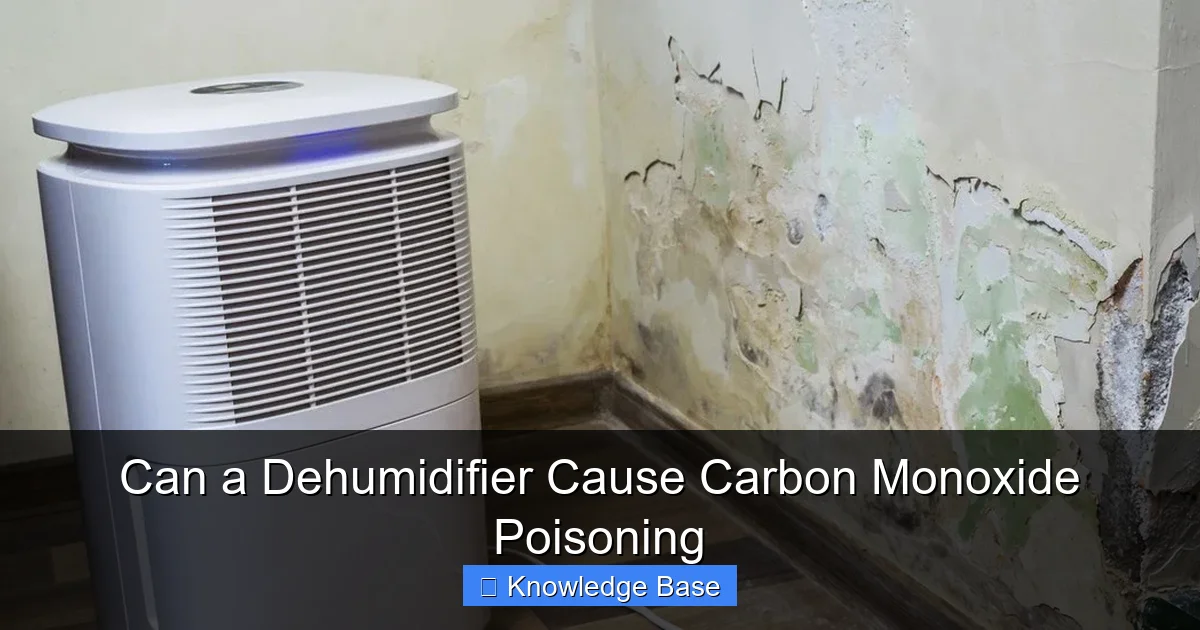
No, a standard electric dehumidifier cannot cause carbon monoxide poisoning because it does not burn fuel. Carbon monoxide (CO) is only produced by fuel-burning appliances like gas furnaces or generators. However, improper use or damaged units may pose other risks, so safety precautions are still essential.
Key Takeaways
- Electric dehumidifiers do not produce carbon monoxide: Since they run on electricity and don’t burn fuel, they cannot generate CO gas.
- Only fuel-burning devices create carbon monoxide: Appliances like gas heaters, furnaces, water heaters, and generators are the primary sources of CO.
- Misinformation can cause unnecessary fear: Confusing dehumidifiers with humidifiers or gas-powered devices leads to false concerns about CO poisoning.
- Damaged or overheating units pose fire risks, not CO risks: While not a source of carbon monoxide, faulty dehumidifiers can overheat and become fire hazards.
- Proper ventilation and maintenance are still important: Keeping your dehumidifier clean and in good working order ensures safe, efficient operation.
- Install carbon monoxide detectors for overall safety: Even though dehumidifiers aren’t a threat, CO detectors protect against real sources like furnaces or stoves.
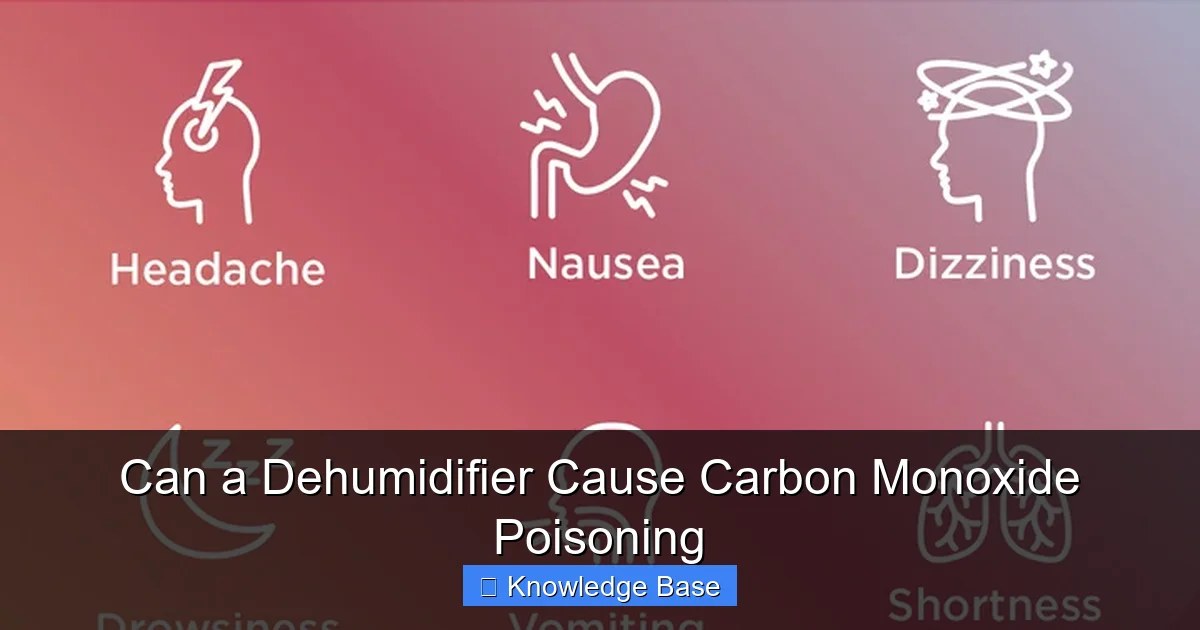
- Know the symptoms of carbon monoxide poisoning: Headaches, dizziness, nausea, and confusion require immediate action and fresh air.
Quick Answers to Common Questions
Can a dehumidifier produce carbon monoxide?
No, electric dehumidifiers do not produce carbon monoxide because they don’t burn fuel. Only fuel-burning appliances can generate CO.
What should I do if my dehumidifier smells like it’s burning?
Turn it off immediately. The smell likely comes from overheating components or dust, not combustion. Clean the unit and check for blockages or damage.
Do I still need a carbon monoxide detector if I have a dehumidifier?
Yes! CO detectors protect against real sources like furnaces and stoves. They’re essential for home safety, regardless of your dehumidifier.
Can a gas-powered dehumidifier cause CO poisoning?
Gas-powered dehumidifiers are extremely rare in homes. If one existed and burned fuel improperly, it could produce CO—but standard models are electric.
How often should I clean my dehumidifier?
Clean the water tank weekly and the air filter every 2–4 weeks to prevent mold, bacteria, and overheating.
📑 Table of Contents
- Understanding Carbon Monoxide: The Silent Killer
- How Dehumidifiers Work: No Fuel, No Combustion
- Common Misconceptions and Why They Arise
- Real Risks Associated with Dehumidifiers (Just Not CO)
- When Carbon Monoxide *Can* Be a Concern in Your Home
- How to Stay Safe: Prevention and Best Practices
- Conclusion: Peace of Mind Through Knowledge
Understanding Carbon Monoxide: The Silent Killer
Carbon monoxide (CO) is a colorless, odorless, and tasteless gas that can be deadly when inhaled in high concentrations. Often called the “silent killer,” it’s responsible for hundreds of accidental deaths and thousands of emergency room visits in the United States each year. Because you can’t see, smell, or taste it, CO can build up in your home without warning—making awareness and prevention critical.
So how does carbon monoxide form? It’s produced when fuels such as gasoline, wood, propane, charcoal, or natural gas don’t burn completely. This incomplete combustion happens most often in poorly ventilated spaces or with malfunctioning appliances. Common culprits include gas furnaces, water heaters, space heaters, fireplaces, and portable generators. Even a car left running in an attached garage can allow CO to seep into your home.
The danger lies in how CO affects the body. When inhaled, it binds to hemoglobin in your red blood cells more effectively than oxygen does. This reduces the amount of oxygen your blood can carry to vital organs like your heart and brain. At low levels, CO exposure can cause flu-like symptoms such as headaches, dizziness, fatigue, and nausea. At higher levels, it can lead to confusion, loss of consciousness, brain damage, and even death—all without warning.
Given these serious risks, it’s understandable why people worry about any appliance in their home potentially producing carbon monoxide. But when it comes to dehumidifiers, especially the electric models found in most households, the concern is largely unfounded.
How Dehumidifiers Work: No Fuel, No Combustion
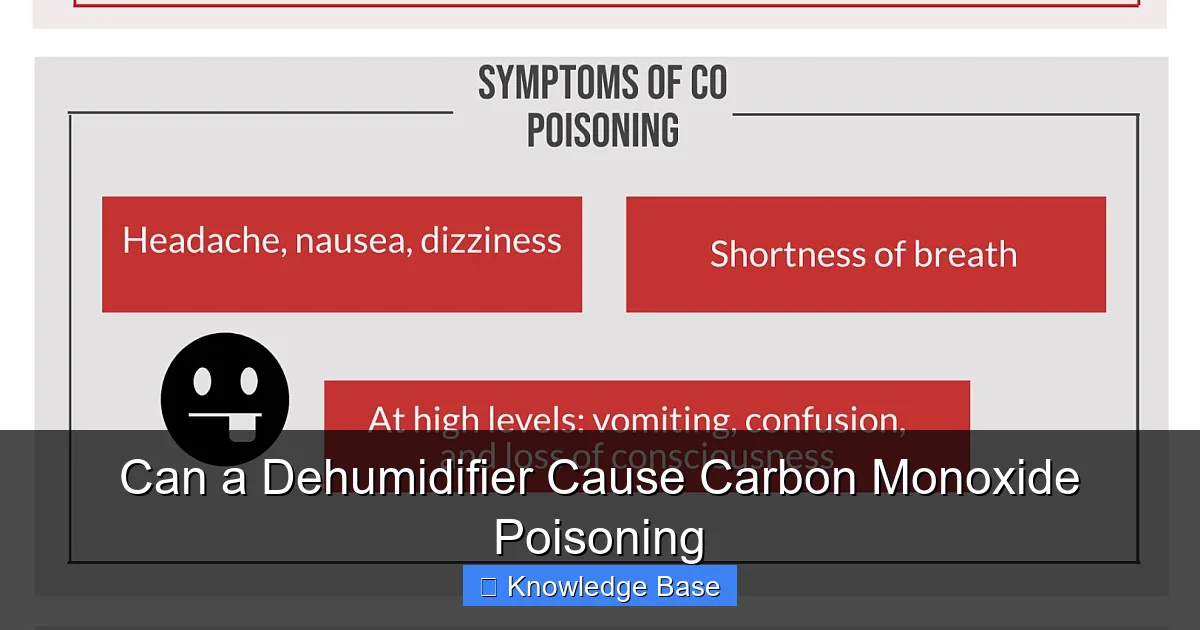
Visual guide about Can a Dehumidifier Cause Carbon Monoxide Poisoning
Image source: poisoncontrol.utah.edu
To understand why dehumidifiers don’t produce carbon monoxide, it helps to know how they operate. Most residential dehumidifiers are electric appliances designed to remove excess moisture from the air. They work similarly to air conditioners, using a refrigeration cycle to pull humid air over cold coils.
Here’s a simple breakdown of the process:
– A fan draws warm, moist air from the room into the dehumidifier.
– The air passes over cold evaporator coils, causing moisture to condense into water droplets.
– The collected water drips into a built-in tank or drains directly through a hose.
– The now-drier air passes over warm condenser coils to reheat it slightly.
– The dry, cooler air is released back into the room.
At no point in this process is any fuel burned. There’s no flame, no combustion, and no byproducts like carbon monoxide. The entire system runs on electricity and relies on mechanical components—compressors, fans, and coils—to manage humidity levels.
Some industrial or specialized dehumidifiers might use different technologies, such as desiccant materials that absorb moisture chemically. But even these units typically operate electrically and don’t involve combustion. The key takeaway? If your dehumidifier plugs into a wall outlet and doesn’t use gas, oil, or any other fuel source, it cannot produce carbon monoxide.
Common Misconceptions and Why They Arise
Visual guide about Can a Dehumidifier Cause Carbon Monoxide Poisoning
Image source: edge.sitecorecloud.io
Despite clear technical differences, many people still wonder, “Can a dehumidifier cause carbon monoxide poisoning?” This confusion often stems from a few common misconceptions.
One major source of confusion is mixing up dehumidifiers with humidifiers. While both devices manage indoor air moisture, they do the opposite: dehumidifiers remove moisture, while humidifiers add it. Some humidifiers—especially steam vaporizers—use heating elements to boil water, which might lead people to assume they produce gases. But even then, boiling water doesn’t create carbon monoxide unless fuel is involved.
Another factor is the general fear of household appliances causing harm. With news stories about faulty heaters or generators leading to CO poisoning, it’s natural to become cautious about all machines in your home. Unfortunately, this caution sometimes extends to devices that pose no such risk.
Additionally, some older or poorly maintained dehumidifiers may emit a burning smell if their motors overheat or if dust accumulates on internal components. While alarming, this smell is usually due to overheating plastic or electrical insulation—not combustion of fuel. It’s a sign the unit needs cleaning or repair, not evidence of carbon monoxide production.
Marketing language can also muddy the waters. Some companies advertise “energy-efficient” or “high-performance” dehumidifiers with features like auto-defrost or smart sensors. While these features improve functionality, they don’t change the fundamental fact that electric dehumidifiers don’t burn fuel.
Finally, misinformation spreads quickly online. A single misleading forum post or social media comment can fuel widespread concern—even among otherwise informed individuals. That’s why it’s important to rely on credible sources and understand the science behind how appliances work.
Real Risks Associated with Dehumidifiers (Just Not CO)
While dehumidifiers won’t give you carbon monoxide poisoning, they aren’t entirely risk-free. Like any electrical appliance, they can pose hazards if used improperly or allowed to deteriorate. Recognizing these real risks helps you use your dehumidifier safely and avoid unnecessary panic.
Fire and Electrical Hazards
One of the most significant dangers comes from electrical malfunctions. Over time, cords can fray, outlets can become loose, and internal components like compressors or fans may wear out. If a dehumidifier overheats due to blocked vents, excessive dust buildup, or a failing motor, it can spark a fire. In rare cases, this has led to house fires—especially if the unit is left running unattended for long periods or placed near flammable materials.
To minimize fire risk:
– Never run a dehumidifier on an extension cord; plug it directly into a grounded outlet.
– Keep the unit away from curtains, paper, or furniture.
– Clean the air filter regularly (usually every 2–4 weeks) to ensure proper airflow.
– Replace old or damaged units—most dehumidifiers last 5–10 years with proper care.
Mold and Bacteria Growth
Ironically, a dehumidifier meant to reduce mold can actually become a breeding ground for it if not maintained. Standing water in the collection tank, clogged drains, or dirty coils can encourage mold, mildew, and bacteria to grow inside the machine. When the fan runs, these contaminants can be blown back into your home, worsening indoor air quality and potentially triggering allergies or respiratory issues.
To prevent this:
– Empty and clean the water tank weekly with mild soap and water.
– Use a disinfectant wipe on the tank and interior surfaces occasionally.
– Consider using a dehumidifier with a built-in UV light or antimicrobial filter for added protection.
Noise and Energy Consumption
While not a health hazard, some dehumidifiers can be noisy—especially older models or those operating in small, enclosed spaces. Constant humming or rattling may disrupt sleep or concentration. Additionally, running a dehumidifier 24/7 can significantly increase your electricity bill, particularly if the unit is undersized for the space or set too low.
To optimize performance:
– Choose an ENERGY STAR® certified model for better efficiency.
– Set the humidity level between 30% and 50%—this range is comfortable and prevents overworking the unit.
– Use a timer or smart plug to run the dehumidifier only during peak humidity hours (e.g., after showers or on rainy days).
Refrigerant Leaks (Rare but Possible)
Dehumidifiers use refrigerants to cool the coils, and in very rare cases, these chemicals can leak. While modern refrigerants are generally non-toxic and environmentally safer than older versions, a large leak could displace oxygen in a tightly sealed room or cause irritation if inhaled in high amounts. However, this is extremely uncommon and not related to carbon monoxide.
If you notice a sweet chemical smell, hissing sounds, or reduced cooling performance, turn off the unit and contact the manufacturer or a technician.
When Carbon Monoxide *Can* Be a Concern in Your Home
Even though dehumidifiers aren’t a threat, carbon monoxide remains a serious danger—and it’s important to know where real risks exist. Understanding the true sources of CO helps you focus your safety efforts where they matter most.
Fuel-Burning Appliances
Any appliance that burns fuel has the potential to produce carbon monoxide. This includes:
– Gas or oil furnaces and boilers
– Gas water heaters
– Gas stoves and ovens (especially if used for heating)
– Wood-burning stoves and fireplaces
– Portable kerosene or propane heaters
– Gas-powered generators, lawn equipment, and vehicles
These devices must be properly installed, vented, and maintained. A cracked heat exchanger in a furnace, a blocked chimney, or a generator running in an enclosed space can all lead to dangerous CO buildup.
Improper Ventilation
Even well-functioning appliances can become hazardous if ventilation is inadequate. For example, using a charcoal grill indoors or running a car in a garage—even with the door open—can allow CO to accumulate rapidly. Never use fuel-burning devices in basements, tents, or other enclosed areas without proper airflow.
Seasonal Risks
Carbon monoxide incidents spike during colder months when heating systems are used more frequently. Winter storms that cause power outages also increase the risk, as people may turn to portable generators or alternative heating methods without understanding the dangers.
Signs of Carbon Monoxide Poisoning
Because CO is undetectable by human senses, knowing the symptoms is crucial:
– Persistent headache
– Dizziness or lightheadedness
– Nausea or vomiting
– Confusion or impaired judgment
– Blurred vision
– Weakness or fatigue
– Loss of consciousness
If multiple people in your home feel sick at the same time—especially if symptoms improve when you leave the house—it could be a sign of CO exposure. Leave immediately, call 911, and do not re-enter until the area has been declared safe.
How to Stay Safe: Prevention and Best Practices
Protecting your home from carbon monoxide doesn’t require expensive upgrades—just smart habits and regular maintenance. Here’s how to keep your family safe:
Install Carbon Monoxide Detectors
This is the single most effective step you can take. Place CO detectors:
– On every level of your home
– Near sleeping areas
– At least 15 feet away from fuel-burning appliances (to avoid false alarms)
Choose battery-operated or hardwired models with battery backups. Test them monthly and replace batteries at least once a year. Most detectors last 5–7 years—replace the entire unit when it expires.
Schedule Annual Inspections
Have a qualified technician inspect your furnace, water heater, and other fuel-burning appliances every year. They can check for cracks, leaks, blockages, and proper ventilation—catching problems before they become dangerous.
Practice Safe Generator Use
Never run a portable generator inside your home, garage, or near windows or vents. Keep it at least 20 feet away from your house. Use heavy-duty outdoor-rated extension cords and consider installing a transfer switch for safer operation.
Never Use Stoves or Ovens for Heating
Gas stoves are designed for cooking, not space heating. Using them to warm your home increases the risk of CO buildup and fire.
Keep Vents Clear
Ensure that exterior vents for furnaces, dryers, and water heaters are not blocked by snow, leaves, or debris—especially after storms.
Educate Your Household
Make sure everyone in your home knows the signs of CO poisoning and what to do in an emergency. Post emergency numbers near phones and practice evacuation plans.
And remember: your dehumidifier? It’s safe. Keep it clean, maintain it well, and enjoy the comfort of drier, healthier air—without worrying about carbon monoxide.
Conclusion: Peace of Mind Through Knowledge
So, can a dehumidifier cause carbon monoxide poisoning? The straightforward answer is no. Electric dehumidifiers do not burn fuel, do not produce combustion byproducts, and therefore cannot generate carbon monoxide. The confusion often comes from mixing up appliance types or misunderstanding how these devices work—but now you know the facts.
That doesn’t mean you should ignore safety altogether. Dehumidifiers, like all appliances, require proper use and maintenance to operate safely. But when it comes to carbon monoxide, your real focus should be on fuel-burning systems: furnaces, water heaters, generators, and heaters. These are the devices that demand vigilance, regular inspections, and working CO detectors.
By understanding the difference between real risks and unfounded fears, you can create a safer, healthier home environment. You’ll breathe easier—literally and figuratively—knowing that your dehumidifier is doing its job without posing a hidden danger. Stay informed, stay prepared, and enjoy the comfort of balanced indoor humidity with confidence.
Frequently Asked Questions
Is it safe to run a dehumidifier all night?
Yes, it’s generally safe to run a dehumidifier overnight as long as it’s in good condition and placed away from flammable materials. Ensure the room is well-ventilated and the unit isn’t obstructed.
Can a dehumidifier make you sick?
A poorly maintained dehumidifier can harbor mold or bacteria, which may worsen allergies or respiratory issues. Regular cleaning prevents this risk.
What appliances actually produce carbon monoxide?
Appliances that burn fuel—such as gas furnaces, water heaters, stoves, generators, and space heaters—are the primary sources of carbon monoxide.
Should I unplug my dehumidifier when not in use?
It’s not necessary unless you’re away for an extended period. Modern dehumidifiers are designed for continuous use, but unplugging saves energy and reduces wear.
Can carbon monoxide come from HVAC systems?
Yes, if your HVAC system uses gas or oil and has a cracked heat exchanger or blocked vent, it can leak carbon monoxide. Annual inspections help prevent this.
What’s the ideal humidity level for my home?
Keep indoor humidity between 30% and 50%. This range prevents mold growth, dust mites, and discomfort while avoiding overworking your dehumidifier.