

Contrary to popular belief, a dehumidifier does not cause mold—when used properly. In fact, it’s one of the best tools to prevent mold by reducing moisture. However, poor maintenance or incorrect use can create conditions that support mold growth.
Key Takeaways
- Dehumidifiers prevent mold: By lowering indoor humidity, they create an environment where mold can’t thrive.
- Neglect causes problems: Dirty filters, full tanks, or infrequent cleaning can turn your dehumidifier into a mold factory.
- Placement matters: Putting a dehumidifier in a damp, poorly ventilated area without addressing the root cause won’t help.
- Regular maintenance is key: Clean the unit, empty the tank, and replace filters as recommended to keep it mold-free.
- Monitor humidity levels: Aim for 30–50% indoor humidity to balance comfort and mold prevention.
- Combine with ventilation: Use exhaust fans, open windows when possible, and fix leaks to support your dehumidifier’s work.
- Choose the right size: An undersized unit won’t control moisture effectively, while an oversized one may cycle too quickly.
Quick Answers to Common Questions
Can a dehumidifier cause mold if it’s not cleaned?
Yes, a dirty dehumidifier with clogged filters or a full tank can grow mold inside and release spores into the air.
How often should I clean my dehumidifier?
Clean the filter monthly, empty and rinse the tank weekly, and deep clean the unit every 3–6 months.
What humidity level prevents mold?
Keep indoor humidity between 30% and 50% to prevent mold growth.
Can a dehumidifier make mold worse?
Only if it’s malfunctioning or poorly maintained. A well-kept unit reduces mold risk significantly.
Should I run my dehumidifier all the time?
Yes, especially in damp areas. Use an auto-humidistat to maintain optimal humidity levels consistently.
📑 Table of Contents
- Can a Dehumidifier Cause Mold? The Surprising Truth
- How Dehumidifiers Work to Prevent Mold
- When a Dehumidifier Can Actually Promote Mold Growth
- Signs Your Dehumidifier Might Be Causing Mold
- How to Prevent Mold in and Around Your Dehumidifier
- Best Practices for Long-Term Mold Prevention
- Conclusion: Dehumidifiers Are Allies—Not Enemies—in the Fight Against Mold
Can a Dehumidifier Cause Mold? The Surprising Truth
You’ve probably heard that dehumidifiers help fight mold—and that’s absolutely true. But what if someone told you that your dehumidifier could actually *cause* mold? It sounds counterintuitive, right? After all, these machines are designed to pull moisture out of the air, which is exactly what mold needs to grow.
The short answer? A properly used and maintained dehumidifier will not cause mold. In fact, it’s one of the most effective tools for preventing it. But like any appliance, if you ignore it or use it incorrectly, problems can arise. Think of it like a vacuum cleaner: it’s meant to clean your floors, but if you never empty the bag or clean the filters, dust and debris can build up—and even get blown back into the air.
So, can a dehumidifier cause mold? Only under specific conditions—usually when it’s neglected, placed poorly, or used in a home with unresolved moisture issues. The good news is that with a little knowledge and routine care, you can keep your dehumidifier working for you, not against you.
In this guide, we’ll explore how dehumidifiers work, why they’re essential for mold prevention, and what can go wrong if they’re not used correctly. We’ll also share practical tips to keep your unit clean, your air dry, and your home mold-free.
How Dehumidifiers Work to Prevent Mold
Visual guide about Can a Dehumidifier Cause Mold
Image source: weatherstationadvisor.com
Before we dive into whether a dehumidifier can cause mold, let’s first understand how these devices actually work—and why they’re so effective at stopping mold in its tracks.
The Science Behind Moisture and Mold
Mold is a type of fungus that thrives in damp, warm, and poorly ventilated environments. It reproduces by releasing tiny spores into the air, which can settle on surfaces and grow when they find the right conditions—typically when humidity levels are above 60%. Once mold takes hold, it can spread quickly, causing damage to walls, furniture, and even your health.
Dehumidifiers tackle this problem at the source: moisture. They work by drawing in humid air from the room, passing it over cold coils to condense the water vapor, and then releasing drier air back into the space. The collected water is stored in a tank or drained away through a hose.
Types of Dehumidifiers
There are two main types of dehumidifiers: refrigerant (compressor-based) and desiccant.
Refrigerant dehumidifiers are the most common. They use a compressor and refrigerant gas to cool metal coils, causing moisture in the air to condense. These work best in warmer climates and are highly effective in basements, laundry rooms, and other damp areas.
Desiccant dehumidifiers, on the other hand, use a moisture-absorbing material (like silica gel) to pull water from the air. They’re quieter and work better in colder temperatures, making them ideal for garages or unheated spaces.
Both types reduce indoor humidity, which directly inhibits mold growth. When humidity stays below 60%—ideally between 30% and 50%—mold spores can’t germinate or spread.
Real-World Impact
Let’s say you live in a humid coastal city or have a basement that feels like a swamp in the summer. Without a dehumidifier, you might notice musty smells, peeling paint, or black spots on walls—classic signs of mold. But once you run a dehumidifier consistently, those issues often disappear. That’s because you’ve removed the one thing mold needs most: moisture.
In fact, many homeowners report that their dehumidifier not only stops new mold but also helps dry out existing damp areas, making cleanup easier.
When a Dehumidifier Can Actually Promote Mold Growth

Visual guide about Can a Dehumidifier Cause Mold
Image source: moldhelpforyou.com
Now, let’s address the elephant in the room: can a dehumidifier cause mold? The answer is yes—but only if it’s misused or poorly maintained.
While dehumidifiers are designed to reduce moisture, they can become breeding grounds for mold if you’re not careful. Here’s how it happens.
Dirty or Clogged Filters
Most dehumidifiers have air filters that trap dust, pet dander, and other particles. Over time, these filters get clogged. When that happens, airflow is restricted, and the unit has to work harder. But worse than reduced efficiency is the risk of mold.
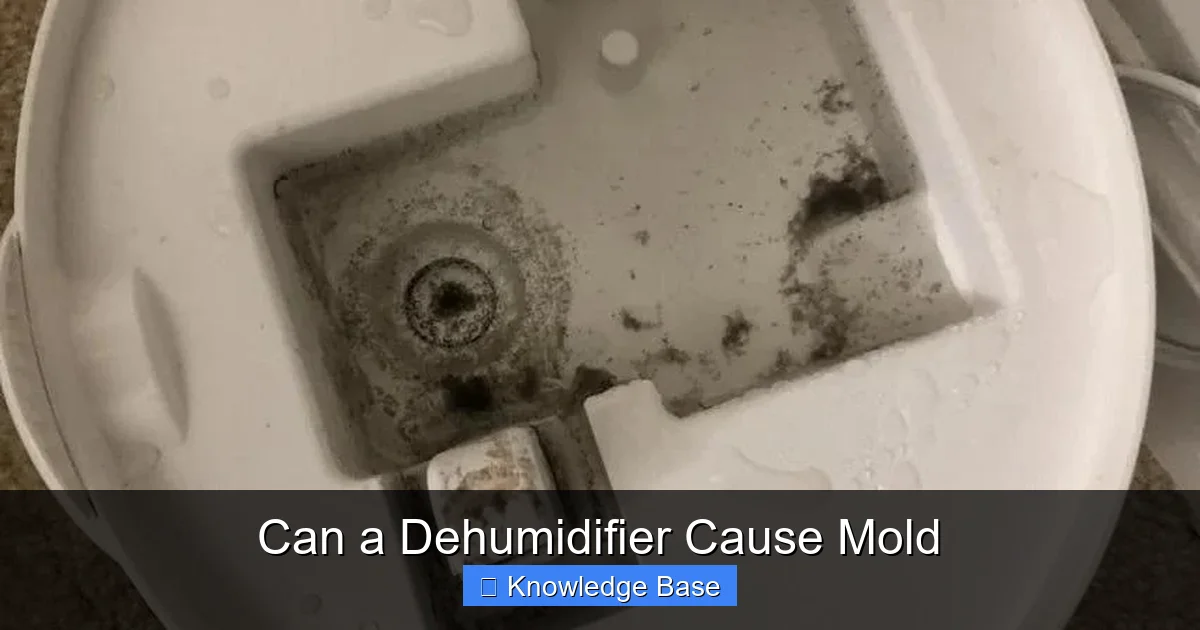
A dirty filter can become damp from the humid air passing through it. Combine that with dust and organic matter, and you’ve got the perfect environment for mold to grow—right inside your dehumidifier. And when the unit runs, it can blow mold spores back into your home.
For example, imagine you haven’t cleaned your dehumidifier’s filter in six months. It’s caked with dust and barely lets air through. Every time the fan turns on, it’s pushing musty, moldy air into your living space. That’s not helping—it’s making things worse.
Infrequent Tank Emptying
Many dehumidifiers collect water in a built-in tank. If you don’t empty it regularly, the water can sit for days—or even weeks. Stagnant water is a magnet for bacteria and mold.
Even if the tank has a float switch that shuts off the unit when full, mold can still grow on the sides or bottom of the container. And when you eventually empty it, you might be releasing mold spores into the air.
We’ve heard stories of people opening their dehumidifier tank and finding a slimy, greenish film at the bottom. That’s not just gross—it’s a health hazard.
Poor Cleaning Habits
Beyond the filter and tank, the interior of the dehumidifier—especially the coils and water tray—can accumulate moisture and debris. If you never clean these parts, mold can grow inside the machine.
This is especially true in humid climates or during rainy seasons when the unit runs constantly. The constant moisture, combined with dust and organic matter, creates an ideal mold habitat.
And because the inside of the dehumidifier is dark and enclosed, mold can grow unnoticed for months.
Using the Wrong Size or Placement
Another way a dehumidifier can indirectly contribute to mold is by being the wrong size or placed in the wrong spot.
An undersized unit won’t remove enough moisture, leaving your home still too humid for comfort. Meanwhile, an oversized dehumidifier might cycle on and off too quickly, never running long enough to properly dehumidify the air. This can lead to inconsistent humidity levels, which some molds actually prefer.
Also, placing a dehumidifier in a corner with no airflow—or in a room with constant water intrusion, like a leaking pipe—won’t solve the problem. The dehumidifier might run nonstop, but if the source of moisture isn’t fixed, mold can still grow elsewhere.
Signs Your Dehumidifier Might Be Causing Mold
So how do you know if your dehumidifier is doing more harm than good? Watch for these red flags.
Musty or Earthy Smells
If you notice a damp, moldy odor coming from your dehumidifier—or lingering in the room where it’s running—that’s a big warning sign. Even if you don’t see visible mold, the smell indicates that microbial growth is happening somewhere in or around the unit.
This is especially concerning if the smell gets stronger when the dehumidifier is running. It means spores are being blown into the air.
Visible Mold Inside the Unit
Open the front panel or remove the tank and take a look. Do you see black, green, or white spots on the filter, coils, or water tray? That’s mold.
Even a small patch can spread quickly in the moist environment inside the dehumidifier. And once it takes hold, it’s hard to eliminate without a deep clean.
Increased Allergy or Respiratory Symptoms
If you or your family members start experiencing more sneezing, coughing, itchy eyes, or trouble breathing—especially when the dehumidifier is on—it could be due to mold spores being circulated.
People with asthma or allergies are particularly sensitive to mold. What starts as a minor issue can quickly become a health crisis.
Water Stains or Residue
Check the area around your dehumidifier. Are there water stains on the floor or walls? Is there a sticky or slimy residue? These could indicate that the unit is leaking or that water is pooling due to a full tank or clogged drain hose.
Standing water near the dehumidifier creates a perfect mold hotspot—even if the machine itself is clean.
How to Prevent Mold in and Around Your Dehumidifier
The good news? Preventing mold in your dehumidifier is easier than you think. With a few simple habits, you can keep your unit running efficiently and your home healthy.
Clean the Filter Monthly
Your dehumidifier’s air filter should be cleaned at least once a month—more often if you have pets or live in a dusty area.
To clean it, remove the filter and rinse it under warm water. Use a mild detergent if needed, but avoid harsh chemicals that could damage the material. Let it dry completely before reinstalling.
Some filters are washable; others need to be replaced. Check your user manual for guidance.
Empty and Clean the Water Tank Weekly
Even if the tank isn’t full, empty it at least once a week. Rinse it with a mixture of water and white vinegar to kill bacteria and prevent mold.
Use a soft brush to scrub the sides and bottom, especially if you notice any film or residue. Dry the tank thoroughly before putting it back.
If your dehumidifier has a continuous drain hose, make sure it’s properly connected and not kinked or clogged.
Deep Clean the Unit Every 3–6 Months
Every few months, give your dehumidifier a thorough cleaning. Unplug it, remove the tank and filter, and wipe down the interior with a vinegar solution.
Pay special attention to the coils and water tray—these are prime spots for mold. Use a soft cloth or brush to remove any buildup.
If you’re not comfortable doing this yourself, consider hiring a professional for maintenance.
Monitor Humidity Levels
Use a hygrometer to check the humidity in your home. Aim to keep it between 30% and 50%. If it’s consistently above 60%, your dehumidifier may not be powerful enough—or there could be a hidden moisture problem.
Some modern dehumidifiers have built-in hygrometers and auto-humidistats that adjust settings based on current conditions. These are great for maintaining optimal levels without constant monitoring.
Address the Root Cause of Moisture
A dehumidifier is a tool, not a cure-all. If your home has a leak, poor ventilation, or high outdoor humidity, you need to fix those issues too.
For example, if your basement floods after heavy rain, a dehumidifier alone won’t solve the problem. You may need a sump pump, better drainage, or waterproofing.
Similarly, if your bathroom doesn’t have an exhaust fan, steam from showers will keep the air humid no matter how long the dehumidifier runs.
Choose the Right Size and Placement
Make sure your dehumidifier is the right size for the space. A unit that’s too small won’t keep up; one that’s too big may waste energy and create overly dry conditions.
Place it in a central location with good airflow—away from walls and furniture. Avoid corners or enclosed spaces where air can’t circulate.
Also, keep the area around the dehumidifier clean and dry. Don’t stack boxes or laundry near it, as this can block airflow and trap moisture.
Best Practices for Long-Term Mold Prevention
Using a dehumidifier is just one part of a comprehensive mold prevention strategy. Here are some additional tips to keep your home dry and healthy.
Improve Ventilation
Open windows when weather permits to let fresh air circulate. Use exhaust fans in kitchens and bathrooms to remove steam and cooking odors.
If your home feels stuffy, consider installing a whole-house ventilation system or energy recovery ventilator (ERV).
Fix Leaks Promptly
A dripping pipe, leaking roof, or cracked foundation can introduce moisture that no dehumidifier can handle. Inspect your home regularly and repair any leaks as soon as you spot them.
Even small drips can lead to big mold problems over time.
Use Mold-Resistant Materials
In areas prone to moisture—like basements, bathrooms, and laundry rooms—use mold-resistant drywall, paint, and insulation.
These materials are treated to resist fungal growth and can make a big difference in high-humidity zones.
Insulate Cold Surfaces
Condensation forms when warm, moist air hits a cold surface—like a window or uninsulated pipe. This moisture can lead to mold.
Insulate pipes, windows, and exterior walls to reduce condensation and keep surfaces dry.
Run the Dehumidifier Consistently
Don’t just turn on your dehumidifier during humid months. Mold can grow year-round, especially in basements and crawl spaces.
Set it to run automatically based on humidity levels, and check it regularly to ensure it’s working properly.
Conclusion: Dehumidifiers Are Allies—Not Enemies—in the Fight Against Mold
So, can a dehumidifier cause mold? The answer is clear: only if it’s neglected, misused, or paired with unresolved moisture issues. When used correctly, a dehumidifier is one of the most powerful tools you have to prevent mold, improve air quality, and protect your home and health.
The key is maintenance. Clean the filter, empty the tank, and inspect the unit regularly. Pair your dehumidifier with good ventilation, prompt leak repairs, and smart humidity monitoring. Do that, and you’ll create an environment where mold simply can’t survive.
Remember, a dehumidifier doesn’t just remove water—it removes the conditions that allow mold to thrive. With a little care and attention, your dehumidifier will work tirelessly to keep your home dry, comfortable, and mold-free for years to come.
Frequently Asked Questions
Can a dehumidifier cause mold in a basement?
A properly maintained dehumidifier will not cause mold in a basement. In fact, it’s essential for controlling moisture. However, if the unit is dirty or the tank is full, mold can grow inside and spread.
How do I know if my dehumidifier is growing mold?
Look for musty smells, visible spots inside the unit, or increased allergy symptoms. Check the filter, tank, and coils for slime or discoloration.
Can I prevent mold without a dehumidifier?
Yes, but it’s much harder. Improve ventilation, fix leaks, and use exhaust fans. However, in humid climates or damp spaces, a dehumidifier is often necessary.
Is it safe to run a dehumidifier with mold present?
Yes, but clean the mold first. Run the dehumidifier to dry the area and prevent regrowth. Wear protective gear during cleanup.
Do all dehumidifiers need filters?
Most do. Filters trap dust and improve air quality. Check your model—some have washable filters, others require replacement.
Can a dehumidifier cause dry skin or respiratory issues?
If set too low, it can over-dry the air, leading to dry skin or irritation. Keep humidity above 30% and use a humidifier if needed in winter.