
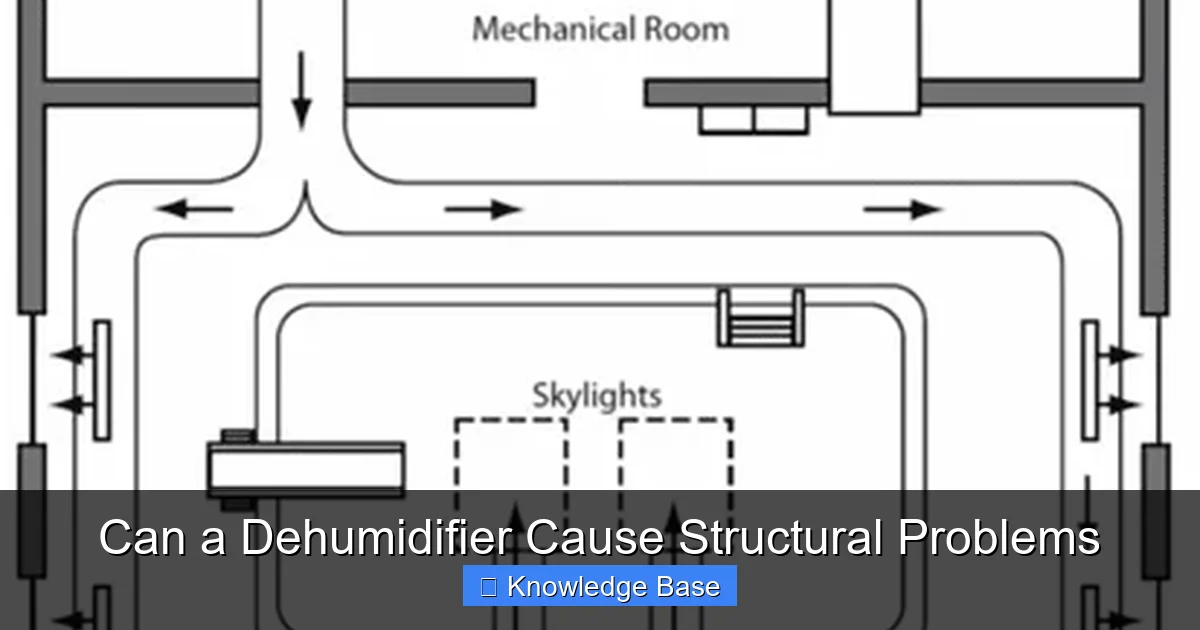
Dehumidifiers are essential for controlling indoor humidity, but improper use can lead to structural issues like dry rot, warped wood, or cracked plaster. This article explores how dehumidifiers affect your home’s structure, when they might cause harm, and how to use them safely to protect your property.
Key Takeaways
- Dehumidifiers reduce excess moisture that can cause mold, rot, and foundation damage, but over-drying can also harm building materials.
- Overuse or incorrect settings may lead to excessively dry air, causing wood to shrink, crack, or warp over time.
- Proper humidity levels (30–50%) are key to preventing both moisture damage and structural drying issues.
- Placement and maintenance matter—poorly positioned units or neglected filters can reduce efficiency and increase risks.
- Signs of over-dehumidification include creaking floors, peeling paint, and tight door frames.
- Smart dehumidifiers with auto-humidistats help maintain balanced humidity without constant monitoring.
- Consult a professional if you notice structural changes, as underlying issues may require more than just humidity control.
Quick Answers to Common Questions
Can a dehumidifier dry out wood too much?
Yes, if humidity drops below 30%, wood can shrink, crack, or warp. Maintain 30–50% humidity to protect wooden structures.
Will a dehumidifier crack my concrete basement?
Rarely, but rapid drying can cause concrete to shrink and crack. Avoid extreme settings and monitor humidity levels.
How often should I run my dehumidifier?
Use auto mode to maintain 30–50% humidity. Run it more in humid seasons, less in dry or cold months.
Can I leave my dehumidifier on all the time?
Only if necessary. Continuous use can over-dry the air. Use a humidistat to control operation automatically.
What’s the best humidity level for my home?
Aim for 30–50%. In winter, stay closer to 30–40%; in summer, 40–50% is ideal.
📑 Table of Contents
- Can a Dehumidifier Cause Structural Problems?
- How Dehumidifiers Work and Their Role in Home Health
- When Dehumidifiers Go Too Far: The Risk of Over-Drying
- Signs Your Dehumidifier Might Be Causing Structural Issues
- Proper Dehumidifier Use: How to Avoid Structural Damage
- When to Call a Professional
- Balancing Moisture Control and Structural Integrity
- Conclusion
Can a Dehumidifier Cause Structural Problems?
You’ve probably heard that dehumidifiers are a lifesaver for damp basements, musty smells, and mold growth. And it’s true—these handy appliances pull excess moisture from the air, helping protect your home from water damage and improving indoor air quality. But what if we told you that using a dehumidifier the wrong way could actually harm your home’s structure?
It might sound counterintuitive. After all, dehumidifiers are designed to *prevent* problems, not cause them. But like any tool, they work best when used correctly. When misused—whether through overuse, poor placement, or incorrect settings—a dehumidifier can contribute to structural issues that are costly and difficult to repair.
In this article, we’ll explore the surprising ways a dehumidifier might affect your home’s integrity. We’ll break down how moisture control works, when it goes too far, and how to strike the perfect balance. Whether you’re dealing with a damp crawl space or trying to protect hardwood floors, understanding the full impact of dehumidification is essential.
How Dehumidifiers Work and Their Role in Home Health
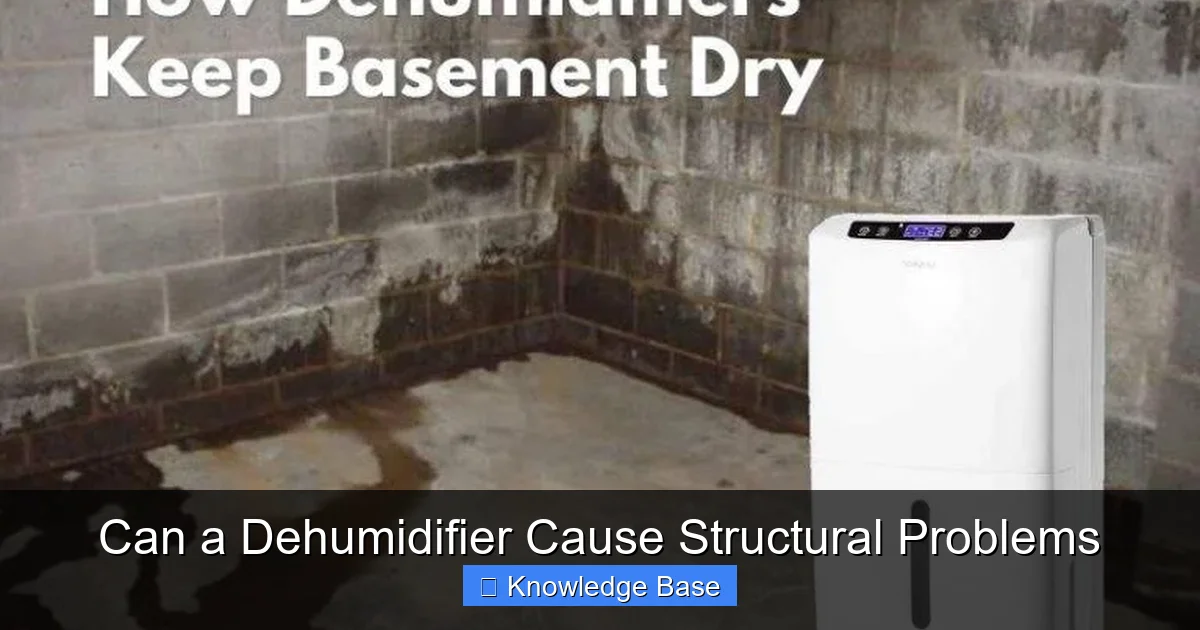
Visual guide about Can a Dehumidifier Cause Structural Problems
Image source: evaporativehumidifiers.com
Before we dive into potential risks, let’s quickly cover how dehumidifiers function and why they’re so valuable in maintaining a healthy home environment.
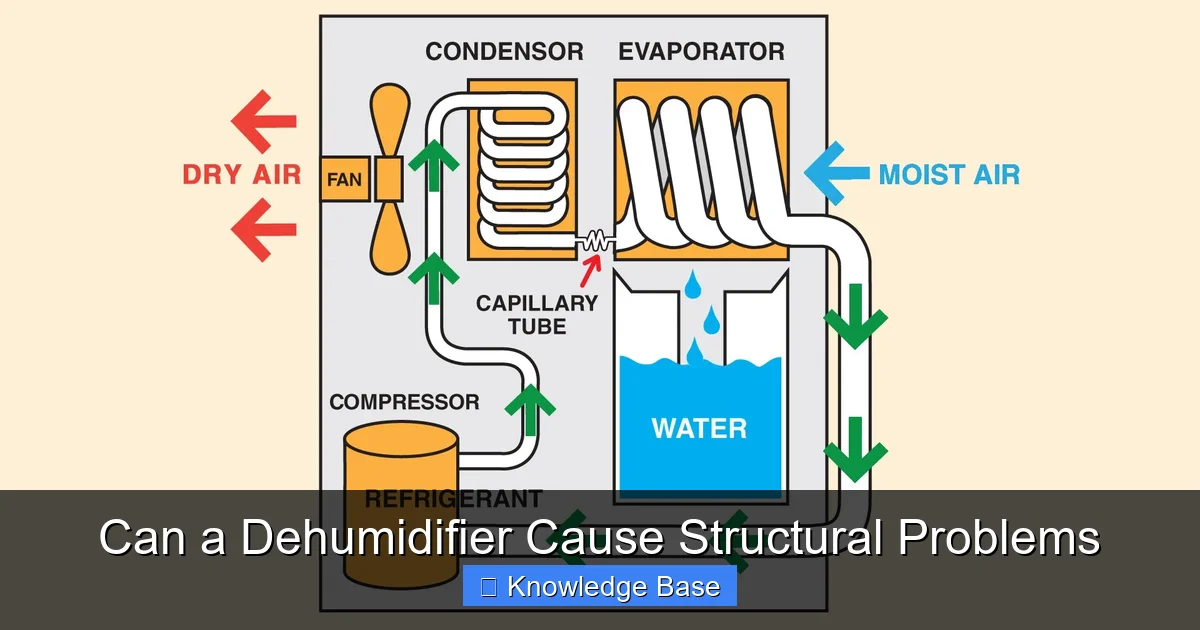
Most residential dehumidifiers use refrigeration technology. They draw in humid air, pass it over cold coils to condense moisture, collect the water in a tank or drain, and then release drier air back into the room. Some models use desiccant materials instead, which absorb moisture chemically—common in colder climates where refrigerant units are less efficient.
The primary purpose of a dehumidifier is to maintain indoor relative humidity (RH) between 30% and 50%. This range is ideal for human comfort and home preservation. Too much humidity encourages mold, mildew, dust mites, and wood rot. Too little can dry out materials, leading to cracks, gaps, and warping.
For example, in a basement prone to flooding or high humidity, a dehumidifier can prevent mold from growing on walls and ceilings. In a historic home with original woodwork, it can stop floorboards from swelling and sticking during humid summers. In short, dehumidifiers are a frontline defense against moisture-related structural damage.
But here’s the catch: while they’re great at removing excess moisture, they don’t distinguish between “bad” moisture and the natural moisture content that building materials need to stay stable. That’s where the risk of structural problems comes in.
When Dehumidifiers Go Too Far: The Risk of Over-Drying
Visual guide about Can a Dehumidifier Cause Structural Problems
Image source: baselineinspections.com
The idea that a dehumidifier could *cause* structural damage might seem odd at first. After all, we associate moisture with problems like rot, mold, and warping. But just like too much water is bad, so is too little.
Wood, plaster, drywall, and even concrete contain some level of moisture. These materials expand and contract slightly with changes in humidity. When humidity drops too low—below 30% for extended periods—materials begin to dry out excessively. This can lead to:
– Shrinkage and cracking in wooden beams, flooring, and trim
– Gaps between floorboards or wall panels
– Peeling paint or wallpaper due to material contraction
– Cracks in plaster or drywall joints
– Doors and windows that stick or won’t close properly
Imagine a solid oak floor that’s been in your home for decades. It’s acclimated to a certain humidity level. If you suddenly drop the indoor humidity to 20% with a powerful dehumidifier running 24/7, the wood will lose moisture rapidly. As it shrinks, you might hear creaking, see gaps between boards, or notice that doors no longer fit their frames.
This isn’t just a cosmetic issue. Over time, repeated drying and re-wetting cycles can weaken structural elements. In extreme cases, overly dry conditions can contribute to dry rot in wood—not because of water, but because the lack of moisture disrupts the natural balance fungi need to survive. Wait, that doesn’t sound right. Actually, dry rot *requires* moisture to grow. So how does over-drying play a role?
Let’s clarify: dry rot (a type of wood-decaying fungus) thrives in damp, poorly ventilated areas. But if a dehumidifier removes *all* moisture from a space, it can create an environment where wood becomes brittle and prone to cracking. These cracks can then allow moisture to enter later—especially if the dehumidifier is turned off or malfunctions—creating pockets where fungi can take hold. So while the dehumidifier doesn’t cause dry rot directly, improper use can set the stage for future problems.
Real-World Example: The Basement That Cracked
Consider a homeowner in Minnesota who installed a high-capacity dehumidifier in their basement after dealing with seasonal flooding. They set it to maintain 30% humidity and left it running constantly. Within a few months, they noticed fine cracks appearing in the concrete walls and floor. At first, they thought it was normal settling. But the cracks kept growing.
After consulting a structural engineer, they learned that the rapid and extreme drying had caused the concrete to shrink faster than it should. Concrete contains moisture, and when it’s removed too quickly—especially in enclosed spaces—it can crack. The dehumidifier wasn’t the sole cause, but it accelerated a process that should have happened gradually over years.
This example shows that even non-organic materials like concrete can be affected by overly aggressive dehumidification. While rare, such cases highlight the importance of balanced humidity control.
Signs Your Dehumidifier Might Be Causing Structural Issues
How can you tell if your dehumidifier is doing more harm than good? Look for these warning signs:
– **Creaking or popping sounds** from floors, especially hardwood
– **Gaps between floorboards** that weren’t there before
– **Doors or windows that stick or won’t latch**—this often happens when wood shrinks or swells
– **Cracks in drywall or plaster**, particularly around corners or joints
– **Peeling paint or wallpaper**, which can indicate material contraction
– **Dry, brittle wood** that feels lightweight or crumbly
– **Static electricity shocks**—a sign of very dry air (below 30% RH)
If you notice several of these signs, it’s worth checking your indoor humidity levels. A simple hygrometer (available for under $20) can measure the relative humidity in different rooms. Ideally, you want to stay between 30% and 50%, depending on the season and climate.
For example, in winter, indoor air tends to be drier due to heating systems. In that case, aiming for 30–40% humidity is safer. In summer, when outdoor humidity is higher, 40–50% is more appropriate. Going below 30% for long periods increases the risk of structural drying.
When to Be Extra Cautious
Certain homes are more vulnerable to over-dehumidification:
– **Older homes** with original woodwork, plaster walls, or solid wood floors
– **Historic buildings** that weren’t designed for modern HVAC systems
– **Homes in dry climates** where outdoor air is already low in moisture
– **Spaces with poor ventilation**, where dry air can’t circulate and equalize
In these cases, it’s especially important to monitor humidity levels and avoid running dehumidifiers continuously at low settings.
Proper Dehumidifier Use: How to Avoid Structural Damage
The good news? You can enjoy the benefits of a dehumidifier without risking your home’s structure. It all comes down to smart usage, proper settings, and regular maintenance.
Set the Right Humidity Level
As mentioned, aim for 30–50% relative humidity. Use a hygrometer to check levels in different areas. If your dehumidifier has a built-in humidistat, make sure it’s calibrated correctly. Some cheaper models may not read accurately, so it’s wise to double-check with a separate device.
Avoid setting the dehumidifier to “continuous” or “maximum” mode unless absolutely necessary—such as after a flood. Instead, use the auto mode, which turns the unit on and off based on current humidity.
Choose the Right Size and Type
Using a dehumidifier that’s too powerful for your space can lead to over-drying. Check the pint rating—this indicates how much moisture the unit can remove in 24 hours. For a small basement (500 sq ft), a 30-pint model may be sufficient. For larger areas, you might need 50–70 pints.
Also, consider the climate. In cold basements (below 60°F), a desiccant dehumidifier may work better than a refrigerant model, which loses efficiency in low temperatures.
Position the Unit Correctly
Place the dehumidifier in a central location with good airflow. Avoid blocking the intake or exhaust vents. Keep it away from walls or furniture that could restrict air circulation.
If you’re using it in a basement, consider placing it near the sump pump or dehumidifier drain to make emptying the tank easier. Some models can be connected to a drain hose for continuous drainage—this reduces the need for frequent maintenance.
Maintain the Unit Regularly
A dirty filter or clogged coils can reduce efficiency and cause the unit to work harder, potentially leading to over-drying. Clean or replace the air filter every 1–2 months, especially during high-use seasons.
Empty the water tank regularly, or use a hose for continuous drainage. Check the coils for frost buildup in cold environments—this can indicate a problem with the defrost function.
Use Smart Features
Modern dehumidifiers often come with smart features like Wi-Fi connectivity, auto-humidistats, and energy-saving modes. These help maintain consistent humidity without constant monitoring.
For example, a smart dehumidifier can send you an alert when the tank is full or when humidity levels spike. Some models even integrate with home automation systems, adjusting settings based on weather forecasts or occupancy.
Monitor and Adjust Seasonally
Humidity needs change with the seasons. In spring and summer, you may need to run the dehumidifier more often. In fall and winter, you might reduce usage or turn it off entirely, especially if you’re using a humidifier to add moisture back into the air.
If you live in a region with harsh winters, consider turning off the dehumidifier when outdoor temperatures drop below freezing. Cold air holds less moisture, so indoor humidity naturally decreases.
When to Call a Professional
If you’ve noticed structural changes—like new cracks, warped floors, or doors that won’t close—it’s important to determine whether humidity is the cause or if there’s a deeper issue.
A structural engineer or home inspector can assess the damage and recommend solutions. In some cases, the problem may not be the dehumidifier at all. Foundation settling, poor drainage, or plumbing leaks could be the real culprits.
For example, a crack in a basement wall might look like it’s caused by dryness, but it could actually be due to hydrostatic pressure from groundwater. In that case, a dehumidifier alone won’t fix the problem—you may need better exterior drainage, a sump pump, or waterproofing.
Similarly, if your hardwood floors are cupping (edges higher than the center), it’s usually a sign of excess moisture, not dryness. Running a dehumidifier in this scenario could make things worse by pulling moisture out too quickly, causing further warping.
That’s why professional evaluation is key. They can help you understand the root cause and develop a comprehensive plan—whether that involves adjusting your dehumidifier, improving ventilation, or making structural repairs.
Balancing Moisture Control and Structural Integrity
At the end of the day, dehumidifiers are powerful tools for protecting your home. But like any tool, they require thoughtful use. The goal isn’t to eliminate all moisture—it’s to maintain a healthy balance.
Think of your home as a living system. Wood, plaster, and concrete all respond to environmental changes. When humidity swings too high or too low, these materials react. The key is to keep fluctuations within a safe range.
By setting your dehumidifier correctly, monitoring humidity levels, and maintaining the unit, you can prevent both moisture damage and over-drying. And by staying alert to signs of structural stress, you can catch problems early—before they become expensive repairs.
Remember: a dehumidifier should support your home’s health, not compromise it. With the right approach, you can enjoy cleaner air, fewer allergens, and a stronger, more stable structure for years to come.
Conclusion
So, can a dehumidifier cause structural problems? The short answer is yes—but only if it’s misused. When used properly, dehumidifiers are one of the best defenses against mold, rot, and moisture damage. But overuse, incorrect settings, or poor maintenance can lead to excessively dry conditions that harm wood, drywall, and even concrete.
The secret is balance. Aim for 30–50% humidity, choose the right unit for your space, and monitor conditions regularly. Pay attention to warning signs like cracking, warping, or sticking doors. And when in doubt, consult a professional.
By understanding how dehumidifiers affect your home’s structure, you can use them safely and effectively—protecting your investment while enjoying a healthier, more comfortable living environment.
Frequently Asked Questions
Can a dehumidifier cause dry rot?
No, dry rot requires moisture to grow. However, over-drying can make wood brittle and prone to cracking, which may allow moisture to enter later and create conditions for rot.
Should I use a dehumidifier in winter?
It depends. In cold, dry climates, indoor air is often too dry already. Running a dehumidifier in winter may over-dry the air. Use a hygrometer to check levels first.
Can a dehumidifier damage hardwood floors?
Yes, if humidity drops too low. Wood floors need stable moisture levels. Sudden drying can cause gaps, cracks, or warping. Maintain 30–50% humidity for best results.
How do I know if my dehumidifier is too strong?
Signs include very dry air (static shocks), rapid tank filling, or humidity dropping below 30%. Choose a unit matched to your space size and needs.
Can I use a dehumidifier with a humidifier?
Yes, in different seasons or zones. Use a dehumidifier in humid months and a humidifier in dry winter months to maintain balanced indoor air.
What should I do if I see cracks after using a dehumidifier?
Check humidity levels and adjust settings. If cracks persist or grow, consult a structural engineer to rule out foundation or drainage issues.