
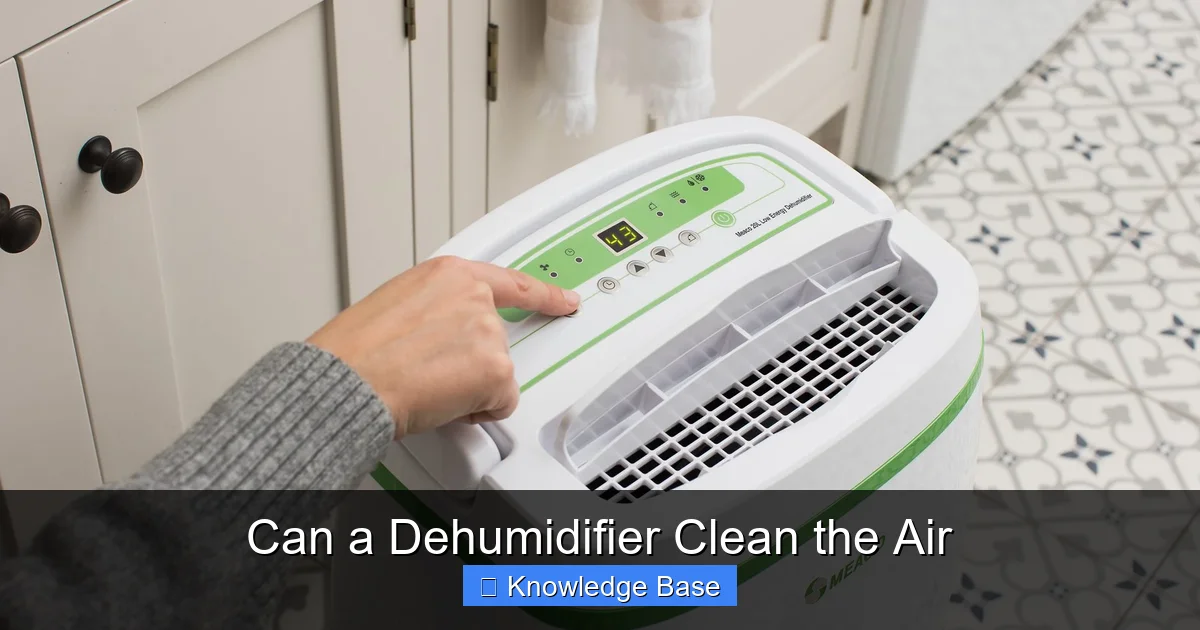
Dehumidifiers don’t clean the air like air purifiers, but they significantly improve indoor air quality by reducing moisture, mold, dust mites, and musty odors. By controlling humidity levels, they create an environment where airborne pollutants struggle to thrive, making your home feel fresher and healthier.
Key Takeaways
- Dehumidifiers reduce humidity, not airborne particles: They remove excess moisture from the air, which indirectly helps control mold, mildew, and dust mites—common indoor allergens.
- They don’t filter air like purifiers: Unlike HEPA air purifiers, dehumidifiers don’t capture pollen, pet dander, or smoke particles directly.
- Lower humidity inhibits mold growth: Keeping indoor humidity between 30–50% prevents mold spores from multiplying, improving air freshness.
- They help reduce musty odors: Damp environments produce stale, earthy smells—dehumidifiers eliminate the source of these odors.
- Can ease allergy and asthma symptoms: By reducing mold and dust mites, dehumidifiers create a more comfortable breathing environment for sensitive individuals.
- Work best alongside air purifiers: For comprehensive air cleaning, pair a dehumidifier with an air purifier for moisture control and particle filtration.
- Proper maintenance is essential: Regular cleaning of water tanks and filters ensures your dehumidifier runs efficiently and doesn’t become a source of bacteria.
Quick Answers to Common Questions
Does a dehumidifier remove dust from the air?
No, a dehumidifier does not remove dust particles from the air. It reduces moisture, which can help limit dust mite populations, but it doesn’t filter out airborne dust like an air purifier does.
Can a dehumidifier help with allergies?
Yes, by reducing mold and dust mites—common allergy triggers—dehumidifiers can help ease allergy symptoms, especially in humid environments.
Should I run a dehumidifier all the time?
Not necessarily. Most models have humidistats that automatically turn the unit on and off to maintain your desired humidity level. Run it as needed, especially in damp areas.
Do dehumidifiers use a lot of electricity?
Energy-efficient models use moderate power. Look for ENERGY STAR-certified units to minimize electricity use while maintaining performance.
Can a dehumidifier replace an air purifier?
No. Dehumidifiers control moisture but don’t filter airborne particles. For full air cleaning, use both a dehumidifier and an air purifier together.
📑 Table of Contents
- Can a Dehumidifier Clean the Air?
- How Dehumidifiers Work: The Science Behind Moisture Removal
- What Pollutants Do Dehumidifiers Help Reduce?
- Dehumidifiers vs. Air Purifiers: What’s the Difference?
- Real-Life Benefits of Using a Dehumidifier for Air Quality
- Tips for Using a Dehumidifier Effectively
- When to Combine a Dehumidifier with an Air Purifier
- Common Misconceptions About Dehumidifiers
- Conclusion: Do Dehumidifiers Clean the Air?
Can a Dehumidifier Clean the Air?
If you’ve ever walked into a damp basement and noticed that musty, stale smell, you’ve experienced the effects of high humidity. That same dampness can linger in bathrooms, laundry rooms, or even entire homes in humid climates. Many people turn to dehumidifiers to fix the problem—but here’s a common question: *Can a dehumidifier clean the air?*
The short answer is: not in the way you might think. A dehumidifier doesn’t “clean” the air by filtering out dust, pollen, or smoke like an air purifier does. Instead, it cleans the air *indirectly* by removing excess moisture. This reduction in humidity creates an environment where many airborne pollutants—like mold spores and dust mites—can’t survive or multiply. So while it doesn’t scrub the air of particles, it makes the air healthier to breathe by tackling the root cause of many indoor air quality issues.
Think of it this way: if your home’s air is a garden, high humidity is like leaving the sprinklers on all the time. Mold, mildew, and dust mites are the weeds that thrive in those conditions. A dehumidifier turns off the sprinklers. It doesn’t pull out the weeds, but it makes it much harder for them to grow back. Over time, your indoor air feels fresher, cleaner, and more comfortable—especially if you suffer from allergies or asthma.
In this article, we’ll dive deep into how dehumidifiers work, what they actually remove from the air, and how they compare to air purifiers. We’ll also explore real-life benefits, practical tips for use, and when you might need both a dehumidifier and an air purifier working together. By the end, you’ll know exactly what a dehumidifier can—and can’t—do for your home’s air quality.
How Dehumidifiers Work: The Science Behind Moisture Removal
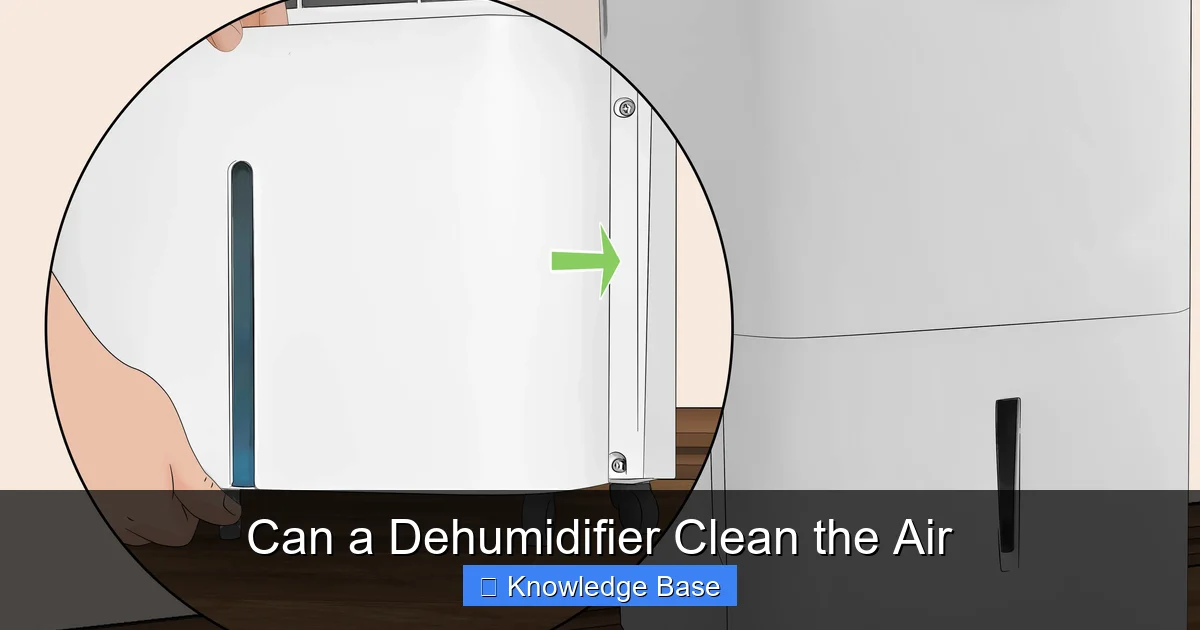
Visual guide about Can a Dehumidifier Clean the Air
Image source: wikihow.com
To understand whether a dehumidifier can clean the air, it helps to know how these devices actually function. At their core, dehumidifiers are designed to reduce the amount of water vapor in the air—also known as humidity. But how do they do that?
Most residential dehumidifiers use a refrigeration-based system, similar to an air conditioner. Here’s a simple breakdown of the process:
1. **Air Intake:** A fan pulls warm, moist air from the room into the dehumidifier.
2. **Cooling Coils:** The air passes over cold coils inside the unit. As the air cools, its ability to hold moisture decreases.
3. **Condensation:** Water vapor in the air condenses into liquid droplets on the coils—just like water beads on a cold drink on a hot day.
4. **Collection:** The collected water drips into a built-in tank or is drained directly through a hose.
5. **Reheating:** The now-dry air passes over warm coils to bring it back to room temperature.
6. **Air Output:** The drier, cooler air is released back into the room.
This cycle repeats continuously until the desired humidity level is reached. Most modern dehumidifiers have built-in humidistats that monitor the air and automatically turn the unit on or off to maintain a set humidity level—usually between 30% and 50%, which is considered ideal for comfort and health.
There are also desiccant dehumidifiers, which use a moisture-absorbing material (like silica gel) instead of cooling coils. These are often used in colder environments where refrigeration-based units are less effective. While they work differently, the end result is the same: drier air.
So, while dehumidifiers don’t have filters that trap airborne particles, they do remove a key ingredient that allows many pollutants to flourish: moisture. This is where the connection to “cleaner air” begins.
What Pollutants Do Dehumidifiers Help Reduce?
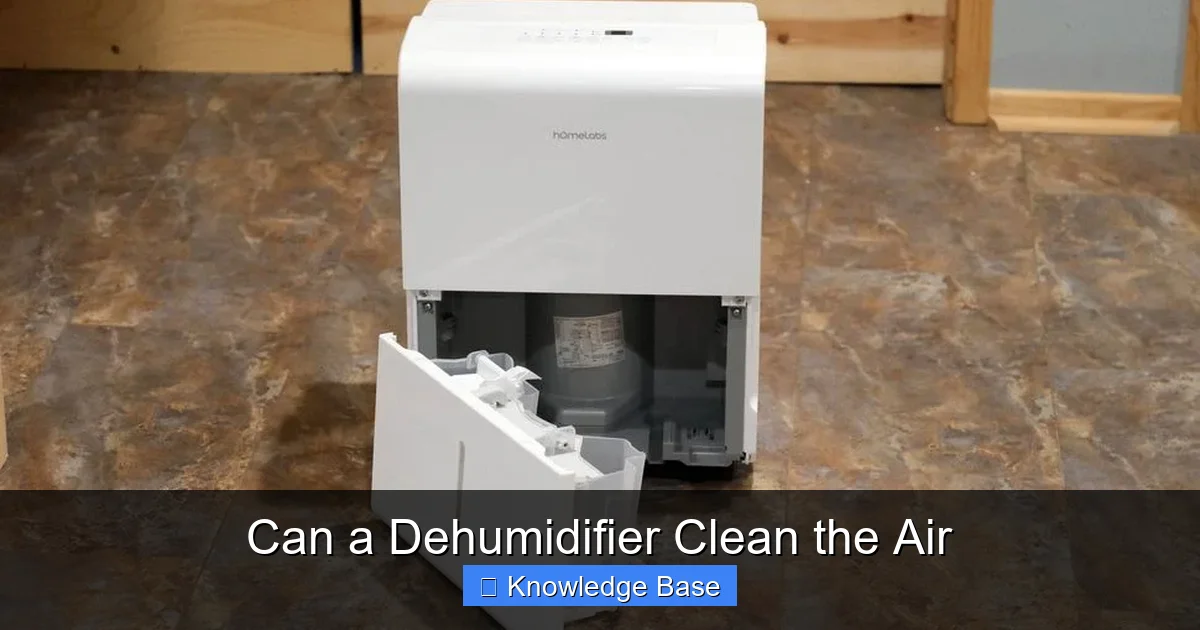
Visual guide about Can a Dehumidifier Clean the Air
Image source: cdn.mos.cms.futurecdn.net
Now that we know how dehumidifiers work, let’s look at what they actually help remove from your indoor environment. While they don’t capture particles like dust or pollen, they create conditions that make it harder for certain pollutants to survive. Here are the main culprits they target:
Mold and Mildew
Mold thrives in damp, humid environments. It releases spores into the air, which can trigger allergies, asthma, and respiratory issues. By keeping humidity below 60%—and ideally between 30% and 50%—dehumidifiers make it much harder for mold to grow on walls, ceilings, clothes, or furniture. This is especially important in basements, bathrooms, and laundry areas where moisture tends to accumulate.
For example, if you’ve ever noticed black spots on your shower curtain or a fuzzy patch on a basement wall, that’s mold. Running a dehumidifier in these areas can stop new growth and help existing mold dry out and become less active.
Dust Mites
Dust mites are microscopic creatures that live in bedding, carpets, and upholstery. They feed on dead skin cells and thrive in humid environments—above 50% humidity is their sweet spot. By lowering indoor humidity, dehumidifiers make your home less hospitable to these pests. Over time, this can reduce the amount of dust mite allergens in the air, which are a common trigger for allergies and asthma.
Studies have shown that homes with controlled humidity levels have significantly lower dust mite populations. This means fewer sneezing fits, itchy eyes, and nighttime coughing for sensitive individuals.
Bacteria and Viruses
While dehumidifiers don’t kill bacteria or viruses directly, they can help reduce their spread. Many pathogens, including certain flu viruses, survive longer in humid air. By lowering humidity, you create an environment where these microorganisms don’t last as long. This doesn’t replace good hygiene or air filtration, but it’s an added layer of protection.
Musty Odors
That damp, earthy smell in basements or closets? It’s often caused by mold, mildew, or stagnant moisture. Dehumidifiers eliminate the source of these odors by drying out the air and surfaces. The result? A fresher-smelling home without the need for air fresheners or sprays that just mask the problem.
Household Chemicals and VOCs
Volatile organic compounds (VOCs) are chemicals released from paints, cleaning products, and furniture. High humidity can increase the release of these compounds into the air. By controlling moisture, dehumidifiers may help reduce VOC levels, contributing to better overall air quality.
In short, while dehumidifiers don’t “clean” the air in the traditional sense, they remove the conditions that allow many harmful pollutants to thrive. This makes your indoor air healthier and more comfortable to breathe.
Dehumidifiers vs. Air Purifiers: What’s the Difference?
This is where many people get confused. Both dehumidifiers and air purifiers are sold as tools to improve indoor air quality—but they do very different things. Let’s break it down.
Air Purifiers: Filtering the Air
Air purifiers are designed to remove airborne particles. They use filters—often HEPA filters—to capture things like:
– Pollen
– Pet dander
– Smoke particles
– Dust
– Mold spores (once they’re floating in the air)
Some models also use activated carbon filters to absorb odors and gases. Air purifiers work continuously to clean the air as it passes through the unit. They’re especially helpful for people with allergies, asthma, or sensitivities to smoke or pollution.
Dehumidifiers: Controlling Moisture
Dehumidifiers, on the other hand, don’t filter particles. Instead, they remove moisture from the air. This indirectly reduces mold, dust mites, and odors by making the environment less hospitable to them. They don’t capture allergens that are already floating around—but they help prevent new ones from forming.
Which One Do You Need?
It depends on your home and health needs:
– If you live in a humid climate, have a damp basement, or notice mold growth, a dehumidifier is likely your best first step.
– If you have pets, live in a polluted area, or suffer from seasonal allergies, an air purifier may be more effective.
– For the best results, many experts recommend using both. A dehumidifier controls moisture and prevents mold, while an air purifier removes existing particles from the air.
Think of it like this: a dehumidifier prevents the problem from starting, while an air purifier cleans up what’s already there. Together, they offer comprehensive air quality protection.
Real-Life Benefits of Using a Dehumidifier for Air Quality
So, what does using a dehumidifier actually feel like in everyday life? Beyond the technical details, there are tangible benefits that many users notice right away.
Better Sleep and Breathing
If you’ve ever woken up with a stuffy nose or dry throat, high humidity might be to blame. Damp air can make breathing feel heavier, especially for people with asthma or allergies. By reducing moisture, dehumidifiers help create a more comfortable sleeping environment. Many users report fewer nighttime coughing fits and easier breathing after using a dehumidifier in the bedroom.
Fewer Allergy Flare-Ups
As mentioned earlier, dust mites and mold are major allergy triggers. By keeping humidity low, dehumidifiers reduce the population of these allergens in your home. Over time, this can lead to fewer sneezing, itchy eyes, and sinus congestion—especially during humid seasons.
Protects Your Home and Belongings
High humidity doesn’t just affect your health—it can damage your home. It can warp wood floors, ruin books and photos, and cause paint to peel. By controlling moisture, dehumidifiers help preserve your belongings and maintain the structural integrity of your home.
Energy Efficiency and Comfort
Damp air feels warmer and stickier than dry air at the same temperature. This can make your home feel uncomfortable, even if the thermostat is set low. By removing excess moisture, dehumidifiers make the air feel cooler and more refreshing. This can reduce the need to crank up the AC, leading to lower energy bills.
Reduces Odors Without Chemicals
Instead of masking musty smells with air fresheners, dehumidifiers eliminate the source. This is a healthier, more natural way to keep your home smelling fresh.
Tips for Using a Dehumidifier Effectively
To get the most out of your dehumidifier and truly improve your air quality, follow these practical tips:
Choose the Right Size
Dehumidifiers are rated by how many pints of moisture they can remove in 24 hours. A small 30-pint unit might be fine for a bathroom, but a 50-pint or 70-pint model is better for a basement or large living area. Check the square footage and humidity level to pick the right size.
Place It Strategically
Put your dehumidifier in the dampest area of your home—usually the basement, laundry room, or bathroom. Make sure it has good airflow around it and isn’t blocked by furniture or walls.
Set the Right Humidity Level
Aim for 30–50% humidity. Use the built-in humidistat to monitor levels. In winter, you may need to go slightly higher to prevent condensation on windows.
Empty the Tank Regularly
Most dehumidifiers have a water tank that needs to be emptied daily or every few days. Some models have continuous drainage options—consider this if you don’t want to deal with frequent emptying.
Clean the Filter and Coils
Dust and mold can build up on the air filter and coils, reducing efficiency and potentially releasing bacteria into the air. Clean the filter monthly and wipe down the coils as needed.
Use It Year-Round in Humid Climates
Even in cooler months, indoor humidity can rise due to showers, cooking, and laundry. Keep your dehumidifier running as needed to maintain healthy air quality.
When to Combine a Dehumidifier with an Air Purifier
For the best air quality, consider using both devices together. Here’s why:
– The dehumidifier controls moisture and prevents mold and dust mites.
– The air purifier captures airborne particles like pollen, pet dander, and smoke.
– Together, they tackle both the source and the symptoms of poor air quality.
For example, if you have a pet and live in a humid area, a dehumidifier will reduce dust mites and odors, while an air purifier will remove pet dander from the air. This dual approach is especially helpful for families with allergies, asthma, or respiratory conditions.
Common Misconceptions About Dehumidifiers
Let’s clear up a few myths:
– **Myth:** Dehumidifiers purify the air like HEPA filters.
**Truth:** They reduce moisture, not particles.
– **Myth:** They’re only for basements.
**Truth:** They’re useful in any damp room—bathrooms, kitchens, closets.
– **Myth:** They dry out the air too much.
**Truth:** Modern units have humidistats to maintain safe, comfortable levels.
– **Myth:** They’re expensive to run.
**Truth:** Energy-efficient models use less electricity than you might think—especially compared to running your AC nonstop.
Conclusion: Do Dehumidifiers Clean the Air?
So, can a dehumidifier clean the air? The answer is nuanced. It doesn’t clean the air by filtering out particles like an air purifier. But it *does* clean the air in a broader, more foundational way—by removing excess moisture that allows mold, dust mites, and odors to thrive.
By maintaining optimal humidity levels, dehumidifiers create a healthier, more comfortable indoor environment. They reduce allergens, prevent structural damage, and make your home feel fresher. For people with allergies or asthma, this can mean fewer symptoms and better breathing.
However, for complete air quality control, especially in homes with pets, smokers, or high pollution, pairing a dehumidifier with an air purifier is the smartest move. Together, they address both moisture and airborne particles, giving you the cleanest, healthiest air possible.
If you’re dealing with dampness, musty smells, or allergy issues, a dehumidifier is a powerful tool—not a replacement for an air purifier, but a vital partner in your quest for better indoor air.
Frequently Asked Questions
How does a dehumidifier improve air quality?
A dehumidifier improves air quality by reducing indoor humidity, which inhibits the growth of mold, mildew, and dust mites. This creates a healthier environment and reduces musty odors.
What humidity level is best for indoor air quality?
The ideal indoor humidity level is between 30% and 50%. This range prevents mold growth, reduces dust mites, and maintains comfort without over-drying the air.
Can a dehumidifier help with asthma?
Yes, by reducing mold and dust mites—common asthma triggers—dehumidifiers can help create a more comfortable breathing environment for asthma sufferers.
Do dehumidifiers remove mold spores from the air?
Dehumidifiers don’t capture mold spores directly, but they prevent new mold growth by reducing moisture. This indirectly lowers the number of spores released into the air.
Where should I place a dehumidifier for best results?
Place it in the dampest area of your home, such as a basement, bathroom, or laundry room. Ensure it has good airflow and isn’t blocked by furniture.
How often should I clean my dehumidifier?
Clean the air filter monthly and empty the water tank regularly. Wipe down coils and the interior every few months to prevent mold and bacteria buildup.