
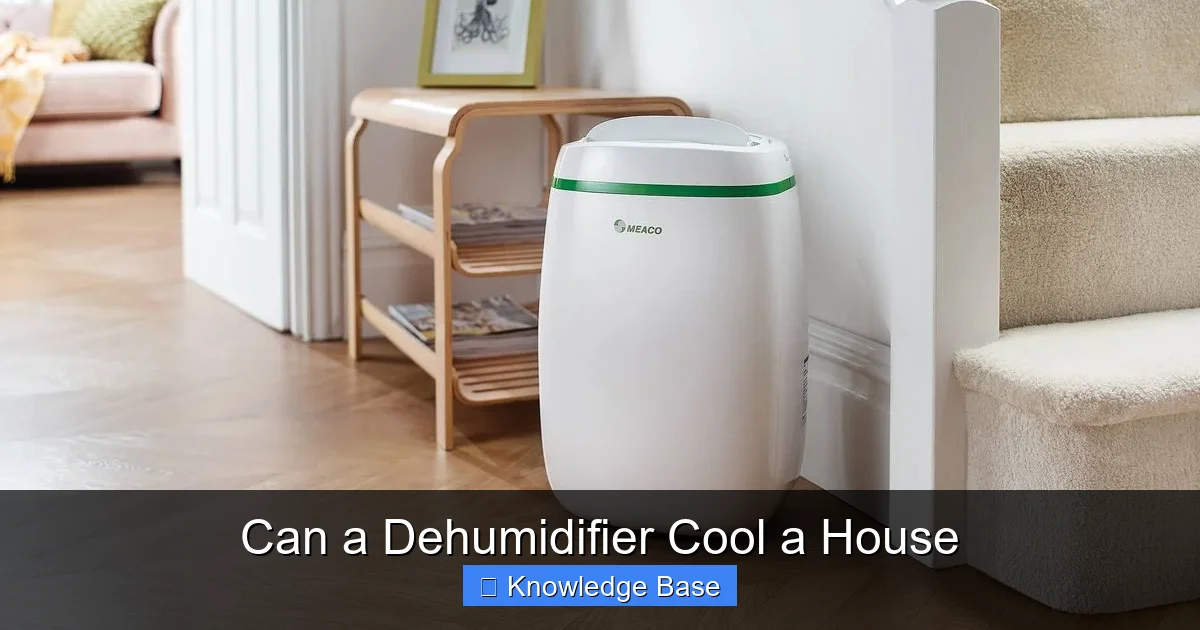
While a dehumidifier doesn’t actually lower air temperature like an air conditioner, it can make your home feel cooler and more comfortable by reducing humidity. By removing excess moisture, it helps your body cool itself more efficiently, creating a fresher, less sticky environment.
Key Takeaways
- Dehumidifiers reduce humidity, not temperature: They remove moisture from the air, which can make a room feel cooler even if the thermostat reading stays the same.
- Improved comfort in humid climates: High humidity makes hot days feel worse; lowering it enhances perceived comfort significantly.
- Energy savings potential: With lower humidity, you may be able to raise your AC thermostat setting and still feel comfortable, reducing cooling costs.
- Not a replacement for air conditioning: Dehumidifiers don’t cool air through refrigeration cycles like AC units—they’re best used alongside them.
- Health and home benefits: Lower humidity inhibits mold, dust mites, and allergens, improving indoor air quality and protecting your home’s structure.
- Proper sizing matters: Choosing the right capacity (pints per day) ensures effective moisture removal without overworking the unit.
- Ventilation and placement are key: For best results, run the dehumidifier in enclosed spaces with good airflow and avoid blocking vents.
Quick Answers to Common Questions
Can a dehumidifier lower room temperature?
No, a dehumidifier does not lower the actual air temperature. It removes moisture, which can make the room feel cooler by improving sweat evaporation.
Will a dehumidifier help with AC efficiency?
Yes. By reducing humidity, your AC doesn’t have to work as hard to remove moisture, potentially lowering energy use and improving comfort.
Can I run a dehumidifier and air conditioner at the same time?
Absolutely. Using both together enhances comfort and efficiency, especially in hot, humid climates.
How much does it cost to run a dehumidifier?
Costs vary, but a typical 50-pint model uses about 500 watts. Running it 8 hours a day may cost $10–$20 per month, depending on electricity rates.
Where should I place a dehumidifier for best results?
Place it in the most humid area (like a basement), away from walls, with good airflow. Close doors and windows to prevent humid air from entering.
📑 Table of Contents
- Can a Dehumidifier Cool a House? The Truth About Humidity and Comfort
- How Dehumidifiers Work: The Science Behind Moisture Removal
- Does a Dehumidifier Make a Room Feel Cooler?
- Dehumidifier vs. Air Conditioner: Key Differences
- Benefits of Using a Dehumidifier Beyond Cooling
- Choosing the Right Dehumidifier for Your Home
- Common Misconceptions About Dehumidifiers
- Conclusion: Should You Use a Dehumidifier to Cool Your House?
Can a Dehumidifier Cool a House? The Truth About Humidity and Comfort
If you’ve ever stepped into a stuffy, humid room on a hot summer day, you know how uncomfortable high moisture levels can be. The air feels thick, sweat doesn’t evaporate, and even a fan seems useless. In moments like these, you might wonder: *Can a dehumidifier cool a house?* It’s a common question—and the answer isn’t as simple as “yes” or “no.”
The short version? A dehumidifier doesn’t actually lower the temperature of your home like an air conditioner does. It doesn’t blow cold air or use a refrigeration cycle to chill the environment. Instead, it works by pulling moisture out of the air, which can make your space feel noticeably cooler and more comfortable. Think of it this way: when humidity is high, your body struggles to cool itself through sweat evaporation. By reducing that moisture, a dehumidifier helps your natural cooling system work better, giving you that refreshing, breezy feeling—even if the thermometer hasn’t changed.
So while a dehumidifier won’t replace your AC, it can be a powerful ally in making your home feel cooler, healthier, and more energy-efficient. Whether you live in a swampy coastal area, a damp basement apartment, or just suffer from summer stickiness, understanding how dehumidifiers affect indoor comfort is key to creating a truly livable space.
How Dehumidifiers Work: The Science Behind Moisture Removal
Visual guide about Can a Dehumidifier Cool a House
Image source: cdn.mos.cms.futurecdn.net
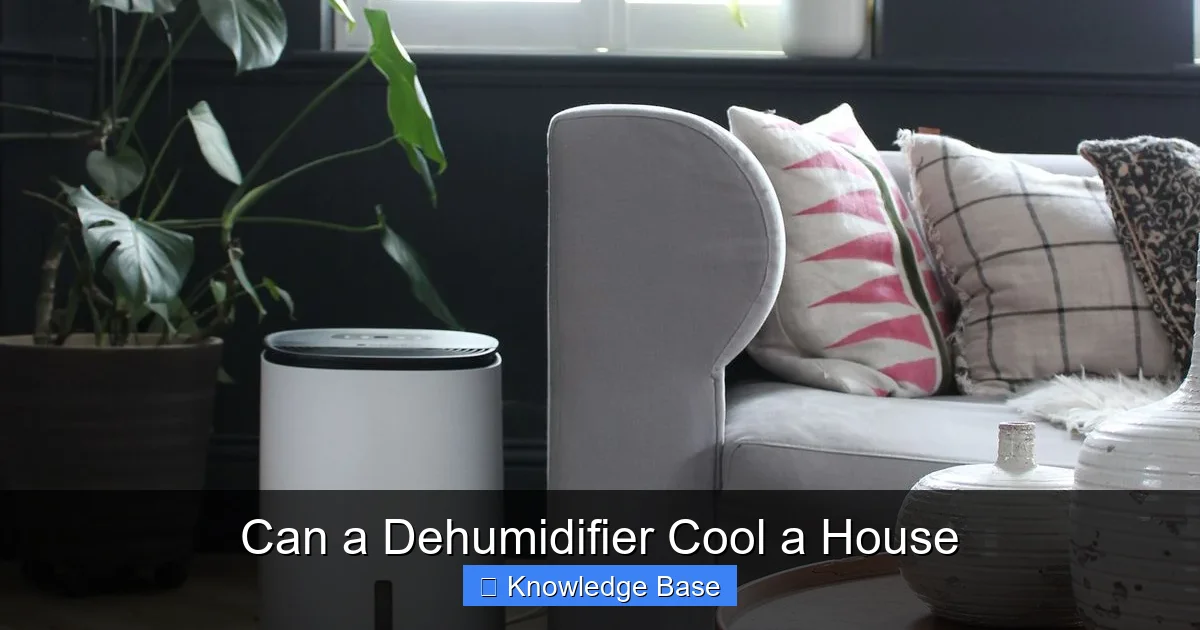
To understand whether a dehumidifier can cool a house, it helps to know exactly what these devices do—and how they do it. At their core, dehumidifiers are moisture extractors. They pull humid air from your home, remove the water vapor, and then release drier air back into the room.
Most residential dehumidifiers use one of two main technologies: refrigerant (compressor-based) or desiccant systems.
Refrigerant Dehumidifiers: The Most Common Type
Refrigerant dehumidifiers work similarly to air conditioners. Here’s the process:
1. A fan draws warm, moist air from the room into the unit.
2. The air passes over cold evaporator coils, causing moisture to condense into water droplets.
3. The collected water drips into a built-in tank or drains directly via a hose.
4. The now-drier air moves over warm condenser coils, reheating it slightly.
5. The dry, slightly warmer air is blown back into the room.
Because the air is reheated before being released, the overall temperature in the room doesn’t drop. In fact, the unit emits a small amount of heat as a byproduct of its operation. So technically, a refrigerant dehumidifier might even make a room a tiny bit warmer—though this effect is usually negligible and outweighed by the comfort gained from lower humidity.
Desiccant Dehumidifiers: Ideal for Cooler Climates
Desiccant dehumidifiers use a moisture-absorbing material (like silica gel) to pull water from the air. They’re often used in colder environments or basements where refrigerant models become less efficient. These units don’t rely on cooling coils, so they can operate effectively even when temperatures dip below 65°F (18°C).
While desiccant dehumidifiers also don’t cool the air, they tend to release air at a more neutral temperature, making them a good choice for spaces where you want moisture control without adding heat.
The Role of Relative Humidity
To grasp why dehumidifiers feel cooling, you need to understand relative humidity (RH). RH is the amount of moisture in the air compared to the maximum it can hold at a given temperature. Warm air holds more moisture than cold air. So on a hot, humid day, even if the temperature is 80°F (27°C), the air might feel like 90°F (32°C) because your sweat can’t evaporate efficiently.
By lowering the relative humidity—say, from 70% to 50%—a dehumidifier makes the same temperature feel much more comfortable. This is why people often say, “It’s not the heat, it’s the humidity.” The dehumidifier tackles the real culprit behind that sticky, oppressive feeling.
Does a Dehumidifier Make a Room Feel Cooler?
Visual guide about Can a Dehumidifier Cool a House
Image source: popsci.com
Now for the million-dollar question: *Does a dehumidifier make a room feel cooler?* The answer is a resounding yes—but with an important caveat.
A dehumidifier doesn’t change the actual air temperature. However, it dramatically improves *perceived* temperature by making the environment feel less oppressive and more breathable. This effect is especially noticeable in humid climates or during summer months when indoor humidity levels spike.
The Science of Thermal Comfort
Human comfort isn’t just about temperature—it’s a combination of air temperature, humidity, air movement, and personal factors like clothing and activity level. When humidity is high, your body’s primary cooling mechanism (sweat evaporation) slows down. As a result, you feel hotter than the thermometer suggests.
By reducing humidity, a dehumidifier allows sweat to evaporate more easily, helping your body regulate its temperature naturally. This creates a sensation of coolness, even if the room is technically the same temperature. It’s similar to how a fan makes you feel cooler by increasing airflow—even though it doesn’t lower the air temperature.
Real-World Examples
Imagine two rooms, both at 78°F (26°C):
– **Room A** has 70% humidity. It feels sticky, clammy, and uncomfortable. You might sweat just sitting still.
– **Room B** has 45% humidity. The air feels light, breathable, and refreshing. You stay dry and cool.
The only difference? Room B has a dehumidifier running. Even though the temperature is identical, the lower humidity makes all the difference in comfort.
Many homeowners report being able to raise their thermostat by 2–4°F (1–2°C) when using a dehumidifier, thanks to the improved comfort. This can lead to noticeable energy savings on your cooling bill.
When You’ll Notice the Cooling Effect Most
The cooling sensation from a dehumidifier is most apparent in:
– **High-humidity regions:** Coastal areas, the Southeast U.S., or tropical climates.
– **Basements and crawl spaces:** These areas often trap moisture and feel damp.
– **Homes with poor ventilation:** Without airflow, humidity builds up quickly.
– **During shoulder seasons:** Spring and fall can bring high humidity without extreme heat, making AC unnecessary—but comfort still an issue.
In dry climates (like deserts), the effect may be less noticeable because the air is already low in moisture. But even there, indoor humidity can rise due to cooking, showers, or laundry—so a dehumidifier can still help maintain balance.
Dehumidifier vs. Air Conditioner: Key Differences
It’s easy to confuse dehumidifiers and air conditioners because both deal with indoor air quality and comfort. But they serve different purposes—and understanding the distinction is crucial.
Primary Function
– **Air Conditioner:** Cools the air by removing heat and moisture. It uses a refrigeration cycle to lower both temperature and humidity.
– **Dehumidifier:** Removes moisture only. It doesn’t cool the air; in fact, it may slightly warm it due to the heat generated during operation.
Cooling Mechanism
Air conditioners work by circulating refrigerant through coils, absorbing heat from indoor air and releasing it outside. The cooled air is then blown back into the room. This process also removes some moisture as a byproduct.
Dehumidifiers, especially refrigerant models, also use coils—but their goal isn’t to cool the air. Instead, they focus on condensation: pulling moisture out and reheating the air before releasing it. The result is drier air, not colder air.
Energy Use and Efficiency
Air conditioners are energy-intensive, especially central units. They consume significant electricity to run compressors and fans.
Dehumidifiers use less energy overall—typically between 300 and 700 watts, depending on size and model. However, because they don’t cool, they’re not a standalone solution for hot weather. Instead, they’re best used in tandem with AC to enhance efficiency.
Best Use Cases
| Device | Best For |
|——–|———|
| Air Conditioner | Hot, humid days when you need actual temperature reduction |
| Dehumidifier | Managing moisture in basements, preventing mold, improving comfort when AC isn’t needed |
Can You Use Them Together?
Absolutely—and it’s often recommended. Running a dehumidifier alongside your AC can:
– Reduce the workload on your air conditioner.
– Allow you to set the thermostat higher without sacrificing comfort.
– Improve indoor air quality by controlling humidity-related allergens.
Some modern HVAC systems even include built-in dehumidification modes or whole-house dehumidifiers for optimal climate control.
Benefits of Using a Dehumidifier Beyond Cooling
While the “cooling” effect is a major draw, dehumidifiers offer a host of other advantages that make them valuable year-round.
Improved Indoor Air Quality
High humidity creates the perfect breeding ground for mold, mildew, dust mites, and bacteria. These allergens can trigger asthma, allergies, and respiratory issues. By keeping humidity between 30% and 50%, a dehumidifier helps create a healthier living environment.
For example, in a basement prone to dampness, a dehumidifier can prevent musty odors and visible mold growth on walls or stored items. Families with allergy sufferers often notice fewer symptoms when humidity is controlled.
Protects Your Home and Belongings
Excess moisture can damage your home’s structure. It can warp wood floors, peel paint, ruin drywall, and corrode metal fixtures. Books, electronics, clothing, and furniture are also at risk in humid conditions.
A dehumidifier acts as a protective measure, especially in vulnerable areas like basements, attics, and garages. It’s a small investment that can prevent costly repairs down the line.
Reduces Odors and Musty Smells
That damp, earthy smell in basements or closets? It’s often caused by mold and mildew thriving in high humidity. A dehumidifier dries out the air, eliminating the conditions these odors need to grow. Many users report their homes smell fresher and cleaner within days of use.
Lowers Energy Bills
When your home feels cooler due to lower humidity, you’re less likely to crank the AC. Even a 2°F increase in thermostat setting can save 5–10% on cooling costs. Over a summer, that adds up.
Additionally, dry air is easier to cool. Your AC doesn’t have to work as hard to remove moisture, which can extend its lifespan and reduce maintenance needs.
Enhances Sleep and Comfort
Sleep quality improves in a dry, comfortable environment. High humidity can make bedding feel damp and disrupt sleep. A dehumidifier in the bedroom can help you rest better, especially during humid nights.
Choosing the Right Dehumidifier for Your Home
Not all dehumidifiers are created equal. To get the best results, you need to choose the right size, type, and features for your space.
Capacity: Pints Per Day
Dehumidifiers are rated by how many pints of moisture they can remove in 24 hours. Common sizes include:
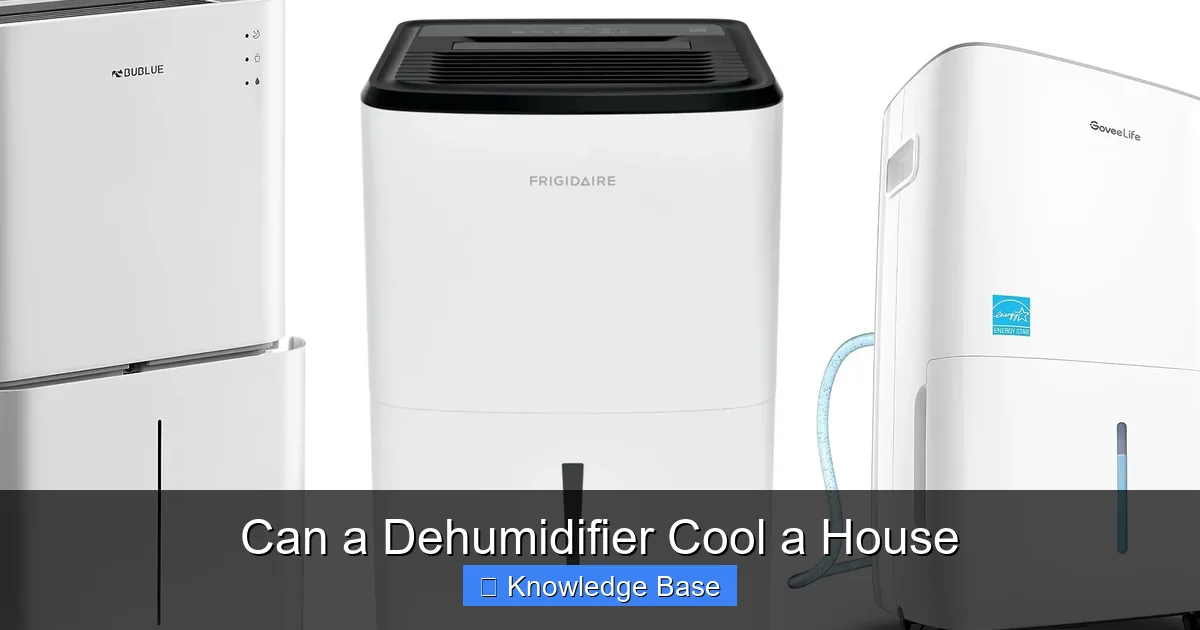
– **30-pint:** Ideal for small spaces (up to 500 sq ft), mild dampness.
– **50-pint:** Best for medium to large rooms (up to 1,500 sq ft), moderate to high humidity.
– **70-pint and above:** For large basements, crawl spaces, or very wet conditions.
As a rule of thumb, choose a unit rated for a space slightly larger than your actual area. This ensures it can handle humidity spikes without struggling.
Drainage Options
Most dehumidifiers collect water in a bucket that needs emptying every 12–24 hours. For convenience, look for models with:
– **Continuous drainage:** Attach a hose to drain directly into a floor drain or sump pump.
– **Auto shut-off:** Stops the unit when the tank is full to prevent overflow.
– **Pump feature:** Some units include a built-in pump to push water upward (e.g., from a basement to a sink).
Energy Efficiency
Look for the ENERGY STAR label. These models use 15–20% less energy than standard units. Over time, the savings on your electric bill can offset the initial cost.
Check the unit’s Energy Factor (liters of water removed per kilowatt-hour). Higher numbers mean better efficiency.
Noise Level
Dehumidifiers can be noisy, especially in bedrooms or living areas. Look for models with noise levels below 50 decibels (dB) for quiet operation. Features like variable fan speeds and sleep modes help reduce noise at night.
Smart Features
Modern dehumidifiers may include:
– **Humidity sensors:** Automatically adjust operation to maintain your desired level.
– **Wi-Fi connectivity:** Control via smartphone app.
– **Timers:** Set it to run during off-peak hours.
– **Air filters:** Capture dust and allergens for cleaner air.
Placement Tips
For best performance:
– Place the dehumidifier in the most humid area (e.g., basement, laundry room).
– Keep it away from walls and furniture to allow proper airflow.
– Close doors and windows to prevent humid outdoor air from entering.
– Run it continuously during high-humidity seasons or as needed.
Common Misconceptions About Dehumidifiers
Despite their popularity, dehumidifiers are often misunderstood. Let’s clear up some common myths.
Myth 1: Dehumidifiers Cool the Air Like AC
As we’ve covered, dehumidifiers don’t lower air temperature. They reduce humidity, which improves comfort—but they don’t replace air conditioning.
Myth 2: They’re Only for Basements
While basements are common problem areas, dehumidifiers can benefit any humid space: bathrooms, kitchens, closets, or entire homes in tropical climates.
Myth 3: Bigger Is Always Better
An oversized dehumidifier may cycle on and off too quickly, failing to remove enough moisture. It can also waste energy. Choose the right size for your space and humidity level.
Myth 4: They Use a Lot of Electricity
Modern dehumidifiers are surprisingly efficient. A 50-pint ENERGY STAR model uses about the same energy as a refrigerator—around 500 watts. Running costs vary, but many users see net savings when combined with reduced AC use.
Myth 5: You Only Need One in Summer
Humidity can be a problem year-round. In winter, indoor moisture from showers, cooking, and heating systems can still cause condensation and mold. A dehumidifier helps maintain balanced humidity in all seasons.
Conclusion: Should You Use a Dehumidifier to Cool Your House?
So, can a dehumidifier cool a house? Not in the traditional sense—but it can make your home feel significantly cooler, more comfortable, and healthier. By reducing excess moisture, it enhances your body’s natural cooling process, allowing you to enjoy a fresher, less sticky environment—even on the most humid days.
While it’s not a substitute for air conditioning, a dehumidifier is a smart complement. It can help you save energy, protect your home, improve air quality, and sleep better. Whether you’re dealing with a damp basement, a stuffy bedroom, or just summer humidity, a dehumidifier is a worthwhile investment.
The key is choosing the right model for your needs, placing it correctly, and using it consistently. With the right setup, you’ll wonder how you ever lived without it.
In short: a dehumidifier won’t lower your thermostat—but it might just lower your discomfort. And in the battle against summer heat, that’s a win.
Frequently Asked Questions
Can a dehumidifier replace an air conditioner?
No, a dehumidifier cannot replace an air conditioner. It removes moisture but doesn’t cool the air. It’s best used alongside AC to improve comfort and efficiency.
Do dehumidifiers use a lot of electricity?
Modern dehumidifiers are energy-efficient, especially ENERGY STAR models. While they do use electricity, the savings from reduced AC use often offset the cost.
How often should I empty the dehumidifier tank?
Most units need emptying every 12–24 hours, depending on humidity levels. Models with continuous drainage or pumps eliminate this task.
Can a dehumidifier help with allergies?
Yes. By reducing mold, dust mites, and other allergens that thrive in high humidity, a dehumidifier can improve indoor air quality and ease allergy symptoms.
Is it safe to run a dehumidifier all the time?
Yes, as long as it’s properly sized and maintained. Many units have auto-humidistats that turn them on and off to maintain your desired humidity level.
What humidity level should I aim for in my home?
Ideal indoor humidity is between 30% and 50%. Levels above 60% promote mold growth, while below 30% can cause dry skin and respiratory irritation.