

While dehumidifiers are essential for controlling moisture and preventing mold, improper use can actually damage your house. From over-drying indoor air to electrical hazards and structural issues, understanding the risks helps you use this appliance safely and effectively.
Key Takeaways
- Overuse can dry out wood and cause cracking: Running a dehumidifier too much may remove too much moisture, leading to warped floors, creaky doors, and damaged furniture.
- Improper placement increases fire and tripping risks: Plugging into overloaded outlets or placing near flammable materials can create safety hazards.
- Neglecting maintenance leads to mold and bacteria growth: Dirty filters and full water tanks can turn your dehumidifier into a source of contamination.
- Incorrect humidity settings harm comfort and health: Keeping humidity too low (below 30%) can cause dry skin, respiratory issues, and static electricity.
- Poor ventilation during use traps pollutants: Sealing a room completely while running the unit may reduce air quality if not balanced with fresh air exchange.
- Using the wrong size unit wastes energy and underperforms: An undersized dehumidifier won’t control moisture, while an oversized one cycles too frequently, increasing wear.
- Regular monitoring prevents long-term damage: Using a hygrometer and following manufacturer guidelines ensures safe, effective operation.
Quick Answers to Common Questions
Can a dehumidifier cause wood to crack?
Yes, if it lowers humidity too much (below 30%), wood can dry out, shrink, and crack. Use a hygrometer to keep levels between 35% and 45%.
Is it safe to leave a dehumidifier on all the time?
It’s safe if the unit has an auto shut-off and proper drainage. But constant use can over-dry the air. Use a humidistat to control runtime.
Can a dirty dehumidifier make you sick?
Yes, mold and bacteria can grow in neglected units and be blown into the air, worsening allergies or asthma. Clean filters and tanks regularly.
Should I use a dehumidifier in winter?
Usually not needed, as indoor air is drier in winter. Use only in damp areas like basements, and monitor humidity to avoid over-drying.
Can a dehumidifier start a fire?
Rarely, but possible if plugged into overloaded circuits, placed near flammable materials, or if the unit is old and malfunctioning. Follow safety guidelines.
📑 Table of Contents
- Introduction: The Double-Edged Sword of Dehumidifiers
- How Dehumidifiers Work—and Why Misuse Matters
- Can a Dehumidifier Damage Wood and Structural Elements?
- Electrical and Fire Hazards: When Safety Goes Wrong
- The Hidden Dangers of Poor Maintenance
- Humidity Imbalance: When Too Little Is as Bad as Too Much
- Choosing the Right Dehumidifier and Using It Wisely
- Conclusion: Use Your Dehumidifier Wisely to Protect Your Home
Introduction: The Double-Edged Sword of Dehumidifiers
Dehumidifiers are like silent guardians in many homes—working behind the scenes to pull excess moisture from the air. They’re especially popular in humid climates, basements, laundry rooms, and older homes prone to dampness. By reducing humidity levels, they help prevent mold, mildew, dust mites, and musty odors. For people with allergies or asthma, a dehumidifier can make a noticeable difference in comfort and health.
But here’s the catch: while these devices are designed to protect your home, they can also cause harm—if used incorrectly. Just like any powerful appliance, a dehumidifier comes with responsibilities. Think of it like a garden hose: useful for watering plants, but dangerous if left running unattended near your foundation. The same logic applies indoors. Without proper care, placement, and settings, a dehumidifier might do more harm than good.
In this article, we’ll explore whether a dehumidifier can damage your house—and how to avoid common pitfalls. You’ll learn about the risks of over-drying, electrical hazards, maintenance neglect, and more. Whether you’re a new owner or have been using one for years, this guide will help you keep your home safe, healthy, and structurally sound.
How Dehumidifiers Work—and Why Misuse Matters
Visual guide about Can a Dehumidifier Damage Your House
Image source: i1.wp.com
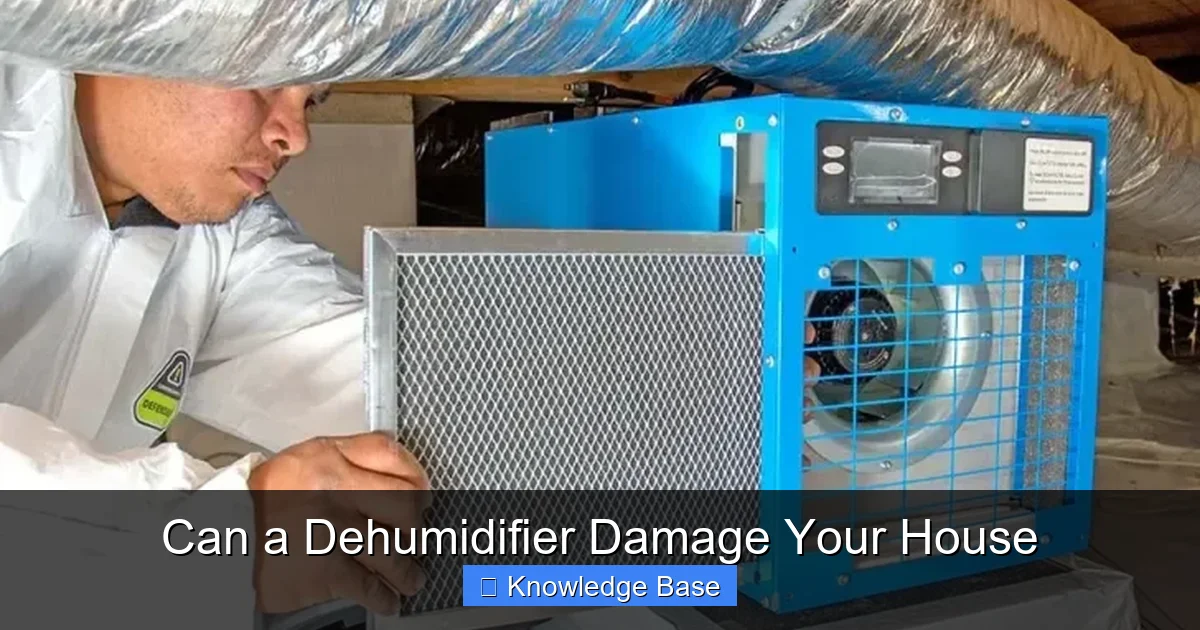
Before diving into potential damage, it helps to understand how dehumidifiers function. Most residential units use a refrigeration-based system: a fan pulls humid air over cold coils, where moisture condenses into water droplets. These droplets collect in a tank or drain hose, while the drier air is reheated and released back into the room. Some models use desiccant materials instead of coils, but the goal is the same—reduce indoor humidity.
The ideal indoor humidity level is between 30% and 50%. This range keeps mold at bay while preserving the integrity of wood, paint, and fabrics. Going below 30% can dry out materials; going above 60% invites mold and pests. A good dehumidifier maintains this balance automatically, especially if it has a built-in humidistat.
However, not all users set their units correctly. Some run them constantly, regardless of actual humidity. Others place them in poorly ventilated corners or forget to empty the water tank. These habits may seem harmless, but they can lead to unintended consequences. For example, a dehumidifier left running in a sealed basement with no airflow might pull moisture from the air so aggressively that it starts drawing moisture from wood beams, drywall, or furniture—causing them to shrink, crack, or warp.
Understanding the mechanics helps you appreciate why settings, placement, and maintenance matter. It’s not just about turning it on and forgetting it. Smart use means monitoring, adjusting, and maintaining your unit to match your home’s needs.
Can a Dehumidifier Damage Wood and Structural Elements?

Visual guide about Can a Dehumidifier Damage Your House
Image source: bestdehumidifier.reviews
One of the most common concerns homeowners have is whether a dehumidifier can dry out wood too much. The short answer? Yes—it can, especially if used excessively or in the wrong environment.
Wood is hygroscopic, meaning it naturally absorbs and releases moisture based on the surrounding air. In high humidity, wood swells; in low humidity, it shrinks. This is normal and usually harmless within a healthy range. But when humidity drops too low—say, below 30%—wood can lose moisture faster than it can equilibrate, leading to problems.
Cracking and Warping in Floors and Furniture
Hardwood floors are particularly vulnerable. If a dehumidifier runs nonstop in a living room with solid oak flooring, the wood planks may shrink unevenly. This can cause gaps between boards, squeaky steps, or even cupping (where edges curl upward). In extreme cases, the floor may crack or separate from the subfloor.
Furniture isn’t immune either. Wooden tables, chairs, and cabinets can develop cracks in their finish or structure. Antiques and musical instruments like pianos or guitars are especially sensitive. A vintage guitar stored in a room with chronically low humidity might suffer from fret buzz, neck warping, or soundboard cracks.
Damage to Doors, Windows, and Trim
Interior doors often stick in summer due to swelling—but in winter or in overly dry conditions, they may shrink so much that they won’t close properly. You might notice gaps around door frames or windows that let in drafts. Baseboards and crown molding can also separate from walls as the wood contracts.
Even structural elements like support beams and joists can be affected over time. While it takes longer for large structural members to dry out, prolonged exposure to very low humidity can weaken joints and fasteners, especially in older homes with traditional joinery.
How to Prevent Over-Drying
The key is balance. Use a hygrometer (a simple, inexpensive device) to monitor humidity levels. Aim to keep it between 35% and 45% in most living areas. In basements or crawl spaces, you can allow slightly higher levels (up to 50%) since these areas naturally hold more moisture.
If you notice signs of over-drying—like cracking wood or static shocks—reduce the runtime of your dehumidifier. Many modern units have adjustable humidistats, so set it to turn off once the desired level is reached. Also, avoid running the unit in rooms with valuable wood items unless absolutely necessary.
Electrical and Fire Hazards: When Safety Goes Wrong
Dehumidifiers are electrical appliances that draw significant power—especially larger models. While they’re generally safe when used correctly, poor electrical practices can lead to overheating, short circuits, or even fires.
Overloaded Outlets and Extension Cords
One common mistake is plugging a dehumidifier into an overloaded power strip or a long extension cord. These devices can draw 5 to 10 amps or more, depending on the size. Using a thin or low-quality extension cord can cause resistance, overheating, and potential fire risk.
Always plug your dehumidifier directly into a wall outlet. If you must use an extension cord, choose a heavy-duty, grounded cord rated for the unit’s wattage. Avoid daisy-chaining multiple appliances on the same circuit.
Placement Near Flammable Materials
Dehumidifiers generate heat as part of their operation. While they’re designed to dissipate this heat safely, placing them too close to curtains, paper, furniture, or insulation can pose a fire hazard—especially if the unit malfunctions or has a blocked vent.
Keep at least 6 to 12 inches of clearance around the unit. Never cover it or run it in a tightly enclosed space like a closet unless it’s specifically designed for that use.
Water and Electricity Don’t Mix
Since dehumidifiers collect water, there’s always a risk of leaks or spills. If the water tank overflows or the unit develops a crack, water could come into contact with electrical components. This is especially dangerous if the unit is near an outlet or on a damp floor.
To minimize risk, place the dehumidifier on a waterproof mat or tray. Check the tank regularly and empty it before it fills up. If you notice any leaks, unplug the unit immediately and inspect it.
Old or Damaged Units
Like any appliance, dehumidifiers wear out over time. A unit that’s more than 10 years old may have degraded insulation, loose wiring, or failing components. These issues increase the risk of electrical faults.
If your dehumidifier makes unusual noises, smells like burning, or trips the circuit breaker frequently, stop using it and have it inspected by a professional. It’s better to replace an old unit than risk a fire.
The Hidden Dangers of Poor Maintenance
A dehumidifier that’s not properly maintained can become a source of indoor air pollution—ironically, the opposite of its intended purpose. Dust, mold, and bacteria can grow inside the unit and be blown back into your home.
Dirty Filters and Coils
Most dehumidifiers have an air filter to trap dust and allergens. Over time, this filter gets clogged, reducing airflow and efficiency. A dirty filter also forces the motor to work harder, increasing wear and energy use.
Worse, if the filter is neglected, dust and moisture can accumulate on the evaporator coils. This creates a perfect environment for mold and mildew to grow. When the fan blows air over these contaminated coils, it can release spores and bacteria into the room.
Clean or replace the filter every 1 to 2 months during heavy use. Wipe down the coils with a soft brush or vacuum attachment if accessible. Some models have washable filters; others require replacement.
Neglected Water Tanks
The water collected in the tank isn’t just condensed moisture—it can contain mold spores, bacteria, and even insect larvae if left sitting too long. Standing water also attracts pests like mosquitoes or drain flies.
Empty the tank daily if the unit runs frequently. Rinse it with a mild bleach solution (1 tablespoon of bleach per gallon of water) once a week to kill microbes. Dry it thoroughly before reinserting.
If your unit has a continuous drain hose, make sure it’s positioned correctly and not kinked or clogged. A blocked hose can cause the tank to overflow, leading to water damage on floors or carpets.
Infestation Risks
In rare cases, a poorly maintained dehumidifier can become a breeding ground for pests. Silverfish, mold mites, and even small insects are attracted to dark, damp environments. If you notice tiny bugs near your unit, it’s a sign that cleaning is overdue.
Regular maintenance not only prevents damage but also ensures your dehumidifier improves—not harms—your indoor air quality.
Humidity Imbalance: When Too Little Is as Bad as Too Much
While high humidity is a well-known enemy of homes, low humidity is often overlooked—yet it can be just as damaging.
Health Effects of Over-Drying
Air that’s too dry can irritate your respiratory system. Symptoms include dry throat, nosebleeds, itchy skin, and increased susceptibility to colds and flu. For people with asthma or allergies, very dry air can trigger symptoms or reduce the effectiveness of medications.
Static electricity is another nuisance. You might get shocked when touching doorknobs or see your hair stand on end. While not dangerous, it’s uncomfortable and can damage electronics.
Impact on Indoor Plants and Pets
Houseplants thrive in moderate humidity. Too little moisture in the air can cause leaf tips to brown, flowers to drop prematurely, and soil to dry out too quickly. Tropical plants like ferns and orchids are especially sensitive.
Pets can also suffer. Dogs and cats may experience dry skin, dull coats, or respiratory discomfort in overly dry environments. Birds, reptiles, and small mammals often require specific humidity ranges to stay healthy.
Finding the Sweet Spot
The goal isn’t to eliminate all moisture—it’s to maintain a balanced environment. Use a hygrometer to check levels weekly. Adjust your dehumidifier settings based on the season: you may need it more in summer and less in winter.
In colder months, indoor air tends to be drier due to heating systems. You might not need a dehumidifier at all—or only in specific areas like basements. Conversely, in humid climates, you may need to run it daily.
Some smart dehumidifiers connect to home automation systems and adjust automatically based on real-time humidity readings. These can help maintain optimal conditions without constant manual adjustments.
Choosing the Right Dehumidifier and Using It Wisely
Not all dehumidifiers are created equal. Using the wrong size or type for your space can lead to inefficiency, wasted energy, and potential damage.
Size Matters: Capacity and Coverage
Dehumidifiers are rated by how many pints of moisture they can remove in 24 hours. A 30-pint unit is suitable for a small basement or bathroom, while a 70-pint model is better for large, damp areas.
An undersized unit will run constantly, overheat, and fail to control humidity. An oversized one will cycle on and off too frequently, causing wear and inconsistent moisture levels. Both scenarios waste energy and reduce the unit’s lifespan.
Check the manufacturer’s recommendations for room size and humidity level. When in doubt, choose a slightly larger capacity—but not excessively so.
Energy Efficiency and Operating Costs
Look for models with an ENERGY STAR rating. These units use less electricity and often include features like auto-defrost, timers, and adjustable humidistats.
Running a dehumidifier 24/7 can add $20 to $50 per month to your electric bill, depending on size and local rates. Use timers or smart plugs to run it only when needed—like during humid days or after showers.
Smart Features for Safer Use
Modern dehumidifiers come with features that reduce the risk of damage:
– Auto shut-off when the tank is full
– Humidistat for precise control
– Air quality sensors
– Remote monitoring via smartphone apps
These tools help prevent overuse, leaks, and maintenance neglect. Investing in a smart model can save you money and stress in the long run.
When to Call a Professional
If you’re dealing with severe moisture issues—like persistent mold, water intrusion, or high humidity despite using a dehumidifier—it may be time to consult a professional. A home inspector or HVAC technician can identify underlying problems like poor ventilation, foundation leaks, or inadequate insulation.
Sometimes, the solution isn’t just a dehumidifier—it’s fixing the root cause of the moisture.
Conclusion: Use Your Dehumidifier Wisely to Protect Your Home
So, can a dehumidifier damage your house? The answer is yes—but only if it’s misused. When operated correctly, these devices are powerful allies in maintaining a healthy, comfortable, and structurally sound home. They prevent mold, protect wood, and improve air quality.
The key is balance. Don’t let your dehumidifier run unchecked. Monitor humidity levels, clean the unit regularly, and follow safety guidelines. Choose the right size, place it properly, and maintain it like any other important appliance.
By treating your dehumidifier with care, you’ll enjoy its benefits for years—without the hidden costs of damage or health risks. Think of it not as a set-it-and-forget-it gadget, but as a tool that requires attention and respect. When used wisely, it won’t harm your house—it will help preserve it.
Frequently Asked Questions
Can running a dehumidifier damage drywall?
Yes, if humidity drops too low, drywall can dry out and crack, especially in older homes. Maintain humidity above 30% to prevent this.
How often should I clean my dehumidifier?
Clean the filter every 1–2 months and rinse the water tank weekly with a bleach solution to prevent mold and bacteria buildup.
Can a dehumidifier cause static electricity?
Yes, very dry air increases static. If you notice shocks or clingy clothes, your humidity may be too low—adjust the dehumidifier setting.
Is it okay to use a dehumidifier in a bedroom?
Yes, but choose a quiet model and ensure humidity stays above 30%. Over-drying can cause dry throat or nosebleeds while sleeping.
Can a dehumidifier help with mold?
Yes, by reducing moisture, it prevents mold growth. But it won’t remove existing mold—clean affected areas and fix the moisture source.
What’s the best humidity level for a home?
Aim for 30% to 50%. This range prevents mold, protects wood, and supports comfort and health. Use a hygrometer to monitor levels.