

Yes, a dehumidifier can dry a room by removing excess moisture from the air, reducing humidity levels, and preventing mold and musty odors. It’s especially effective in damp spaces like basements, bathrooms, and laundry rooms, helping create a healthier, more comfortable living environment.
Key Takeaways
- Dehumidifiers reduce humidity: They extract moisture from the air, lowering relative humidity to a comfortable 30–50% range.
- They prevent mold and mildew: By controlling moisture, dehumidifiers stop mold growth and protect your home and health.
- Not the same as air conditioning: Unlike AC units, dehumidifiers focus on moisture removal, not cooling the air.
- Best for enclosed spaces: They work most efficiently in closed rooms with limited airflow.
- Energy use varies by model: Choose energy-efficient units with auto-shutoff and humidistats to save power.
- Regular maintenance is key: Clean filters and empty water tanks often to keep performance optimal.
- Complements other drying methods: Use with ventilation, fans, or heaters for faster drying after water damage.
Quick Answers to Common Questions
Can a dehumidifier dry a wet carpet?
A dehumidifier won’t soak up water from a wet carpet, but it helps dry it faster by removing moisture from the air. Use it with fans and proper ventilation for best results.
How long does it take a dehumidifier to dry a room?
It depends on the room size, humidity level, and unit capacity. In a moderately damp room, you may notice improvement within 24–48 hours.
Should I run a dehumidifier every day?
Yes, especially in humid climates or damp areas. Running it daily helps maintain ideal humidity levels and prevents moisture buildup.
Can a dehumidifier help with allergies?
Yes. By reducing mold, dust mites, and other allergens that thrive in moist air, a dehumidifier can improve indoor air quality and ease allergy symptoms.
Do dehumidifiers use a lot of electricity?
Energy use varies by model. Energy Star-rated units are efficient and cost about $0.10–$0.30 per hour to run, making them affordable for regular use.
📑 Table of Contents
Can a Dehumidifier Dry a Room?
Imagine walking into a damp basement after a rainy week. The air feels thick, your clothes take forever to dry, and you notice a faint musty smell creeping from the corners. Sound familiar? If you’ve ever dealt with high humidity indoors, you’ve probably wondered: Can a dehumidifier dry a room? The short answer is yes — but not in the way you might think.
Unlike a towel or a fan that physically removes water from surfaces, a dehumidifier works by pulling moisture out of the air. It doesn’t “dry” wet floors or soaked furniture directly, but it dramatically reduces the humidity level in a room, which in turn helps everything dry faster and prevents further moisture buildup. Whether you’re dealing with a flooded basement, a humid bathroom, or just a clammy living space, a dehumidifier can be a game-changer. In this guide, we’ll explore exactly how dehumidifiers work, when they’re most effective, and how to use them to create a drier, healthier home.
How Does a Dehumidifier Work?
To understand whether a dehumidifier can dry a room, it helps to know what’s happening inside the machine. Most home dehumidifiers use a refrigeration-based system, similar to an air conditioner. Here’s a simple breakdown of the process:
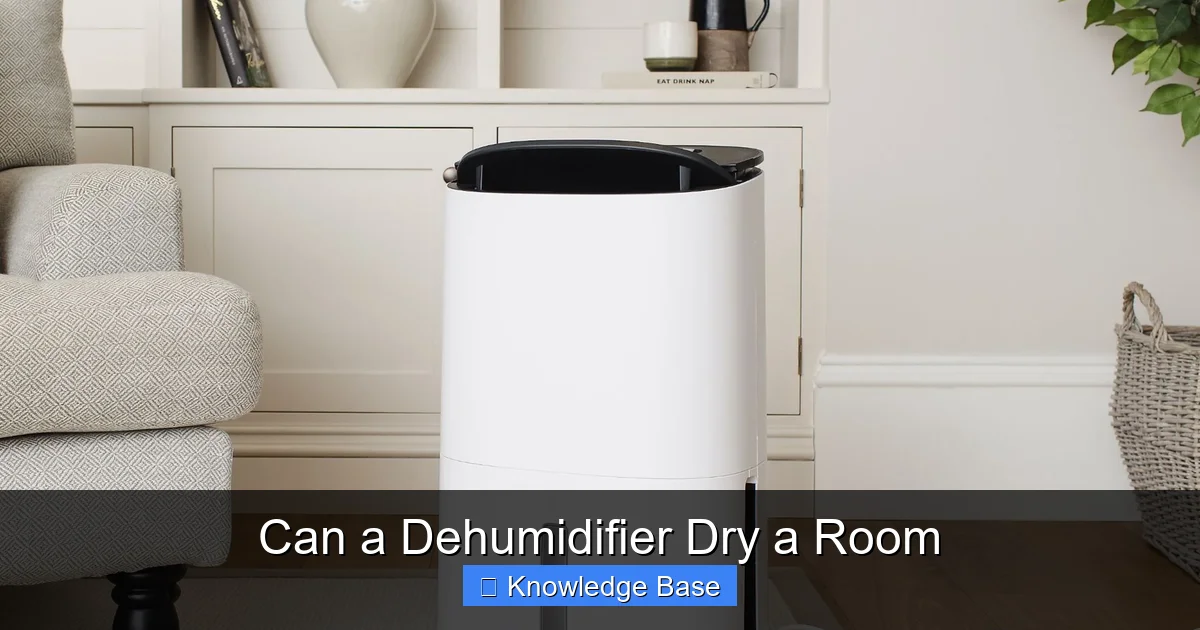
Visual guide about Can a Dehumidifier Dry a Room
Image source: cdn.mos.cms.futurecdn.net
Step 1: Air Intake
The dehumidifier draws in warm, moist air from the room using an internal fan. This air passes over a set of cold coils inside the unit.
Step 2: Condensation
As the warm air hits the cold coils, the moisture in the air condenses into water droplets — just like how water forms on the outside of a cold drink on a hot day. This collected water drips into a built-in tank or is drained directly through a hose.
Step 3: Reheating and Release
The now-dry air passes over a set of warm coils, which reheats it slightly before blowing it back into the room. The result? Cooler, drier air that feels more comfortable and helps surfaces dry faster.
This cycle repeats continuously until the desired humidity level is reached. Many modern dehumidifiers come with a built-in humidistat, which measures the room’s humidity and automatically turns the unit on or off to maintain a set level — usually between 30% and 50%, which is ideal for comfort and health.
Types of Dehumidifiers
Not all dehumidifiers are created equal. The most common types include:
- Refrigerant (compressor) dehumidifiers: Best for warm, humid environments (above 65°F). They’re efficient and widely used in homes.
- Desiccant dehumidifiers: Use moisture-absorbing materials like silica gel. They work well in colder climates and are often quieter.
- Whole-house dehumidifiers: Integrated into HVAC systems, these handle moisture throughout the entire home.
- Mini or portable units: Great for small spaces like closets or RVs, but less powerful for large rooms.
Each type has its strengths, so choosing the right one depends on your room size, climate, and moisture level.
When Is a Dehumidifier Most Effective?
A dehumidifier can dry a room effectively, but only under the right conditions. It’s not a magic fix for every moisture problem — understanding when and where to use it makes all the difference.

Visual guide about Can a Dehumidifier Dry a Room
Image source: m.media-amazon.com
In Enclosed, Damp Spaces
Dehumidifiers work best in enclosed areas with limited airflow. Think basements, crawl spaces, bathrooms without windows, or laundry rooms. These spaces often trap moisture, leading to high humidity and mold growth. By running a dehumidifier, you create a controlled environment where moisture is consistently removed.
After Water Damage or Flooding
If your home has experienced a leak, burst pipe, or flood, a dehumidifier is one of the first tools you should bring in. While it won’t soak up standing water, it will help dry out walls, carpets, and furniture by pulling moisture from the air. For best results, use it alongside fans and proper ventilation to speed up the drying process.
In Humid Climates
If you live in a region with high outdoor humidity — like the Southeast U.S., coastal areas, or tropical zones — indoor air can quickly become saturated. A dehumidifier helps maintain a comfortable indoor climate, especially during summer months when humidity levels soar.
During Laundry Drying
Drying clothes indoors without proper ventilation can spike humidity levels. Running a dehumidifier in the laundry room or near the drying rack helps absorb the moisture released from wet fabrics, preventing that “stuffy” feeling and reducing the risk of mold.
In Homes with Poor Ventilation
Older homes or tightly sealed modern houses often lack adequate airflow. Without proper ventilation, moisture from cooking, showering, and breathing builds up. A dehumidifier compensates by actively removing excess humidity, improving air quality and comfort.
However, it’s important to note that a dehumidifier isn’t a substitute for fixing the root cause of moisture. If you have a leaking roof, poor drainage, or chronic condensation, those issues should be addressed first. The dehumidifier is a supportive tool, not a permanent solution to structural problems.
Benefits of Using a Dehumidifier to Dry a Room
Beyond simply lowering humidity, using a dehumidifier to dry a room offers a wide range of benefits for your home and health. Let’s explore the most impactful advantages.
Prevents Mold and Mildew Growth
Mold thrives in moist environments. When humidity levels stay above 60%, spores can multiply rapidly on walls, ceilings, and hidden areas like behind furniture or under carpets. A dehumidifier keeps humidity in check, making it much harder for mold to take hold. This is especially important in basements and bathrooms, where mold is most common.
Reduces Musty Odors
That damp, earthy smell in basements or closets? It’s often caused by mold, mildew, or stagnant air. By removing moisture, a dehumidifier eliminates the conditions that produce these odors, leaving your home smelling fresher and cleaner.
Protects Furniture and Belongings
High humidity can warp wooden furniture, damage electronics, and ruin books, photos, and artwork. Leather goods may develop mildew, and fabrics can become musty. A dehumidifier helps preserve your belongings by maintaining a stable, dry environment.
Improves Indoor Air Quality
Excess moisture doesn’t just encourage mold — it also promotes dust mites and other allergens. These microscopic pests thrive in humid conditions and can trigger allergies, asthma, and respiratory issues. By lowering humidity, a dehumidifier reduces allergen levels, making the air easier to breathe.
Enhances Comfort
Humid air feels heavier and stickier, even at comfortable temperatures. You might feel sweaty or clammy, and your clothes may never feel fully dry. A dehumidifier makes the air feel lighter and more refreshing, improving overall comfort — especially during hot, humid weather.
Saves Energy and Money
When the air is less humid, your air conditioner doesn’t have to work as hard to cool your home. Moisture-laden air feels warmer, so your AC runs longer to achieve the same comfort level. By using a dehumidifier, you can reduce AC usage, lower energy bills, and extend the life of your cooling system.
Speeds Up Drying Times
Whether you’re drying paint, wet floors, or damp clothes, lower humidity means faster evaporation. A dehumidifier creates an environment where moisture leaves surfaces more quickly, saving time and reducing the risk of water damage.
Choosing the Right Dehumidifier for Your Room
Not all dehumidifiers are created equal, and choosing the right one is key to effectively drying a room. Here’s what to consider before making a purchase.
Room Size and Capacity
Dehumidifiers are rated by how much moisture they can remove in 24 hours, measured in pints. A small 30-pint unit might be perfect for a 500-square-foot basement, while a large 70-pint model is better for a 1,500-square-foot space or a very damp area.
To estimate your needs:
- Small rooms (under 500 sq ft): 20–30 pints
- Medium rooms (500–1,000 sq ft): 30–50 pints
- Large or very damp rooms (1,000+ sq ft): 50–70+ pints
Check the manufacturer’s recommendations and consider the room’s condition — a flooded basement may need a higher-capacity unit than a mildly humid bathroom.
Energy Efficiency
Look for models with an Energy Star rating. These units use less electricity to remove the same amount of moisture, saving you money over time. Features like auto-shutoff, timers, and adjustable humidistats also help reduce energy use by running only when needed.
Drainage Options
Most dehumidifiers collect water in a removable tank that needs to be emptied regularly. For convenience, choose a model with a continuous drainage option — a hose that can be routed to a floor drain or sump pump. This is ideal for basements or 24/7 operation.
Noise Level
If you plan to use the dehumidifier in a living area or bedroom, noise matters. Desiccant models are generally quieter than compressor-based units. Check decibel (dB) ratings — under 50 dB is considered quiet.
Additional Features
Modern dehumidifiers come with helpful extras:
- Humidistat: Lets you set and maintain a specific humidity level.
- Auto-defrost: Prevents ice buildup on coils in cold environments.
- Filter indicator: Alerts you when the air filter needs cleaning.
- Remote control or app: Allows you to adjust settings from your phone.
Investing in a quality dehumidifier with the right features ensures long-term performance and convenience.
Tips for Maximizing Dehumidifier Performance
Even the best dehumidifier won’t work well if it’s not used properly. Follow these practical tips to get the most out of your unit and truly dry a room effectively.
Close Doors and Windows
For optimal results, run the dehumidifier in a closed room. Open windows or doors let in humid outdoor air, making the unit work harder and reducing efficiency. Seal the space as much as possible — especially during humid weather.
Position the Unit Correctly
Place the dehumidifier in the center of the room or near the source of moisture (like a damp wall or wet carpet). Ensure there’s at least 6–12 inches of clearance around the unit for proper airflow. Avoid placing it in a corner or behind furniture.
Use Fans to Circulate Air
A dehumidifier works best when air circulates freely. Use a ceiling fan or portable fan to help move air across the room, especially over wet surfaces. This speeds up evaporation and helps the dehumidifier pull moisture more efficiently.
Empty the Water Tank Regularly
Most units have a tank that holds 1–2 gallons of water. If it fills up, the dehumidifier will stop working. Check the tank daily during heavy use, or opt for a model with a continuous drain hose to avoid frequent emptying.
Clean the Filter Monthly
The air filter traps dust and debris, but over time it can clog and reduce airflow. Clean the filter every 4–6 weeks (or as recommended) with warm, soapy water. A clean filter ensures efficient operation and better air quality.
Set the Right Humidity Level
Aim for a relative humidity between 30% and 50%. Levels below 30% can dry out your skin and furniture, while above 50% encourages mold. Use the built-in humidistat or a separate hygrometer to monitor levels.
Run It Consistently
For ongoing moisture control, run the dehumidifier daily — especially in high-humidity seasons. Don’t wait for musty smells or mold to appear. Prevention is far easier than cleanup.
Combine with Other Methods
For severe moisture issues, pair the dehumidifier with other solutions: improve ventilation, fix leaks, use exhaust fans in bathrooms and kitchens, and consider waterproofing basement walls. A multi-pronged approach delivers the best results.
Common Misconceptions About Dehumidifiers
Despite their popularity, dehumidifiers are often misunderstood. Let’s clear up some common myths so you can use them effectively.
Myth 1: Dehumidifiers Cool the Room
While dehumidifiers may make the air feel cooler by reducing humidity, they don’t actually lower the temperature. In fact, they generate a small amount of heat during operation. If you’re looking to cool a room, an air conditioner or fan is a better choice.
Myth 2: They Remove Standing Water
Dehumidifiers only remove moisture from the air, not from surfaces. If you have a flooded floor or soaked carpet, you’ll need a wet vacuum or extraction tool first. The dehumidifier helps dry what’s left behind.
Myth 3: One Unit Can Dry the Whole House
Unless you have a whole-house system, a single portable dehumidifier is designed for one room or area. To dry multiple rooms, you’ll need additional units or move the dehumidifier as needed.
Myth 4: They’re Only for Basements
While basements are common problem areas, dehumidifiers are useful anywhere with high humidity — bathrooms, kitchens, closets, garages, and even RVs. Any space prone to moisture can benefit.
Myth 5: They’re Too Expensive to Run
Modern dehumidifiers are energy-efficient, especially Energy Star models. Running one costs roughly $0.10 to $0.30 per hour, depending on size and local electricity rates. The savings on AC usage and mold prevention often outweigh the cost.
Conclusion
So, can a dehumidifier dry a room? Absolutely — when used correctly. It won’t soak up puddles or dry soaked furniture on its own, but it excels at removing moisture from the air, creating an environment where everything dries faster and stays dry longer. From preventing mold and musty odors to protecting your home and improving comfort, a dehumidifier is a smart investment for any space struggling with excess humidity.
Whether you’re dealing with a damp basement, a humid bathroom, or just want to breathe easier at home, choosing the right dehumidifier and using it consistently can make a world of difference. Pair it with good ventilation, regular maintenance, and smart habits, and you’ll enjoy a drier, healthier, and more comfortable living space year-round.
Frequently Asked Questions
How do I know if my room needs a dehumidifier?
If you notice condensation on windows, musty smells, peeling paint, or mold growth, your room likely has high humidity. A hygrometer can measure humidity levels — above 50% indicates a need for a dehumidifier.
Can I use a dehumidifier in winter?
Yes, but refrigerant models may ice up in cold temperatures (below 65°F). Desiccant dehumidifiers work better in winter and are ideal for unheated spaces like garages or basements.
Where should I place a dehumidifier in a room?
Place it in the center or near the moisture source, with at least 6–12 inches of clearance on all sides. Avoid corners or enclosed spaces to ensure proper airflow.
How often should I clean my dehumidifier?
Clean the air filter every 4–6 weeks and wipe down the water tank weekly to prevent mold and bacteria buildup. Regular maintenance ensures optimal performance.
Can a dehumidifier help with asthma?
Yes. By reducing mold, dust mites, and humidity-triggered irritants, a dehumidifier can create a healthier environment for people with asthma or respiratory conditions.
Is a dehumidifier the same as an air purifier?
No. A dehumidifier removes moisture from the air, while an air purifier filters out particles like dust, pollen, and smoke. Some units combine both functions, but they serve different purposes.