

While a dehumidifier does produce a small amount of heat as a byproduct of its operation, it is not designed or efficient enough to heat a room effectively. It works by removing moisture from the air, which can make the space feel more comfortable, but it should not replace a proper heating system.
Key Takeaways
- Dehumidifiers generate minimal heat: The warmth they produce is a side effect of the refrigeration process, not their primary function.
- They improve comfort, not temperature: Lower humidity makes a room feel warmer at the same temperature, enhancing perceived comfort.
- Not a replacement for heaters: Dehumidifiers lack the power and design to serve as a primary heat source in cold conditions.
- Energy use is for dehumidification: Most of the energy consumed goes into removing moisture, not generating heat.
- Best used in humid climates: Ideal for damp environments where excess moisture causes discomfort or mold growth.
- Can complement heating systems: Used alongside heaters, they help maintain a balanced indoor climate.
- Safety and efficiency matter: Always follow manufacturer guidelines to avoid overheating or electrical issues.
Quick Answers to Common Questions
Can a dehumidifier heat a room?
No, a dehumidifier does not effectively heat a room. It produces minimal heat as a byproduct of removing moisture, but it is not designed or powerful enough to serve as a heater.
Why does my dehumidifier feel warm?
The warmth comes from the refrigeration process. As the unit removes moisture, it reheats the air before releasing it, which can make the exhaust feel slightly warm.
Can I use a dehumidifier instead of a space heater?
No, a dehumidifier cannot replace a space heater. It lacks the power and design to generate sufficient heat for comfort in cold conditions.
Does lowering humidity make a room feel warmer?
Yes, lower humidity can make a room feel more comfortable and slightly warmer because dry air allows your body to regulate temperature more effectively.
Is it safe to run a dehumidifier in winter?
Yes, but only if the room is above the unit’s minimum operating temperature (usually 65°F). In colder areas, use a low-temperature dehumidifier to prevent freezing.
📑 Table of Contents
- Can a Dehumidifier Heat a Room? The Surprising Truth
- How Dehumidifiers Work: The Science Behind Moisture Removal
- Does a Dehumidifier Actually Increase Room Temperature?
- When Might a Dehumidifier Feel Like It’s Heating a Room?
- Dehumidifiers vs. Heaters: A Side-by-Side Comparison
- Practical Tips: Using a Dehumidifier Wisely
- Myths and Misconceptions About Dehumidifiers and Heat
- Conclusion: The Bottom Line
Can a Dehumidifier Heat a Room? The Surprising Truth
Have you ever walked into a damp basement or a humid bathroom and felt that sticky, uncomfortable warmth—even when the actual temperature isn’t that high? Or maybe you’ve noticed that your dehumidifier feels warm to the touch after running for a while. This might lead you to wonder: *Can a dehumidifier actually heat a room?*
It’s a fair question, especially during colder months when every bit of warmth counts. You might be looking for ways to cut heating costs or reduce reliance on your furnace. So, it’s natural to consider whether your dehumidifier could pull double duty. After all, it’s plugged in, running, and giving off heat—so why not use it as a space heater?
But before you start relying on your dehumidifier to keep you cozy, it’s important to understand what it’s really doing. While it’s true that dehumidifiers produce some heat, they are not designed to function as heaters. Their main job is to remove excess moisture from the air, not to warm your space. In this article, we’ll dive deep into the science behind dehumidifiers, explore how they generate heat, and explain why—despite the warmth you might feel—they’re not a practical solution for heating a room.
How Dehumidifiers Work: The Science Behind Moisture Removal
Visual guide about Can a Dehumidifier Heat a Room
Image source: homesthetics.net
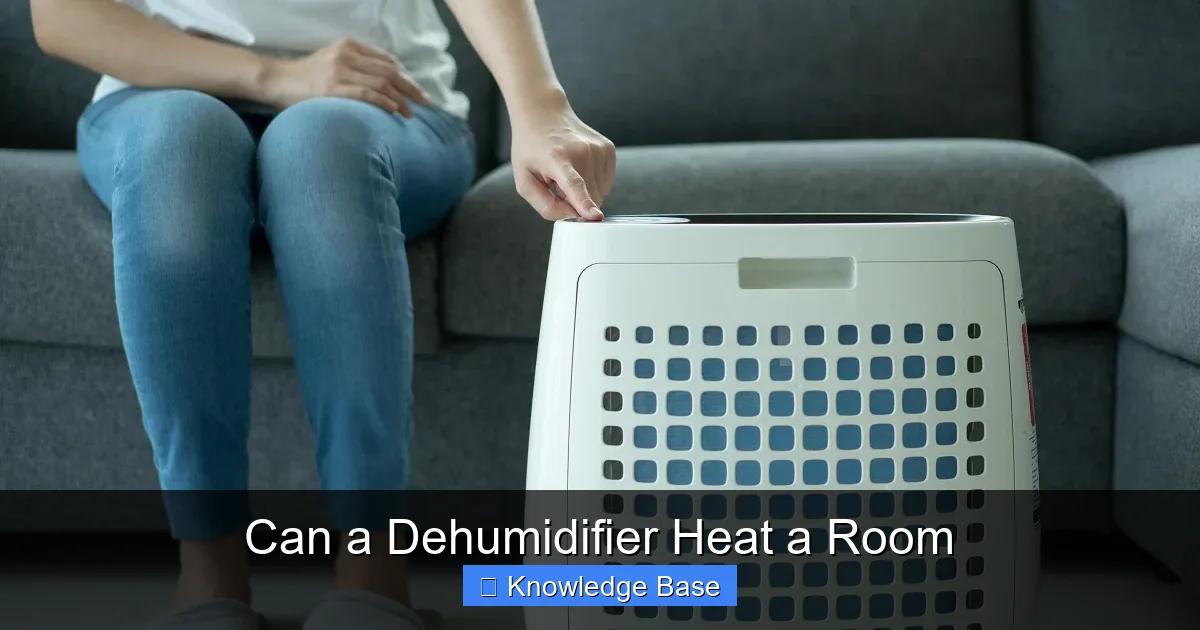
To understand whether a dehumidifier can heat a room, we first need to know how it works. At its core, a dehumidifier is a type of air conditioner designed specifically to reduce humidity levels. It pulls in moist air, cools it to remove water vapor, and then reheats the air slightly before releasing it back into the room.
The Refrigeration Cycle Explained
Most household dehumidifiers use a refrigeration system similar to that of an air conditioner or refrigerator. Here’s a step-by-step breakdown:
1. **Air Intake:** A fan draws humid air from the room into the dehumidifier.
2. **Cooling Coils:** The air passes over cold evaporator coils. As the air cools, its ability to hold moisture decreases, causing water vapor to condense into liquid droplets.
3. **Water Collection:** The condensed water drips into a collection tank or is drained away through a hose.
4. **Reheating:** The now-dry air passes over warm condenser coils, where it absorbs heat before being released back into the room.
This reheating stage is crucial. Without it, the air leaving the dehumidifier would be cold and dry—which might feel uncomfortable and could even lower the room’s temperature slightly. By reheating the air, the unit ensures that the output feels neutral or slightly warm.
Heat as a Byproduct
The heat you feel coming from a dehumidifier is not generated intentionally. Instead, it’s a byproduct of the refrigeration cycle. The compressor, which is the heart of the system, generates heat as it pressurizes the refrigerant. This heat is transferred to the condenser coils, which then warm the air passing over them.
So, while the dehumidifier does release warm air, it’s not doing so to heat your room. The primary goal is still moisture removal. The warmth is simply a side effect of making the dried air comfortable to breathe.
Does a Dehumidifier Actually Increase Room Temperature?
Now that we know how dehumidifiers work, let’s address the big question: *Does a dehumidifier actually make a room warmer?*
The short answer is: **only slightly, and not in a meaningful or efficient way.**
Measuring the Heat Output
To put this in perspective, let’s look at the numbers. A typical residential dehumidifier uses between 300 and 700 watts of electricity. For comparison, a standard space heater uses around 1,500 watts. That means even if all the energy from a dehumidifier were converted into heat (which it isn’t), it would still produce less than half the heat of a dedicated heater.
In reality, only a portion of that energy becomes heat. The rest is used to power the fan, compressor, and other components. Studies and manufacturer data suggest that a dehumidifier might raise the temperature of a small, enclosed space by 1 to 3 degrees Fahrenheit (0.5 to 1.5°C) after running for several hours. That’s not enough to make a noticeable difference in comfort, especially in colder weather.
Perceived Warmth vs. Actual Temperature
Here’s where things get interesting. Even though a dehumidifier doesn’t significantly raise the air temperature, it can make a room *feel* warmer. This is due to the relationship between humidity and human comfort.
When the air is humid, sweat doesn’t evaporate easily from your skin. This makes you feel sticky and uncomfortable, even if the temperature is mild. By removing moisture, a dehumidifier allows sweat to evaporate more efficiently, which helps your body cool down naturally. In cooler conditions, this can make the air feel less chilly because your body isn’t losing heat as quickly.
Think of it like this: on a humid 70°F day, you might feel sweaty and warm. On a dry 70°F day, you feel comfortable or even cool. The temperature is the same, but the humidity changes how you perceive it. So, while a dehumidifier doesn’t heat the air, it can improve comfort by making the environment feel more pleasant.
When Might a Dehumidifier Feel Like It’s Heating a Room?
There are specific situations where a dehumidifier might *seem* like it’s warming up your space. Understanding these scenarios can help you set realistic expectations.
In Small, Enclosed Spaces
If you’re running a dehumidifier in a small, poorly ventilated room—like a closet, bathroom, or crawl space—the heat it releases can accumulate more easily. With limited airflow, the warm air has nowhere to go, so the temperature might rise slightly over time.
For example, if you run a 500-watt dehumidifier in a 50-square-foot bathroom with no windows, you might notice the room getting a bit warmer after an hour or two. But this is not efficient or safe for long-term use. Poor ventilation can lead to overheating of the unit, increased humidity from trapped moisture, and even fire hazards.
During Cold, Damp Weather
In winter, especially in basements or unheated areas, the air can feel cold and clammy. Running a dehumidifier in such conditions can reduce the dampness, making the space feel less chilly. Again, this is due to improved comfort from lower humidity, not a real increase in temperature.
Imagine stepping into a damp basement in January. The air feels cold and heavy. After running a dehumidifier for a few hours, the air feels lighter and more breathable. You might even take off your jacket—not because it’s warmer, but because it feels less oppressive.
Misinterpreting Airflow
Another reason people think dehumidifiers heat rooms is the sensation of warm air blowing from the unit. Since the air is reheated before being expelled, it often feels slightly warmer than the surrounding air. If you’re standing near the dehumidifier, you might feel a gentle stream of warm air and assume it’s heating the whole room.
But this is localized. The warmth doesn’t spread evenly. In a large room, the effect is negligible. Only those standing directly in the airflow will notice it.
Dehumidifiers vs. Heaters: A Side-by-Side Comparison
To better understand why dehumidifiers aren’t effective heaters, let’s compare them directly to space heaters and other heating devices.
Energy Efficiency and Output
| Device | Power Usage | Heat Output | Primary Function |
|——————–|————-|————-|————————–|
| Dehumidifier | 300–700W | Low | Remove moisture |
| Space Heater | 750–1,500W | High | Generate heat |
| Heat Pump | 500–1,500W | High | Heat and cool |
| Furnace (gas) | Varies | Very High | Central heating |
As you can see, dehumidifiers use significantly less power and produce far less heat than dedicated heating devices. Even energy-efficient heaters outperform dehumidifiers in terms of warmth.
Cost Comparison
Let’s say you run a 500-watt dehumidifier for 8 hours a day. At an average electricity rate of $0.13 per kWh, that’s about $0.52 per day, or $15.60 per month.
Now, compare that to a 1,500-watt space heater running for the same time: $1.56 per day, or $46.80 per month.
At first glance, the dehumidifier seems cheaper. But remember: it’s not providing the same level of heat. You’d need to run multiple dehumidifiers to match the output of one heater—and even then, it wouldn’t be efficient or practical.
Safety and Design Differences
Heaters are built with safety features like tip-over switches, overheat protection, and insulated casings. Dehumidifiers are not designed for prolonged exposure to high temperatures or direct contact. Using a dehumidifier as a heater could void the warranty, damage the unit, or create a fire risk.
Additionally, heaters distribute heat evenly through radiant or convective methods. Dehumidifiers blow air in one direction, creating hot and cold spots.
Practical Tips: Using a Dehumidifier Wisely
While a dehumidifier won’t heat your home, it can still play a valuable role in your indoor climate. Here’s how to use it effectively and safely.
Pair It with Your Heating System
The best way to use a dehumidifier in cold weather is alongside your furnace or space heater. By reducing humidity, it helps your heating system work more efficiently. Dry air feels warmer, so you may be able to lower your thermostat a degree or two without sacrificing comfort—saving energy in the process.
For example, if your thermostat is set to 68°F, but the air is humid, you might feel chilly. Running a dehumidifier can make 68°F feel like 70°F, allowing you to save on heating costs.
Use It in High-Humidity Areas
Focus on areas prone to moisture: basements, bathrooms, laundry rooms, and crawl spaces. These are the places where dehumidifiers shine. Keeping humidity between 30% and 50% prevents mold, mildew, and dust mites—improving air quality and comfort.
Choose the Right Size
Dehumidifiers come in different capacities, measured in pints per day. A small 30-pint unit is fine for a bathroom, but a 70-pint model is better for a large basement. Using an undersized unit won’t effectively reduce humidity, while an oversized one may cycle on and off too frequently, wasting energy.
Maintain Your Unit
Regular maintenance ensures your dehumidifier runs efficiently and safely. Clean the air filter monthly, empty the water tank regularly, and check for frost buildup in cold conditions. Some models have auto-defrost features for use in low temperatures.
Avoid Overuse in Cold Weather
Most dehumidifiers are designed to work in temperatures above 65°F. In colder environments, the coils can freeze, reducing efficiency or damaging the unit. If you must use one in a cold basement, look for a model rated for low-temperature operation (down to 41°F or lower).
Myths and Misconceptions About Dehumidifiers and Heat
There are several myths floating around about dehumidifiers and their heating capabilities. Let’s clear them up.
Myth 1: “My dehumidifier feels warm, so it must be heating the room.”
Truth: The warmth is a byproduct of the refrigeration cycle, not intentional heating. The unit is designed to remove moisture, not warm the air.
Myth 2: “I can save money by using a dehumidifier instead of a heater.”
Truth: While dehumidifiers use less energy, they don’t produce enough heat to replace a heater. You’ll still need a proper heating system to stay warm in winter.
Myth 3: “Dehumidifiers work like space heaters.”
Truth: They operate on completely different principles. Space heaters convert electricity directly into heat. Dehumidifiers use energy to move heat around, not generate it.
Myth 4: “Running a dehumidifier will make my home warmer in winter.”
Truth: It may improve comfort by reducing dampness, but it won’t raise the temperature significantly.
Conclusion: The Bottom Line
So, can a dehumidifier heat a room? The answer is a clear **no—not in any practical or efficient way.** While it does produce a small amount of heat as a byproduct of its operation, this warmth is minimal and not sufficient to heat a space, especially during cold weather.
What a dehumidifier *can* do is improve indoor comfort by reducing humidity. This makes the air feel less sticky in summer and less clammy in winter. When used alongside a heating system, it can help you feel warmer at lower temperatures, potentially saving energy.
But if your goal is to stay warm, stick with a proper heater. Dehumidifiers are excellent tools for moisture control, air quality, and comfort—but they’re not a substitute for heat.
Think of it this way: a dehumidifier is like a breath of fresh air on a humid day. It doesn’t change the weather, but it makes you feel better. And sometimes, that’s exactly what you need.
Frequently Asked Questions
Can a dehumidifier heat a room?
No, a dehumidifier is not designed to heat a room. While it produces a small amount of heat during operation, this is a byproduct of moisture removal, not a heating function. It cannot replace a heater.
How much heat does a dehumidifier produce?
A typical dehumidifier may raise the temperature of a small, enclosed space by 1 to 3 degrees Fahrenheit after several hours of operation. This is not enough to provide meaningful warmth.
Can I save money by using a dehumidifier instead of a heater?
No, because a dehumidifier does not generate enough heat to keep you warm. While it uses less energy than a heater, it cannot serve as a substitute for heating in cold weather.
Does a dehumidifier work in cold basements?
Most standard dehumidifiers are not effective below 65°F. For cold basements, choose a model specifically designed for low-temperature operation, often labeled as “cold climate” or “basement” dehumidifiers.
Can a dehumidifier help with heating efficiency?
Yes, indirectly. By reducing humidity, it makes the air feel warmer, allowing you to lower your thermostat slightly without sacrificing comfort, which can improve overall heating efficiency.
Is it safe to leave a dehumidifier on all the time?
Yes, most modern dehumidifiers are designed for continuous operation and have safety features like auto shut-off when the tank is full. However, regular maintenance and monitoring are recommended.