
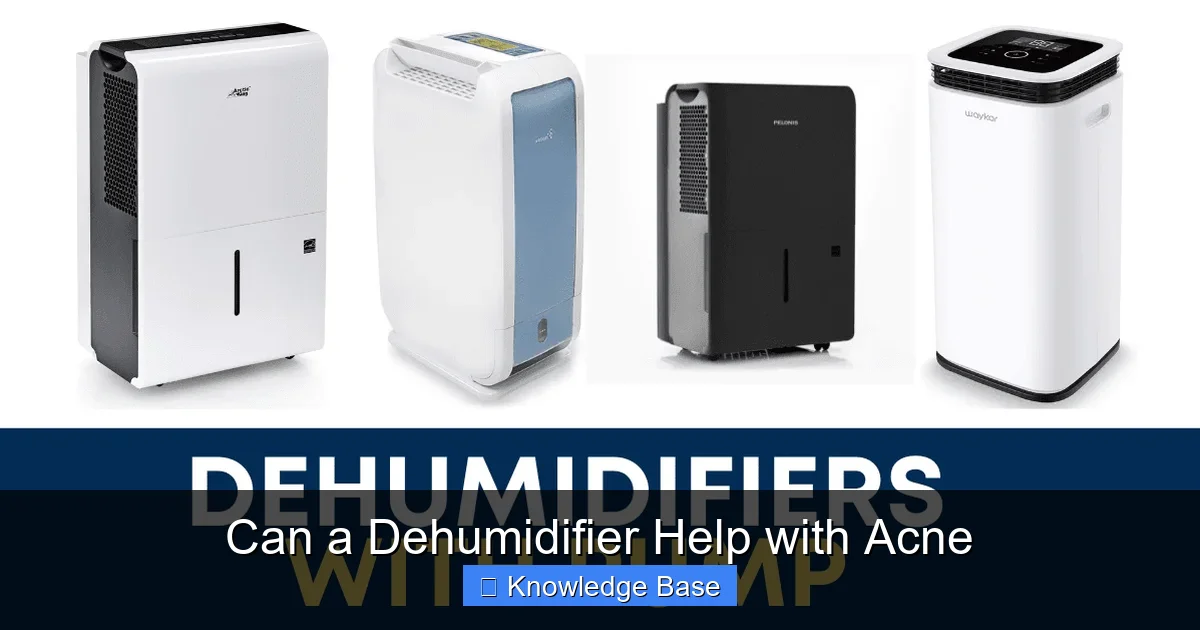
While a dehumidifier won’t cure acne on its own, it can play a supportive role by reducing excess moisture in the air that encourages bacteria, oil buildup, and clogged pores. By maintaining optimal indoor humidity, you create an environment less favorable for acne triggers, especially in humid climates or poorly ventilated spaces.
Key Takeaways
- Humidity affects skin health: High humidity increases sweat and oil production, which can clog pores and worsen acne.
- Dehumidifiers reduce moisture: They help maintain ideal indoor humidity (30–50%), limiting the growth of acne-causing bacteria and mold.
- Less sweat, less irritation: Lower humidity means less sweat mixing with oils and dirt on the skin, reducing breakouts.
- Improved skincare efficacy: When humidity is controlled, topical treatments absorb better and work more effectively.
- Not a standalone solution: A dehumidifier supports acne management but should be paired with proper skincare, diet, and hygiene.
- Best for humid environments: People in tropical or damp climates benefit most from using a dehumidifier for acne prevention.
- Prevents secondary issues: Reducing mold and dust mites improves overall skin and respiratory health, indirectly helping acne.
Quick Answers to Common Questions
Can a dehumidifier completely cure acne?
No, a dehumidifier cannot cure acne on its own. It helps reduce environmental triggers like excess moisture and bacteria, but it should be used alongside proper skincare and medical treatments.
What humidity level is best for preventing acne?
The ideal indoor humidity level for acne prevention is between 30% and 50%. This range reduces sweat and bacterial growth without drying out the skin.
Can a dehumidifier make acne worse?
No, a dehumidifier won’t make acne worse if used correctly. However, if humidity drops too low (below 30%), it can dry out the skin, so monitoring levels is important.
How long does it take to see results from a dehumidifier?
Some people notice improvements in skin clarity within a few weeks of consistent use, especially if humidity was a major trigger for their breakouts.
Should I use a dehumidifier in the bathroom?
Yes, bathrooms are high-moisture areas that can contribute to mold and humidity. Using a dehumidifier there helps prevent moisture from spreading to other rooms.
📑 Table of Contents
- Understanding the Link Between Humidity and Acne
- How a Dehumidifier Works to Support Clearer Skin
- Who Benefits Most from Using a Dehumidifier for Acne?
- How to Use a Dehumidifier Effectively for Acne Prevention
- Other Environmental Factors That Affect Acne
- Myths and Misconceptions About Dehumidifiers and Acne
- Conclusion: Is a Dehumidifier Worth It for Acne?
Understanding the Link Between Humidity and Acne
Acne is one of the most common skin conditions worldwide, affecting people of all ages. While genetics, hormones, and skincare routines are well-known contributors, environmental factors like humidity are often overlooked. Many assume that dry air is the enemy of healthy skin, but in reality, excessive moisture in the air can be just as problematic—especially for acne-prone individuals.
High humidity levels mean more moisture in the air. When the air is saturated with water vapor, your skin has a harder time evaporating sweat. This leads to increased sweating, which can mix with sebum (natural skin oil), dirt, and bacteria on the surface of your skin. The result? Clogged pores, inflammation, and breakouts. In humid climates or during summer months, many people notice their acne flares up—not because they’re not washing their face, but because the environment is working against them.
This is where a dehumidifier comes into play. By pulling excess moisture from the air, a dehumidifier helps create a more balanced indoor environment. It doesn’t directly treat acne, but it can significantly reduce the environmental triggers that make acne worse. Think of it as setting the stage for clearer skin by removing one of the hidden culprits: sticky, damp air.
How Humidity Triggers Acne Breakouts
Let’s break down exactly how high humidity contributes to acne. First, when the air is humid, your body sweats more to cool down. Sweat itself isn’t the problem—it’s what happens when sweat mixes with oil and dead skin cells. This combination can form a sticky film on the skin that blocks pores, creating the perfect breeding ground for acne-causing bacteria like *Cutibacterium acnes* (formerly *Propionibacterium acnes*).
Second, high humidity encourages the growth of mold, dust mites, and other allergens in your home. These particles can settle on your pillowcases, towels, and even your face while you sleep. When they come into contact with your skin, they can cause irritation, clog pores, and trigger inflammatory responses that lead to pimples, blackheads, and whiteheads.
Third, humid environments can make your skincare products less effective. Creams and serums may sit on top of the skin instead of absorbing properly, especially if your face is damp from sweat. This can lead to product buildup, which further clogs pores.
For example, imagine you live in Florida or Southeast Asia, where humidity levels often exceed 70%. Even if you follow a strict skincare routine, you might still struggle with persistent breakouts because the air is constantly feeding the cycle of oil, sweat, and bacteria. In such cases, simply washing your face more won’t solve the problem—you need to address the root cause: the environment.
The Role of Indoor Air Quality
Indoor air quality plays a bigger role in skin health than most people realize. Many of us spend the majority of our time indoors—working, sleeping, relaxing—so the air inside our homes has a direct impact on our bodies. Poor ventilation, damp basements, or steamy bathrooms can all contribute to high indoor humidity, even if you live in a relatively dry climate.
When humidity levels rise above 60%, the risk of mold and mildew increases dramatically. These fungi release spores into the air, which can land on your skin and irritate it. Some people are more sensitive than others, but for acne-prone individuals, even minor irritation can trigger a breakout.
Additionally, dust mites thrive in humid environments. These microscopic creatures feed on dead skin cells and produce waste that can clog pores and cause allergic reactions. If you wake up with new pimples or redness, it could be due to dust mites on your pillowcase—especially if your bedroom is damp or poorly ventilated.
Using a dehumidifier helps maintain a healthier indoor environment by keeping humidity in the ideal range of 30–50%. This not only reduces the risk of mold and dust mites but also makes it easier for your skin to stay clean and balanced. It’s a simple change that can have a big impact over time.
How a Dehumidifier Works to Support Clearer Skin
Visual guide about Can a Dehumidifier Help with Acne
Image source: i.pinimg.com
A dehumidifier is an appliance designed to remove excess moisture from the air. It works by drawing in humid air, cooling it to condense the water vapor, and then releasing drier air back into the room. The collected water is stored in a tank or drained away, depending on the model.
While dehumidifiers are commonly used to prevent mold, protect furniture, and improve air quality, their benefits extend to skin health—particularly for people with acne. By lowering indoor humidity, a dehumidifier helps create an environment that’s less hospitable to the factors that worsen acne.
Reducing Excess Sweat and Oil Production
One of the primary ways a dehumidifier helps with acne is by reducing sweat. When the air is dry, sweat evaporates quickly, preventing it from mixing with oil and clogging pores. In contrast, humid air slows evaporation, leaving sweat sitting on the skin for longer periods.
This is especially important for people who exercise at home or live in hot, sticky climates. Even light activity can cause sweating, and if the air is humid, that sweat lingers. Over time, this can lead to repeated pore blockages and breakouts.
By using a dehumidifier in your bedroom or living space, you create a cooler, drier environment that helps your skin stay fresh. You’ll notice less greasiness throughout the day, and your pores will have a better chance of staying clear.
Limiting Bacterial Growth
Acne-causing bacteria thrive in warm, moist environments. High humidity provides the perfect conditions for these microorganisms to multiply. When bacteria levels increase on the skin, they can trigger inflammation and infection, leading to red, painful pimples.
A dehumidifier helps by reducing the moisture that bacteria need to survive. While it won’t kill bacteria directly, it makes the environment less favorable for their growth. This means fewer bacteria on your skin, fewer clogged pores, and fewer breakouts.
For example, if you’ve ever noticed that your acne gets worse after a hot, humid night, a dehumidifier could help. Running it while you sleep ensures that the air around your face stays dry, reducing the chance of overnight bacterial buildup.
Improving Skincare Product Absorption
Another benefit of using a dehumidifier is improved skincare efficacy. When the air is dry, your skin is more receptive to topical treatments. Serums, moisturizers, and acne-fighting ingredients like salicylic acid or benzoyl peroxide can penetrate deeper and work more effectively.
In humid conditions, products may sit on the surface of the skin, especially if your face is damp. This not only reduces their effectiveness but can also lead to product buildup, which clogs pores.
By maintaining lower humidity, you give your skincare routine a better chance to work. Your products absorb faster, your skin feels lighter, and you’re less likely to experience irritation or breakouts from clogged pores.
Who Benefits Most from Using a Dehumidifier for Acne?

Visual guide about Can a Dehumidifier Help with Acne
Image source: bestdehumidifier.reviews
Not everyone will see dramatic results from using a dehumidifier, but certain groups are more likely to benefit. If you fall into one of these categories, a dehumidifier could be a valuable addition to your acne-fighting toolkit.
People Living in Humid Climates
If you live in a tropical or subtropical region—think Florida, Louisiana, Hawaii, or Southeast Asia—you’re constantly battling high humidity. Even with air conditioning, indoor humidity can remain high, especially in bathrooms, basements, or poorly ventilated rooms.
For these individuals, a dehumidifier can make a noticeable difference. It helps counteract the effects of the climate, creating a more comfortable and skin-friendly environment. Many people in humid areas report fewer breakouts during the summer months when they use a dehumidifier regularly.
Those with Oily or Combination Skin
Oily skin is more prone to acne because excess sebum can easily mix with sweat and dirt to clog pores. High humidity exacerbates this by increasing sweat production and slowing oil evaporation.
If you have oily or combination skin, a dehumidifier can help balance your skin’s natural oils. By reducing ambient moisture, it prevents your skin from becoming overly slick, which in turn reduces the risk of clogged pores and breakouts.
Individuals with Sensitive or Reactive Skin
Sensitive skin is easily irritated by environmental factors, including humidity. High moisture levels can cause redness, itching, and inflammation, all of which can worsen acne.
A dehumidifier helps stabilize the indoor environment, reducing triggers that cause flare-ups. It’s especially helpful for people who experience acne alongside conditions like rosacea or eczema, where environmental control is key.
People Who Sweat a Lot
Whether due to genetics, medication, or lifestyle, some people sweat more than others. If you’re prone to sweating—especially on your face, neck, or back—you’re at higher risk for acne.
Using a dehumidifier in your bedroom or workout space can help manage sweat and keep your skin drier. This is particularly useful if you exercise at home or live in a hot climate.
Those with Mold or Allergy Issues
If you have allergies, asthma, or sensitivities to mold, a dehumidifier can improve both your respiratory and skin health. Mold spores and dust mites thrive in humid environments and can trigger skin reactions, including acne-like breakouts.
By reducing humidity, you lower the concentration of these allergens in your home, creating a cleaner, healthier space for your skin.
How to Use a Dehumidifier Effectively for Acne Prevention
Using a dehumidifier is simple, but to get the best results for acne prevention, you need to use it correctly. Here are some practical tips to maximize its benefits.
Choose the Right Size and Type
Dehumidifiers come in different sizes, measured by how many pints of water they can remove per day. For a small bedroom, a 20–30 pint unit is usually sufficient. For larger spaces or very humid areas, you may need a 50-pint or higher model.
Look for a dehumidifier with a built-in humidistat, which allows you to set and maintain your desired humidity level. Aim for 30–50% humidity—this range is ideal for skin health and comfort.
There are two main types: refrigerant (compressor) and desiccant. Refrigerant models are more common and effective in warm, humid climates. Desiccant models work better in cooler temperatures and are quieter, making them a good choice for bedrooms.
Place It Strategically
For acne prevention, place the dehumidifier in the room where you spend the most time—usually the bedroom. This ensures that the air around your face is dry while you sleep, reducing overnight sweat and bacterial growth.
Avoid placing it directly next to your bed, as some models can be noisy. Instead, position it a few feet away, ideally near a window or door where moist air enters.
If you have a particularly damp area—like a basement or bathroom—consider using a second dehumidifier there to prevent moisture from spreading.
Run It Consistently
For best results, run the dehumidifier daily, especially during humid seasons or after activities that increase moisture, like showering or cooking. Many models have timers or auto-shutoff features, so you can set it to run overnight or during specific hours.
Empty the water tank regularly to prevent overflow and maintain efficiency. Some units have continuous drainage options, which are convenient for long-term use.
Combine with Good Skincare Habits
A dehumidifier is not a magic cure. To see real improvements in your skin, pair it with a solid skincare routine. This includes:
– Washing your face twice daily with a gentle cleanser
– Using non-comedogenic (non-pore-clogging) products
– Changing pillowcases and towels frequently
– Avoiding touching your face with dirty hands
– Staying hydrated and eating a balanced diet
Remember, the dehumidifier supports your efforts—it doesn’t replace them.
Monitor Humidity Levels
Use a hygrometer (a device that measures humidity) to keep track of indoor moisture levels. This helps you adjust the dehumidifier as needed and ensures you’re maintaining the ideal range.
If humidity drops below 30%, the air may become too dry, which can irritate the skin and cause flakiness. In that case, reduce the dehumidifier’s runtime or use a humidifier in moderation.
Other Environmental Factors That Affect Acne
While humidity is a major player, it’s not the only environmental factor that influences acne. Understanding these can help you create a more comprehensive approach to clear skin.
Temperature and Heat
High temperatures increase sweat and oil production, similar to humidity. Hot weather, saunas, and even heated indoor spaces can trigger breakouts. Using air conditioning alongside a dehumidifier can help manage both temperature and moisture.
Pollution and Airborne Toxins
Urban environments with high pollution levels can worsen acne. Pollutants like particulate matter and ozone can settle on the skin, causing oxidative stress and inflammation. Using air purifiers and washing your face after being outdoors can help mitigate this.
Sun Exposure
While some sun exposure can temporarily dry out pimples, too much UV radiation damages the skin and can lead to more breakouts over time. Always use a non-comedogenic sunscreen to protect your skin without clogging pores.
Stress and Sleep
Stress increases cortisol levels, which can trigger oil production and inflammation. Poor sleep also disrupts skin repair processes. Managing stress and getting 7–9 hours of quality sleep each night supports overall skin health.
Myths and Misconceptions About Dehumidifiers and Acne
There are several misconceptions about using dehumidifiers for acne. Let’s clear them up.
Myth: Dehumidifiers Dry Out Your Skin
Some people worry that removing moisture from the air will dry out their skin. However, when used correctly, a dehumidifier maintains balanced humidity—not overly dry air. In fact, it can prevent the greasy, sweaty feeling that leads to breakouts.
Myth: Only People with Severe Acne Benefit
Even mild acne can be influenced by environmental factors. If you get occasional breakouts, especially in humid weather, a dehumidifier can help prevent them from worsening.
Myth: Dehumidifiers Are Too Expensive
While high-end models can be costly, there are affordable options available. Many basic dehumidifiers cost under $150 and can last for years with proper maintenance. Consider it an investment in your skin and overall health.
Myth: You Need to Run It All Day
Most dehumidifiers are energy-efficient and don’t need to run constantly. With a humidistat, they automatically turn on and off to maintain the desired humidity level, saving energy and reducing wear.
Conclusion: Is a Dehumidifier Worth It for Acne?
So, can a dehumidifier help with acne? The answer is yes—but with important caveats. A dehumidifier is not a cure for acne, nor should it replace medical treatment or a good skincare routine. However, it can be a powerful supportive tool, especially for people living in humid environments or struggling with sweat-related breakouts.
By reducing indoor humidity, a dehumidifier helps minimize sweat, oil buildup, bacterial growth, and environmental irritants—all of which contribute to acne. It creates a cleaner, drier, and more balanced environment for your skin to heal and stay healthy.
If you’re dealing with persistent acne and have tried everything else, consider evaluating your indoor environment. A simple change like adding a dehumidifier could be the missing piece of the puzzle. Combined with proper skincare, a healthy lifestyle, and professional guidance when needed, it can help you achieve clearer, more confident skin.
Remember, clear skin isn’t just about what you put on your face—it’s also about the air you breathe. Take control of your environment, and your skin will thank you.
Frequently Asked Questions
Can a dehumidifier help with cystic acne?
A dehumidifier may help reduce inflammation and bacterial growth that contribute to cystic acne, but it won’t treat the deep, hormonal causes. It’s best used as a supportive measure alongside medical treatment.
Do I need a dehumidifier if I already have air conditioning?
Air conditioning removes some moisture, but it’s not as effective as a dehumidifier. In very humid climates, using both together provides the best results for skin and comfort.
Can a dehumidifier help with back or chest acne?
Yes, since sweat and oil buildup on the back and chest are often worsened by humidity, a dehumidifier can help reduce breakouts in these areas by keeping the environment drier.
Are there any side effects of using a dehumidifier?
When used properly, dehumidifiers are safe. Overuse can lead to overly dry air, which may irritate the skin or respiratory system. Always monitor humidity levels.
Can I use a dehumidifier in winter?
Yes, especially in damp or poorly ventilated homes. Winter heating can sometimes increase indoor humidity in certain areas, like basements.
What’s the difference between a dehumidifier and an air purifier for acne?
A dehumidifier reduces moisture, while an air purifier removes airborne particles like dust and allergens. Both can help with acne, but they address different environmental factors.