
Yes, a dehumidifier can help with COPD by reducing excess moisture in the air, which minimizes mold, dust mites, and other respiratory triggers. By maintaining optimal indoor humidity levels, people with COPD may experience fewer flare-ups, easier breathing, and improved sleep quality.
Key Takeaways
- Reduces Mold and Mildew: High humidity promotes mold growth, which can worsen COPD symptoms. A dehumidifier helps prevent this by keeping moisture levels low.
- Controls Dust Mites: Dust mites thrive in humid environments. Lower humidity makes your home less hospitable to these common allergens.
- Improves Air Quality: By reducing airborne irritants, dehumidifiers contribute to cleaner, easier-to-breathe air for COPD sufferers.
- Prevents Respiratory Infections: Damp environments encourage bacteria and viruses. Controlling humidity may lower infection risk.
- Enhances Comfort and Sleep: Dry, comfortable air can reduce nighttime coughing and congestion, leading to better rest.
- Supports Medication Effectiveness: Cleaner air may help inhaled medications work more efficiently by reducing airway irritation.
- Complements Other Treatments: While not a cure, a dehumidifier works best as part of a broader COPD management plan.
Quick Answers to Common Questions
Can a dehumidifier help with COPD?
Yes, a dehumidifier can help with COPD by reducing indoor humidity, which minimizes mold, dust mites, and other respiratory triggers that worsen symptoms.
What humidity level is best for COPD patients?
The ideal indoor humidity level for people with COPD is between 30% and 50%. Levels above 60% promote mold and dust mites, while levels below 30% can dry out airways.
Where should I place a dehumidifier for COPD?
Place the dehumidifier in a central, well-ventilated area like a living room or bedroom. Avoid corners or behind furniture to ensure proper airflow.
Do I need a whole-house dehumidifier for COPD?
Not necessarily. A portable unit may be sufficient for smaller homes or single rooms. Whole-house systems are better for large spaces or very humid climates.
Can a dehumidifier replace COPD medication?
No, a dehumidifier is not a substitute for prescribed medications. It supports lung health but should be used alongside medical treatment.
📑 Table of Contents
Understanding COPD and Its Triggers
Chronic Obstructive Pulmonary Disease (COPD) is a progressive lung condition that makes it difficult to breathe. It includes diseases like emphysema and chronic bronchitis, and it affects millions of people worldwide. Symptoms often include shortness of breath, chronic cough, wheezing, and frequent respiratory infections. While smoking is the leading cause, environmental factors—especially indoor air quality—play a major role in how severe symptoms become.
One of the biggest challenges for people with COPD is managing triggers that can worsen their condition. These triggers aren’t always obvious. For example, you might not think twice about the humidity level in your home, but it can have a big impact on your breathing. High humidity creates a breeding ground for mold, dust mites, and bacteria—all of which can irritate the airways and lead to flare-ups.
Imagine trying to breathe through a straw while someone is gently squeezing it. That’s what it can feel like during a COPD exacerbation. Now, imagine that same straw being slightly wider because the air is cleaner and less irritating. That’s the kind of difference a dehumidifier can make. It doesn’t cure COPD, but it can help reduce the frequency and severity of symptoms by creating a healthier indoor environment.
How Humidity Affects Lung Function
Humidity refers to the amount of moisture in the air. While some moisture is necessary for comfort, too much can be problematic—especially for people with respiratory conditions. When indoor humidity levels rise above 50–60%, it creates ideal conditions for allergens and irritants to thrive.
High humidity makes the air feel heavier and harder to breathe. For someone with COPD, this can mean increased shortness of breath, especially during physical activity or at night. Moist air also holds more particles, like mold spores and dust, which can be inhaled deep into the lungs and trigger inflammation.
On the other hand, air that’s too dry can also be irritating. Dry air can dry out the mucous membranes in the airways, making them more vulnerable to infection and irritation. The goal isn’t to eliminate all moisture, but to maintain a balanced level—typically between 30% and 50% humidity—for optimal respiratory health.
Common Indoor Triggers for COPD
Knowing what triggers COPD symptoms is the first step in managing the condition. While outdoor pollution and smoking are well-known culprits, indoor air quality is often overlooked. Here are some common indoor triggers that thrive in high-humidity environments:
– **Mold and mildew:** These fungi grow in damp areas like bathrooms, basements, and under sinks. Inhaling mold spores can cause coughing, wheezing, and even lung infections.
– **Dust mites:** These microscopic creatures live in bedding, carpets, and upholstery. They feed on dead skin cells and reproduce quickly in humid conditions.
– **Pet dander:** While not directly caused by humidity, pet dander sticks to moist surfaces and becomes airborne more easily in humid air.
– **Bacteria and viruses:** Damp environments can harbor harmful microorganisms that increase the risk of respiratory infections.
– **Chemical irritants:** Cleaning products, air fresheners, and paint fumes can become more potent in humid air, irritating sensitive airways.
By controlling humidity, you can significantly reduce the presence of these triggers and create a safer, more comfortable living space.
How a Dehumidifier Works
Visual guide about Can a Dehumidifier Help with Copd
Image source: familyhandyman.com
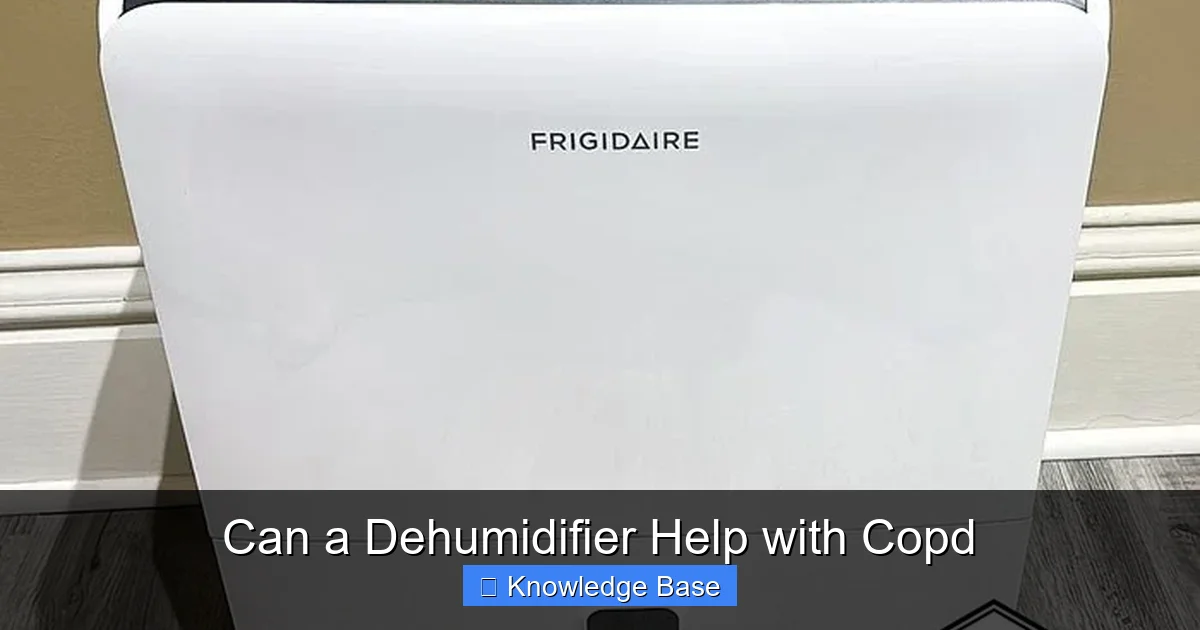
A dehumidifier is an appliance designed to remove excess moisture from the air. It works similarly to an air conditioner but focuses specifically on humidity control. Most home dehumidifiers use a refrigeration process: air is drawn into the unit, passed over cold coils where moisture condenses into water, and then the drier air is reheated and released back into the room.
The collected water is stored in a tank inside the dehumidifier, which needs to be emptied regularly—usually once a day, depending on the humidity level and the size of the unit. Some models come with a continuous drainage option, allowing you to connect a hose so the water drains directly into a floor drain or sump pump.
Types of Dehumidifiers
There are several types of dehumidifiers available, each suited to different needs and environments:
– **Refrigerant (compressor) dehumidifiers:** These are the most common and work best in warm, humid climates. They’re effective at removing moisture but can be less efficient in cooler temperatures.
– **Desiccant dehumidifiers:** These use a moisture-absorbing material (like silica gel) to pull water from the air. They work well in cooler environments and are often quieter, but they use more energy.
– **Whole-house dehumidifiers:** Installed as part of your HVAC system, these units dehumidify your entire home and are ideal for large spaces or high-humidity areas like basements.
– **Mini or portable dehumidifiers:** Smaller units designed for single rooms or closets. They’re affordable and easy to move but have limited capacity.
For most people with COPD, a mid-sized refrigerant dehumidifier placed in a central living area or bedroom is a good starting point. If you live in a very humid climate or have a large home, a whole-house system may offer better long-term benefits.
Choosing the Right Size and Capacity
Not all dehumidifiers are created equal. Choosing the right size is crucial for effectiveness. Dehumidifiers are rated by how many pints of moisture they can remove in 24 hours. For example, a 30-pint unit can remove 30 pints of water from the air in a day.
To choose the right size, consider the following factors:
– **Room size:** Larger rooms need more powerful units. A 500-square-foot room may only need a 20-pint dehumidifier, while a 1,500-square-foot basement might require a 70-pint model.
– **Humidity level:** If your home feels very damp or you see condensation on windows, you’ll need a higher-capacity unit.
– **Climate:** Homes in humid regions like the southeastern U.S. may need larger or more efficient models than those in drier areas.
Many manufacturers provide sizing charts based on square footage and humidity level. It’s also helpful to read reviews and look for Energy Star-certified models, which are more efficient and cost less to operate.
Benefits of Using a Dehumidifier for COPD

Visual guide about Can a Dehumidifier Help with Copd
Image source: odoranswers.com
Using a dehumidifier can offer several meaningful benefits for people living with COPD. While it’s not a medical treatment, it supports overall respiratory health by creating a cleaner, more comfortable indoor environment.
Reduces Mold and Mildew Growth
Mold is one of the most dangerous indoor pollutants for people with COPD. It releases tiny spores into the air that can be inhaled deep into the lungs, causing inflammation, coughing, and even infections. Mold thrives in damp, poorly ventilated areas—exactly the kind of environment a dehumidifier helps eliminate.
For example, if you’ve ever noticed a musty smell in your basement or bathroom, that’s a sign of mold growth. By keeping humidity below 50%, a dehumidifier makes it much harder for mold to grow. This not only protects your lungs but also helps preserve your home’s structure and air quality.
Controls Dust Mite Populations
Dust mites are microscopic insects that live in household dust. They don’t bite or sting, but their waste products are potent allergens that can trigger asthma and COPD symptoms. These pests love warm, humid environments—especially bedding, carpets, and upholstered furniture.
Studies show that dust mite populations drop significantly when indoor humidity is kept below 50%. A dehumidifier can help achieve this, reducing the number of allergens in your home. Combined with regular vacuuming and washing bedding in hot water, this can lead to noticeable improvements in breathing.
Improves Overall Air Quality
Clean air is essential for lung health. High humidity doesn’t just encourage mold and dust mites—it also makes it easier for other pollutants to linger in the air. For instance, volatile organic compounds (VOCs) from cleaning products or paint can become more concentrated in moist air.
By lowering humidity, a dehumidifier helps reduce the overall burden of airborne irritants. This means fewer coughing fits, less wheezing, and a lower risk of respiratory infections. Many people with COPD report feeling “lighter” and more comfortable when the air in their home is dry and clean.
Supports Better Sleep
Sleep is crucial for healing and overall health, but COPD can make it difficult to rest comfortably. Nighttime symptoms like coughing, congestion, and shortness of breath are common and can be worsened by humid air.
A dehumidifier in the bedroom can help create a more comfortable sleeping environment. Dry air is easier to breathe and less likely to trigger nighttime coughing. Some people also find that their sinuses drain better in drier conditions, reducing congestion and snoring.
For best results, run the dehumidifier during the night and keep the bedroom door closed to maintain consistent humidity levels. Using a quiet model can also prevent sleep disruption.
May Reduce the Need for Medication
While a dehumidifier won’t replace prescribed COPD medications, it may help them work more effectively. When the air is cleaner and less irritating, the airways are less inflamed, which can make inhaled bronchodilators and steroids more effective.
Some patients report needing fewer rescue inhaler puffs when their home environment is optimized. This doesn’t mean you should stop taking your medication, but it can be a helpful addition to your treatment plan.
Best Practices for Using a Dehumidifier with COPD
To get the most benefit from a dehumidifier, it’s important to use it correctly. Here are some practical tips to help you maintain a healthy indoor environment.
Set the Right Humidity Level
The ideal indoor humidity level for people with COPD is between 30% and 50%. Levels above 60% encourage mold and dust mites, while levels below 30% can dry out your airways.
Use a hygrometer—a small, inexpensive device that measures humidity—to monitor the air in your home. Many modern dehumidifiers come with built-in hygrometers and automatic settings that maintain your desired humidity level.
If your dehumidifier doesn’t have an auto-humidistat, check the humidity regularly and adjust the settings as needed. In summer, you may need to run it more often. In winter, when indoor air tends to be drier, you might only need it occasionally.
Place the Dehumidifier Strategically
Where you place your dehumidifier matters. For best results, put it in a central location where air can circulate freely. Avoid placing it in a corner or behind furniture, as this can block airflow and reduce efficiency.
If you have a basement or crawl space that’s particularly damp, consider placing a dehumidifier there. These areas often contribute to overall indoor humidity, even if you don’t spend much time in them.
For bedrooms, choose a quiet model with a night mode or low-speed setting. Running it overnight can improve sleep quality without disturbing your rest.
Maintain the Unit Regularly
Like any appliance, a dehumidifier needs regular maintenance to work effectively. Here’s what to do:
– **Empty the water tank daily** to prevent overflow and bacterial growth.
– **Clean the filter monthly** with warm, soapy water. A dirty filter reduces airflow and efficiency.
– **Wipe down the coils and interior** every few months to remove dust and mold buildup.
– **Check for leaks or unusual noises**, which could indicate a problem.
Most manufacturers provide a maintenance schedule in the user manual. Following it can extend the life of your dehumidifier and ensure it continues to improve your air quality.
Combine with Other Air Quality Measures
A dehumidifier is most effective when used as part of a comprehensive approach to indoor air quality. Here are some additional steps you can take:
– **Use an air purifier** with a HEPA filter to remove particles like dust, pollen, and pet dander.
– **Ventilate your home** by opening windows when outdoor humidity is low, or using exhaust fans in kitchens and bathrooms.
– **Fix leaks and water damage** promptly to prevent mold growth.
– **Avoid smoking indoors** and limit the use of strong cleaning products or air fresheners.
– **Wash bedding weekly** in hot water to kill dust mites.
Together, these measures create a healthier, more comfortable environment for breathing.
Limitations and Considerations
While dehumidifiers offer many benefits, they’re not a cure for COPD. It’s important to understand their limitations and use them appropriately.
Not a Substitute for Medical Treatment
A dehumidifier supports lung health but does not replace medications, pulmonary rehabilitation, or other medical treatments. Always follow your doctor’s advice and continue using prescribed therapies.
If your symptoms worsen or you experience frequent flare-ups, consult your healthcare provider. Environmental changes like using a dehumidifier can help, but they work best alongside proper medical care.
Energy Use and Cost
Dehumidifiers use electricity, and larger models can increase your energy bill. To minimize costs, choose an Energy Star-certified unit and run it only when needed. Using a timer or smart plug can help automate operation and reduce waste.
In very humid climates, the long-term health benefits often outweigh the energy costs. But if you live in a dry area, you may not need a dehumidifier at all.
Potential for Over-Drying
While high humidity is problematic, air that’s too dry can also irritate the airways. If your skin feels dry, your throat is scratchy, or you’re waking up with a dry cough, the humidity may be too low.
Use a hygrometer to monitor levels and adjust your dehumidifier accordingly. In winter, you may need to turn it off or use a humidifier to add moisture back into the air.
Real-Life Examples and Patient Experiences
Many people with COPD have shared positive experiences after using a dehumidifier. For example, Mary, a 68-year-old from Florida, noticed a significant improvement in her breathing after installing a whole-house dehumidifier. “I used to wake up coughing every night,” she says. “Now, I sleep through the night and feel more energetic during the day.”
Similarly, John, a retired teacher with emphysema, placed a portable dehumidifier in his bedroom and living room. “The air feels lighter,” he says. “I don’t reach for my inhaler as often, and my doctor says my lung function has stabilized.”
These stories highlight how small environmental changes can make a big difference in daily life. While results vary, many patients report fewer symptoms, better sleep, and improved quality of life.
Conclusion
So, can a dehumidifier help with COPD? The answer is a resounding yes—when used correctly and as part of a broader management plan. By reducing indoor humidity, a dehumidifier helps control mold, dust mites, and other respiratory triggers that can worsen COPD symptoms.
It won’t cure the disease, but it can make breathing easier, reduce flare-ups, and improve your overall comfort. Combined with medical treatment, good hygiene, and other air quality measures, a dehumidifier is a simple, effective tool for creating a healthier home.
If you or a loved one has COPD, consider evaluating your indoor humidity levels. A small investment in a quality dehumidifier could lead to big improvements in your respiratory health and quality of life.
Frequently Asked Questions
How often should I run a dehumidifier for COPD?
Run the dehumidifier daily during humid months or when indoor humidity exceeds 50%. Use a hygrometer to monitor levels and adjust as needed.
Can a dehumidifier cause dry air problems?
Yes, if set too low, a dehumidifier can dry out the air and irritate airways. Keep humidity above 30% and use a humidifier in winter if needed.
Are there side effects to using a dehumidifier with COPD?
There are no direct side effects, but improper use—like over-drying the air—can cause discomfort. Regular maintenance ensures safe, effective operation.
What size dehumidifier do I need for a bedroom?
For a standard bedroom (100–200 sq ft), a 20–30 pint dehumidifier is usually sufficient. Choose based on room size and humidity level.
Can a dehumidifier help with COPD flare-ups?
Yes, by reducing triggers like mold and dust mites, a dehumidifier may help prevent flare-ups and make breathing easier during stable periods.
Should I use a dehumidifier with an air purifier?
Yes, combining a dehumidifier with a HEPA air purifier provides the best air quality by removing both moisture and airborne particles.