
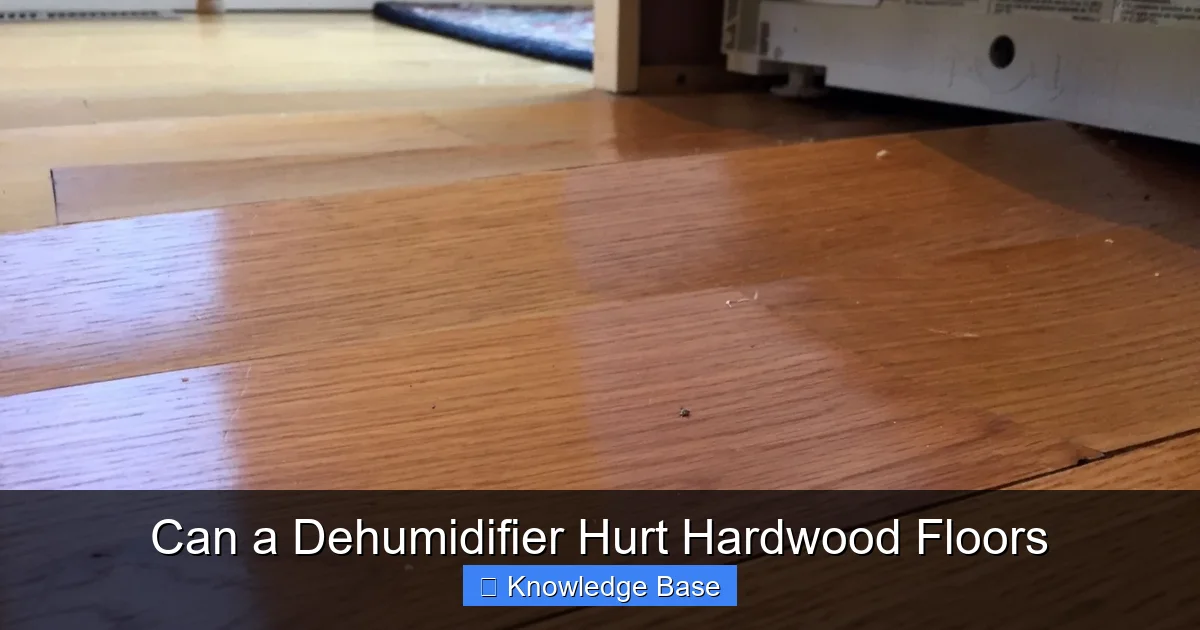
Using a dehumidifier properly won’t hurt hardwood floors—in fact, it helps prevent warping and cupping. However, improper use or extreme humidity changes can cause damage. Learn how to balance moisture levels safely and protect your investment.
Key Takeaways
- Dehumidifiers protect hardwood floors: They maintain ideal indoor humidity (30–50%), preventing warping, cupping, and gaps caused by excess moisture.
- Improper use can cause damage: Over-drying the air or placing a dehumidifier too close to floors may lead to excessive shrinkage and cracking.
- Placement matters: Keep dehumidifiers away from direct contact with hardwood and ensure even air circulation to avoid localized dryness.
- Monitor humidity levels: Use a hygrometer to track indoor humidity and adjust your dehumidifier settings accordingly.
- Seasonal adjustments are key: Humidity needs change with the seasons—adjust dehumidifier use in summer and consider humidifiers in winter.
- Choose the right model: Opt for energy-efficient, quiet units with auto-humidity controls to maintain consistent conditions.
- Preventive care extends floor life: Combine dehumidifier use with regular cleaning, area rugs, and humidity buffers like plants or moisture-resistant finishes.
Quick Answers to Common Questions
Can a dehumidifier dry out hardwood floors?
Yes, if it removes too much moisture too quickly or is placed too close to the floors, it can cause excessive drying, leading to gaps, cracking, or warping.
What humidity level is safe for hardwood floors?
The ideal range is 30% to 50%. Levels below 30% can cause shrinkage, while levels above 50% may lead to swelling and mold.
Should I run a dehumidifier in winter?
Not usually. Winter air is often dry, and running a dehumidifier can lower humidity too much. Use a humidifier instead to maintain balance.
Where should I place a dehumidifier near hardwood floors?
Place it on a stand or waterproof mat, away from direct contact with the floor, and in a central location with good airflow.
How often should I check humidity levels?
Check at least once a week, especially during seasonal changes, to ensure your dehumidifier is maintaining safe levels.
📑 Table of Contents
- Can a Dehumidifier Hurt Hardwood Floors? The Truth You Need to Know
- How Hardwood Floors React to Humidity
- How Dehumidifiers Help Protect Hardwood Floors
- Can a Dehumidifier Actually Damage Hardwood Floors?
- Best Practices for Using a Dehumidifier with Hardwood Floors
- Seasonal Considerations for Humidity Control
- Signs Your Dehumidifier May Be Damaging Your Floors
- Conclusion: Smart Use Protects Your Floors
Can a Dehumidifier Hurt Hardwood Floors? The Truth You Need to Know
If you’ve invested in beautiful hardwood floors, you know how important it is to protect them. From scratches and spills to fading and warping, there are plenty of threats to watch out for. One question that often comes up—especially in humid climates or during summer months—is whether using a dehumidifier can actually hurt your hardwood floors.
At first glance, it might seem counterintuitive. After all, dehumidifiers are designed to remove excess moisture from the air, and too much humidity is a known enemy of wood floors. But like many things in home maintenance, the answer isn’t a simple yes or no. The truth lies in how you use the dehumidifier, where you place it, and how you monitor your indoor environment.
In this guide, we’ll explore the relationship between dehumidifiers and hardwood floors in depth. You’ll learn how these appliances can be powerful allies in preserving your flooring—and how misuse can lead to unintended damage. Whether you’re dealing with sticky summer air, a damp basement, or seasonal humidity swings, this article will give you the knowledge and practical tips to keep your hardwood floors looking their best for years to come.
How Hardwood Floors React to Humidity
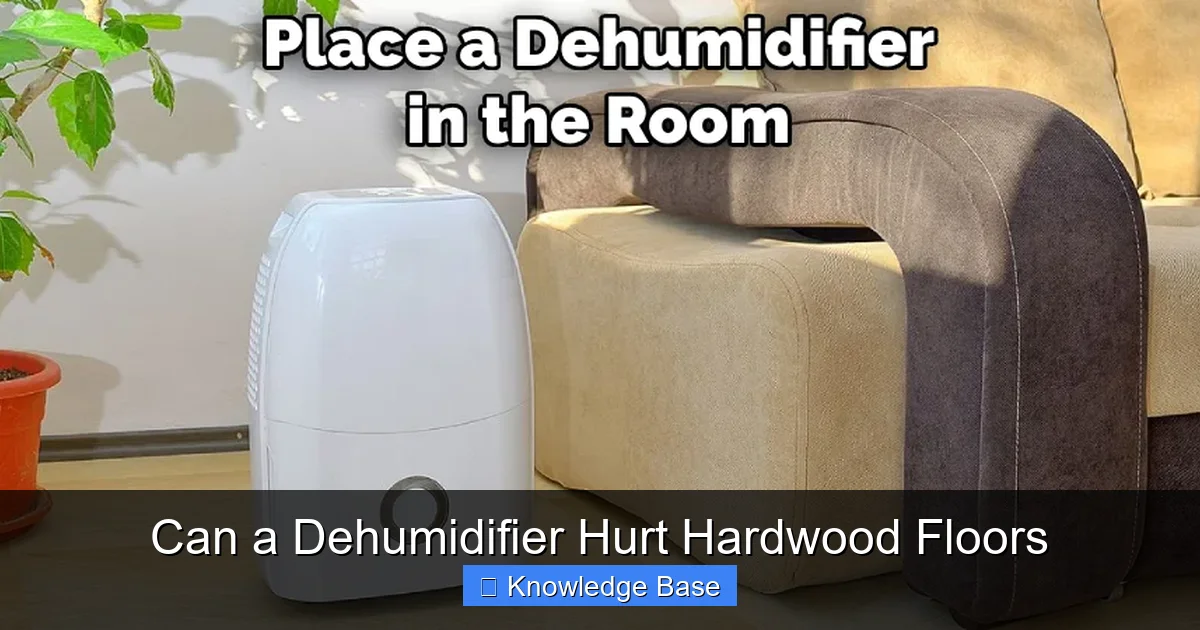
Visual guide about Can a Dehumidifier Hurt Hardwood Floors
Image source: thewoodenify.com
To understand whether a dehumidifier can hurt hardwood floors, it’s essential to first grasp how wood responds to changes in moisture. Hardwood is a natural material, and like all organic substances, it expands and contracts with shifts in humidity. This process is known as dimensional change, and it’s completely normal—but it can become problematic if the changes are too extreme or too frequent.
The Science of Wood and Moisture
Wood is hygroscopic, meaning it absorbs and releases moisture from the surrounding air. When humidity levels rise, wood absorbs moisture and swells. When humidity drops, it releases moisture and shrinks. This constant cycle of expansion and contraction is why you might notice gaps between floorboards in winter or tight seams in summer.
For solid hardwood floors, this movement is more pronounced than in engineered wood, which is designed with layers that resist warping. But even engineered floors aren’t immune to humidity extremes. Over time, repeated swelling and shrinking can lead to structural issues like cupping (when edges rise higher than the center), crowning (when the center rises higher than the edges), or buckling.
Ideal Humidity Levels for Hardwood Floors
The sweet spot for indoor humidity that protects hardwood floors is between 30% and 50%. This range minimizes excessive expansion or contraction and helps maintain the integrity of the wood. In climates with high humidity—like the southeastern United States or coastal regions—this often means running a dehumidifier during warmer months. In drier climates or during winter heating seasons, a humidifier may be needed to prevent the air from becoming too dry.
It’s also important to note that humidity levels can vary significantly from room to room. Basements and bathrooms tend to be more humid, while living rooms and bedrooms may be drier. This is why monitoring humidity with a reliable hygrometer is a smart move for any homeowner with hardwood floors.
How Dehumidifiers Help Protect Hardwood Floors
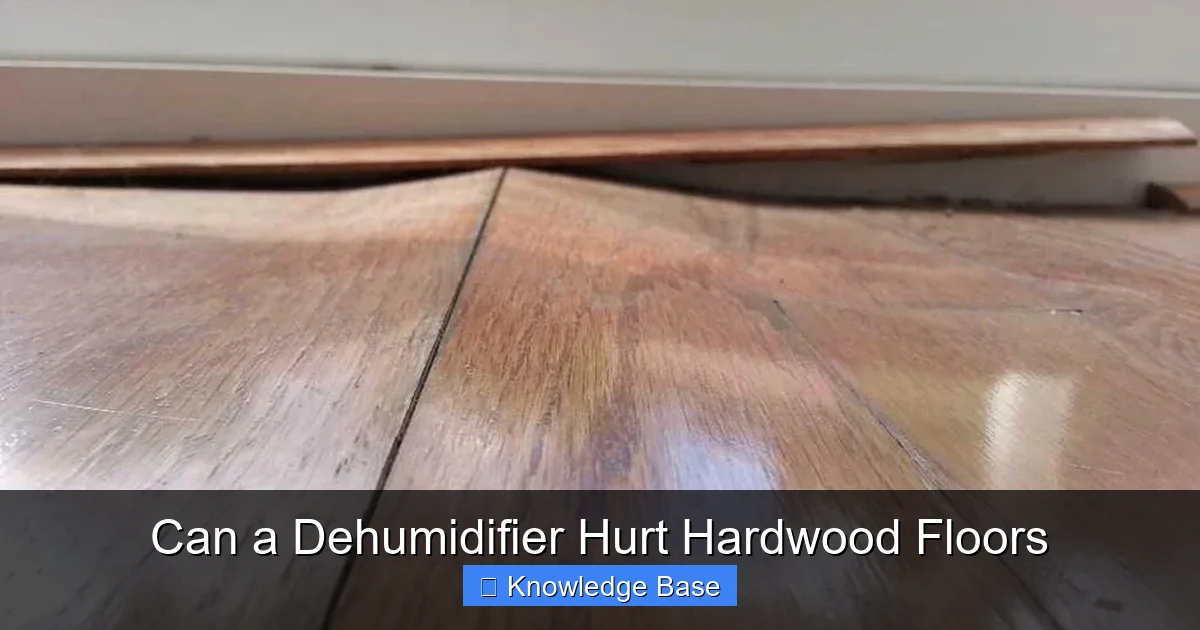
Visual guide about Can a Dehumidifier Hurt Hardwood Floors
Image source: humiheat.com
When used correctly, dehumidifiers are one of the best tools for protecting hardwood floors from moisture-related damage. They work by pulling moisture from the air, reducing humidity levels, and creating a stable environment for your flooring.
Preventing Warping and Cupping
One of the most common problems caused by high humidity is cupping. This occurs when the bottom of the wood board absorbs more moisture than the top, causing the edges to curl upward. It often happens in basements, kitchens, or bathrooms where moisture levels are higher. A dehumidifier helps prevent this by keeping the air dry and reducing the amount of moisture the wood can absorb.
For example, imagine you live in Florida during the rainy season. Without a dehumidifier, your basement hardwood floors might start to show signs of cupping within weeks. But with a properly sized dehumidifier running consistently, you can maintain stable humidity and avoid costly repairs.
Reducing the Risk of Mold and Mildew
High humidity doesn’t just affect the wood—it also creates an ideal environment for mold and mildew growth. These fungi can grow beneath flooring, behind baseboards, or in carpeted areas near hardwood. Not only are they unsightly and smelly, but they can also compromise indoor air quality and even damage the subfloor.
By using a dehumidifier to keep humidity below 60%, you significantly reduce the risk of mold and mildew. This is especially important in older homes or areas with poor ventilation. A clean, dry environment not only protects your floors but also contributes to a healthier home.
Extending the Lifespan of Your Floors
Hardwood floors are a significant investment, and most homeowners want them to last 50 years or more. Proper humidity control is one of the most effective ways to extend their lifespan. By minimizing moisture-related stress, you reduce the likelihood of gaps, cracks, and structural damage.
Think of it like this: just as your skin feels dry and tight in low humidity, wood floors “feel” the effects of dry air too. But just as your skin can become irritated or cracked in overly dry conditions, wood can shrink and crack when the air is too dry. A dehumidifier helps maintain balance—keeping the air moist enough to prevent shrinkage but dry enough to avoid swelling.
Can a Dehumidifier Actually Damage Hardwood Floors?
Now for the million-dollar question: can a dehumidifier hurt hardwood floors? The short answer is yes—but only if it’s used incorrectly. When a dehumidifier removes too much moisture too quickly, or when it’s placed in a way that creates uneven drying, it can cause problems.
The Risk of Over-Drying
While high humidity is a known enemy of hardwood, extremely low humidity can be just as damaging. When the air becomes too dry—below 30%—wood loses moisture rapidly and shrinks. This can lead to gaps between floorboards, splintering, and even cracking in severe cases.
For instance, if you run a powerful dehumidifier in a small, enclosed space without monitoring humidity levels, you might accidentally dry out the air too much. This is especially common in winter when indoor heating already lowers humidity. In such cases, a dehumidifier might push levels into the danger zone.
Uneven Drying and Localized Damage
Another potential issue is uneven drying. If a dehumidifier is placed too close to a section of flooring, it can create a “dry zone” where the wood loses moisture faster than surrounding areas. This imbalance can cause warping, cupping, or even separation from the subfloor.
Imagine placing a dehumidifier in the corner of a room with hardwood floors. The air near the unit becomes very dry, while the rest of the room remains moderately humid. Over time, the wood near the dehumidifier may shrink more than the rest, leading to visible gaps or buckling.
Rapid Humidity Changes
Wood prefers gradual changes. Sudden shifts in humidity—whether up or down—can stress the material and lead to damage. For example, turning on a dehumidifier at full power after a rainy week might drop humidity levels too quickly, causing the wood to shrink faster than it can adjust.
This is why it’s important to use dehumidifiers with adjustable settings and humidity controls. Many modern units allow you to set a target humidity level (like 45%), and the machine will cycle on and off to maintain that level. This prevents rapid fluctuations and gives your floors time to adapt.
Best Practices for Using a Dehumidifier with Hardwood Floors
To get the benefits of a dehumidifier without risking damage to your hardwood floors, follow these best practices. These tips will help you maintain ideal humidity levels while protecting your investment.
Choose the Right Size and Type
Not all dehumidifiers are created equal. For hardwood floor protection, you’ll want a unit that’s appropriately sized for the space. A dehumidifier that’s too small won’t effectively control humidity, while one that’s too large may over-dry the air.
Use a dehumidifier size guide based on the square footage and humidity level of the room. For example, a 50-pint dehumidifier is typically suitable for a 1,500-square-foot basement with moderate humidity. Look for models with built-in hygrometers and auto-humidity controls for the best results.
Place the Dehumidifier Strategically
Where you place your dehumidifier matters. Avoid placing it directly on hardwood floors, especially if the unit has a cold surface or condensation drain. Use a stand or place it on a waterproof mat to prevent water damage.
Position the dehumidifier in a central location with good airflow. Avoid corners or enclosed spaces where air circulation is limited. This ensures even drying and prevents localized dryness.
Monitor Humidity Levels Regularly
Invest in a digital hygrometer to monitor indoor humidity. Place one in the room with your dehumidifier and another in a different area to check for consistency. Aim to keep humidity between 30% and 50% year-round.
Check the readings weekly, especially during seasonal changes. If you notice levels dropping below 30%, reduce the dehumidifier’s runtime or adjust the settings. In winter, you may need to turn it off entirely and use a humidifier instead.
Use Area Rugs and Mats
Area rugs can act as buffers between your floors and the air, helping to stabilize moisture levels. Place rugs in high-traffic areas or rooms with fluctuating humidity, like entryways or sunrooms. Just be sure to choose rugs with breathable backings to avoid trapping moisture underneath.
Maintain Consistent Indoor Conditions
Avoid drastic temperature and humidity changes. Keep your home at a steady temperature, and use fans or air circulation to distribute air evenly. This reduces the risk of uneven drying and helps your floors adjust gradually.
Seasonal Considerations for Humidity Control
Humidity needs change with the seasons, and your dehumidifier use should reflect that. Here’s how to adjust your approach throughout the year.
Summer: High Humidity, High Risk
Summer is when dehumidifiers are most useful. Warm air holds more moisture, and in many regions, humidity levels soar. Run your dehumidifier regularly, especially in basements, laundry rooms, and other damp areas.
Set the target humidity to 45–50% and empty the water tank frequently. If you have a whole-house dehumidifier, ensure it’s properly maintained and serviced.
Winter: Low Humidity, Dry Air
In winter, indoor heating systems dry out the air. Humidity levels can drop below 30%, putting your hardwood floors at risk of shrinkage and cracking.
During this season, you may need to reduce or stop using your dehumidifier. Instead, consider using a humidifier to add moisture back into the air. Aim for a balance—around 40% humidity—to keep your floors stable.
Spring and Fall: Transition Periods
These seasons often bring fluctuating weather and humidity levels. Monitor your hygrometer closely and adjust your dehumidifier use as needed. You may only need to run it on particularly humid days.
Signs Your Dehumidifier May Be Damaging Your Floors
Even with the best intentions, it’s possible to accidentally harm your hardwood floors with a dehumidifier. Watch for these warning signs:
- Gaps between floorboards: If you notice new or widening gaps, especially in dry weather, your floors may be shrinking due to low humidity.
- Cracking or splintering: Dry, brittle wood is a sign of excessive moisture loss.
- Cupping or crowning: While often caused by high humidity, these issues can also result from uneven drying.
- Warping or buckling: Severe moisture imbalance can cause floors to lift or bend.
- Musty odors or mold: If your dehumidifier isn’t working properly, moisture may still be present, leading to mold growth.
If you notice any of these signs, check your humidity levels and adjust your dehumidifier use immediately. In some cases, you may need to consult a flooring professional.
Conclusion: Smart Use Protects Your Floors
So, can a dehumidifier hurt hardwood floors? The answer is nuanced. When used correctly, a dehumidifier is a powerful tool for protecting your floors from moisture damage, preventing warping, cupping, and mold growth. But when misused—by over-drying the air, placing it incorrectly, or ignoring humidity levels—it can contribute to shrinkage, cracking, and other issues.
The key is balance. Maintain indoor humidity between 30% and 50%, monitor conditions regularly, and adjust your dehumidifier use based on the season and your home’s specific needs. Combine this with good flooring practices—like using area rugs, avoiding direct water exposure, and maintaining consistent indoor temperatures—and your hardwood floors will stay beautiful and stable for decades.
Think of your dehumidifier not as a threat, but as a guardian. With the right care and attention, it can help preserve one of the most valuable features of your home.
Frequently Asked Questions
Can a dehumidifier cause gaps in hardwood floors?
Yes, if it dries the air too much, wood can shrink and create gaps between boards. Maintain humidity above 30% to prevent this.
Is it safe to run a dehumidifier 24/7?
Only if humidity levels are consistently high. Use a model with auto-controls to avoid over-drying the air.
Do I need a dehumidifier if I have central air?
Central air helps, but it may not remove enough moisture in humid climates. A dehumidifier adds extra protection for hardwood floors.
Can a dehumidifier prevent cupping?
Yes, by maintaining stable humidity, it reduces the moisture imbalance that causes cupping, especially in damp areas like basements.
What’s the best type of dehumidifier for hardwood floors?
Look for energy-efficient models with built-in hygrometers, auto-humidity controls, and quiet operation for consistent, safe use.
Should I use a dehumidifier in a basement with hardwood floors?
Yes, basements are prone to high humidity. A dehumidifier helps protect hardwood floors from moisture damage and mold growth.