

Dehumidifiers don’t actually lower room temperature, but they can make a space feel cooler by reducing humidity. By removing excess moisture from the air, they help your body cool itself more efficiently through sweat evaporation, improving overall comfort.
Key Takeaways
- Dehumidifiers reduce humidity, not temperature: They remove moisture from the air but don’t cool the air like an air conditioner.
- Lower humidity feels cooler: Dry air allows sweat to evaporate faster, making you feel more comfortable even at the same temperature.
- Improved comfort in humid climates: In hot, sticky environments, a dehumidifier can significantly enhance indoor comfort.
- Energy efficiency benefits: Using a dehumidifier may allow you to set your AC higher, saving on energy costs.
- Health and air quality improvements: Lower humidity reduces mold, dust mites, and allergens, promoting better respiratory health.
- Complementary to cooling systems: Dehumidifiers work best alongside air conditioners or fans, not as standalone cooling devices.
- Proper sizing matters: Choosing the right capacity ensures effective moisture removal without overworking the unit.
Quick Answers to Common Questions
Can a dehumidifier make a room cooler?
No, a dehumidifier doesn’t lower the actual air temperature, but it can make a room feel cooler by reducing humidity and improving sweat evaporation.
Does a dehumidifier use a lot of electricity?
It depends on the model and usage. Energy Star-rated units are more efficient. On average, a 50-pint dehumidifier uses about 500–700 watts per hour.
Can I use a dehumidifier in winter?
Generally, no—indoor air is usually too dry in winter. But if you have a damp basement or moisture issues, it may still be useful.
How often should I empty the dehumidifier tank?
It depends on humidity levels and tank size. Most units need emptying every 12–24 hours. Use a continuous drain hose to avoid frequent emptying.
Will a dehumidifier help with allergies?
Yes. By reducing mold, dust mites, and other allergens that thrive in humid environments, a dehumidifier can improve indoor air quality and ease allergy symptoms.
📑 Table of Contents
- Can a Dehumidifier Make a Room Cooler? The Surprising Truth
- How Humidity Affects Your Comfort
- Do Dehumidifiers Actually Cool the Air?
- Benefits of Using a Dehumidifier in Hot Weather
- When and Where to Use a Dehumidifier
- Choosing the Right Dehumidifier
- Tips for Maximizing Comfort and Efficiency
- Common Misconceptions About Dehumidifiers
- Conclusion: Can a Dehumidifier Make a Room Cooler?
Can a Dehumidifier Make a Room Cooler? The Surprising Truth
You’re sweating through another sticky summer afternoon. The air feels thick, heavy, and uncomfortable—like you’re breathing through a wet towel. Your air conditioner is running, but it doesn’t seem to be helping much. You start wondering: *Could a dehumidifier help? Can a dehumidifier make a room cooler?*
It’s a common question, and the answer isn’t as simple as “yes” or “no.” While a dehumidifier won’t drop the actual temperature on your thermostat, it can make a room *feel* noticeably cooler and more comfortable. That’s because humidity—the amount of moisture in the air—plays a huge role in how hot we feel. High humidity makes it harder for sweat to evaporate from your skin, which is your body’s natural cooling system. When that process is slowed, you feel hotter, even if the room temperature hasn’t changed.
So, while a dehumidifier doesn’t produce cold air like an AC unit, it tackles the root cause of that “sticky” feeling: excess moisture. By pulling water vapor out of the air, it creates a drier environment where your body can cool itself more efficiently. The result? A room that feels fresher, lighter, and more pleasant—even if the thermometer hasn’t moved.
How Humidity Affects Your Comfort
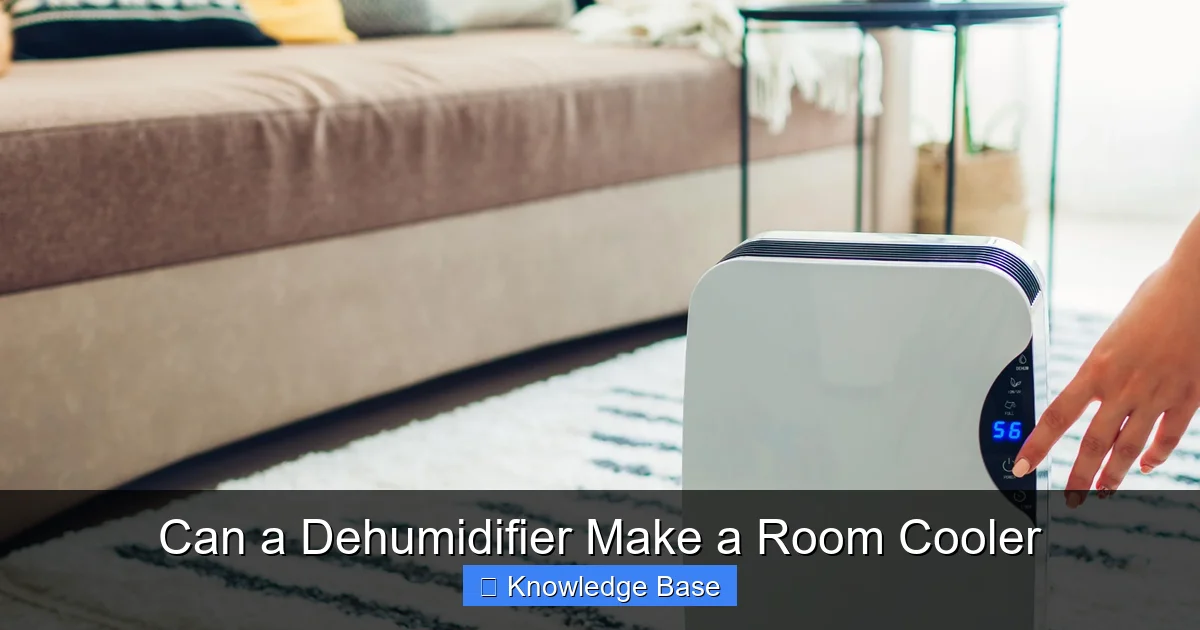
Visual guide about Can a Dehumidifier Make a Room Cooler
Image source: cdn.mos.cms.futurecdn.net
To understand why a dehumidifier can make a room feel cooler, it helps to know how humidity impacts your body’s ability to regulate temperature. When the air is humid, it’s already packed with water vapor. This saturation slows down the evaporation of sweat from your skin. Since evaporation is a cooling process, slower evaporation means less cooling—so you feel hotter and more uncomfortable.
Think of it like this: On a dry, 85°F day in Arizona, you might feel fine with a light breeze. But on an 85°F day in Florida, where humidity is high, you’re drenched in sweat and miserable. The temperature is the same, but the *feels-like* temperature is much higher due to humidity.
This is where a dehumidifier steps in. By reducing the moisture content in the air, it allows sweat to evaporate more quickly. Your body cools down naturally, and you feel more comfortable—even if the room is still technically warm. It’s not magic; it’s science. And it’s one of the most effective ways to improve comfort in humid climates without cranking up the AC.
The Science Behind Sweat and Evaporation
Your body maintains a stable internal temperature by producing sweat. When sweat evaporates, it pulls heat away from your skin, cooling you down. But evaporation only works if the surrounding air can absorb more moisture. In high-humidity environments, the air is already saturated, so evaporation slows or stops entirely.
A dehumidifier changes this dynamic. By removing excess moisture, it lowers the relative humidity—typically aiming for a comfortable range of 30% to 50%. At this level, sweat evaporates efficiently, and your body can cool itself properly. This is why people often say a room “feels cooler” after running a dehumidifier, even though the actual temperature hasn’t changed.
Relative Humidity vs. Absolute Humidity
It’s easy to get confused between relative and absolute humidity, but understanding the difference helps clarify how dehumidifiers work.
– Absolute humidity is the total amount of water vapor in the air, measured in grams per cubic meter.
– Relative humidity is the percentage of moisture in the air compared to the maximum it can hold at a given temperature.
Warm air can hold more moisture than cold air. So, even if the absolute humidity is the same, relative humidity drops as temperature rises. A dehumidifier reduces both by removing water vapor, but the effect on comfort is most noticeable through changes in relative humidity.
Do Dehumidifiers Actually Cool the Air?

Visual guide about Can a Dehumidifier Make a Room Cooler
Image source: i.ytimg.com
Now for the big question: Do dehumidifiers cool the air? The short answer is no—they don’t lower the temperature like an air conditioner. But the longer answer is more nuanced.
Dehumidifiers work by drawing warm, moist air over cold coils. As the air cools, moisture condenses and drips into a collection tank. The dried air is then reheated slightly and released back into the room. This process removes humidity but doesn’t significantly reduce air temperature. In fact, some models may even emit a small amount of heat due to the energy used by the compressor.
So, while a dehumidifier doesn’t make the room colder in degrees, it makes it *feel* cooler by improving your body’s ability to cool itself. It’s a subtle but important distinction. You’re not changing the air temperature—you’re changing how that temperature feels to you.
Dehumidifier vs. Air Conditioner: What’s the Difference?
Both dehumidifiers and air conditioners remove moisture from the air, but they do so for different purposes.
– Air conditioners cool the air by removing heat and humidity. They use a refrigeration cycle to lower both temperature and moisture levels.
– Dehumidifiers focus solely on reducing humidity. They don’t remove heat, so the air temperature stays about the same—or may even rise slightly due to the heat generated by the motor.
In short, air conditioners are cooling machines. Dehumidifiers are moisture-control machines. But because they both affect humidity, they can work together to improve comfort.
Can a Dehumidifier Replace an Air Conditioner?
In most cases, no. A dehumidifier can’t replace an air conditioner if you need actual cooling. However, in moderately warm climates with high humidity—like the southeastern U.S.—a dehumidifier can make a big difference. It can reduce the load on your AC, allowing it to run less often and use less energy.
Some people even use dehumidifiers in basements or garages where cooling isn’t needed, but moisture control is. In these spaces, a dehumidifier can prevent mold, musty smells, and damage to stored items.
Benefits of Using a Dehumidifier in Hot Weather
Even though a dehumidifier doesn’t cool the air, it offers several benefits that make hot weather more bearable.
Enhanced Personal Comfort
The biggest advantage is improved comfort. When humidity is high, even a fan can feel ineffective because it just blows hot, moist air around. But with a dehumidifier running, that same fan can make you feel cooler by helping sweat evaporate.
Imagine sitting in a room at 80°F with 70% humidity. You’re sweating, sticky, and uncomfortable. Now, run a dehumidifier for a few hours. The humidity drops to 45%. The air feels lighter, your clothes don’t cling to your skin, and you can actually relax. That’s the power of moisture control.
Energy Savings and AC Efficiency
High humidity forces your air conditioner to work harder. It has to remove both heat and moisture, which takes more energy. By using a dehumidifier to handle the moisture, your AC can focus on cooling. This can lead to lower energy bills and less strain on your system.
Some experts recommend setting your thermostat a few degrees higher when using a dehumidifier. For example, instead of cooling to 72°F, you might be comfortable at 75°F with lower humidity. That 3-degree difference can save up to 10–15% on cooling costs.
Health and Air Quality Improvements
Excess moisture creates the perfect environment for mold, mildew, dust mites, and bacteria. These allergens thrive in humid conditions and can trigger asthma, allergies, and respiratory issues.
A dehumidifier helps by keeping indoor humidity in the ideal range—30% to 50%. This inhibits the growth of mold and dust mites, improving indoor air quality and reducing health risks. For people with allergies or asthma, this can make a significant difference in daily comfort and well-being.
Protection for Your Home and Belongings
High humidity doesn’t just affect your comfort—it can damage your home. It can warp wood floors, peel paint, ruin furniture, and cause rust on metal fixtures. Books, electronics, and clothing can also suffer in damp environments.
By maintaining proper humidity levels, a dehumidifier helps preserve your belongings and protect your home’s structural integrity. It’s especially useful in basements, crawl spaces, and laundry rooms—areas prone to moisture buildup.
When and Where to Use a Dehumidifier
Not every room or climate needs a dehumidifier. But in the right situations, it can be a game-changer.
Best Rooms for a Dehumidifier
– Basements: Often damp and poorly ventilated, basements are prime spots for mold and mildew. A dehumidifier can keep them dry and usable.
– Bathrooms: Steam from showers increases humidity quickly. A small dehumidifier or exhaust fan can prevent moisture buildup.
– Laundry Rooms: Wet clothes and dryers release moisture into the air. A dehumidifier helps speed up drying and prevents musty smells.
– Closets: Small, enclosed spaces can trap humidity, leading to mildew on clothes and shoes.
– Entire Homes: Whole-house dehumidifiers can be integrated with HVAC systems to control humidity throughout the house.
Ideal Climates for Dehumidifiers
Dehumidifiers are most effective in humid climates, such as:
– The southeastern United States (e.g., Florida, Georgia, Louisiana)
– Coastal regions with high moisture levels
– Areas with frequent rain or high groundwater
In dry climates like Arizona or Nevada, a dehumidifier is usually unnecessary—unless you have a specific moisture problem, like a damp basement.
Seasonal Use
Many people use dehumidifiers primarily in summer, when humidity peaks. But they can also be useful in spring and fall, especially during rainy seasons. In winter, indoor humidity often drops too low, so a humidifier may be more appropriate.
Choosing the Right Dehumidifier
Not all dehumidifiers are created equal. Choosing the right one depends on your space, humidity level, and needs.
Size and Capacity
Dehumidifiers are rated by how many pints of moisture they can remove in 24 hours. Common sizes include:
– 30-pint: Good for small spaces (up to 500 sq. ft.), like a bathroom or closet.
– 50-pint: Ideal for medium rooms (500–1,000 sq. ft.), such as a basement or large bedroom.
– 70-pint and above: Best for large areas or very damp conditions.
To choose the right size, consider the square footage and humidity level. A damp basement may need a larger unit than a slightly humid living room.
Features to Look For
– Auto-humidistat: Monitors humidity and turns the unit on/off to maintain your desired level.
– Continuous drainage: Allows you to connect a hose so you don’t have to empty the tank.
– Energy Star rating: Ensures the unit is energy-efficient and cost-effective.
– Quiet operation: Important for bedrooms or living areas.
– Portability: Wheels and handles make it easy to move between rooms.
Portable vs. Whole-House Dehumidifiers
– Portable units: Affordable and easy to use. Great for single rooms or occasional use.
– Whole-house dehumidifiers: Installed with your HVAC system. More expensive but effective for entire homes.
For most people, a portable dehumidifier is sufficient. But if you have chronic moisture problems or a large home, a whole-house system may be worth the investment.
Tips for Maximizing Comfort and Efficiency
To get the most out of your dehumidifier, follow these practical tips.
Use It Alongside Other Cooling Methods
A dehumidifier works best when paired with fans or air conditioning. A fan helps circulate the drier air, enhancing the cooling effect. And as mentioned earlier, it can reduce the workload on your AC.
Set the Right Humidity Level
Aim for 30% to 50% relative humidity. Use a hygrometer (a humidity meter) to monitor levels. Most dehumidifiers have built-in humidistats, but a separate meter gives you more control.
Maintain Your Unit
Clean the filter regularly—usually every 2–4 weeks—to ensure proper airflow. Empty the water tank when full, or use a hose for continuous drainage. Check coils for dust and frost buildup, especially in cold environments.
Close Windows and Doors
To prevent humid outdoor air from entering, keep windows and doors closed while the dehumidifier runs. This helps it work more efficiently.
Run It During Peak Humidity Times
Humidity is usually highest in the morning and after rain. Running your dehumidifier during these times can prevent moisture buildup before it starts.
Common Misconceptions About Dehumidifiers
There are several myths about dehumidifiers that can lead to confusion.
“It’s Like an Air Conditioner”
While both devices affect humidity, only air conditioners cool the air. A dehumidifier doesn’t lower temperature—it just makes the existing temperature feel more comfortable.
“It Will Make My Room Freezing”
No. A dehumidifier won’t make your room cold. It may even add a small amount of heat due to the motor. The cooling effect is purely perceptual, based on improved sweat evaporation.
“I Only Need It in Summer”
While summer is peak humidity season, moisture problems can occur year-round—especially in basements or after storms. Some people use dehumidifiers in spring and fall, too.
“Bigger Is Always Better”
An oversized dehumidifier can cycle on and off too quickly, reducing efficiency and failing to control humidity properly. Choose a unit matched to your space and needs.
Conclusion: Can a Dehumidifier Make a Room Cooler?
So, can a dehumidifier make a room cooler? Technically, no—it doesn’t lower the air temperature. But practically, yes—it can make a room feel significantly cooler and more comfortable by reducing humidity.
By removing excess moisture, a dehumidifier allows your body to cool itself naturally through sweat evaporation. It improves air quality, protects your home, and can even save energy when used with an air conditioner. While it’s not a replacement for cooling systems, it’s a powerful tool for enhancing comfort in humid environments.
If you live in a sticky climate or struggle with dampness at home, a dehumidifier is worth considering. Pair it with good ventilation, proper maintenance, and smart usage, and you’ll enjoy a fresher, more comfortable living space—even on the hottest days.
Frequently Asked Questions
How does a dehumidifier work?
A dehumidifier pulls in moist air, cools it to condense the moisture, collects the water in a tank, and releases drier air back into the room. It doesn’t cool the air like an AC.
Can a dehumidifier help with musty smells?
Yes. Musty odors are often caused by mold and mildew, which grow in damp conditions. Reducing humidity helps eliminate these smells.
Is it safe to run a dehumidifier all day?
Yes, most modern dehumidifiers are designed for continuous use. Look for models with auto-shutoff and humidistats to prevent over-drying.
Do dehumidifiers help with asthma?
They can. By lowering humidity and reducing mold and dust mites, dehumidifiers may help ease asthma symptoms triggered by indoor allergens.
Can I use a dehumidifier in a basement?
Absolutely. Basements are prone to high humidity and mold. A dehumidifier is one of the best ways to keep them dry and usable.
What’s the ideal humidity level indoors?
The ideal indoor humidity level is between 30% and 50%. This range supports comfort, health, and home protection.