

Using a dehumidifier in winter doesn’t directly lower room temperature, but it can make the air feel colder due to reduced humidity. This article explains the science behind humidity, how dehumidifiers operate in cold weather, and practical tips to stay comfortable while improving indoor air quality.
Key Takeaways
- Dehumidifiers reduce moisture, not temperature: They remove excess humidity from the air, which can make a room feel cooler even if the thermostat hasn’t changed.
- Lower humidity = colder-feeling air: Dry air feels colder than humid air at the same temperature because sweat evaporates more quickly, increasing the sensation of chill.
- Winter air is often dry: Indoor heating systems dry out the air, so dehumidifiers are usually unnecessary unless you have high humidity from activities like cooking or showering.
- Frost buildup can occur in cold rooms: In unheated or very cold spaces, dehumidifiers may frost over, reducing efficiency and requiring defrost cycles.
- Use only when needed: Running a dehumidifier in winter should be based on humidity levels (ideally 30–50%), not comfort alone.
- Combine with heating for balance: Pairing a dehumidifier with a space heater or central heating helps maintain warmth while controlling moisture.
- Energy efficiency matters: Choose an ENERGY STAR-rated model with auto-humidistat and defrost features for safe winter use.
Quick Answers to Common Questions
Can a dehumidifier make the room cold on the winter?
No, a dehumidifier doesn’t lower the actual temperature, but it can make the room feel colder by reducing humidity. Dry air allows your body to lose heat faster, creating a chilling sensation.
Should I use a dehumidifier in winter?
Only if indoor humidity is above 50%. Winter air is often dry, so dehumidifiers are usually unnecessary unless you have damp areas like basements or high moisture from daily activities.
What humidity level is ideal in winter?
The ideal indoor humidity in winter is between 30% and 50%. Levels below 30% can cause dryness, while levels above 50% promote mold and dust mites.
Can a dehumidifier freeze in cold weather?
Yes, in rooms below 65°F, frost can build up on the coils. Look for models with automatic defrost features to prevent this issue.
How can I stop my room from feeling cold when using a dehumidifier?
Use a space heater or central heating to maintain warmth. Also, ensure the room is well-insulated and the dehumidifier is only running when humidity is high.
📑 Table of Contents
Understanding How Dehumidifiers Work
If you’ve ever walked into a damp basement or noticed condensation on your windows during winter, you’ve experienced high indoor humidity. While many people associate dehumidifiers with summer or humid climates, they can also play a role in winter—especially in certain areas of the home. But here’s the big question: can a dehumidifier make the room cold on the winter?
To answer that, we first need to understand how dehumidifiers function. Most residential dehumidifiers use a refrigeration-based system, similar to an air conditioner. Here’s how it works: a fan pulls humid air into the unit. The air passes over cold coils, where moisture condenses into water droplets. These droplets collect in a tank or drain out through a hose. The now-drier air then passes over warm coils to reheat slightly before being blown back into the room.
This process removes moisture from the air, which can improve comfort, prevent mold growth, and protect furniture and walls. However, it doesn’t actively cool the room like an air conditioner. In fact, the reheating stage means the air leaving the dehumidifier is often slightly warmer than when it entered—though the difference is usually minimal.
So, while the machine itself doesn’t make the room colder, the effect of lower humidity can create a sensation of coolness. This is because dry air allows your body to lose heat more efficiently through evaporation. In other words, even if the temperature on your thermostat reads 70°F (21°C), low humidity can make it feel cooler—especially if you’re moving around or sweating slightly.
The Science of Humidity and Perceived Temperature

Visual guide about Can a Dehumidifier Make Thebroom.cold on the Winter
Image source: i.pinimg.com
To really grasp why a dehumidifier might make a room feel cold in winter, we need to dive into the science of humidity and thermal comfort. Humidity refers to the amount of water vapor in the air. High humidity means the air is saturated with moisture; low humidity means the air is dry.
Our bodies rely on sweat evaporation to cool down. When the air is humid, sweat doesn’t evaporate easily, making us feel hotter and stickier. Conversely, when the air is dry, sweat evaporates quickly, which can make us feel cooler—even if the actual air temperature hasn’t changed.
This phenomenon is measured by something called the “heat index” or “apparent temperature,” which combines air temperature and humidity to describe how hot or cold it feels. For example, a room at 70°F with 80% humidity might feel like 73°F, while the same temperature with 30% humidity could feel closer to 67°F.
In winter, indoor heating systems tend to dry out the air. Furnaces and space heaters burn fuel or use electricity to produce heat, but they don’t add moisture. As a result, winter indoor air is often quite dry—sometimes below 30% relative humidity. This dryness can cause dry skin, irritated sinuses, and static electricity.
But here’s the twist: if you introduce a dehumidifier into an already dry winter environment, you risk making the air even drier. And that can amplify the sensation of cold. For instance, if your home’s humidity drops to 20%, even a warm room might feel chilly because your body is losing heat faster through evaporation.
This is especially true in areas with poor insulation or drafts, where cold air seeps in and combines with low humidity to create a biting chill. So while the dehumidifier isn’t lowering the temperature, it’s changing the way your body perceives it.
When to Use a Dehumidifier in Winter
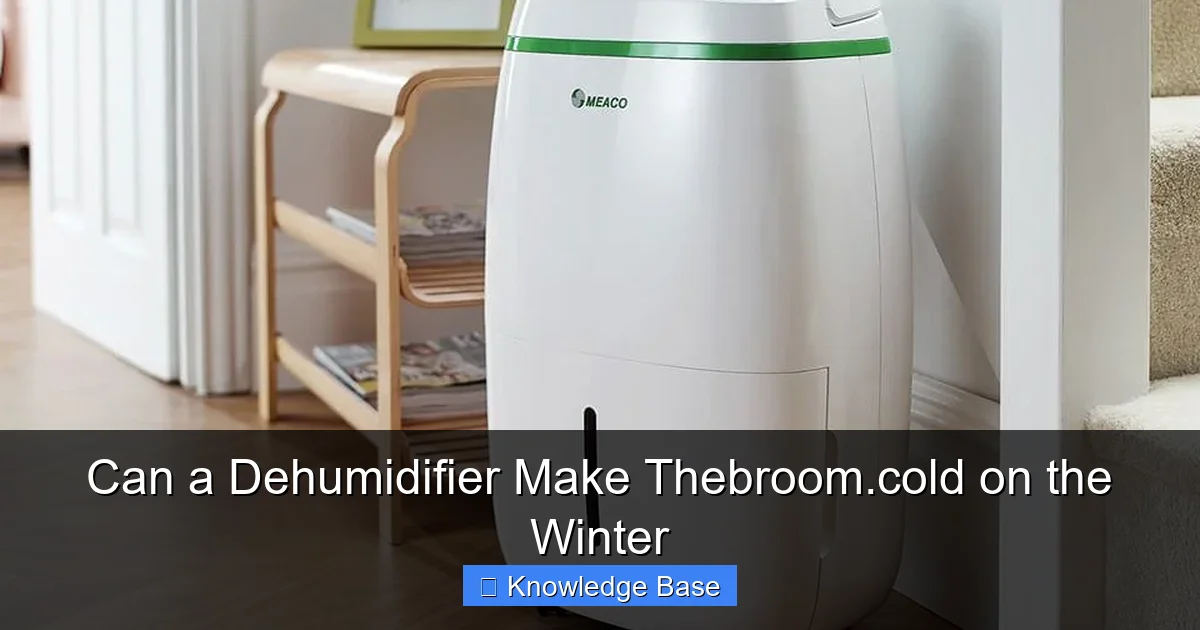
Visual guide about Can a Dehumidifier Make Thebroom.cold on the Winter
Image source: media.4rgos.it
Now that we know how dehumidifiers work and how they affect perceived temperature, the next question is: should you even use one in winter?
The short answer is: it depends. In most cases, winter air is already dry, so running a dehumidifier isn’t necessary—and could even be counterproductive. However, there are specific situations where a dehumidifier can be helpful during colder months.
One common scenario is in basements. Basements are naturally cooler and more prone to dampness due to their underground location. Even in winter, basements can have high humidity from groundwater seepage, poor ventilation, or condensation on cold surfaces. A dehumidifier can help prevent mold, musty odors, and structural damage in these areas.
Another situation is in homes with high indoor moisture production. Activities like cooking, showering, laundry, and even breathing release moisture into the air. In tightly sealed, energy-efficient homes, this moisture has nowhere to go, leading to elevated humidity levels. If your indoor humidity consistently exceeds 50%, a dehumidifier can help maintain a healthy balance.
You can check your home’s humidity level using a hygrometer—a small, inexpensive device that measures relative humidity. Ideal indoor humidity in winter should be between 30% and 50%. If it’s higher than that, especially in specific rooms, a dehumidifier might be useful.
However, if your home already feels dry—cracked lips, static shocks, or nosebleeds—adding a dehumidifier could worsen the problem. In such cases, a humidifier might be a better choice to add moisture back into the air.
Potential Risks of Using a Dehumidifier in Cold Weather
While dehumidifiers can be beneficial, using them in winter—especially in cold or unheated spaces—comes with some risks and challenges.
One major issue is frost buildup. Refrigerant-based dehumidifiers rely on cold coils to condense moisture. In a cold room, especially below 65°F (18°C), these coils can drop below freezing. When humid air passes over them, moisture freezes into ice, forming a layer of frost. This frost insulates the coils, reducing efficiency and eventually causing the unit to shut down.
Many modern dehumidifiers have automatic defrost features that detect frost and temporarily stop cooling to allow ice to melt. However, this process uses extra energy and can interrupt moisture removal. In very cold environments, like unheated garages or crawl spaces, a standard dehumidifier may not work effectively at all.
Another risk is energy waste. Running a dehumidifier in an already dry winter environment doesn’t just affect comfort—it also increases your electricity bill. Dehumidifiers use significant power, especially older models. If your home’s humidity is already low, the energy cost may not be justified.
Additionally, placing a dehumidifier in a cold room without proper insulation can create drafts. As the unit pulls in air, it may draw in cold air from gaps around windows or doors, making the space feel even colder. This can lead to a cycle where you run the dehumidifier to reduce dampness, but end up feeling colder and turning up the heat—increasing both humidity and energy use.
To avoid these issues, it’s important to monitor humidity levels and only run the dehumidifier when necessary. Also, consider the location: avoid placing it in unheated areas unless the unit is specifically designed for cold environments (look for “low-temperature operation” or “cold-climate” models).
Tips for Using a Dehumidifier Comfortably in Winter
If you decide a dehumidifier is right for your winter setup, here are some practical tips to use it safely and comfortably.
First, invest in a model with a built-in humidistat. This feature automatically turns the unit on and off based on the current humidity level, preventing over-drying. Look for a dehumidifier with a digital display so you can easily monitor and adjust settings.
Second, choose the right size. Dehumidifiers are rated by how many pints of moisture they can remove per day. For a small basement or bathroom, a 30-pint model may suffice. For larger spaces or high-moisture areas, consider a 50-pint or higher capacity unit. Oversized units cycle on and off frequently, which can be inefficient, while undersized units struggle to keep up.
Third, ensure proper placement. Keep the dehumidifier away from walls and furniture to allow good airflow. Avoid placing it near heat sources like radiators or space heaters, as this can interfere with accurate humidity readings. Also, make sure the room has adequate ventilation—don’t seal it off completely.
Fourth, use a drain hose if possible. Emptying a water tank every day is tedious. A continuous drain hose lets the dehumidifier empty directly into a floor drain or sump pump, reducing maintenance.
Fifth, combine with heating. If the dehumidifier makes the room feel colder, use a space heater or central heating to maintain a comfortable temperature. Just be mindful of energy use—balance comfort with efficiency.
Finally, clean the unit regularly. Dust and mold can build up on filters and coils, reducing performance and potentially releasing allergens into the air. Most manufacturers recommend cleaning the filter every few weeks and checking the coils for frost or debris.
Alternatives and Complementary Solutions
If a dehumidifier isn’t the right solution for your winter humidity issues, there are other ways to manage moisture and comfort.
One option is improving ventilation. Opening windows briefly on mild days can let in fresh, dry air and reduce indoor humidity. Installing exhaust fans in kitchens and bathrooms helps remove moisture at the source.
Another alternative is using moisture-absorbing materials. Silica gel packs, charcoal briquettes, or commercial desiccants can help absorb excess moisture in small, enclosed spaces like closets or cabinets.
For dry winter air, consider a humidifier instead. Adding moisture can improve comfort, reduce static, and ease respiratory issues. Just be careful not to over-humidify, as this can lead to condensation and mold.
Insulation and weatherstripping also play a role. Sealing drafts and improving insulation keeps cold air out and warm air in, reducing the need for both heating and dehumidification.
Finally, smart home systems can help. Smart thermostats and hygrometers can monitor temperature and humidity in real time, automatically adjusting HVAC systems or notifying you when levels are out of range.
Conclusion
So, can a dehumidifier make the room cold on the winter? The answer is nuanced. While a dehumidifier doesn’t actively lower the temperature, it can make a room feel colder by reducing humidity. Dry air allows your body to lose heat more efficiently, creating a chilling sensation—even in a warm room.
In most winter scenarios, indoor air is already dry due to heating systems, so running a dehumidifier isn’t usually necessary. However, in damp areas like basements or homes with high moisture production, a dehumidifier can be a valuable tool for preventing mold and improving air quality.
The key is balance. Use a hygrometer to monitor humidity levels and only run the dehumidifier when needed. Choose an energy-efficient model with defrost capabilities, and pair it with proper heating and ventilation for optimal comfort.
Ultimately, understanding the relationship between humidity, temperature, and comfort empowers you to make smarter decisions about your indoor environment. Whether you’re battling dampness or dryness, the right approach can keep your home healthy, efficient, and cozy all winter long.
Frequently Asked Questions
Does a dehumidifier cool the air like an air conditioner?
No, a dehumidifier doesn’t cool the air like an air conditioner. It removes moisture, and the air is slightly reheated before being released. However, lower humidity can make the room feel cooler.
Can I use a dehumidifier in an unheated garage in winter?
It’s not recommended unless the unit is designed for cold environments. Most standard dehumidifiers will frost over and stop working in temperatures below 65°F.
Will a dehumidifier increase my heating bill?
Indirectly, yes. If the dehumidifier makes the room feel colder, you may turn up the heat, increasing energy use. However, in damp spaces, it can prevent mold and reduce long-term damage.
How often should I empty the water tank in winter?
It depends on humidity levels and tank size. In winter, you may need to empty it less frequently than in summer. Using a drain hose eliminates the need for manual emptying.
Can a dehumidifier help with allergies in winter?
Yes, by reducing mold and dust mites, a dehumidifier can improve indoor air quality and ease allergy symptoms—especially in damp areas like basements.
What’s the difference between a dehumidifier and a humidifier?
A dehumidifier removes moisture from the air, while a humidifier adds moisture. In winter, humidifiers are often more useful unless you have high indoor humidity.