

Yes, a dehumidifier can run continuously, but it depends on the model, environment, and maintenance. Modern units with auto-shutoff and defrost features are designed for safe long-term use, while older or basic models may overheat or waste energy.
Key Takeaways
- Modern dehumidifiers are built for continuous operation: Many newer models include safety features like auto-humidistats, defrost cycles, and thermal overload protection, making 24/7 use safe and efficient.
- Running nonstop can reduce humidity effectively: In damp basements, humid climates, or after water damage, continuous operation helps maintain optimal indoor humidity levels (30–50%).
- Energy consumption increases with constant use: While convenient, running a dehumidifier all the time raises electricity bills—choose an Energy Star-rated unit to minimize costs.
- Regular maintenance is essential: Filters, coils, and water tanks must be cleaned or emptied frequently to prevent mold, odors, and mechanical strain during extended use.
- Over-dehumidification can cause dryness: Excessively low humidity may lead to dry skin, irritated sinuses, or damage to wooden furniture—use a hygrometer to monitor levels.
- Smart models offer better control: Dehumidifiers with Wi-Fi, timers, and humidity sensors allow you to automate operation and avoid unnecessary runtime.
- Not all units are meant for 24/7 use: Check your owner’s manual—some older or low-capacity models may overheat or wear out faster if run continuously.
Quick Answers to Common Questions
Can a dehumidifier run 24/7 safely?
Yes, many modern dehumidifiers are designed for continuous operation, especially those with auto-humidistats, defrost features, and thermal protection.
Will running a dehumidifier nonstop increase my electricity bill?
Yes, it will increase energy use. A typical unit can add $20–$50 per month if run 24/7, but using a humidistat can reduce runtime and costs.
How do I know if my dehumidifier can run continuously?
Check the owner’s manual for safety certifications and features like auto-shutoff, defrost, and thermal protection. Energy Star models are usually safe for long-term use.
What humidity level should I set for continuous operation?
Aim for 30–50% relative humidity. Use a hygrometer to monitor levels and avoid over-drying, which can cause dry skin and static.
Should I use a drain hose for continuous operation?
Yes, a continuous drain hose eliminates the need to empty the tank and prevents shutdowns due to a full bucket, making 24/7 use more practical.
📑 Table of Contents
- Can a Dehumidifier Run Continuously? The Truth You Need to Know
- How Dehumidifiers Work: The Basics
- When Is Continuous Operation Necessary?
- The Pros and Cons of Running a Dehumidifier 24/7
- Energy Efficiency and Cost Considerations
- Maintenance Tips for Long-Term, Safe Operation
- Signs Your Dehumidifier Isn’t Meant for Continuous Use
- Conclusion: Should You Run Your Dehumidifier Nonstop?
Can a Dehumidifier Run Continuously? The Truth You Need to Know
If you’ve ever walked into a damp basement and noticed that musty smell—or seen condensation forming on your windows—you’ve probably considered buying a dehumidifier. These handy appliances pull moisture from the air, helping prevent mold, mildew, and structural damage. But once you’ve got one, a common question pops up: *Can a dehumidifier run continuously?*
The short answer? Yes—but with some important caveats. While many modern dehumidifiers are designed to operate around the clock, not all models are created equal. Some are built for heavy-duty, nonstop use, while others may overheat, waste energy, or wear out prematurely if pushed too hard. Understanding your unit’s capabilities, your home’s humidity levels, and how to maintain the machine properly is key to safe and effective operation.
In this guide, we’ll explore everything you need to know about running a dehumidifier continuously. From how these devices work to the pros and cons of 24/7 use, energy efficiency tips, and maintenance best practices, we’ll help you make an informed decision. Whether you’re dealing with a chronically damp crawl space, recovering from a flood, or just trying to improve indoor air quality, knowing when—and how—to run your dehumidifier nonstop can make a big difference.
How Dehumidifiers Work: The Basics
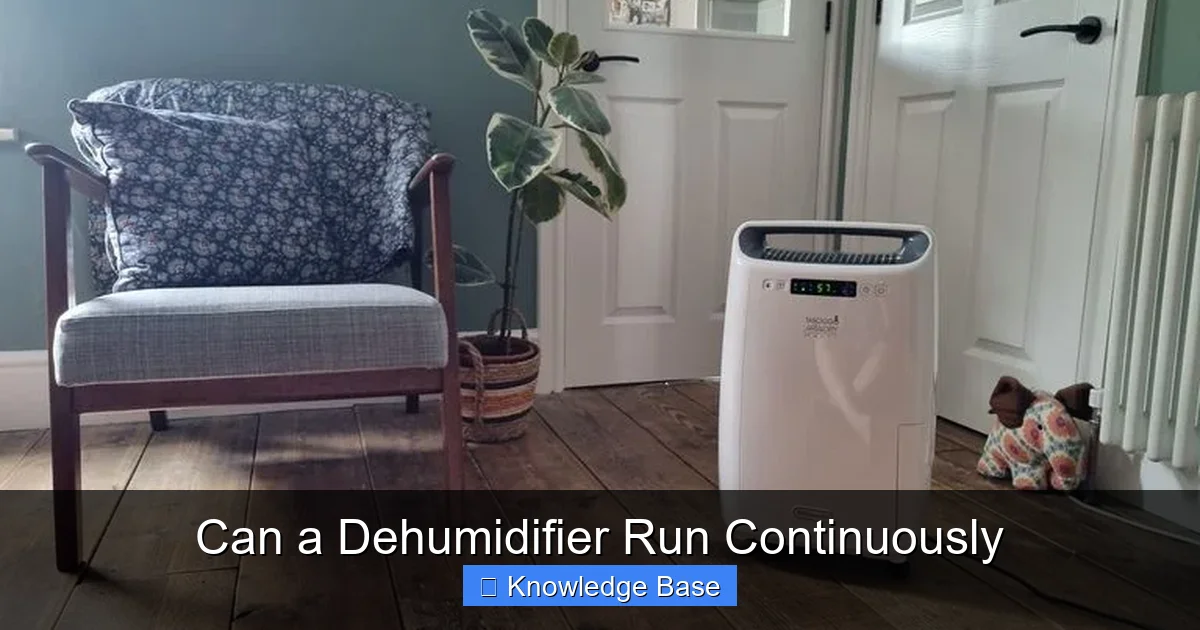
Visual guide about Can a Dehumidifier Run Continuously
Image source: cdn.mos.cms.futurecdn.net
Before diving into whether a dehumidifier can run continuously, it helps to understand how these machines function. At their core, dehumidifiers are like air conditioners in reverse—they pull in moist air, remove the water, and release drier air back into the room.
Most residential dehumidifiers use a refrigeration-based system. Here’s a simplified breakdown of the process:
– A fan draws humid air from the room into the unit.
– The air passes over cold evaporator coils, causing moisture to condense into water droplets.
– The collected water drips into a built-in tank or drains directly through a hose.
– The now-drier air is reheated slightly by passing over warm condenser coils.
– The dry air is blown back into the room.
This cycle repeats continuously as long as the unit is powered on and the humidity level remains above the set threshold.
Types of Dehumidifiers
Not all dehumidifiers are the same. The most common types include:
– **Refrigerant (Compressor) Dehumidifiers:** The most popular type for homes. They work best in warm, humid environments (above 60°F) and are highly effective at pulling moisture from the air.
– **Desiccant Dehumidifiers:** Use a moisture-absorbing material (like silica gel) instead of cooling coils. These are better for colder spaces (like garages or unheated basements) but may use more energy.
– **Whole-House Dehumidifiers:** Integrated into your HVAC system, these are designed for continuous operation and can handle large volumes of air across an entire home.
Each type has different capabilities when it comes to running nonstop. Refrigerant models, for example, may struggle in cold environments and can ice up if not equipped with an automatic defrost feature. Desiccant models, while more versatile in temperature, often consume more power and may not be ideal for 24/7 use unless specifically rated for it.
Built-In Safety Features
Modern dehumidifiers come with several safety mechanisms that make continuous operation safer:
– **Auto-Humidistat:** Monitors room humidity and turns the unit on or off to maintain your desired level (e.g., 45%). This prevents over-dehumidification and saves energy.
– **Automatic Defrost:** Prevents ice buildup on coils in cold environments by briefly pausing the cooling cycle and running the fan to melt frost.
– **Thermal Overload Protection:** Shuts off the compressor if it overheats, protecting the motor from damage.
– **Full Tank Shutoff:** Stops the unit when the water collection tank is full, preventing leaks or spills.
These features are crucial for long-term, unattended operation. If your dehumidifier lacks them—especially if it’s an older model—running it continuously could pose risks.
When Is Continuous Operation Necessary?
There are several situations where running a dehumidifier nonstop makes perfect sense. In fact, in some cases, it’s not just recommended—it’s essential.
High-Humidity Environments
If you live in a tropical or coastal region, your home may naturally have high humidity levels—especially during summer months. Indoor humidity above 60% creates the perfect breeding ground for mold, dust mites, and mildew. In these cases, a dehumidifier running continuously can help maintain a healthy, comfortable environment.
For example, a home in Florida or Louisiana might need a dehumidifier running 24/7 during the rainy season to prevent musty odors and protect belongings stored in closets or basements.
Basements and Crawl Spaces
Basements are notorious for being damp, dark, and poorly ventilated. Even without visible water leaks, groundwater can seep through foundation walls, raising humidity levels. A continuously running dehumidifier in the basement can prevent mold growth, protect stored items, and improve air quality throughout the home.
Crawl spaces are even more vulnerable. Because they’re often enclosed and lack airflow, moisture can accumulate quickly. Installing a dehumidifier designed for crawl spaces—many of which are built for continuous operation—can be a game-changer.
After Water Damage or Flooding
If your home has experienced a burst pipe, roof leak, or flood, immediate and aggressive dehumidification is critical. Water can seep into walls, flooring, and insulation, leading to hidden mold growth within 24–48 hours.
In these emergency situations, running multiple dehumidifiers (and air movers) continuously for several days or even weeks is standard practice. Professionals often use commercial-grade units that are specifically rated for 24/7 operation during restoration.
Homes with Poor Ventilation
Older homes or those with inadequate ventilation—especially in bathrooms, kitchens, and laundry rooms—can trap moisture indoors. Without proper airflow, humidity builds up quickly after showers, cooking, or doing laundry.
In such cases, a dehumidifier running continuously in a central location (like a hallway or basement) can help balance moisture levels and reduce the risk of condensation on windows or walls.
The Pros and Cons of Running a Dehumidifier 24/7
Like any appliance, running a dehumidifier nonstop has both advantages and drawbacks. Let’s break them down.
Benefits of Continuous Operation
– **Consistent Humidity Control:** Keeps indoor humidity stable, preventing spikes that can lead to mold or discomfort.
– **Improved Air Quality:** Reduces allergens like dust mites and mold spores, which thrive in moist environments.
– **Protection for Your Home:** Prevents warping of wood floors, peeling paint, and rust on metal fixtures.
– **Peace of Mind:** Especially useful in unattended spaces like vacation homes or rental properties.
Drawbacks and Risks
– **Higher Energy Bills:** Dehumidifiers use electricity, and running one 24/7 can add $20–$50 or more to your monthly bill, depending on size and efficiency.
– **Wear and Tear:** Constant operation can shorten the lifespan of the compressor and other components, especially in lower-quality units.
– **Over-Drying the Air:** If not monitored, continuous use can drop humidity below 30%, leading to dry skin, irritated eyes, and static electricity.
– **Noise:** Many dehumidifiers produce a low hum or fan noise, which can be disruptive if placed in living areas.
Balancing Efficiency and Effectiveness
The key is finding the right balance. Instead of running your dehumidifier nonstop, consider using a **smart humidistat** to maintain your target humidity level (typically 30–50%). This way, the unit only runs when needed, saving energy and reducing wear.
For example, if your basement tends to spike in humidity after rain, set the humidistat to 45%. The dehumidifier will kick on automatically when levels rise and shut off once the air is dry—no manual intervention required.
Energy Efficiency and Cost Considerations
One of the biggest concerns about running a dehumidifier continuously is the cost. Let’s look at how much energy these appliances use and how to minimize expenses.
Understanding Energy Use
Dehumidifiers are rated by their capacity (in pints per day) and energy factor (liters of water removed per kilowatt-hour). A typical 50-pint dehumidifier uses about 500–700 watts when running.
To estimate daily energy use:
– If it runs 24 hours: 500W × 24h = 12,000 watt-hours (12 kWh)
– At $0.15 per kWh: 12 kWh × $0.15 = $1.80 per day
– Monthly cost: $1.80 × 30 = $54
However, most units don’t run the compressor 100% of the time. With a humidistat, runtime may drop to 8–12 hours per day, cutting costs significantly.
Tips to Reduce Energy Consumption
– **Choose an Energy Star Model:** These units are 15–30% more efficient than standard models and often qualify for rebates.
– **Use a Timer or Smart Plug:** Schedule operation during off-peak hours or only when humidity is highest.
– **Seal Air Leaks:** Keep doors and windows closed in the dehumidified area to prevent moist outdoor air from entering.
– **Clean Filters Regularly:** A clogged filter forces the fan to work harder, increasing energy use.
– **Opt for a Larger Unit:** A properly sized dehumidifier runs more efficiently than an undersized one that struggles to keep up.
Real-World Example
Sarah lives in a humid climate and runs a 70-pint Energy Star dehumidifier in her basement. She set the humidistat to 45% and uses a smart plug to turn it off during the day when the house is empty. Her unit runs about 10 hours per day, costing roughly $15 per month—less than half what it would cost if running nonstop.
Maintenance Tips for Long-Term, Safe Operation
Running a dehumidifier continuously puts more strain on its components. To keep it working efficiently and safely, regular maintenance is a must.
Clean the Air Filter Monthly
The air filter captures dust, pet dander, and other particles. A dirty filter restricts airflow, reducing efficiency and forcing the unit to work harder. Most filters are washable—rinse with warm water and let dry completely before reinstalling.
Empty or Clean the Water Tank
If your unit doesn’t have a continuous drain hose, you’ll need to empty the tank regularly. Standing water can breed bacteria and mold, leading to unpleasant odors. Clean the tank with a mild bleach solution (1 tablespoon per gallon of water) every few weeks.
Check the Drain Hose
If you’re using a hose for continuous drainage, make sure it’s not kinked, clogged, or leaking. A blocked hose can cause the unit to shut off or overflow.
Inspect Coils and Vents
Dust and debris can accumulate on the evaporator and condenser coils, reducing heat exchange efficiency. Use a soft brush or vacuum attachment to gently clean them every 3–6 months.
Listen for Unusual Noises
If your dehumidifier starts making grinding, rattling, or squealing sounds, it could indicate a failing motor or compressor. Turn it off and consult the manual or a technician.
Store Properly During Off-Seasons
If you live in a cold climate and don’t need dehumidification in winter, clean the unit thoroughly, remove the water tank, and store it in a dry place. This prevents mold growth and extends its lifespan.
Signs Your Dehumidifier Isn’t Meant for Continuous Use
Not all dehumidifiers are built for 24/7 operation. Here are red flags to watch for:
– **No Auto-Humidistat:** If the unit runs nonstop regardless of humidity levels, it may over-dry the air or waste energy.
– **Lacks Defrost Function:** In cold environments, ice can build up on coils, damaging the compressor.
– **Frequent Overheating:** If the unit shuts off due to overheating, it’s not designed for continuous use.
– **Older Model (Pre-2010):** Older units often lack modern safety features and are less energy-efficient.
– **Small Capacity for Large Space:** An undersized unit will run constantly just to keep up, leading to burnout.
Always check the owner’s manual. If it says “not recommended for continuous operation” or lacks safety certifications (like UL or ETL), avoid running it 24/7.
Conclusion: Should You Run Your Dehumidifier Nonstop?
So, can a dehumidifier run continuously? The answer is a cautious **yes**—but only under the right conditions.
Modern, well-maintained dehumidifiers with safety features like auto-humidistats, defrost cycles, and thermal protection can safely operate 24/7, especially in high-humidity environments, basements, or after water damage. They help maintain healthy indoor air, protect your home, and prevent mold growth.
However, continuous operation comes with trade-offs: higher energy bills, potential wear and tear, and the risk of over-drying the air. To get the best of both worlds, use a smart humidistat, choose an Energy Star-rated model, and perform regular maintenance.
Ultimately, the decision depends on your specific needs. If your home struggles with persistent dampness, running a dehumidifier continuously may be a smart investment in comfort and protection. But if humidity is only an occasional issue, a timer or humidity sensor can help you run it efficiently without going overboard.
By understanding how your dehumidifier works and following best practices, you can enjoy drier, healthier air—without unnecessary costs or risks.
Frequently Asked Questions
Can running a dehumidifier continuously damage the unit?
It can, especially if the unit lacks safety features or is poorly maintained. Overheating, ice buildup, or worn components may result from constant use without proper care.
Is it safe to leave a dehumidifier on when no one is home?
Yes, as long as the unit has safety features like auto-shutoff, thermal protection, and a secure drain setup. Avoid older models without these protections.
How often should I clean my dehumidifier if running it continuously?
Clean the air filter monthly, empty and sanitize the water tank weekly, and inspect coils and vents every 3–6 months to ensure efficient operation.
Can a dehumidifier run all winter?
Only if needed. In cold climates, humidity is usually low in winter, so continuous use may over-dry the air. Use a desiccant model if dehumidifying in unheated spaces.
What’s the best place to put a dehumidifier for continuous use?
Place it in the most humid area, like a basement or crawl space, with good airflow. Keep it away from walls and furniture to allow proper ventilation.
Do smart dehumidifiers save money when running continuously?
Yes, smart models with Wi-Fi, timers, and humidity sensors optimize runtime, reducing energy use and costs compared to manual or non-smart units.