

Attaching a pump to a dehumidifier hose allows for continuous drainage in areas without gravity-fed drainage. This guide walks you through the process with clear steps, safety tips, and troubleshooting advice to ensure a leak-free, efficient setup.
Quick Answers to Common Questions
Tip/Question?
Can I use any hose for the dehumidifier pump?
No—use a reinforced, kink-resistant hose with the correct inner diameter (usually 1/4″ or 3/8″). Cheap tubing can collapse or leak.
Tip/Question?
How often should I clean the pump?
Clean the pump and hoses every 1–3 months, especially in humid or dusty environments, to prevent clogs and mold.
Tip/Question?
Can I run the discharge hose outside?
Yes, but make sure the end is positioned away from your home’s foundation and protected from freezing in cold climates.
Tip/Question?
What if my dehumidifier doesn’t have a drain port?
Some models require a retrofit kit or internal modification. Check your manual or contact the manufacturer before proceeding.
Tip/Question?
Is it safe to leave the pump running 24/7?
Yes, as long as the pump is rated for continuous use and the discharge hose is clear. Most condensate pumps are designed for this.
Introduction: Why Attach a Pump to a Dehumidifier Hose?
If you’ve ever dealt with a dehumidifier that fills up too quickly or you live in a basement, crawl space, or apartment without a floor drain, you know the hassle of constantly emptying the water tank. That’s where attaching a pump to a dehumidifier hose comes in. This simple upgrade allows your dehumidifier to drain water automatically—even when it can’t rely on gravity. Whether you’re tackling high humidity in a damp basement or managing moisture in a rental unit, adding a pump can save you time, prevent water damage, and improve air quality.
In this guide, we’ll walk you through the entire process of attaching a pump to a dehumidifier hose. You’ll learn what tools and materials you need, how to choose the right pump, step-by-step installation instructions, and tips to keep everything running smoothly. By the end, you’ll have a reliable, hands-free drainage system that works quietly and efficiently.
What You’ll Need
Before you begin, gather the following tools and materials. Having everything ready will make the process faster and less frustrating.
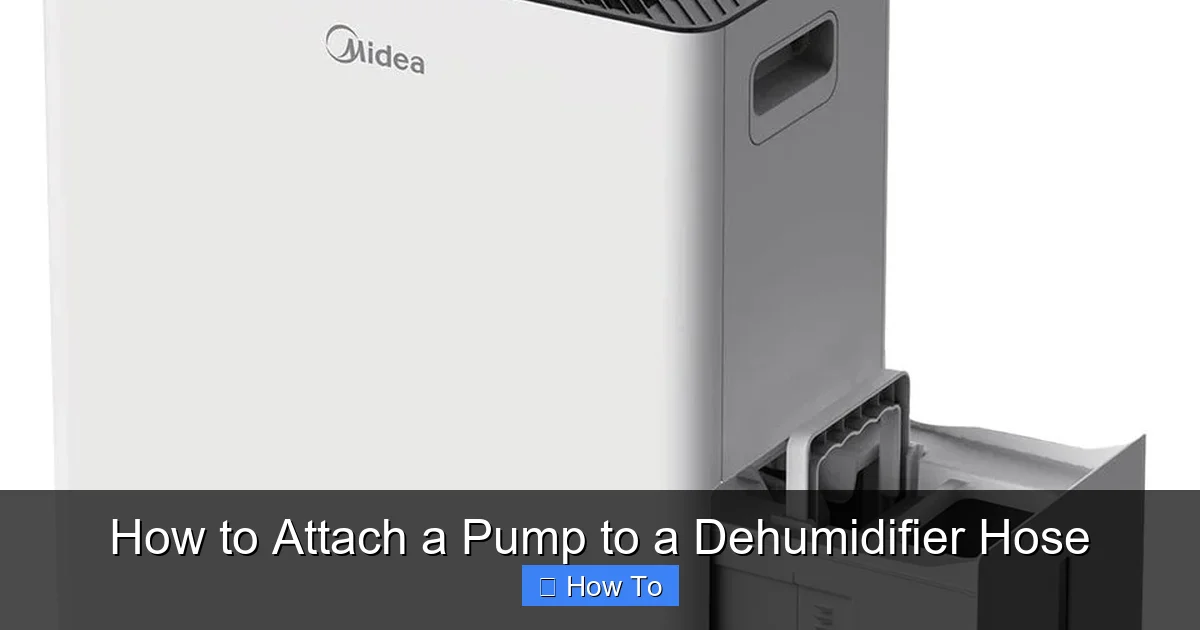
Visual guide about How to Attach a Pump to a Dehumidifier Hose
Image source: static.slickdealscdn.com
Essential Tools and Materials
- Dehumidifier with continuous drain option: Most modern dehumidifiers have a built-in hose barb or drain port. Check your model to confirm.
- Condensate pump: Choose a pump rated for dehumidifier use (typically 15–30 PSI, 1–3 GPH). Popular brands include Little Giant, Wayne, and EcoSeb.
- Drain hose: Use a 1/4-inch or 3/8-inch inside diameter (ID) vinyl or reinforced hose. Avoid cheap, flimsy tubing that kinks easily.
- Hose clamps or zip ties: These secure the hose to the pump and dehumidifier to prevent leaks.
- Scissors or utility knife: For cutting the hose to the right length.
- Teflon tape (optional): Helps seal threaded connections if your pump has them.
- Level or measuring tape: To ensure proper pump placement and hose slope.
- Bucket or container (for testing): To catch water during initial testing.
Optional but Helpful Items
- Hose barb fittings: If your dehumidifier’s drain port is too small, a barb adapter can help connect the hose securely.
- Cable ties or mounting brackets: To organize cords and hoses neatly.
- Water alarm or float switch: Adds extra protection by alerting you if the pump fails.
Step 1: Choose the Right Pump
Not all pumps are created equal. Using the wrong type can lead to leaks, pump failure, or even water damage. Here’s how to pick the best pump for your setup.
Types of Pumps for Dehumidifiers
There are two main types of pumps used with dehumidifiers: condensate pumps and sump pumps. For most home dehumidifiers, a condensate pump is the best choice. These are small, quiet, and designed specifically for low-flow, continuous drainage from appliances like air conditioners and dehumidifiers.
Sump pumps, on the other hand, are built for larger volumes of water and are typically used in basements with flooding issues. They’re overkill for a dehumidifier and may not activate frequently enough, leading to inefficiency.
Key Features to Look For
- Flow rate: Look for a pump that handles 1–3 gallons per hour (GPH). Most dehumidifiers produce less than 1 gallon per day, so even a small pump is sufficient.
- Head pressure: This measures how high the pump can push water. A 10–15 foot head is usually enough for most homes. If you need to pump water up to a sink or outside, choose a pump with higher head pressure.
- Automatic activation: The pump should have a built-in float switch that turns it on when water reaches a certain level and off when the tank is empty.
- Noise level: Since dehumidifiers often run in living spaces, choose a quiet pump (under 45 dB).
- Power source: Most condensate pumps plug into a standard 120V outlet. Make sure you have access to power near the dehumidifier.
Recommended Pumps
Here are a few reliable options:
- Little Giant VCMA-15UL: Compact, quiet, and reliable. Handles up to 15 feet of vertical lift.
- Wayne PC1: Affordable and easy to install. Great for beginners.
- EcoSeb DS-Pump: Energy-efficient with a long lifespan. Ideal for continuous use.
Step 2: Prepare the Dehumidifier and Hose
Once you have the right pump, it’s time to get your dehumidifier ready for the hose connection.
Locate the Drain Port
Most dehumidifiers have a small hose barb or drain port on the back or side. It’s usually labeled “Continuous Drain” or “Drain Hose.” If you can’t find it, check your user manual. Some models require you to remove a cap or plug before attaching the hose.
Measure and Cut the Hose
Measure the distance from the dehumidifier to the pump. Add a few extra inches for flexibility. Use scissors or a utility knife to cut the hose cleanly. A straight, clean cut ensures a tight seal.
Attach the Hose to the Dehumidifier
Slide one end of the hose onto the dehumidifier’s drain barb. Push it on firmly until it’s snug. If it’s loose, use a small hose clamp or zip tie to secure it. Avoid over-tightening, which can damage the barb.
Tip: If the hose doesn’t fit snugly, try warming it slightly with a hair dryer. This makes the vinyl more flexible and easier to attach.
Step 3: Connect the Hose to the Pump
Now it’s time to link the hose to the pump. This step is crucial for preventing leaks and ensuring smooth operation.
Identify the Pump Inlet and Outlet
Most condensate pumps have two hose connections: an inlet (where water enters) and an outlet (where water exits). The inlet is usually smaller and connects to the dehumidifier. The outlet connects to a discharge hose that leads to a drain, sink, or outside.
Attach the Hose to the Pump Inlet
Slide the free end of the dehumidifier hose onto the pump’s inlet barb. Again, push it on firmly. Use a hose clamp or zip tie to secure it. Make sure the connection is tight but not so tight that it cracks the plastic.
Connect the Discharge Hose
Attach a second hose to the pump’s outlet. This hose will carry the water away from the pump. Choose a length that reaches your desired drainage point—like a utility sink, floor drain, or exterior wall.
Pro Tip: Use a slightly larger diameter hose for the discharge side (e.g., 1/2-inch ID) to reduce backpressure and improve flow.
Step 4: Position the Pump and Hose Correctly
Where you place the pump and how you route the hoses can make or break your system.
Place the Pump on a Stable Surface
Set the pump on a flat, level surface near the dehumidifier. Avoid placing it on carpet or uneven ground, which can cause vibration or tipping. If needed, use a small plastic tray or rubber mat to protect the floor.
Ensure Proper Hose Slope
The hose from the dehumidifier to the pump should have a slight downward slope. This helps gravity assist the flow and prevents water from pooling in the hose. Avoid sharp bends or kinks, which can block water flow.
Route the Discharge Hose Safely
Run the discharge hose to your drainage point. If going outside, make sure the end is positioned away from the foundation to prevent water from seeping back in. Use cable ties or clips to secure the hose along walls or baseboards.
Safety Note: Never submerge the pump in water. Keep it elevated and dry to avoid electrical hazards.
Step 5: Test the System
Before letting the system run unattended, it’s essential to test it thoroughly.
Fill the Dehumidifier Tank (Optional)
If your dehumidifier has a built-in pump or auto-drain feature, you may need to fill the internal tank slightly to trigger the pump. Check your manual for details.
Turn On the Dehumidifier and Pump
Plug in both devices and turn them on. Let the dehumidifier run for 10–15 minutes. Watch for water flowing through the hose and into the pump.
Check for Leaks
Inspect all connections—dehumidifier to hose, hose to pump, and pump to discharge hose. Look for drips or moisture. If you find a leak, tighten the connection or replace the hose clamp.
Verify Pump Activation
The pump should turn on automatically when water reaches the float switch. Listen for the motor running and watch for water exiting the discharge hose. If the pump doesn’t activate, check the power connection and float switch.
Monitor for 30 Minutes
Let the system run for at least 30 minutes to ensure consistent performance. Make sure the pump turns off when the water level drops and that no water backs up into the dehumidifier.
Troubleshooting Common Issues
Even with careful setup, problems can arise. Here’s how to fix the most common issues.
Pump Doesn’t Turn On
- Check power: Ensure the pump is plugged in and the outlet is working.
- Test the float switch: Gently lift the float to see if the pump activates. If not, the switch may be stuck or faulty.
- Inspect for clogs: Debris in the hose or pump can block water flow. Disconnect and clean both.
Water Leaks at Connections
- Tighten hose clamps: Use a screwdriver to secure loose clamps.
- Replace damaged hoses: Cracked or brittle tubing won’t seal properly.
- Use Teflon tape: Wrap threaded connections with tape for a better seal.
Pump Runs Constantly
- Check for kinks: A blocked hose can cause backpressure, keeping the pump running.
- Verify drainage: Make sure the discharge hose isn’t clogged or submerged.
- Adjust float switch: If the switch is too sensitive, it may not turn off properly.
Weak Water Flow
- Clean the pump: Mineral buildup can reduce efficiency. Follow the manufacturer’s cleaning instructions.
- Shorten the hose: Longer hoses increase resistance. Keep the discharge hose as short as possible.
- Check head pressure: If pumping uphill, ensure the pump is rated for the required height.
Maintenance Tips for Long-Term Performance
To keep your pump and dehumidifier working smoothly, regular maintenance is key.
Monthly Checks
- Inspect hoses for cracks, kinks, or leaks.
- Clean the pump’s inlet filter (if it has one).
- Wipe down the pump and dehumidifier exterior.
Seasonal Deep Cleaning
- Disconnect and flush the hoses with a vinegar-water solution to remove mold or mineral deposits.
- Open the pump (if accessible) and clean the impeller and float chamber.
- Check electrical cords for wear or damage.
Winter Storage
- If you’re not using the dehumidifier in winter, drain all water from the hoses and pump.
- Store the pump in a dry, frost-free location.
- Coil hoses loosely to prevent cracking.
Conclusion: Enjoy Hands-Free Dehumidification
Attaching a pump to a dehumidifier hose is a smart, cost-effective upgrade that saves time and prevents water damage. With the right pump, proper installation, and regular maintenance, you can enjoy continuous, hassle-free drainage—even in spaces without gravity drains. Whether you’re managing humidity in a basement, garage, or rental unit, this setup gives you peace of mind and better air quality.
Remember to choose a compatible pump, secure all connections, test the system thoroughly, and perform routine checks. By following this guide, you’ll have a reliable drainage solution that works quietly and efficiently for years to come.