

This guide teaches you how to avoid bacterial in dehumidifiers through regular cleaning, proper placement, and smart usage habits. Preventing bacteria ensures cleaner air, better performance, and a safer living space.
Quick Answers to Common Questions
Tip/Question?
How often should I clean my dehumidifier’s water tank?
Clean the tank at least once a week, even if you empty it daily. Weekly scrubbing prevents bacterial buildup and slime formation.
Tip/Question?
Can I use bleach to clean the tank?
It’s not recommended. Bleach can damage plastic parts and leave harmful residues. Use vinegar or mild soap instead for safe, effective cleaning.
Tip/Question?
Does running the dehumidifier continuously increase bacterial risk?
Not necessarily—regular cleaning is more important than run time. Just ensure the tank doesn’t overflow and clean it weekly.
Tip/Question?
Can bacteria from the dehumidifier spread through the air?
Yes, if the unit blows out contaminated air. Clean filters and tanks regularly to prevent this.
Tip/Question?
Is it safe to use essential oils in the water tank?
Use sparingly. A drop of tea tree oil can help, but too much may degrade plastic. Always rinse thoroughly after use.
How to Avoid Bacterial in Dehumidifiers
If you’ve ever noticed a musty smell coming from your dehumidifier or seen slimy residue in the water tank, you’ve likely encountered bacterial growth. While dehumidifiers are essential for controlling indoor humidity and preventing mold, they can also become breeding grounds for bacteria if not properly maintained. The good news? You can easily avoid bacterial contamination with a few simple habits and routine care.
In this guide, you’ll learn exactly how to avoid bacterial in dehumidifiers—from daily habits to deep-cleaning techniques. We’ll walk you through step-by-step instructions, share practical tips, and explain why each step matters. Whether you’re using a compact unit in your bathroom or a heavy-duty model in your basement, these strategies will help keep your dehumidifier clean, efficient, and safe.
Let’s dive in and make sure your dehumidifier works for you—not against you.
Why Bacteria Grow in Dehumidifiers
Before we get into the “how,” it’s important to understand the “why.” Bacteria thrive in warm, moist, and dark environments—conditions that dehumidifiers can unintentionally create. Here’s what makes them so vulnerable:
- Standing water: The water collection tank holds moisture for hours or days, giving bacteria time to multiply.
- Mineral buildup: Tap water contains minerals like calcium and magnesium that leave behind deposits. These residues trap organic matter and create a sticky surface for bacteria to cling to.
- Dust and debris: Airborne particles settle inside the unit, especially on filters and coils, providing nutrients for microbial growth.
- Lack of airflow: If the dehumidifier is placed in a cramped or poorly ventilated space, moisture lingers longer, increasing bacterial risk.
- Infrequent cleaning: Many users forget to clean their dehumidifiers regularly, allowing bacteria to build up over time.
Understanding these factors helps you target the root causes. The goal isn’t just to clean—it’s to create an environment where bacteria can’t survive.
Step 1: Empty and Clean the Water Tank Weekly
The water tank is the #1 hotspot for bacterial growth. Even if you empty it daily, residue can remain, especially in corners and along the rim. That’s why a weekly deep clean is essential.
How to Clean the Tank
- Unplug the dehumidifier before removing the tank. Safety first!
- Empty any remaining water into a sink or drain.
- Rinse the tank with warm water to remove loose debris.
- Use a mild cleaning solution: Mix one tablespoon of white vinegar or mild dish soap with one cup of warm water. Avoid harsh chemicals like bleach unless absolutely necessary—they can damage plastic parts and leave toxic fumes.
- Scrub the interior with a soft brush or sponge. Pay special attention to the bottom, corners, and lid. A toothbrush works great for tight spots.
- Rinse thoroughly to remove all soap or vinegar residue.
- Let it air dry completely before reinserting it into the unit.
Pro Tip: Add a Drop of Tea Tree Oil
For extra antibacterial power, add 1–2 drops of tea tree oil to your cleaning solution. Tea tree oil is a natural antimicrobial agent that helps kill bacteria and prevent future growth. Just be sure to rinse well—essential oils can degrade plastic over time.
What If There’s Slime or Mold?
If you find green, black, or slimy buildup, don’t panic. This is usually biofilm—a colony of bacteria or mold. Here’s how to tackle it:
- Soak the tank in a solution of 1 part white vinegar to 3 parts water for 30 minutes.
- Scrub vigorously with a brush.
- Rinse and dry completely.
- Run the dehumidifier for 10–15 minutes to air out any lingering smell.
If the slime persists or the tank is cracked or warped, consider replacing it. A damaged tank can harbor bacteria even after cleaning.
Step 2: Use Distilled or Demineralized Water
You might be wondering: “Why does the type of water matter if it’s just collecting condensation?” Great question. While the water in the tank is technically distilled (since it’s condensed from air), many dehumidifiers—especially those with built-in pumps or auto-drain features—can pull in tap water for cooling or maintenance.
Even if yours doesn’t, mineral deposits from the air can still build up inside the unit. Using distilled or demineralized water in any refillable components (like pump reservoirs) reduces mineral buildup and makes cleaning easier.
Benefits of Distilled Water
- Fewer mineral deposits: Less scaling means fewer surfaces for bacteria to attach to.
- Cleaner coils and filters: Minerals can clog components, reducing efficiency and trapping moisture.
- Longer lifespan: Less buildup means less wear and tear on internal parts.
If your dehumidifier has a built-in humidistat or sensor, mineral deposits can also interfere with accuracy. Using distilled water helps maintain reliable performance.
Where to Buy Distilled Water
You can find distilled water at most grocery stores, pharmacies, or hardware stores. A gallon typically costs under $2. For frequent use, consider buying in bulk or using a home water distiller.
Step 3: Clean or Replace Filters Monthly
The air filter is your dehumidifier’s first line of defense. It traps dust, pollen, and other particles before they enter the system. But over time, it becomes clogged with debris and moisture—creating a perfect environment for bacteria and mold.
How to Clean a Reusable Filter
- Turn off and unplug the dehumidifier.
- Locate the filter—usually behind a front or side panel.
- Remove the filter gently.
- Rinse it under lukewarm water. Avoid hot water, which can warp the mesh.
- Let it air dry completely—this may take 24 hours. Never reinstall a damp filter.
- Reinsert the filter and secure the panel.
When to Replace the Filter
Even reusable filters wear out. Replace them every 6–12 months, or sooner if they appear damaged, discolored, or smell musty. Some models have indicator lights that signal when it’s time to clean or replace the filter—don’t ignore them!
Upgrade to an Antibacterial Filter
Consider upgrading to a filter with antimicrobial coating. These filters are treated with silver ions or other agents that inhibit bacterial growth. They’re slightly more expensive but can significantly reduce contamination risk.
Step 4: Maintain Proper Placement and Ventilation
Where you place your dehumidifier matters more than you might think. Poor placement can trap moisture, reduce airflow, and encourage bacterial growth.
Ideal Placement Tips
- Keep it at least 6 inches away from walls and furniture. This allows air to circulate freely around the unit.
- Avoid enclosed spaces like closets or cabinets. These areas trap humidity and limit ventilation.
- Place it on a flat, stable surface. Tilting can cause water to leak or pool inside.
- Use in well-ventilated rooms. Basements, laundry rooms, and bathrooms are common spots, but ensure there’s some airflow—open a window or run a fan occasionally.
Bonus: Use a Hygrometer
A hygrometer is a small device that measures humidity levels. Aim to keep indoor humidity between 30% and 50%. If it’s too high, your dehumidifier works harder and collects more water—increasing bacterial risk. If it’s too low, you might be over-drying the air, which can cause other issues.
Step 5: Use Antibacterial Additives or UV-C Lights
For extra protection, consider using antibacterial solutions or UV-C technology.
Antibacterial Additives
Some manufacturers sell dehumidifier tablets or drops designed to kill bacteria and prevent slime. These are safe to use and often contain hydrogen peroxide or citric acid. Simply drop one into the water tank weekly.
Always check your user manual before using additives—some units are not compatible.
UV-C Lights
UV-C light is a proven method for killing bacteria, viruses, and mold. Some high-end dehumidifiers come with built-in UV-C lamps that sterilize the air as it passes through. If your model doesn’t have one, you can install an aftermarket UV-C air purifier nearby to reduce airborne contaminants.
DIY UV-C Option
You can also find small UV-C sticks designed for water tanks. These are submerged in the reservoir and emit UV light to kill bacteria. They’re affordable and effective—just make sure they’re compatible with your tank material.
Step 6: Clean Coils and Internal Components Annually
The evaporator and condenser coils are essential for removing moisture from the air. But they’re also prone to dust buildup, which can trap moisture and harbor bacteria.
How to Clean the Coils
- Unplug the dehumidifier and let it sit for 30 minutes to cool down.
- Remove the front or side panel to access the coils. Refer to your manual for instructions.
- Use a soft brush or vacuum with a brush attachment to gently remove dust and debris.
- For stubborn grime, use a coil cleaner spray (available at hardware stores). Spray lightly and let it sit for 5–10 minutes before wiping with a damp cloth.
- Reassemble the unit and plug it back in.
Warning: Be Gentle
Coils are delicate. Avoid using water directly on them, and never force a brush into tight fins. Bent fins reduce efficiency and can cause long-term damage.
Step 7: Dry the Unit Before Storage
If you’re storing your dehumidifier for the season (like during summer in dry climates), don’t just unplug and box it up. A damp unit is a bacteria magnet.
How to Properly Store Your Dehumidifier
- Clean the tank, filter, and coils as described above.
- Run the unit for 10–15 minutes with the tank removed to evaporate any residual moisture.
- Wipe down the exterior with a dry cloth.
- Store in a cool, dry place—avoid attics or garages where temperatures fluctuate.
- Cover with a breathable cloth to prevent dust buildup.
Pro Tip: Use Silica Gel Packs
Place a few silica gel packs inside the storage area to absorb any lingering moisture. You can find these in packaging or buy them in bulk online.
Troubleshooting Common Issues
Even with regular maintenance, problems can arise. Here’s how to handle the most common ones:
Issue: Musty or Fishy Smell
This is a classic sign of bacterial or mold growth. Clean the tank and filter immediately. Run the unit with a vinegar solution in the tank (1 part vinegar to 3 parts water) for 30 minutes, then rinse and dry. If the smell persists, inspect the coils and internal ducts.
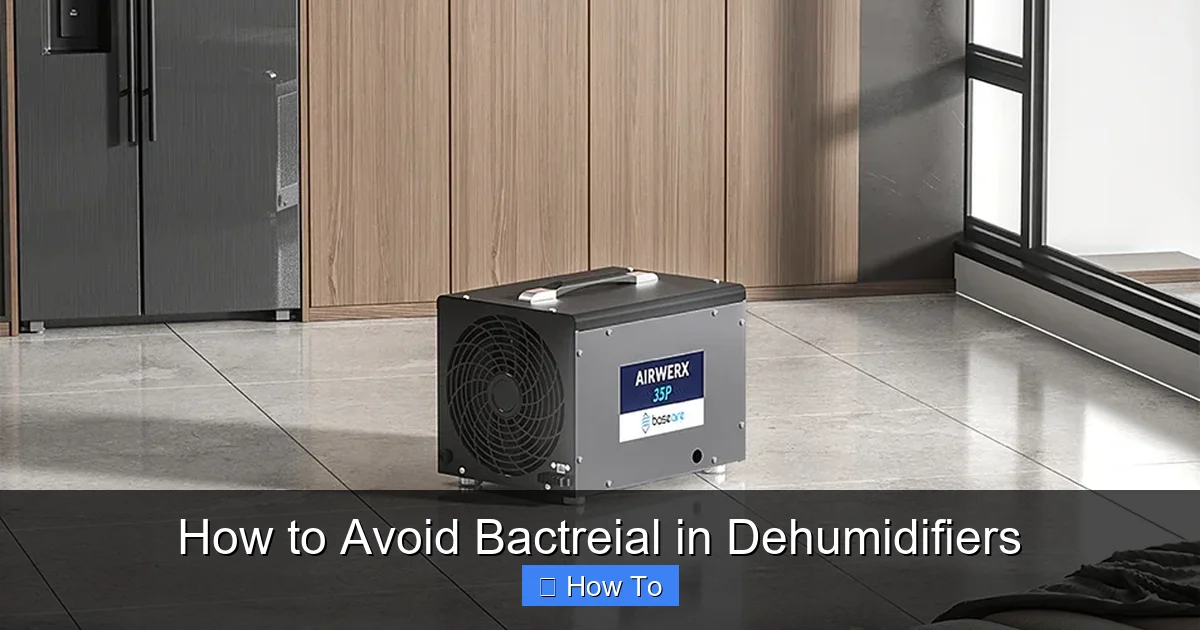
Visual guide about How to Avoid Bactreial in Dehumidifiers
Image source: cdn.shopifycdn.net
Issue: Water Leaking
Leaks can cause water to pool inside the unit, promoting bacteria. Check for cracks in the tank, loose connections, or a clogged drain hose. Ensure the unit is level and the tank is properly seated.
Issue: Reduced Efficiency
If your dehumidifier isn’t removing as much moisture as before, it could be due to dirty coils, a clogged filter, or low refrigerant. Clean the components first. If performance doesn’t improve, consult a technician.
Issue: Strange Noises
Rattling or grinding sounds may indicate loose parts or debris in the fan. Turn off the unit, inspect for obstructions, and tighten any loose screws. Avoid running the unit if it sounds unusual—this can cause further damage.
Conclusion
Avoiding bacterial growth in your dehumidifier isn’t complicated—it just takes consistency. By following these steps, you’ll not only extend the life of your unit but also ensure it’s improving your indoor air quality, not harming it.
Remember: how to avoid bacterial in dehumidifiers comes down to regular cleaning, smart usage, and proactive maintenance. Empty the tank weekly, clean the filter monthly, use distilled water, and keep the unit in a well-ventilated area. Add antibacterial solutions or UV-C lights for extra peace of mind.
Your dehumidifier should be a tool for a healthier home, not a hidden source of contamination. With these habits, you’ll breathe easier—literally and figuratively.