
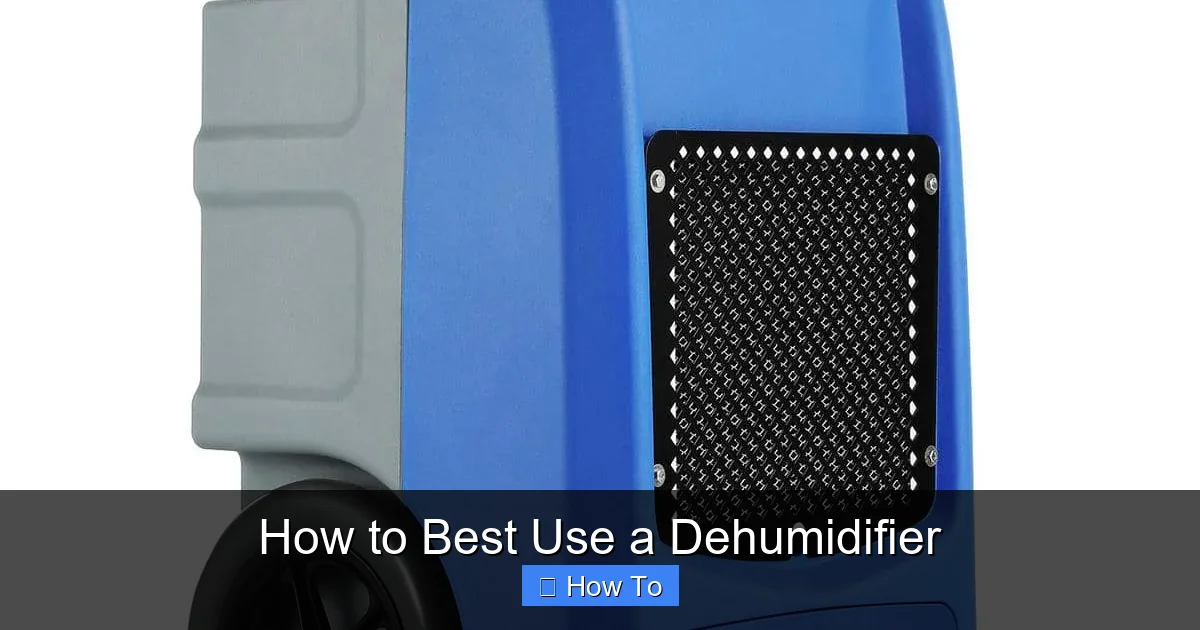
This guide teaches you how to best use a dehumidifier for maximum efficiency and air quality improvement. You’ll learn optimal placement, ideal humidity levels, and maintenance tips to keep your home dry and healthy.
Quick Answers to Common Questions
Tip/Question?
How often should I clean my dehumidifier filter?
Clean the filter once a month to maintain airflow and efficiency. In dusty environments, check it every two weeks.
Tip/Question?
Can I run a dehumidifier all the time?
Yes, but it’s not always necessary. Use a humidistat to automate operation and save energy. Run it more during humid seasons or after moisture-heavy activities.
Tip/Question?
Should I close doors and windows when using a dehumidifier?
Yes. Closing doors and windows helps the unit focus on the room’s humidity and improves efficiency.
Tip/Question?
What’s the best humidity level for my home?
Aim for 30–50% relative humidity. Use a hygrometer to monitor levels and adjust your dehumidifier settings accordingly.
Tip/Question?
Can a dehumidifier help with allergies?
Yes. By reducing mold, dust mites, and mildew, a dehumidifier can improve indoor air quality and ease allergy symptoms.
How to Best Use a Dehumidifier
Excess moisture in your home can lead to musty odors, peeling paint, warped wood, and even health issues like allergies and asthma. A dehumidifier is a powerful tool to fight high humidity, but only if you use it correctly. This guide will walk you through how to best use a dehumidifier to protect your home, improve air quality, and extend the life of your appliance.
Whether you’re dealing with a damp basement, a humid bathroom, or just want to keep your indoor air fresh, this step-by-step guide covers everything you need to know. From choosing the right location to setting the perfect humidity level and maintaining your unit, you’ll learn practical tips that make a real difference. Let’s get started!
Step 1: Choose the Right Dehumidifier for Your Space
Before you can use a dehumidifier effectively, you need to pick the right one. Dehumidifiers come in different sizes and types, and choosing the wrong one can lead to inefficiency or wasted energy.
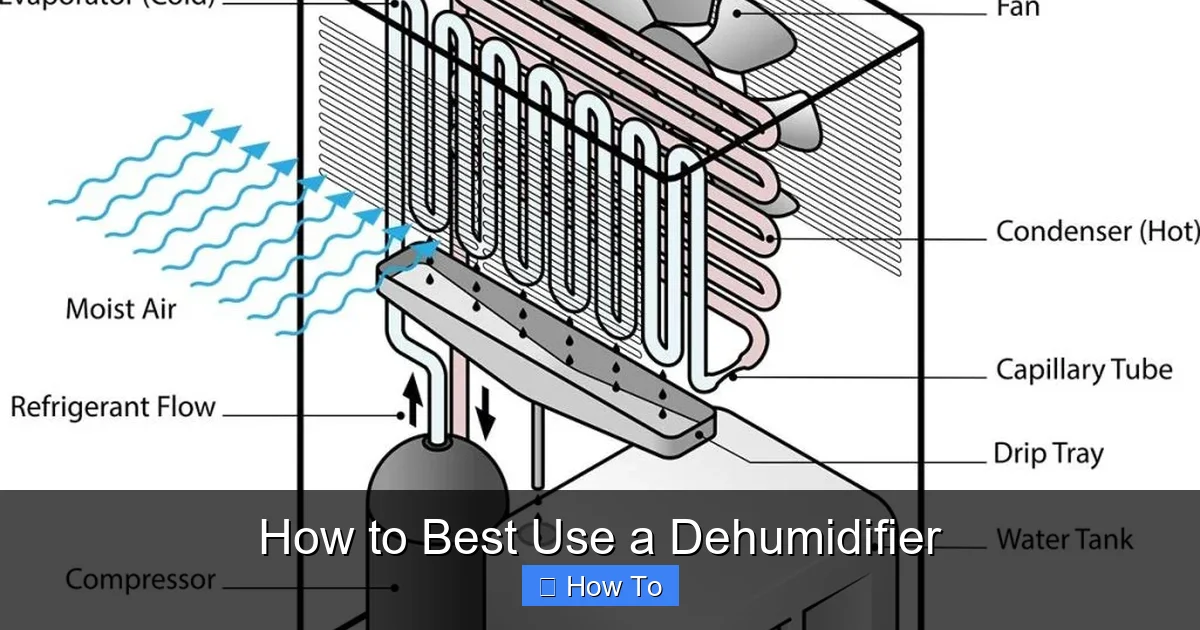
Visual guide about How to Best Use a Dehumidifier
Image source: bestdehumidifier.reviews
Check the Pint Capacity
Dehumidifiers are rated by how many pints of moisture they can remove in 24 hours. A 30-pint unit is ideal for small spaces like bathrooms or closets, while a 50-pint or 70-pint model works better for large basements or whole-house use. Measure your room’s square footage and consider how damp it is—light, moderate, or severe—to pick the right size.
Consider the Type of Dehumidifier
There are two main types: refrigerant (compressor) and desiccant. Refrigerant models are common and work best in warm, humid climates. Desiccant dehumidifiers use a moisture-absorbing material and are better for colder areas like garages or crawl spaces. Choose based on your climate and needs.
Look for Energy Efficiency
Check for the ENERGY STAR label to save on electricity. Energy-efficient models use less power and often include features like auto-shutoff and humidity sensors. Over time, this can lower your utility bills and reduce environmental impact.
Step 2: Find the Best Location
Where you place your dehumidifier makes a big difference in how well it works. A poorly placed unit may struggle to reduce humidity or waste energy.
Pick the Most Humid Area
Start by identifying the room with the highest moisture levels. Common problem areas include basements, laundry rooms, bathrooms, and crawl spaces. If you’re unsure, use a hygrometer (a humidity-measuring device) to check different rooms.
Ensure Good Airflow
Place the dehumidifier in an open area, at least 6–12 inches away from walls, furniture, and curtains. This allows air to flow freely through the intake and exhaust vents. Blocking airflow reduces efficiency and can cause the unit to overheat.
Avoid Drafty or Cold Spots
Don’t put your dehumidifier near doors, windows, or air conditioning vents. Drafts can interfere with humidity readings and make the unit work harder. Also, avoid very cold areas—most refrigerant models work best above 65°F (18°C).
Use in Enclosed Spaces
For best results, close doors and windows in the room where the dehumidifier is running. This keeps humid outdoor air from entering and helps the unit focus on the space it’s treating.
Step 3: Set the Ideal Humidity Level
One of the most important steps in how to best use a dehumidifier is setting the right humidity level. Too low, and you’ll dry out the air too much. Too high, and you won’t solve the moisture problem.
Use a Hygrometer to Measure Humidity
A hygrometer is a small, inexpensive tool that measures relative humidity (RH). You can find digital ones for under $20. Place it near the dehumidifier and check it daily to monitor changes.
Set the Humidity Between 30% and 50%
The ideal indoor humidity level is between 30% and 50%. This range prevents mold growth, dust mites, and musty smells while keeping the air comfortable. In winter, you can go slightly lower (30–40%) to avoid condensation on windows. In summer, aim for 40–50%.
Use the Built-in Humidistat
Most dehumidifiers have a humidistat—a sensor that turns the unit on and off based on the set humidity level. Set your desired level (e.g., 45%) and let the dehumidifier do the work. Avoid setting it too low, as this can waste energy and dry out the air excessively.
Step 4: Empty the Water Tank or Use a Drain Hose
Dehumidifiers collect moisture in a built-in water tank. If the tank fills up, the unit will shut off to prevent overflow. You have two options: empty the tank manually or use a continuous drain hose.
Empty the Tank Regularly
Check the water tank daily, especially in humid weather. Most units have a “tank full” indicator light. When it turns on, unplug the dehumidifier, remove the tank, and pour the water down the drain. Rinse the tank with mild soap and water to prevent mold or bacteria buildup.
Use a Continuous Drain Hose
For convenience, connect a garden hose to the drain outlet on the back or side of the dehumidifier. Run the hose to a floor drain, sump pump, or outside. This allows the unit to run continuously without you having to empty the tank. Make sure the hose slopes downward to ensure proper drainage.
Check the Hose for Clogs
If you use a drain hose, inspect it monthly for blockages. Mineral deposits or algae can build up over time. Flush the hose with water or use a pipe cleaner to keep it clear.
Step 5: Run the Dehumidifier at the Right Times
Timing matters when it comes to using your dehumidifier efficiently. Running it 24/7 isn’t always necessary—and can waste energy.
Use It During High-Humidity Seasons
Run your dehumidifier more often in summer or rainy seasons when humidity is highest. In dry winter months, you may only need it occasionally, especially in basements or poorly ventilated areas.
Turn It On After High-Moisture Activities
Use the dehumidifier after activities that add moisture to the air, such as showering, cooking, or doing laundry. For example, run it in the bathroom for 30–60 minutes after a hot shower to prevent steam buildup.
Set a Timer (If Available)
Some dehumidifiers come with a built-in timer. Use it to run the unit during off-peak hours or for a set number of hours each day. This helps save energy and ensures consistent humidity control.
Step 6: Maintain Your Dehumidifier Regularly
Regular maintenance keeps your dehumidifier running efficiently and extends its lifespan. A dirty or neglected unit won’t work as well and may even become a source of mold or bacteria.
Clean the Air Filter Monthly
The air filter traps dust, pet dander, and other particles. Over time, it gets clogged and reduces airflow. Remove the filter (usually located behind a front panel), vacuum it gently, or wash it with warm, soapy water. Let it dry completely before reinserting.
Wipe Down the Exterior and Vents
Use a damp cloth to clean the outside of the dehumidifier and the air intake/exhaust vents. This prevents dust buildup and keeps the unit looking and working well.
Check the Water Tank for Mold
Even if you empty the tank regularly, mold or mildew can grow inside. Once a month, scrub the tank with a mixture of water and white vinegar (1:1 ratio). Rinse thoroughly and let it air dry.
Inspect the Coils and Drain Pan
Once or twice a year, check the evaporator coils and drain pan for dirt or mold. Use a soft brush or vacuum to clean them. If you see mold, clean with a mild bleach solution (1 tablespoon bleach per gallon of water), then rinse and dry.
Store Properly During Off-Seasons
If you don’t use your dehumidifier in winter, clean it thoroughly, empty the tank, and store it in a dry place. Cover it with a breathable cloth to protect it from dust.
Step 7: Monitor and Adjust as Needed
Using a dehumidifier isn’t a “set it and forget it” task. You’ll need to monitor humidity levels and adjust settings based on changes in weather, season, or home usage.
Check Humidity Weekly
Use your hygrometer to check humidity levels weekly. If the air feels sticky or you notice condensation on windows, increase the run time or lower the humidity setting slightly.
Adjust for Seasonal Changes
In spring and fall, humidity can fluctuate. Be ready to turn the dehumidifier on more often during rainy periods or less during dry spells. In winter, indoor heating can dry the air, so you may need the dehumidifier less.
Watch for Signs of Overuse
If the air feels too dry, static electricity increases, or your skin feels tight, the humidity may be too low. Raise the setting slightly or reduce run time. Aim for balance—dry enough to prevent mold, but not so dry it’s uncomfortable.
Troubleshooting Common Dehumidifier Problems
Even with proper use, dehumidifiers can develop issues. Here’s how to fix common problems.
Dehumidifier Isn’t Removing Moisture
If your unit runs but doesn’t reduce humidity, check the filter—it may be clogged. Also, ensure the room is closed off and the temperature is above 65°F. If the coils are frozen (common in cold areas), turn off the unit and let it thaw.
Unit Keeps Shutting Off
This could mean the water tank is full, the filter is dirty, or the humidistat is malfunctioning. Empty the tank, clean the filter, and test the humidistat with a hygrometer. If the problem persists, contact the manufacturer.
Unusual Noises or Vibrations
Loud noises may indicate a loose part or debris in the fan. Turn off the unit, unplug it, and inspect the interior. Tighten any loose screws and remove obstructions. If the fan is damaged, professional repair may be needed.
Water Leaking from the Unit
Leaks can come from a cracked tank, loose drain hose, or clogged drain pan. Inspect all parts and replace damaged components. Make sure the drain hose is properly connected and sloped downward.
Foul Odors Coming from the Dehumidifier
Musty smells often mean mold or bacteria in the tank or coils. Clean the tank with vinegar and scrub the coils. Run the unit with a fan to dry it completely. Consider using a dehumidifier with an antibacterial filter.
Conclusion
Using a dehumidifier effectively is key to maintaining a healthy, comfortable home. By choosing the right model, placing it correctly, setting the ideal humidity level, and maintaining it regularly, you can prevent mold, reduce allergens, and protect your belongings from moisture damage.
Remember, how to best use a dehumidifier involves more than just plugging it in. It’s about smart placement, consistent monitoring, and routine care. Follow the steps in this guide, and you’ll enjoy fresher air, fewer odors, and a drier, more pleasant living space year-round.
Whether you’re fighting basement dampness or just want to improve indoor air quality, a well-used dehumidifier is one of the best investments you can make for your home. Start today—your walls, lungs, and peace of mind will thank you.