

Choosing the right dehumidifier doesn’t have to be overwhelming. This guide walks you through everything you need to know—from sizing and types to energy efficiency and placement—so you can pick the perfect model for your space and needs.
Quick Answers to Common Questions
What size dehumidifier do I need for a 1,000 sq. ft. basement?
For a 1,000 sq. ft. basement that’s moderately damp, a 50-pint dehumidifier is usually sufficient. If it’s very wet or has standing water, consider a 70-pint model.
Can I run a dehumidifier all the time?
Yes, but it’s more efficient to use a model with an auto-humidistat. It will turn on only when needed, saving energy and reducing wear.
Should I buy a dehumidifier with a built-in pump?
A built-in pump lets you drain water upward (e.g., into a sink). It’s useful if you can’t gravity-drain to a floor drain. Worth the extra cost if needed.
Do dehumidifiers use a lot of electricity?
They can, but ENERGY STAR models are much more efficient. Look for one with a high energy factor (1.5 L/kWh or higher) to minimize costs.
Can I use a dehumidifier in winter?
Only if the space stays above 65°F. Refrigerant models lose efficiency in cold temps. Use a desiccant model or whole-home system for winter use.
How to Buy a Dehumidifier: A Complete Step-by-Step Guide
High humidity isn’t just uncomfortable—it can lead to mold, musty odors, and even damage your home. A dehumidifier helps maintain healthy indoor air quality by removing excess moisture from the air. But with so many models, sizes, and features on the market, knowing how to buy a dehumidifier can feel like a puzzle.
The good news? You don’t need to be an HVAC expert to make the right choice. This guide will walk you through every step—from understanding your needs to comparing models and maintaining your unit. By the end, you’ll know exactly what to look for and feel confident in your purchase.
Step 1: Assess Your Needs
Before you start shopping, take a moment to evaluate why you need a dehumidifier. Are you dealing with dampness in a basement? Fighting mold in a bathroom? Or just trying to make your whole house more comfortable? Your specific needs will shape your decision.
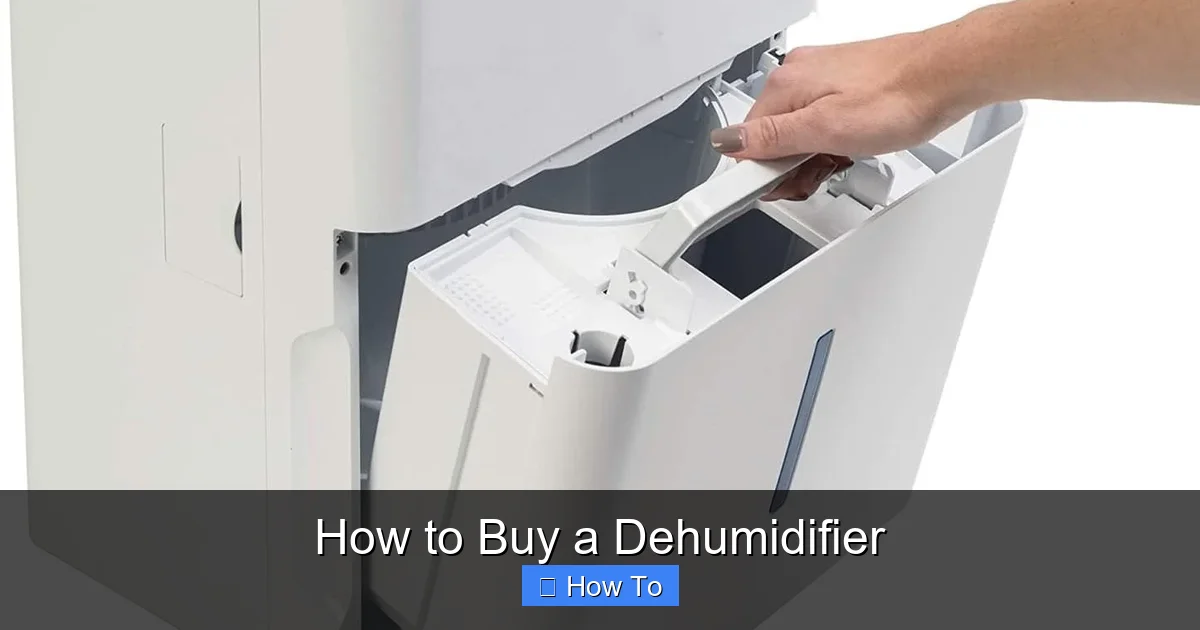
Visual guide about How to Buy a Dehumidifier
Image source: bestdehumidifier.reviews
Identify the Problem Area
Start by pinpointing where the humidity issue is. Common problem areas include:
- Basements: Often cool, dark, and prone to dampness.
- Bathrooms: High moisture from showers and baths.
- Laundry rooms: Wet clothes and dryers add moisture.
- Entire homes: Especially in humid climates or during summer months.
If you’re targeting a single room, a portable unit may suffice. For whole-house coverage, consider a larger or whole-home system.
Check Humidity Levels
Use a hygrometer (a small, inexpensive device) to measure the humidity in your space. Ideal indoor humidity is between 30% and 50%. If it’s consistently above 60%, you likely need a dehumidifier.
You can often find hygrometers built into smart thermostats or as standalone devices. Some dehumidifiers also include built-in hygrometers, which help them auto-adjust based on current conditions.
Step 2: Determine the Right Size and Capacity
One of the most common mistakes people make is buying a dehumidifier that’s too small—or too big. Getting the right size ensures effective moisture removal without wasting energy.
Understand Pint Ratings
Dehumidifiers are rated by how many pints of moisture they can remove in 24 hours. This is called the “pint rating.” For example, a 30-pint unit removes 30 pints of water per day.
But don’t just go by room size alone. The humidity level matters too. Here’s a general guide:
- 30-pint: Small rooms (up to 500 sq. ft.), moderately damp.
- 50-pint: Medium rooms (500–1,500 sq. ft.), very damp or wet.
- 70-pint or higher: Large spaces (1,500+ sq. ft.), extremely wet or flooded areas.
For example, a 500-square-foot basement with standing water might need a 50-pint unit, while a 500-square-foot bedroom with mild dampness could get by with a 30-pint model.
Use a Sizing Chart
Many manufacturers provide sizing charts based on square footage and humidity level. Here’s a simplified version:
| Room Size (sq. ft.) | Humidity Level | Recommended Pint Rating |
|---|---|---|
| Up to 500 | Slightly damp | 20–30 pints |
| 500–1,000 | Moderately damp | 30–50 pints |
| 1,000–1,500 | Very damp | 50–70 pints |
| 1,500+ | Wet or flooded | 70+ pints |
Keep in mind that these are estimates. If your space has poor ventilation, frequent water intrusion, or high outdoor humidity, go one size up.
Step 3: Choose the Right Type of Dehumidifier
Not all dehumidifiers work the same way. The two main types are refrigerant (compressor) and desiccant. Each has pros and cons depending on your environment.
Refrigerant (Compressor) Dehumidifiers
These are the most common and affordable type. They use a compressor and coolant to cool metal coils, causing moisture to condense and drip into a tank.
- Best for: Warm, humid climates (above 65°F).
- Pros: Energy-efficient, effective at removing large amounts of moisture.
- Cons: Less effective in cold temperatures; can be noisy.
Great for basements, living rooms, and garages in temperate zones.
Desiccant Dehumidifiers
These use a moisture-absorbing material (like silica gel) to pull water from the air. They don’t rely on cooling coils, so they work well in cooler environments.
- Best for: Cold climates or unheated spaces (below 65°F).
- Pros: Quiet, effective in low temperatures, lightweight.
- Cons: Less energy-efficient, smaller capacity, higher operating cost.
Ideal for crawl spaces, garages, or RVs in colder regions.
Whole-Home vs. Portable Units
If you need dehumidification throughout your house, consider a whole-home system. These are installed into your HVAC system and work with your furnace or air handler.
- Pros: Covers entire home, automatic operation, no tank to empty.
- Cons: Higher upfront cost, requires professional installation.
Portable units are more flexible and affordable. You can move them from room to room as needed. Most people start with a portable model and upgrade later if necessary.
Step 4: Look for Key Features
Modern dehumidifiers come with a range of features that improve convenience, efficiency, and performance. Here’s what to look for.
Auto-Humidistat
This feature lets you set your desired humidity level (e.g., 45%). The unit turns on and off automatically to maintain that level. It saves energy and prevents over-drying.
Continuous Drainage Option
Instead of manually emptying a water tank, you can attach a hose to drain water directly into a floor drain or sump pump. This is a must-have for basements or 24/7 operation.
Auto-Defrost
On refrigerant models, coils can freeze in cold temperatures. Auto-defrost prevents this by temporarily stopping the cooling process to melt ice. Essential for unheated spaces.
Timer and Delay Start
Set your dehumidifier to run at specific times—like overnight or during off-peak energy hours. Helps save money and reduces noise when you’re home.
Washable Filter
A reusable air filter traps dust and allergens. Look for one that’s easy to remove and clean. Some models even have filter-cleaning reminders.
Quiet Operation
Check the decibel (dB) rating. Most units range from 45 to 60 dB. For bedrooms or living areas, aim for under 50 dB for quiet operation.
Smart Controls
Some models connect to Wi-Fi and work with apps or voice assistants like Alexa or Google Home. You can monitor humidity, adjust settings, and receive alerts from your phone.
Step 5: Check Energy Efficiency
Dehumidifiers can use a lot of electricity, especially if run daily. Choosing an energy-efficient model saves money and reduces environmental impact.
Look for ENERGY STAR Certification
ENERGY STAR-certified dehumidifiers are up to 15% more efficient than standard models. They meet strict guidelines set by the U.S. Environmental Protection Agency.
On average, an ENERGY STAR dehumidifier saves about $200 in energy costs over its lifetime compared to a non-certified model.
Check the Energy Factor (L/kWh)
This measures how many liters of water the unit removes per kilowatt-hour of electricity. Higher numbers mean better efficiency. Aim for at least 1.5 L/kWh or higher.
Estimate Operating Costs
To calculate how much a dehumidifier will cost to run:
- Find the wattage (usually listed on the label or manual).
- Multiply by hours used per day.
- Multiply by your electricity rate (in $/kWh).
- Divide by 1,000 to convert watts to kilowatts.
Example: A 500-watt unit running 8 hours a day at $0.12/kWh costs about $0.48 per day, or $14.40 per month.
Step 6: Compare Brands and Read Reviews
Not all dehumidifiers are created equal. Some brands are known for reliability, quiet operation, or smart features. Do your research before buying.
Top Brands to Consider
- Frigidaire: Reliable, widely available, good value.
- hOmeLabs: Popular for basements, strong performance, user-friendly.
- GE: Trusted brand, ENERGY STAR models, good warranties.
- Eva-Dry: Compact and portable, great for small spaces.
- AprilAire: Specializes in whole-home systems.
Read Customer Reviews
Check reviews on Amazon, Home Depot, or Consumer Reports. Look for comments about:
- Noise level
- Ease of setup and use
- Tank capacity and drainage
- Durability and longevity
- Customer service and warranty
Pay attention to recurring complaints—like frequent breakdowns or poor drainage—as red flags.
Step 7: Consider Placement and Installation
Even the best dehumidifier won’t work well if it’s in the wrong spot. Proper placement ensures maximum airflow and efficiency.
Best Locations
- Basements: Place near the center or where moisture is worst. Avoid corners.
- Laundry rooms: Near the dryer vent or washing machine.
- Bathrooms: Use a small, quiet model with a timer.
- Whole-house: Install in a central location or integrate with HVAC.
Tips for Optimal Placement
- Keep at least 6–12 inches of space around the unit for airflow.
- Avoid placing near heat sources like furnaces or water heaters.
- Don’t block the air intake or exhaust vents.
- Elevate the unit slightly if on carpet to prevent dust intake.
Installation Tips
Most portable dehumidifiers are plug-and-play. Just unbox, plug in, and go. For continuous drainage:
- Attach a standard garden hose to the drain port.
- Run the hose to a floor drain, sump pump, or outside.
- Ensure the hose has a downward slope to prevent backflow.
For whole-home systems, hire a licensed HVAC technician. Improper installation can damage your system or void warranties.
Step 8: Maintain Your Dehumidifier
Regular maintenance keeps your dehumidifier running efficiently and extends its lifespan. Neglect can lead to mold, odors, or breakdowns.
Clean the Filter Monthly
Turn off and unplug the unit. Remove the filter and rinse it with warm water. Let it dry completely before reinserting. Some filters are vacuum-only—check the manual.
Empty the Water Tank
If not using continuous drainage, empty the tank when full. Most units have a float switch that shuts off the machine when the tank is full—but don’t rely on it. Check daily in humid conditions.
Wipe Down the Interior
Every few months, wipe the inside of the tank and coils with a damp cloth and mild detergent. This prevents mold and bacteria buildup.
Inspect for Frost or Ice
If you see ice on the coils (common in cold basements), the unit may need defrosting or a warmer location. Ensure auto-defrost is working.
Store Properly Off-Season
If you only use your dehumidifier in summer, clean it thoroughly before storing. Keep it in a dry, dust-free place. Cover it to prevent dust accumulation.
Troubleshooting Common Issues
Even the best dehumidifiers can have problems. Here’s how to fix common issues.
Unit Won’t Turn On
- Check the power cord and outlet.
- Ensure the tank isn’t full (float switch may be stuck).
- Reset the unit by unplugging for 10 minutes.
Not Removing Moisture
- Clean the filter—clogged filters reduce airflow.
- Check for frost on coils (needs defrosting).
- Ensure the room isn’t too cold (below 65°F for refrigerant models).
- Verify the humidistat setting isn’t too low.
Too Noisy
- Place on a flat, stable surface to reduce vibration.
- Check for loose parts or debris in the fan.
- Move to a less sensitive area if noise is a problem.
Water Leaking
- Ensure the tank is seated properly.
- Check the drain hose for kinks or clogs.
- Inspect the unit for cracks or damage.
Conclusion
Buying a dehumidifier doesn’t have to be stressful. By following these steps—assessing your needs, choosing the right size and type, comparing features, and maintaining your unit—you’ll make a smart, informed decision.
Remember: the best dehumidifier is the one that fits your space, matches your humidity level, and includes the features you’ll actually use. Whether you’re tackling a damp basement or improving indoor air quality, the right model can make a big difference in comfort and health.
Take your time, do your research, and don’t hesitate to ask questions. With this guide, you’re ready to buy a dehumidifier with confidence.