
Choosing the right dehumidifier for a rental property helps prevent mold, improve air quality, and protect your investment. This guide walks you through key factors like size, capacity, noise, and placement to help you pick the best model for your needs.
Quick Answers to Common Questions
Tip/Question?
What size dehumidifier do I need for a 1,000 sq ft basement?
Tip/Question?
Choose a 30–50 PPD unit for a 1,000 sq ft basement, especially if it’s damp or has a musty smell. Round up if humidity is high.
Tip/Question?
Can tenants turn off the dehumidifier to save energy?
Tip/Question?
Yes, but encourage them to keep it running. Use a humidistat to automate operation and reduce energy use when not needed.
Tip/Question?
Is a dehumidifier better than opening windows?
Tip/Question?
In humid climates, opening windows can add moisture. A dehumidifier is more effective for controlling indoor humidity.
Tip/Question?
Should I buy one dehumidifier per unit or share one?
Tip/Question?
For best results, provide one per unit—especially if humidity varies between apartments. Shared units may not be used consistently.
Tip/Question?
How often should I clean the dehumidifier filter?
Tip/Question?
Clean the filter every 2–4 weeks during heavy use. A clogged filter reduces efficiency and can cause the unit to overheat.
How to Choose a Dehumidifier for Rental Property
As a landlord or property manager, maintaining a healthy, comfortable, and damage-free rental unit is a top priority. One often-overlooked but critical factor in property upkeep is indoor humidity. Excess moisture can lead to mold, musty odors, warped wood, and even structural damage over time. That’s where a dehumidifier comes in.
Choosing the right dehumidifier for a rental property isn’t just about buying the biggest or most powerful model. It’s about finding a unit that’s effective, energy-efficient, quiet, and easy for tenants to use. In this guide, we’ll walk you through everything you need to know to make a smart, informed decision. Whether you’re managing a single apartment or a portfolio of rental homes, this step-by-step guide will help you select a dehumidifier that protects your property and keeps tenants happy.
Step 1: Understand Why Dehumidifiers Matter in Rental Properties
Before diving into specs and models, it’s important to understand why dehumidifiers are essential in rental units. High humidity levels—especially in basements, bathrooms, and kitchens—create the perfect environment for mold and mildew. These not only damage walls, carpets, and furniture but can also trigger respiratory issues and allergies in tenants.
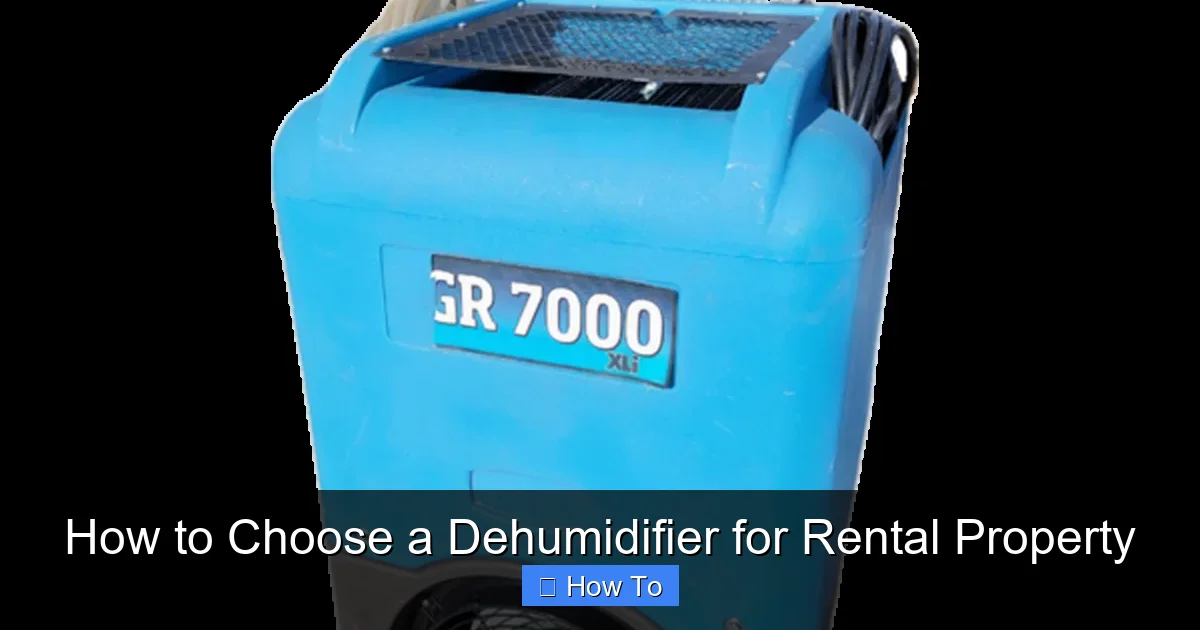
Visual guide about How to Choose a Dehumidifier for Rental Property
Image source: larestorationrentals.com
Additionally, excess moisture can cause wood to swell, paint to peel, and metal fixtures to rust. Over time, these issues can lead to costly repairs and even legal liabilities if tenants report health concerns. A dehumidifier helps maintain a healthy indoor humidity level—ideally between 30% and 50%—preventing these problems before they start.
For landlords, installing a dehumidifier is a proactive investment. It reduces long-term maintenance costs, extends the life of appliances and finishes, and improves tenant satisfaction. Plus, a well-maintained property is easier to rent and can command higher rental rates.
Step 2: Determine the Right Size and Capacity
One of the most common mistakes when choosing a dehumidifier is selecting one that’s too small or too large for the space. To get it right, you need to consider two key factors: the square footage of the area and the level of humidity.
Calculate the Square Footage
Start by measuring the room or area where the dehumidifier will be used. Multiply the length by the width to get the total square footage. For example, a basement that’s 20 feet by 30 feet equals 600 square feet.
Assess the Humidity Level
Next, determine how damp the space is. You can do this with a hygrometer (a small, inexpensive device that measures humidity) or by observing signs like condensation on windows, musty smells, or visible mold.
Humidity levels are typically categorized as:
- Moderately damp: Slightly musty smell, occasional condensation.
- Very damp: Noticeable moisture, damp spots, frequent condensation.
- Wet: Standing water, frequent mold, strong odor.
- Extremely wet: Flooding, severe mold, structural damage.
Match Capacity to Conditions
Dehumidifiers are rated by how many pints of moisture they can remove in 24 hours (PPD). Here’s a general guide:
- 10–20 PPD: Small spaces (under 500 sq ft), slightly damp areas.
- 20–30 PPD: Medium spaces (500–1,000 sq ft), moderately damp.
- 30–50 PPD: Large spaces (1,000–2,000 sq ft), very damp or wet.
- 50+ PPD: Extra-large or extremely wet areas (basements, crawl spaces).
For example, a 700-square-foot basement with a musty smell and occasional damp spots would likely need a 30-PPD unit. Always round up if you’re between sizes—better to have a little extra capacity than not enough.
Step 3: Choose the Right Type of Dehumidifier
There are two main types of dehumidifiers: refrigerant (compressor) and desiccant. Each has its pros and cons, and the best choice depends on your climate and the specific needs of your rental property.
Refrigerant (Compressor) Dehumidifiers
These are the most common type and work by pulling air over cold coils, causing moisture to condense and drip into a tank. They’re highly effective in warm, humid environments (above 60°F) and are generally more energy-efficient.
Best for: Basements, living areas, and climates with warm summers.
Pros: High capacity, energy-efficient, affordable.
Cons: Less effective in cold temperatures, can be noisy.
Desiccant Dehumidifiers
These use a moisture-absorbing material (like silica gel) to pull water from the air. They work well in colder environments and are often quieter than compressor models.
Best for: Crawl spaces, garages, and cold climates.
Pros: Effective in low temperatures, quiet operation.
Cons: Lower capacity, higher energy use, more expensive.
For most rental properties, a refrigerant dehumidifier is the best choice—especially if it’s for a basement or main living area. However, if you’re dealing with a cold, unheated space like a garage or crawl space, a desiccant model may be more appropriate.
Step 4: Prioritize Quiet Operation
Noise level is a critical factor in rental properties. A loud dehumidifier can be a major annoyance for tenants, leading them to turn it off or avoid using it altogether—defeating the purpose of having one.
Dehumidifiers are measured in decibels (dB). Here’s a quick reference:
- Under 45 dB: Very quiet—like a whisper or quiet library.
- 45–50 dB: Quiet—comparable to a refrigerator hum.
- 50–55 dB: Moderate—like a normal conversation.
- Over 55 dB: Noticeably loud—may disturb sleep or relaxation.
For bedrooms, living rooms, or apartments, aim for a model under 50 dB. Many manufacturers list noise levels in the product specifications. Look for units with “quiet mode” or “low-noise operation” features.
Some top quiet models include the hOmeLabs 4,500 Sq. Ft Dehumidifier (48 dB) and the Frigidaire FFAD7033R1 (49 dB). These are powerful yet quiet enough for daily use without disturbing tenants.
Step 5: Look for Smart Features and Automation
Modern dehumidifiers come with a range of features that make them easier to use and more efficient. As a landlord, these features can reduce tenant complaints and maintenance calls.
Built-in Humidistat
A humidistat allows the dehumidifier to monitor and maintain a specific humidity level. Once the target is reached, the unit automatically turns off, saving energy and preventing over-drying.
Auto Shut-Off and Full Tank Alert
When the water tank is full, the dehumidifier should automatically shut off and alert the user (via a light or alarm). This prevents overflows and water damage—especially important if tenants forget to empty the tank.
Continuous Drainage Option
For basements or areas where emptying a tank is inconvenient, look for a model with a continuous drainage hose connection. You can attach a garden hose to drain water directly into a floor drain or sump pump, eliminating the need for manual emptying.
Timer and Remote Control
A built-in timer lets tenants set the dehumidifier to run at specific times (e.g., during off-peak hours). Remote controls add convenience, especially for units placed in hard-to-reach areas.
ENERGY STAR Certification
ENERGY STAR-rated dehumidifiers use up to 15% less energy than standard models. This not only lowers electricity costs but also appeals to eco-conscious tenants. Look for the blue ENERGY STAR label when shopping.
Step 6: Consider Portability and Placement
Rental properties often have multiple units or areas that may need dehumidification. A portable unit gives you flexibility to move it where it’s needed most.
Wheels and Handles
Choose a model with built-in caster wheels and a sturdy handle. This makes it easy to roll from one room to another or transport between properties.
Compact Design
A sleek, space-saving design is ideal for small apartments or closets. Avoid bulky models that are hard to store or obstruct walkways.
Placement Tips
Place the dehumidifier in the most humid area—typically the basement, bathroom, or laundry room. Keep it at least 6 inches away from walls and furniture to ensure proper airflow. Avoid placing it near heat sources like furnaces or dryers.
For multi-unit buildings, consider installing a permanent dehumidification system in common areas or basements. However, for individual units, a portable model is usually more practical.
Step 7: Evaluate Energy Efficiency and Operating Costs
While the upfront cost of a dehumidifier is important, don’t overlook long-term operating expenses. A cheaper model may cost more in electricity over time.
Check the Energy Factor
The energy factor (liters of water removed per kilowatt-hour of electricity) indicates efficiency. Higher numbers mean better efficiency. For example, a unit with an energy factor of 2.0 removes 2 liters of water per kWh.
Estimate Monthly Costs
To calculate operating cost, multiply the wattage by the number of hours used per day, then by your electricity rate. For example:
- 500-watt dehumidifier × 8 hours/day = 4 kWh/day
- 4 kWh × $0.12/kWh = $0.48/day
- $0.48 × 30 = $14.40/month
ENERGY STAR models typically use 10–15% less energy, saving you $2–$3 per month. Over a year, that adds up—especially if you manage multiple units.
Step 8: Choose a Reliable Brand and Warranty
Not all dehumidifiers are created equal. Investing in a reputable brand with a solid warranty can save you from frequent repairs and replacements.
Top Brands to Consider
- Frigidaire: Known for reliability and quiet operation.
- hOmeLabs: Offers high-capacity, user-friendly models.
- GE: Durable and energy-efficient.
- Keeps: Sleek design with smart features.
- Eva-Dry: Great for small spaces and portable use.
Warranty and Support
Look for a warranty of at least one year, with some brands offering up to three years. Check if the company provides customer support and easy access to replacement parts.
Avoid ultra-cheap models from unknown brands. They may save you money upfront but often fail within a year, leading to tenant complaints and replacement costs.
Step 9: Communicate with Tenants
Even the best dehumidifier won’t work if tenants don’t use it properly. Clear communication is key to ensuring long-term success.
Provide a User Guide
Include a simple instruction sheet with the dehumidifier. Cover topics like:
- How to set the humidity level
- How often to empty the tank
- When to use continuous drainage
- Basic troubleshooting (e.g., “If the unit isn’t collecting water, check the filter”)
Set Expectations
Let tenants know that the dehumidifier is there to protect the property and their health. Encourage them to run it regularly, especially during humid months or after showers.
Schedule Maintenance
Include dehumidifier maintenance in your regular property inspections. Clean the filter, check for mold, and ensure the unit is functioning properly.
Troubleshooting Common Issues
Even with the best setup, problems can arise. Here’s how to handle common issues:
Dehumidifier Isn’t Collecting Water
- Check the humidity setting—it may be set too low.
- Ensure the room isn’t too cold (below 60°F for refrigerant models).
- Clean or replace the air filter.
- Make sure the unit isn’t blocked by furniture or walls.
Unit Is Too Noisy
- Place it on a flat, stable surface to reduce vibration.
- Check for loose parts or debris in the fan.
- Consider moving it to a less sensitive area (e.g., away from bedrooms).
Water Tank Keeps Overflowing
- Empty the tank more frequently.
- Switch to continuous drainage if available.
- Check that the auto shut-off sensor is working.
Ice Builds Up on Coils
- This usually happens in cold environments.
- Turn off the unit and let it defrost.
- Consider a desiccant model for colder spaces.
Conclusion
Choosing the right dehumidifier for your rental property is a smart investment in both tenant satisfaction and long-term property value. By focusing on the right size, quiet operation, smart features, and energy efficiency, you can prevent mold, reduce maintenance costs, and create a healthier living environment.
Remember, the best dehumidifier is one that tenants will actually use. Prioritize ease of use, low noise, and automation to ensure it stays running. And don’t forget to communicate clearly with your tenants—education is just as important as the equipment itself.
With the tips in this guide, you’re well-equipped to make an informed decision. Whether you’re managing a single-family home or a multi-unit complex, the right dehumidifier can make a big difference in the comfort, safety, and longevity of your rental property.