
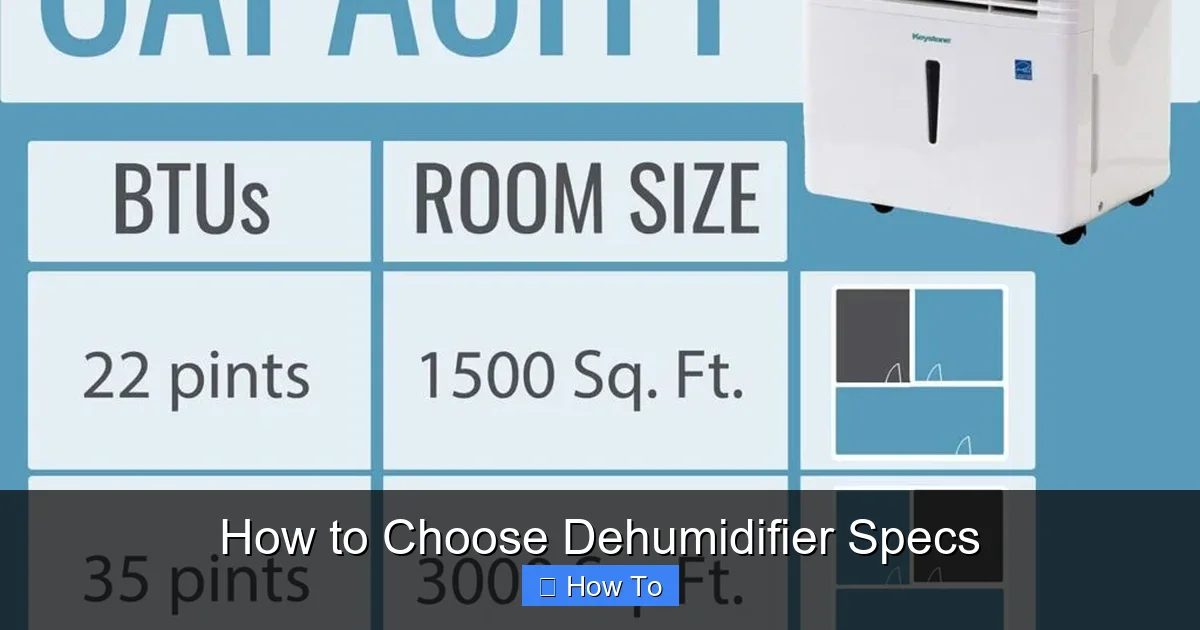
Choosing the right dehumidifier starts with understanding key specs like capacity, room size, and energy efficiency. This guide walks you through every step to pick a model that effectively controls moisture, prevents mold, and saves on energy costs.
Quick Answers to Common Questions
What’s the best dehumidifier capacity for a 1,000 sq. ft. basement?
A 50–70 pint dehumidifier is ideal for a 1,000 sq. ft. basement, especially if humidity is moderate to high. Choose a 70-pint model if you see mold or standing water.
Should I buy a dehumidifier with a built-in pump?
Yes, if you’re using continuous drainage and the drain is above the unit. A built-in pump pushes water upward, making drainage easier in basements or crawl spaces.
Can I use a dehumidifier in winter?
Only if the room stays above 65°F. Most refrigerant dehumidifiers won’t work in cold temperatures. Consider a desiccant model for unheated spaces.
How often should I clean the filter?
Clean the air filter every 2–4 weeks during heavy use. A dirty filter reduces efficiency and can cause the unit to overheat.
Is a higher pint rating always better?
Not necessarily. A unit that’s too large may short-cycle, wasting energy and reducing lifespan. Match the capacity to your space and humidity level.
How to Choose Dehumidifier Specs: A Complete Step-by-Step Guide
If you’ve ever walked into a damp basement and felt that musty smell, you know how uncomfortable and unhealthy excess moisture can be. High humidity doesn’t just feel sticky—it can lead to mold, mildew, dust mites, and even structural damage over time. That’s where a dehumidifier comes in. But with so many models on the market, how do you choose the right one? The answer lies in understanding dehumidifier specs.
In this guide, we’ll walk you through everything you need to know to choose dehumidifier specs that match your home’s needs. Whether you’re dealing with a small bathroom or a sprawling basement, we’ll help you pick a unit that’s powerful enough to do the job, energy-efficient, and packed with the right features. By the end, you’ll be confident in your purchase and ready to enjoy a healthier, more comfortable living space.
Step 1: Determine the Size of the Space
The first and most important step in choosing dehumidifier specs is figuring out the size of the area you want to dehumidify. A unit that’s too small won’t effectively remove moisture, while one that’s too large may cycle on and off too frequently, wasting energy and wearing out faster.
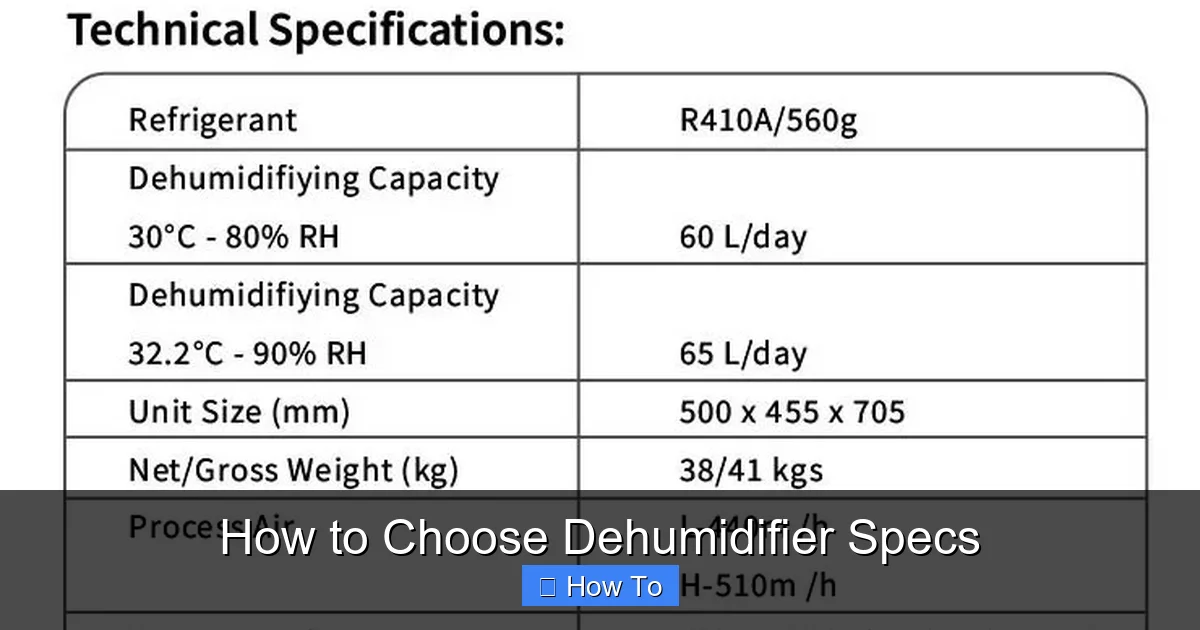
Visual guide about How to Choose Dehumidifier Specs
Image source: images.squarespace-cdn.com
Measure the Square Footage
Start by measuring the length and width of the room in feet. Multiply these two numbers to get the total square footage. For example, a basement that’s 20 feet by 30 feet equals 600 square feet.
Consider the Room’s Use and Layout
Not all rooms are created equal. A basement with poor ventilation will need more dehumidifying power than a well-ventilated bedroom, even if they’re the same size. Also, consider whether the space is open or divided into smaller rooms. Open floor plans allow air to circulate more freely, which can help the dehumidifier work more efficiently.
Account for Ceiling Height
Most dehumidifiers are rated based on standard 8-foot ceilings. If your ceilings are higher—say, 10 feet—you’ll need a more powerful unit to handle the increased air volume. As a rule of thumb, add 10–15% to your required capacity for every foot above 8 feet.
Step 2: Assess the Humidity Level
Not all damp spaces are the same. The level of humidity in your home will directly affect the type of dehumidifier you need. Ignoring this can lead to underperformance or unnecessary expense.
Use a Hygrometer to Measure Humidity
A hygrometer is a small, inexpensive device that measures relative humidity (RH). You can find digital models for under $20 at hardware stores or online. Aim for a reading between 30% and 50% RH—this is the ideal range for comfort and health.
Classify the Moisture Problem
Based on your hygrometer reading and visual inspection, classify the humidity level:
- Mild (30–50% RH): Slight dampness, occasional musty smell. A small dehumidifier may suffice.
- Moderate (50–60% RH): Noticeable dampness, possible condensation on windows. A mid-sized unit is recommended.
- Severe (60%+ RH): Standing water, mold growth, strong odor. You’ll need a high-capacity, heavy-duty dehumidifier.
Consider Environmental Factors
Homes in humid climates (like the Southeast U.S. or coastal regions) naturally have higher moisture levels. Similarly, homes with poor insulation, leaky foundations, or frequent flooding will need more robust dehumidification. If you’ve had water damage in the past, invest in a stronger unit to prevent future issues.
Step 3: Understand Dehumidifier Capacity (Pint Ratings)
Dehumidifier capacity is measured in pints per day—the amount of moisture the unit can remove in 24 hours. This is one of the most critical dehumidifier specs to get right.
What Do Pint Ratings Mean?
A 30-pint dehumidifier can remove 30 pints of water from the air in a day under standard test conditions. But here’s the catch: manufacturers often test under ideal lab conditions (80°F and 60% RH), which may not reflect your real-world environment.
Use AHAM Ratings for Accuracy
Look for the AHAM (Association of Home Appliance Manufacturers) certified rating on the product label. This ensures the pint rating is based on standardized testing and is more reliable than manufacturer claims alone. Always compare AHAM ratings when shopping.
Match Capacity to Room Size and Humidity
Here’s a general guideline based on AHAM standards:
- Small rooms (up to 500 sq. ft.): 20–30 pints/day for mild humidity; 30–50 pints for moderate to severe.
- Medium rooms (500–1,500 sq. ft.): 30–50 pints for mild; 50–70 pints for moderate to severe.
- Large spaces (1,500+ sq. ft.): 50–70+ pints, depending on humidity level.
For example, a 1,000-square-foot basement with visible mold and a hygrometer reading of 65% RH would need a 70-pint dehumidifier or higher.
Step 4: Check Energy Efficiency
Dehumidifiers run for hours each day, so energy efficiency is a big deal—both for your wallet and the environment. A more efficient unit can save you hundreds of dollars over its lifetime.
Look for ENERGY STAR Certification
ENERGY STAR® certified dehumidifiers use 15–30% less energy than standard models. They meet strict efficiency guidelines set by the U.S. Environmental Protection Agency. Over time, this can translate to significant savings on your electricity bill.
Check the Energy Factor (L/kWh)
The Energy Factor tells you how many liters of water the unit removes per kilowatt-hour of electricity used. Higher is better. For example:
- A unit with an Energy Factor of 1.5 removes 1.5 liters per kWh.
- A unit with 2.0 removes 2.0 liters—33% more efficient.
ENERGY STAR models typically have an Energy Factor of 1.75 or higher.
Consider Operating Costs
To estimate annual energy costs, use this formula:
Daily runtime (hours) × Wattage ÷ 1,000 × Electricity rate ($/kWh) × 365
For example, a 300-watt dehumidifier running 10 hours a day at $0.12/kWh would cost about $131 per year. An ENERGY STAR model using 200 watts would cost around $87—saving you $44 annually.
Step 5: Evaluate Key Features and Functions
Beyond capacity and efficiency, the features of a dehumidifier can make a big difference in convenience, performance, and maintenance. Here’s what to look for.
Humidistat and Auto Mode
A built-in humidistat lets you set your desired humidity level (e.g., 45%). The dehumidifier will automatically turn on and off to maintain that level. This prevents over-drying and saves energy. Look for models with digital displays for precise control.
Continuous Drainage Option
Most dehumidifiers have a water tank that needs to be emptied manually—usually every 12–24 hours. If you don’t want to deal with this, choose a model with a continuous drainage hose hookup. You can run a hose to a floor drain, sump pump, or out a window. This is especially useful in basements or crawl spaces.
Auto-Restart and Timer
Power outages happen. An auto-restart feature ensures your dehumidifier turns back on at the last setting when power returns. A timer lets you schedule operation—great for running the unit during off-peak hours to save on electricity.
Air Filtration
Many dehumidifiers include washable or replaceable air filters that trap dust, allergens, and mold spores. Look for models with HEPA or activated carbon filters if you have allergies or asthma. Regular filter cleaning (every 2–4 weeks) maintains airflow and efficiency.
Noise Level
Dehumidifiers can be noisy, especially in living areas. Check the decibel (dB) rating—ideally under 50 dB for quiet operation. For comparison, a whisper is about 30 dB, normal conversation is 60 dB. Some models have “quiet” or “sleep” modes that reduce fan speed and noise.
Portability and Design
If you plan to move the unit between rooms, look for built-in handles, caster wheels, and a compact design. Top-mounted controls and a front-loading water tank make operation easier. Avoid models with tanks that require awkward bending to remove.
Step 6: Consider Maintenance and Durability
A dehumidifier is a long-term investment. Choosing one that’s easy to maintain and built to last will save you time and money down the road.
Filter Access and Cleaning
Check how easy it is to access and clean the air filter. Slide-out or front-loading filters are best. Some models have filter change indicators that alert you when it’s time to clean or replace the filter.
Water Tank Design
A larger tank (2–3 gallons) means less frequent emptying. Look for a tank with a handle, spill-proof design, and a full-tank alert. Some units have a float switch that automatically shuts off the unit when the tank is full.
Build Quality and Warranty
Metal components and sealed compressors tend to last longer than plastic parts. Check the warranty—most reputable brands offer 1–2 years, with some covering compressors for up to 5 years. Read customer reviews to gauge reliability.
Defrost Function
If you live in a cold climate or plan to use the dehumidifier in an unheated space (like a garage), choose a model with an auto-defrost feature. This prevents the coils from freezing and shutting down the unit.
Step 7: Compare Brands and Read Reviews
Once you’ve narrowed down your specs, it’s time to compare models. Don’t just go for the cheapest option—look for a balance of performance, features, and reliability.
Top Brands to Consider
Some of the most trusted dehumidifier brands include:
- Frigidaire: Known for reliability and energy efficiency.
- hOmeLabs: Offers high-capacity models with smart features.
- GE: Wide range of sizes and price points.
- Keeps: Compact, stylish units for small spaces.
- Eva-Dry: Specializes in small, portable dehumidifiers.
Read Customer Reviews
Look for reviews that mention real-world performance, noise level, and ease of use. Pay attention to comments about durability and customer service. Sites like Amazon, Home Depot, and Consumer Reports are great resources.
Check Return and Warranty Policies
Make sure the retailer offers a reasonable return window (at least 30 days) in case the unit doesn’t meet your needs. Also, verify that the warranty covers both parts and labor.
Troubleshooting Common Issues
Even the best dehumidifier can run into problems. Here’s how to handle common issues:
Unit Isn’t Removing Moisture
- Check the humidistat setting—it may be set too high.
- Ensure the room is sealed (close windows and doors).
- Clean the air filter—clogged filters reduce airflow.
- Verify the room temperature is above 65°F (most units don’t work well in cold spaces).
Water Tank Fills Too Quickly
- The humidity level may be higher than expected—consider a larger unit.
- Check for leaks or poor ventilation contributing to moisture.
- Use continuous drainage if manual emptying is impractical.
Unit Is Too Noisy
- Place the dehumidifier on a flat, stable surface to reduce vibration.
- Ensure it’s not touching walls or furniture.
- Check for loose parts or debris in the fan.
Compressor Won’t Start
- Wait 3–5 minutes—most units have a compressor delay to prevent damage.
- Check the power cord and outlet.
- Ensure the tank isn’t full (float switch may have shut it off).
Conclusion
Choosing the right dehumidifier doesn’t have to be overwhelming. By focusing on key dehumidifier specs—like capacity, room size, humidity level, energy efficiency, and features—you can find a model that keeps your home dry, healthy, and comfortable. Start by measuring your space and assessing moisture levels, then match those needs to a unit with the right pint rating and AHAM certification. Don’t forget to prioritize ENERGY STAR efficiency, quiet operation, and smart features like auto-humidistats and continuous drainage.
Remember, a dehumidifier is an investment in your home’s air quality and structural integrity. Taking the time to choose wisely will pay off in lower energy bills, fewer mold problems, and a more pleasant living environment. With this guide, you’re now equipped to make an informed decision and breathe easier—literally.