
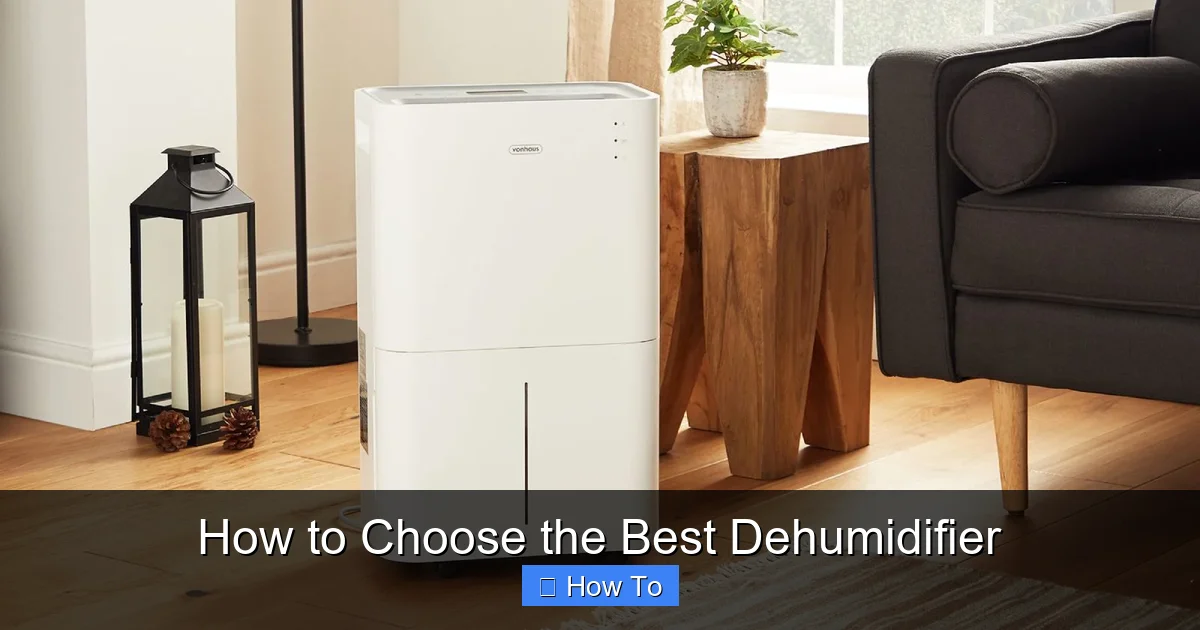
Choosing the best dehumidifier doesn’t have to be overwhelming. This guide walks you through key factors like room size, humidity levels, and energy efficiency so you can make a smart, informed decision. Whether you’re tackling damp basements or musty bathrooms, we’ll help you find the perfect fit.
Quick Answers to Common Questions
What size dehumidifier do I need for a 1,000 sq. ft. basement?
For a 1,000 sq. ft. basement with moderate dampness, a 50-pint dehumidifier is ideal. If the space is very wet or prone to flooding, consider a 70-pint model.
Can I run a dehumidifier all the time?
Yes, but it’s more efficient to use an auto-humidistat. Set it to 45–50% and let the unit cycle on and off as needed.
Do dehumidifiers use a lot of electricity?
They can, but ENERGY STAR models are much more efficient. Look for units with high energy factor ratings to save on bills.
Should I get a dehumidifier with a built-in pump?
If you’re using continuous drainage and the drain is below the unit, a built-in pump helps push water upward. It’s worth the extra cost for basements.
How often should I clean my dehumidifier?
Clean the filter monthly and the water tank every few months. Wipe the exterior and coils as needed to maintain performance.
How to Choose the Best Dehumidifier: A Complete Step-by-Step Guide
Is your basement feeling damp? Are you noticing mold on the walls or a musty smell in the air? High humidity doesn’t just feel uncomfortable—it can damage your home and affect your health. The solution? A good dehumidifier. But with so many models on the market, how do you choose the best dehumidifier for your needs?
In this guide, we’ll walk you through everything you need to know to pick the right dehumidifier. You’ll learn how to assess your space, understand different types of units, compare key features, and avoid common mistakes. By the end, you’ll feel confident choosing a dehumidifier that keeps your home dry, healthy, and energy-efficient.
Step 1: Assess Your Space and Humidity Level
Before you start shopping, take a close look at the area where you plan to use the dehumidifier. Not all spaces are the same, and the right unit depends on both size and moisture level.
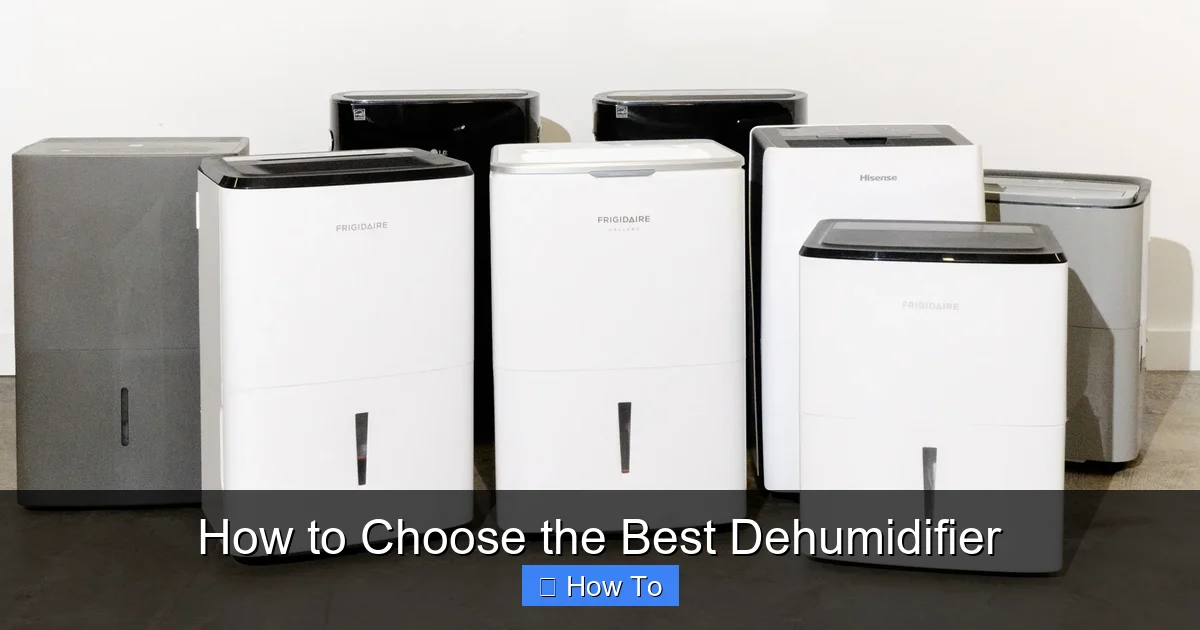
Visual guide about How to Choose the Best Dehumidifier
Image source: cdn.thewirecutter.com
Measure the Square Footage
The first step is to measure the room or area where you’ll place the dehumidifier. Most manufacturers recommend units based on square footage. For example:
- Up to 500 sq. ft.: Small dehumidifiers (15–25 pints per day)
- 500–1,500 sq. ft.: Medium units (25–50 pints per day)
- 1,500+ sq. ft.: Large or whole-house models (50+ pints per day)
If you’re treating a basement, measure the entire floor area. For a bathroom or closet, a smaller unit may suffice. Don’t forget to include any connected spaces like laundry rooms or crawl spaces.
Check the Humidity Level
Use a hygrometer (a small, inexpensive device that measures humidity) to check the moisture level in your space. Ideal indoor humidity is between 30% and 50%. Here’s how humidity affects your choice:
- Moderately damp (50–60% humidity): A standard dehumidifier works well.
- Very damp or wet (60–70%+ humidity): Look for a high-capacity unit with strong moisture removal.
- Severely wet (standing water, flooding): You may need a commercial-grade dehumidifier or professional remediation first.
For example, a basement in a rainy climate might need a 70-pint unit, while a small bathroom in a dry area could get by with a 15-pint model.
Consider the Room’s Use
Think about how the space is used. A bedroom or living room needs a quieter unit, while a garage or basement can handle louder operation. Also, consider temperature:
- Cold spaces (below 65°F): Choose a low-temperature dehumidifier or one with an auto-defrost feature.
- Warm, humid areas (like a Florida bathroom): A standard refrigerant model works well.
Step 2: Choose the Right Type of Dehumidifier
Not all dehumidifiers work the same way. Understanding the types helps you pick one that fits your environment and needs.
Refrigerant (Compressor) Dehumidifiers
These are the most common type. They use a compressor and cooling coils to pull moisture from the air. The air passes over cold coils, causing water to condense and collect in a tank.
- Best for: Warm, humid climates (above 65°F)
- Pros: Affordable, effective in typical home conditions
- Cons: Less efficient in cold temperatures, can be noisy
Great for basements, laundry rooms, and living areas in most homes.
Desiccant Dehumidifiers
These use a moisture-absorbing material (like silica gel) to pull water from the air. They don’t rely on cooling, so they work well in cold environments.
- Best for: Cold spaces like garages, crawl spaces, or RVs
- Pros: Quiet, effective in low temperatures, lightweight
- Cons: Less efficient in high humidity, higher energy use
Ideal if you live in a colder climate or need a portable unit for a chilly area.
Whole-House Dehumidifiers
These are built into your HVAC system and treat the entire home. They’re more expensive but offer consistent humidity control.
- Best for: Large homes, high humidity, or allergy sufferers
- Pros: Covers entire house, low maintenance, energy-efficient over time
- Cons: Higher upfront cost, requires professional installation
If you have a large home or chronic moisture issues, this could be a smart long-term investment.
Mini or Portable Dehumidifiers
Small, compact units designed for closets, RVs, or small bathrooms. They’re not powerful but are great for spot treatment.
- Best for: Small spaces, travel, or temporary use
- Pros: Affordable, easy to move, low energy use
- Cons: Limited capacity, frequent emptying
Perfect for a damp closet or a vacation cabin.
Step 3: Look at Capacity and Performance
Dehumidifier capacity is measured in pints per day—the amount of moisture it can remove in 24 hours. But bigger isn’t always better.
Match Capacity to Your Needs
Use this general guide based on room size and humidity:
- 15–25 pints: Small bathrooms, closets, or RVs (up to 500 sq. ft.)
- 30–50 pints: Average basements or living areas (500–1,500 sq. ft.)
- 50–70 pints: Large basements, crawl spaces, or very damp areas
- 70+ pints: Commercial spaces or severe moisture problems
For example, a 50-pint unit can handle a 1,000 sq. ft. basement with moderate dampness. But if your basement floods after rain, you might need a 70-pint model.
Check the AHAM Rating
The Association of Home Appliance Manufacturers (AHAM) tests dehumidifiers under standard conditions (80°F, 60% humidity). Look for the AHAM seal—it ensures the listed capacity is accurate.
Some manufacturers advertise “real-world” capacity, which can be misleading. Always compare AHAM-rated pints for fair comparisons.
Consider Energy Efficiency
Dehumidifiers run for hours, so energy use matters. Look for the ENERGY STAR label. These models use 15–30% less energy than standard units.
- Energy Factor (L/kWh): Higher numbers mean better efficiency. Aim for at least 1.5 L/kWh.
- Annual Energy Cost: Check the label for estimated yearly cost (usually $50–$150).
An ENERGY STAR model might cost more upfront but saves money over time.
Step 4: Evaluate Key Features
The best dehumidifier isn’t just about capacity—it’s about convenience and usability. Here are features to look for.
Auto-Humidistat
This sensor monitors humidity and turns the unit on/off to maintain your desired level. No more guessing or constant adjustments.
- Why it matters: Saves energy and keeps humidity stable
- Tip: Set it to 45–50% for comfort and mold prevention
Continuous Drainage Option
Instead of emptying a tank, you can attach a hose to drain water directly into a floor drain or sump pump.
- Best for: Basements, unattended areas, or heavy moisture
- Tip: Make sure the hose outlet is accessible and the unit has a built-in pump if needed
Washable or Reusable Filter
A clean filter improves air quality and efficiency. Look for a washable filter you can rinse monthly.
- Why it matters: Reduces allergens and extends motor life
- Tip: Check the filter size and availability for replacements
Auto-Restart and Defrost
If the power goes out, auto-restart turns the unit back on. Auto-defrost prevents ice buildup in cold temperatures.
- Why it matters: Protects the unit and ensures continuous operation
- Tip: Essential for basements in winter or areas with power outages
Noise Level
Dehumidifiers can be noisy. Look for decibel (dB) ratings:
- Under 50 dB: Quiet—good for bedrooms
- 50–55 dB: Moderate—like a quiet conversation
- Over 55 dB: Noticeable—better for basements or garages
Check reviews for real-world noise feedback—specs don’t always tell the whole story.
Portability and Design
Wheels, handles, and compact size make moving the unit easier. Some models have top-mounted controls or digital displays.
- Tip: Choose a model with front-loading tanks for easier emptying
- Bonus: Some units double as air purifiers with HEPA filters
Step 5: Set a Budget and Compare Brands
Dehumidifiers range from $100 to $1,000+. Set a budget based on your needs.
Budget Options ($100–$200)
Great for small spaces or occasional use. Look for basic models from brands like hOmeLabs, Eva-Dry, or Pro Breeze. They may lack advanced features but work well for closets or bathrooms.
Mid-Range ($200–$400)
Best value for most homes. Brands like Frigidaire, GE, and Tosot offer reliable performance, good capacity, and useful features like auto-humidistats and continuous drainage.
High-End ($400+)
For large homes or severe moisture. Look at Santa Fe, AprilAire, or Dri-Eaz. These include whole-house integration, smart controls, and superior build quality.
Compare Warranties and Support
A good warranty shows the manufacturer stands behind the product. Aim for at least 1–2 years. Some brands offer extended coverage or free replacements.
- Tip: Read customer reviews for reliability and customer service
- Bonus: Some retailers offer price matching or free returns
Step 6: Install and Maintain Your Dehumidifier
Even the best dehumidifier won’t work well if it’s not set up or maintained properly.
Placement Tips
- Place the unit on a flat, stable surface
- Keep it at least 6–12 inches away from walls for airflow
- Avoid placing near heat sources or in direct sunlight
- In basements, position near the source of moisture (like a sump pump)
Regular Maintenance
- Empty the tank: When full, or set up continuous drainage
- Clean the filter: Rinse monthly with water
- Wipe the coils: Use a soft brush or vacuum to remove dust
- Check for mold: Clean the tank with vinegar or mild bleach solution
Troubleshooting Common Issues
- Unit won’t turn on: Check power cord, outlet, and settings
- Not removing moisture: Clean filter, check for ice buildup, or increase runtime
- Leaking water: Ensure the tank is seated properly or the drain hose is clear
- Loud noise: Check for loose parts or debris in the fan
Conclusion
Choosing the best dehumidifier doesn’t have to be complicated. Start by assessing your space and humidity level, then pick the right type and capacity. Focus on energy efficiency, key features, and ease of maintenance. With the right unit, you’ll enjoy a drier, healthier home and avoid costly mold damage.
Remember: the best dehumidifier is the one that fits your specific needs. Don’t overspend on features you won’t use, but don’t skimp on capacity or quality. Take your time, compare models, and read reviews. Your home—and your lungs—will thank you.