

Cleaning your dehumidifier’s filter regularly is essential for optimal performance and air quality. This guide walks you through the process safely and effectively, helping you maintain your unit like a pro.
Quick Answers to Common Questions
Tip/Question?
Can I clean my dehumidifier filter with a vacuum only?
Yes, vacuuming removes surface dust and is a good first step, but it won’t clean deep-seated grime. For a thorough clean, washing with mild soap and water is recommended every few weeks.
Tip/Question?
How do I know if my filter needs replacing instead of cleaning?
If the filter is torn, brittle, or has a strong odor that won’t go away after cleaning, it’s time to replace it. Most filters last 6–12 months with regular use.
Tip/Question?
Can I use bleach to clean the filter?
No, bleach can damage the filter material and leave harmful residues. Stick to mild soap and water or a vinegar solution for safe, effective cleaning.
Tip/Question?
What if my dehumidifier doesn’t have a removable filter?
Some compact models have fixed filters. In that case, gently vacuum the exterior grille and consult the manual—some allow access through a service panel.
Tip/Question?
Should I clean the filter if I only use the dehumidifier occasionally?
Yes, even occasional use allows dust to accumulate. Clean the filter at least once a month to maintain performance and air quality.
Why Cleaning Your Dehumidifier Filter Matters
If you’ve ever noticed your dehumidifier isn’t pulling moisture from the air like it used to, or if it’s making strange noises, the culprit might be a dirty filter. Just like your HVAC system or vacuum cleaner, your dehumidifier relies on a clean filter to function properly. Over time, dust, pet dander, mold spores, and other airborne particles build up on the filter, restricting airflow and reducing efficiency.
A clogged filter forces the dehumidifier to work harder, which can lead to higher energy bills, overheating, and even premature motor failure. Worse, a dirty filter can circulate contaminated air back into your home, defeating the purpose of using a dehumidifier in the first place. That’s why learning how to clean a filter in a dehumidifier isn’t just a good idea—it’s essential for both performance and indoor air quality.
In this comprehensive guide, you’ll learn everything you need to know about cleaning your dehumidifier filter safely and effectively. We’ll cover why it’s important, how often to do it, step-by-step instructions for different filter types, troubleshooting tips, and how to maintain your unit for long-term reliability. Whether you’re a first-time dehumidifier owner or just need a refresher, this guide will help you keep your machine running smoothly.
How Often Should You Clean the Filter?
The frequency of cleaning depends on several factors, including how often you use your dehumidifier, the humidity level in your home, and whether you have pets or allergies. As a general rule, clean the filter every 2 to 4 weeks during heavy use (like during summer or in damp basements). If you only run your dehumidifier occasionally, you can stretch it to once a month.
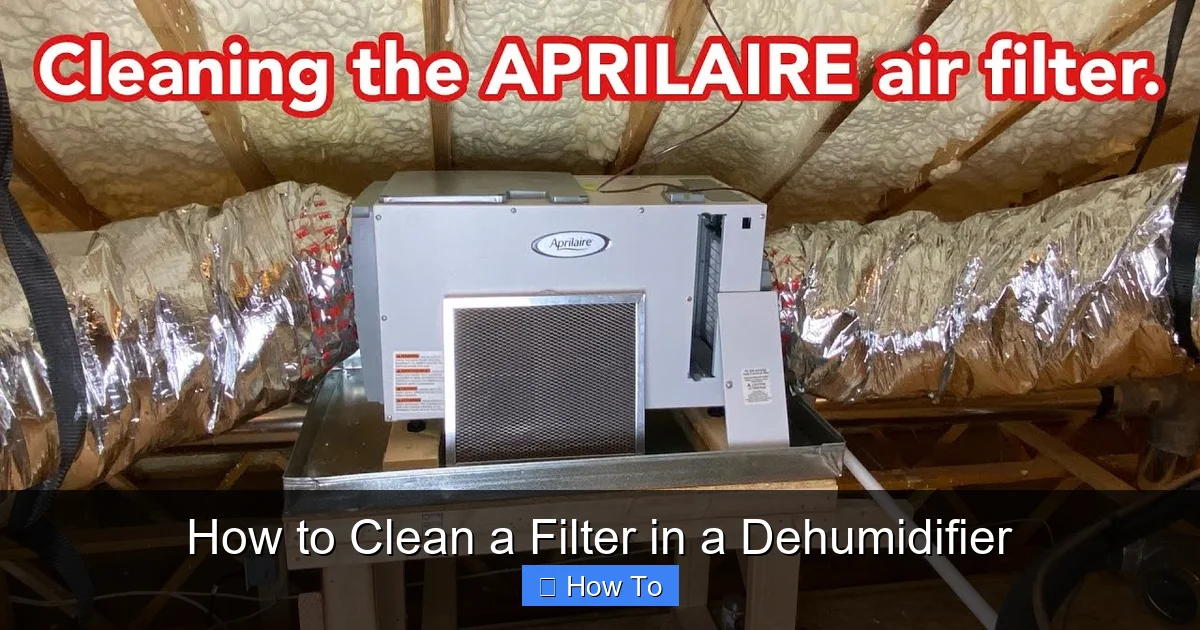
Visual guide about How to Clean a Filter in a Dehumidifier
Image source: i.ytimg.com
However, it’s smart to check the filter more frequently if:
- You live in a high-humidity climate (above 60% relative humidity)
- You have pets that shed fur or dander
- You notice reduced airflow or musty odors
- Your dehumidifier runs continuously
Some modern dehumidifiers come with a filter indicator light that alerts you when it’s time to clean or replace the filter. If yours has one, follow that signal. Otherwise, make it a habit to inspect the filter monthly. A quick visual check can save you from bigger problems down the road.
What You’ll Need to Clean the Filter
Before you begin, gather these supplies to make the process quick and hassle-free:
- Soft-bristled brush (like an old toothbrush)
- Mild dish soap or a gentle cleaning solution
- Clean, lukewarm water
- Microfiber cloth or soft towel
- Vacuum cleaner with a brush attachment (optional)
- Replacement filter (if needed)
Avoid using harsh chemicals, bleach, or abrasive cleaners. These can damage the filter material and leave behind residues that affect air quality. Stick to mild soap and water for the safest, most effective clean.
Step-by-Step Guide: How to Clean a Filter in a Dehumidifier
Step 1: Turn Off and Unplug the Dehumidifier
Safety first! Always turn off your dehumidifier and unplug it from the electrical outlet before cleaning. This prevents accidental startup and reduces the risk of electric shock. Even if the unit appears off, it could still be drawing power. Unplugging ensures you’re working safely.
Let the dehumidifier sit for at least 10–15 minutes after unplugging. This allows internal components to cool down, especially if the unit has been running recently. Hot coils or motors can cause burns or damage if touched too soon.
Step 2: Locate the Filter
Most dehumidifiers have a removable filter located behind a front or side grille. Look for a panel or cover with small vents or slots. Some models have a latch or button you press to release the cover, while others require you to gently pull or slide it off.
Consult your owner’s manual if you’re unsure where the filter is. Filters are typically found near the air intake—the part of the unit that draws in moist air. Once you’ve removed the cover, you should see the filter nestled in a plastic frame.
Step 3: Remove the Filter
Gently pull the filter out of its housing. Most filters slide out easily, but some may have clips or tabs holding them in place. Be careful not to bend or tear the filter material, especially if it’s made of delicate mesh or foam.
If the filter is stuck, don’t force it. Check for hidden clips or screws. Some models require you to remove the entire front panel to access the filter. Again, your manual is your best friend here.
Step 4: Vacuum Loose Debris (Optional)
Before washing, use a vacuum cleaner with a soft brush attachment to remove loose dust and hair from the filter. This step helps prevent clogging your sink or shower drain later and makes the washing process more effective.
Hold the filter over a trash can or outside to avoid spreading dust indoors. Gently run the vacuum over both sides of the filter, focusing on areas with heavy buildup. This is especially helpful for filters in homes with pets or smokers.
Step 5: Wash the Filter
Fill a sink or basin with lukewarm water and add a few drops of mild dish soap. Submerge the filter and let it soak for 10–15 minutes. This helps loosen embedded dirt and grime.
After soaking, gently scrub the filter with a soft-bristled brush. Work in the direction of the mesh or fibers to avoid damaging the material. Pay extra attention to corners and edges where debris tends to accumulate.
Rinse the filter thoroughly under running water until all soap residue is gone. Hold it up to the light—if you see suds or cloudiness, keep rinsing. Soap left on the filter can attract more dust and reduce airflow.
Step 6: Dry the Filter Completely
Never reinstall a wet or damp filter. Moisture can lead to mold growth inside the dehumidifier and damage electrical components. Instead, place the filter on a clean towel in a well-ventilated area away from direct sunlight or heat sources.
Let it air-dry for at least 24 hours. You can speed up the process by placing it near a fan, but avoid using a hair dryer or placing it in a dryer—high heat can warp or melt the filter.
To check if it’s dry, run your fingers over the surface. It should feel completely dry to the touch with no cool or damp spots.
Step 7: Reinstall the Filter
Once the filter is dry, carefully slide it back into its housing. Make sure it’s seated properly and facing the correct direction—most filters have an arrow or label indicating airflow direction. Installing it backward can reduce efficiency.
Replace the front or side panel and secure any latches or screws. Double-check that everything is snug and properly aligned before plugging the unit back in.
Step 8: Test the Dehumidifier
Plug the dehumidifier back in and turn it on. Listen for normal operation—smooth airflow and quiet running. If you notice unusual noises, reduced airflow, or error messages, turn it off immediately and recheck the filter installation.
Run the unit for a few hours and monitor its performance. You should notice improved airflow and moisture removal within a day or two.
Special Considerations for Different Filter Types
Not all dehumidifier filters are created equal. The cleaning method may vary slightly depending on the type of filter your unit uses.
Foam Filters
Foam filters are common in budget and mid-range dehumidifiers. They’re soft and flexible, making them easy to clean but also prone to tearing. When washing, avoid wringing or twisting the foam. Instead, gently squeeze it under water to remove soap.
Foam filters dry relatively quickly—usually within 12–18 hours—but still require full drying before reinstallation.
Mesh or Synthetic Fiber Filters
These filters are more durable and often found in higher-end models. They can handle more aggressive cleaning, but still require gentle handling. Use a soft brush and avoid scrubbing too hard, which can fray the fibers.
Some mesh filters are labeled “washable” or “reusable.” If yours isn’t, it may need replacement instead of cleaning. Check the manufacturer’s guidelines.
HEPA or Carbon Filters
Some advanced dehumidifiers include HEPA or activated carbon filters to remove allergens and odors. These are typically not washable. Instead, vacuum them gently every few weeks and replace them every 6–12 months.
Never soak a HEPA or carbon filter in water—it will destroy the filtration media and render it useless.
Troubleshooting Common Filter Issues
Filter Won’t Come Out
If the filter is stuck, don’t force it. Check for hidden clips, screws, or tabs. Some models require you to remove the water tank or front panel first. Refer to your manual or contact customer support for model-specific guidance.
Filter Is Torn or Damaged
A torn filter won’t trap dust effectively and can allow debris to enter the internal components. If you notice holes, fraying, or brittleness, it’s time to replace it. Most manufacturers sell replacement filters online or through authorized retailers.
Filter Smells Musty After Cleaning
A lingering odor may indicate mold or mildew growth. Soak the filter in a solution of 1 part white vinegar to 3 parts water for 30 minutes, then rinse thoroughly. Vinegar kills mold and neutralizes odors naturally.
If the smell persists, the mold may have penetrated deep into the material. In that case, replacement is the safest option.
Dehumidifier Still Isn’t Working Well After Cleaning
If performance doesn’t improve after cleaning the filter, the issue may lie elsewhere. Check the coils for frost or dirt buildup, ensure the water tank isn’t full, and verify that the room isn’t too cold (most dehumidifiers work best above 65°F).
Persistent problems may require professional servicing or a new unit, especially if the dehumidifier is over 5–7 years old.
Tips for Maintaining Your Dehumidifier Long-Term
Cleaning the filter is just one part of dehumidifier care. To keep your unit in top shape, follow these best practices:
- Empty the water tank regularly: Don’t wait for it to fill up completely. Standing water can breed bacteria and cause odors.
- Clean the coils annually: Dust buildup on the evaporator and condenser coils reduces efficiency. Use a soft brush or coil cleaner.
- Keep the area around the unit clear: Allow at least 6–12 inches of space on all sides for proper airflow.
- Use a timer or humidistat: Set your dehumidifier to run only when needed to save energy and reduce wear.
- Store properly during off-seasons: If you don’t use your dehumidifier in winter, clean it thoroughly, remove the filter, and store it in a dry place.
By combining regular filter cleaning with these habits, you’ll extend the life of your dehumidifier and enjoy cleaner, healthier air year-round.
Conclusion
Learning how to clean a filter in a dehumidifier is a simple but powerful way to protect your investment and improve your home’s air quality. With just a few minutes of effort every few weeks, you can keep your unit running efficiently, reduce energy costs, and prevent mold and allergens from circulating.
Remember: always unplug the unit, use mild soap and water, and let the filter dry completely. Check your owner’s manual for model-specific tips, and don’t hesitate to replace a damaged filter. A little maintenance goes a long way.
Now that you know the steps, make filter cleaning part of your regular home care routine. Your dehumidifier—and your lungs—will thank you.