

Cleaning your Frigidaire dehumidifier regularly ensures it runs efficiently and lasts longer. This guide walks you through simple, effective steps to clean every part safely and correctly.
Quick Answers to Common Questions
How often should I clean the water tank?
Clean the water tank at least once a week during heavy use, or whenever you empty it. This prevents mold and bacteria growth.
Can I use bleach to clean my dehumidifier?
No, avoid bleach and harsh chemicals. They can damage plastic parts and leave harmful residues. Use mild soap or vinegar instead.
What if my dehumidifier still smells after cleaning?
Run the unit with a bowl of baking soda nearby to absorb odors. For persistent smells, check the coils or consider a professional cleaning.
Is it safe to wash the air filter?
Yes, if it’s a washable filter. Rinse it gently with lukewarm water and let it air dry completely before reinserting.
Can I clean the coils myself?
Only if your model allows access. Use a soft brush or vacuum—never water or compressed air. If unsure, consult a technician.
How to Clean a Frigidaire Dehumidifier: A Complete Step-by-Step Guide
Keeping your Frigidaire dehumidifier clean isn’t just about hygiene—it’s about performance, efficiency, and longevity. Over time, moisture, dust, and mold can build up inside your unit, reducing its ability to remove humidity from the air and potentially releasing unpleasant odors into your home. Regular cleaning ensures your dehumidifier works at peak efficiency, saves energy, and helps maintain healthy indoor air quality.
In this comprehensive guide, you’ll learn exactly how to clean a Frigidaire dehumidifier safely and effectively. Whether you own a small 30-pint model for a basement or a larger 70-pint unit for a damp crawl space, the cleaning process is similar. We’ll walk you through every step—from unplugging the unit to reassembling it—with clear instructions, practical tips, and troubleshooting advice.
By the end of this guide, you’ll know how often to clean each component, what tools and cleaners to use, and how to spot potential problems before they become serious. Let’s get started!
Why Cleaning Your Frigidaire Dehumidifier Matters
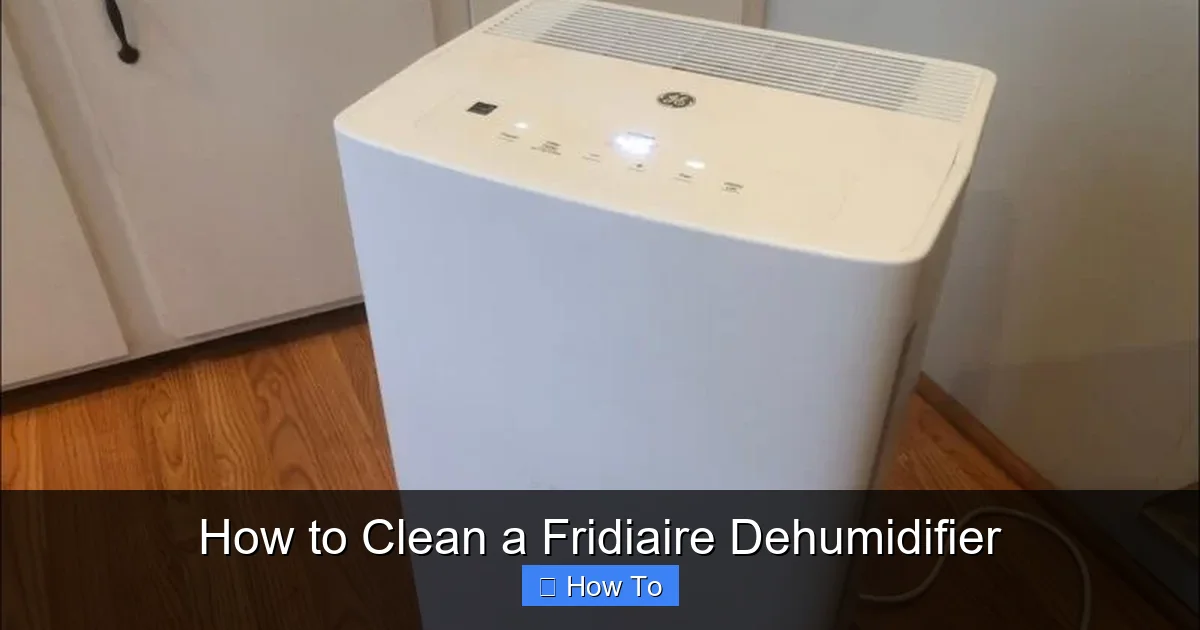
Visual guide about How to Clean a Fridiaire Dehumidifier
Image source: bestdehumidifierchoice.com
Before diving into the cleaning steps, it’s important to understand why regular maintenance is so crucial. A dehumidifier works by pulling in moist air, cooling it to remove moisture, and then releasing dry air back into the room. This process creates the perfect environment for mold, bacteria, and dust to accumulate—especially in the water tank and air filter.
If left uncleaned, these contaminants can:
- Reduce the unit’s efficiency, making it work harder and use more energy
- Cause foul odors that spread throughout your home
- Lead to mold growth inside the machine, which can be harmful to breathe
- Clog the air filter and coils, leading to overheating or system failure
- Shorten the lifespan of your dehumidifier
Frigidaire recommends cleaning your dehumidifier at least once a month during heavy use (like in humid summer months) and every two to three months during lighter use. However, if you notice a musty smell, reduced performance, or visible mold, it’s time to clean it immediately.
What You’ll Need to Clean Your Frigidaire Dehumidifier
Gathering the right tools and supplies before you start will make the process faster and safer. Here’s a list of what you’ll need:
- Soft cloths or microfiber towels
- Mild dish soap or white vinegar
- Warm water
- Soft-bristled brush (like an old toothbrush)
- Sponge or soft scrub pad
- Vacuum cleaner with a brush attachment (optional)
- Rubber gloves (recommended for hygiene)
- Bowl or container for soaking parts
- Towel or mat to place the unit on during cleaning
Avoid using abrasive cleaners, bleach, ammonia, or harsh chemicals. These can damage plastic components, leave toxic residues, or corrode internal parts. Stick to gentle, non-toxic cleaners like dish soap or vinegar.
Step 1: Unplug the Dehumidifier and Prepare Your Workspace
Safety comes first. Before you begin any cleaning, make sure the dehumidifier is completely powered off and unplugged from the electrical outlet. This prevents the risk of electric shock, especially since you’ll be working with water.
Next, move the unit to a well-ventilated area—like a garage, basement, or outdoor patio—where you can work comfortably. Place it on a towel or mat to protect the floor and catch any drips. If your model has a drain hose connected, disconnect it carefully and set it aside.
Let the dehumidifier sit for 10–15 minutes to cool down if it’s been running recently. This prevents burns from hot components and allows any residual moisture to settle.
Step 2: Empty and Clean the Water Tank
The water tank (also called the collection bucket) is one of the most important parts to clean regularly. It collects the moisture extracted from the air, and if not cleaned, it becomes a breeding ground for mold and bacteria.
Remove the Tank
Locate the water tank—it’s usually at the front or side of the unit. Gently pull it straight out. Some models have a handle; others require you to lift slightly while pulling. Be careful not to spill any remaining water.
Empty the Water
Pour out any leftover water into a sink or drain. If the water looks cloudy or has a foul smell, that’s a sign of bacterial growth—clean the tank thoroughly.
Rinse the Tank
Rinse the inside of the tank with warm water to remove loose debris. Don’t use hot water, as it can warp plastic components.
Scrub with Mild Cleaner
Fill the tank about one-quarter full with warm water and add a few drops of mild dish soap. Use a soft sponge or cloth to scrub the inside walls, corners, and bottom. Pay special attention to areas where slime or residue may have built up.
For stubborn mold or mildew, mix equal parts white vinegar and water. Soak the tank for 15–20 minutes, then scrub again. Vinegar is a natural disinfectant and deodorizer that’s safe for plastic.
Rinse and Dry
Rinse the tank thoroughly with clean water to remove all soap or vinegar residue. Shake out excess water and let it air dry completely before reinserting. Never reinstall a damp tank—it can promote mold growth.
Step 3: Clean or Replace the Air Filter
The air filter traps dust, pollen, and other airborne particles before they enter the dehumidifier. A clogged filter restricts airflow, forcing the unit to work harder and reducing its efficiency.
Locate the Filter
Most Frigidaire dehumidifiers have a removable air filter located behind a front or side grille. Look for a small panel or latch. On some models, the filter is behind the water tank.
Remove the Filter
Gently pull the filter out. It’s usually a flat, rectangular mesh or foam panel. Handle it carefully to avoid tearing.
Vacuum Loose Debris
Use a vacuum cleaner with a brush attachment to remove dust and lint from the surface of the filter. This is especially helpful if the filter is heavily soiled.
Wash the Filter
If your filter is washable (check your owner’s manual), rinse it under lukewarm water. Use a mild soap if needed, but avoid scrubbing too hard. Let it air dry completely—do not use a hair dryer or place it in direct sunlight, as heat can damage the material.
Replace if Necessary
If the filter is damaged, discolored, or no longer effective (even after cleaning), replace it with a new one. Frigidaire filters are widely available online or at appliance stores. Using a clean filter improves air quality and extends the life of your dehumidifier.
Step 4: Clean the Exterior and Control Panel
Dust and grime can accumulate on the outside of your dehumidifier, especially if it’s placed in a basement or laundry room. A clean exterior not only looks better but also prevents dirt from entering the unit.
Wipe Down the Housing
Use a soft, damp cloth to wipe the plastic casing. Avoid spraying water directly onto the unit. Instead, dampen the cloth and gently wipe surfaces. For stubborn spots, use a cloth with a small amount of mild soap.
Clean the Control Panel
The control panel is sensitive to moisture. Use a slightly damp cloth (not wet) to wipe the buttons and display. Never use liquids near electronic components. If there’s sticky residue, use a cloth with a drop of isopropyl alcohol, but apply it to the cloth—not the panel.
Dry Thoroughly
After cleaning, use a dry microfiber cloth to remove any moisture. Make sure no water seeps into vents or openings.
Step 5: Clean the Coils and Interior (If Accessible)
The evaporator and condenser coils are essential for the dehumidifier’s cooling process. Over time, dust and debris can build up on these coils, reducing efficiency and potentially causing the unit to freeze or overheat.
Check Access
Not all Frigidaire models allow easy access to the coils. Refer to your owner’s manual to see if the front or side panel can be removed. If not, you may need to skip this step or consult a professional.
Use a Soft Brush or Vacuum
If you can access the coils, use a soft-bristled brush or a vacuum with a brush attachment to gently remove dust. Do not use compressed air, as it can damage delicate fins.
Avoid Water on Coils
Never spray water or cleaning solutions directly onto the coils. Moisture can cause corrosion or electrical issues. If the coils are very dirty, consider having them professionally cleaned.
Step 6: Inspect and Clean the Drain Hose (If Applicable)
Many Frigidaire dehumidifiers come with a continuous drain option, allowing you to connect a hose so water drains directly into a floor drain or sump pump. Over time, this hose can clog with algae, mold, or mineral deposits.
Disconnect the Hose
Carefully remove the drain hose from the unit and the drain outlet.
Flush the Hose
Run warm water through the hose to flush out debris. For stubborn buildup, use a mixture of vinegar and water. Let it soak for 15–20 minutes, then rinse thoroughly.
Check for Kinks or Blockages
Inspect the hose for bends, kinks, or cracks that could restrict flow. Replace the hose if it’s damaged.
Reconnect Securely
Once clean and dry, reattach the hose to the dehumidifier and ensure it’s positioned so water flows downward without pooling.
Step 7: Reassemble and Test the Unit
Once all parts are clean and dry, it’s time to put everything back together.
Reinsert the Filter and Tank
Place the clean, dry air filter back into its slot. Make sure it’s seated properly. Then, slide the water tank back into place until it clicks or locks.
Plug In and Test
Plug the dehumidifier back into the outlet. Turn it on and set it to your desired humidity level. Listen for normal operation—no unusual noises or vibrations.
Check for Leaks
Run the unit for 15–20 minutes and check for leaks around the tank, hose connection, or base. If you notice water pooling, turn it off and recheck the assembly.
Troubleshooting Common Cleaning Issues
Even with careful cleaning, you might run into a few problems. Here’s how to handle them:
Unit Won’t Turn On After Cleaning
Double-check that the water tank is fully inserted. Many Frigidaire models have a safety switch that prevents operation if the tank isn’t in place. Also, ensure the filter is properly seated.
Strange Odors Persist
If your dehumidifier still smells musty after cleaning, the odor may be trapped in the coils or internal components. Run the unit with a bowl of baking soda nearby to absorb odors. For persistent smells, consider using an HVAC-safe deodorizing spray.
Reduced Performance
If the unit isn’t removing moisture as effectively, check the air filter and coils again. Also, ensure the room isn’t too cold—dehumidifiers work best in temperatures above 65°F (18°C).
Water Leaking from the Base
This could be due to an improperly seated tank, a cracked tank, or a clogged drain hose. Inspect all connections and replace damaged parts.
How Often Should You Clean Your Frigidaire Dehumidifier?
Cleaning frequency depends on usage and environment:
- Water tank: Clean weekly during heavy use, monthly otherwise
- Air filter: Clean monthly, replace every 6–12 months
- Exterior and coils: Clean every 2–3 months
- Drain hose: Inspect and clean every 3 months
If you live in a very humid area or use the dehumidifier daily, increase cleaning frequency. Always clean the unit before storing it for the season.
Storing Your Dehumidifier Properly
If you’re not using your dehumidifier for an extended period (like during winter), proper storage is key to preventing mold and damage.
- Clean all components thoroughly
- Let every part dry completely
- Store in a cool, dry place away from direct sunlight
- Cover the unit with a breathable cloth to prevent dust buildup
- Do not store with water in the tank or hose
Taking these steps ensures your dehumidifier is ready to go when you need it again.
Final Thoughts
Cleaning your Frigidaire dehumidifier doesn’t have to be a chore. With the right tools and a little time each month, you can keep your unit running smoothly, efficiently, and odor-free. Regular maintenance not only improves performance but also protects your investment and your indoor air quality.
By following this guide, you’ll extend the life of your dehumidifier, reduce energy costs, and enjoy a healthier, more comfortable home. Remember: a clean dehumidifier is a happy dehumidifier—and a happy home.