
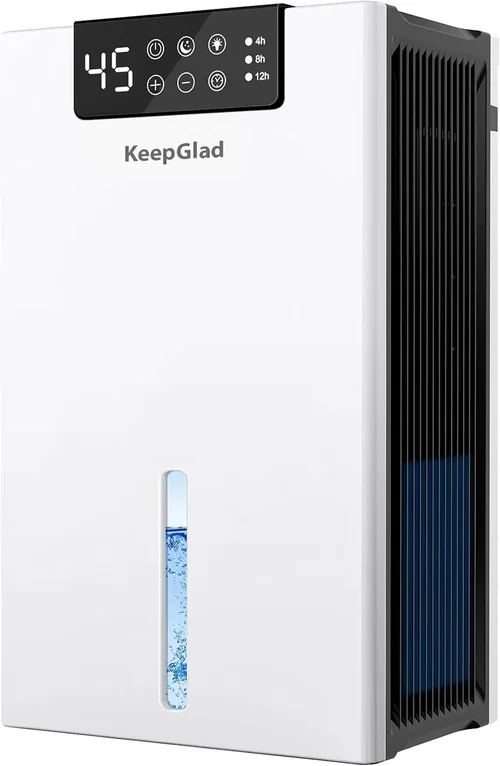
Dealing with excess moisture in your home isn’t just a minor inconvenience—it can lead to serious problems like mold growth, musty odors, warped wood, and even respiratory issues. Whether you live in a humid climate, have a damp basement, or simply notice condensation on your windows, a dehumidifier can be a game-changer. But with so many models flooding the market—ranging from compact units under $100 to high-end smart systems costing over $500—choosing the right one can feel overwhelming. That’s where this guide comes in.
In this comprehensive buying guide, we’ll cut through the noise and help you make an informed decision based on real-world performance, expert insights, and user feedback—especially from trusted communities like Reddit, where homeowners and renters share honest experiences. You’ll learn how to evaluate key factors like capacity, energy efficiency, noise levels, and smart features, so you can pick a dehumidifier that fits your space, budget, and lifestyle. We’ll also compare different types of dehumidifiers, highlight common pitfalls to avoid, and offer actionable tips to get the best value for your money.
The dehumidifier market has evolved significantly in recent years. Traditional compressor-based units now compete with newer desiccant models, while Wi-Fi connectivity, auto-humidistats, and eco-friendly refrigerants are becoming standard even in mid-tier options. Brands like Frigidaire, hOmeLabs, Midea, and GE dominate consumer discussions, but lesser-known names are gaining traction thanks to innovative designs and competitive pricing. Whether you’re tackling a 300-square-foot bathroom or a 2,500-square-foot crawl space, understanding what truly matters—beyond marketing claims—will ensure you invest wisely.
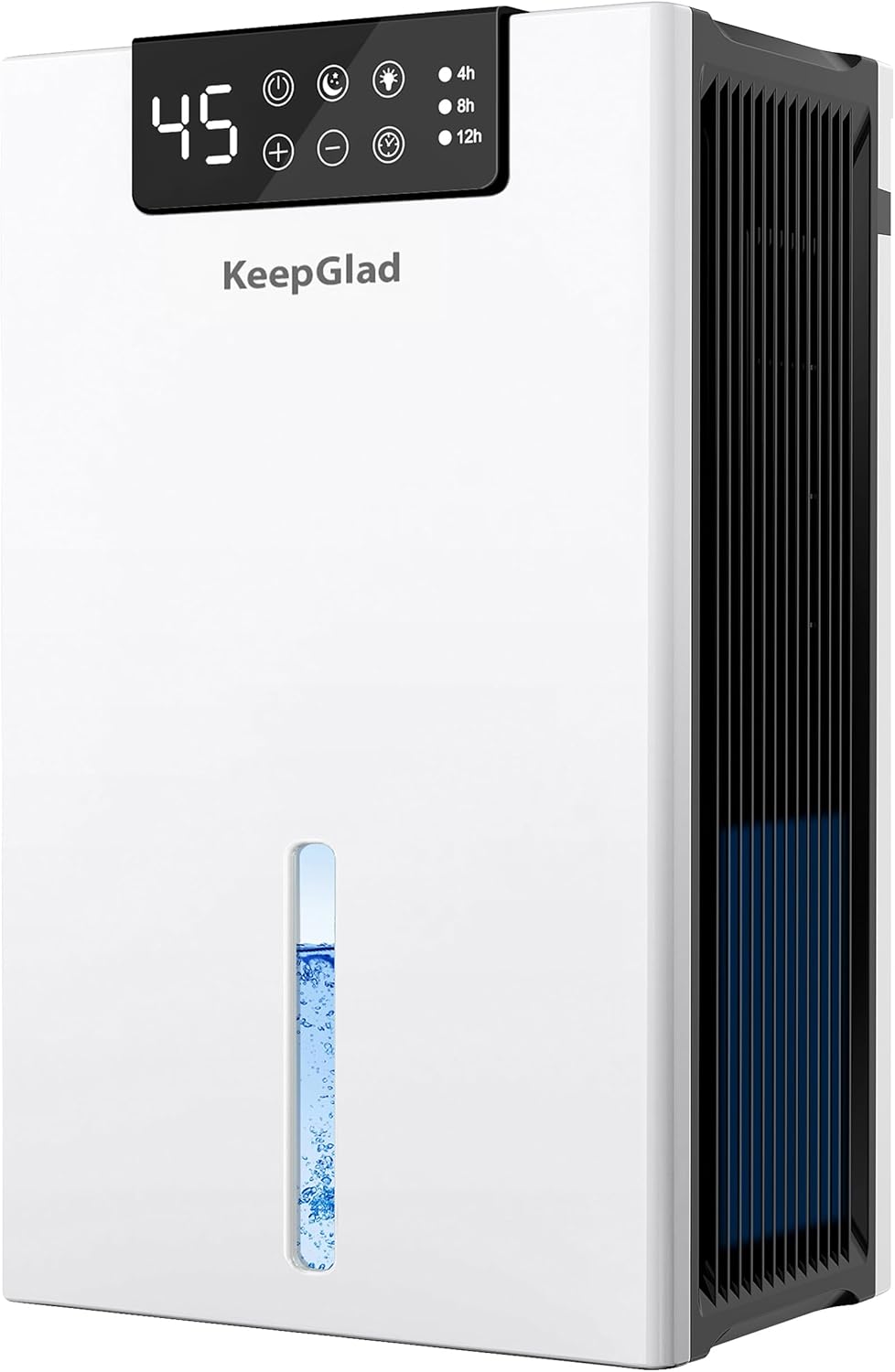
What to Look for When Buying Buying Guide
1. Budget & Price Range
Your budget is often the first filter when shopping for a dehumidifier, but it shouldn’t be the only one. Prices vary widely—from as low as $60 for basic 20-pint units to over $600 for whole-home or commercial-grade systems. However, cheaper isn’t always better. A $80 model might seem appealing, but if it lacks durability, uses outdated technology, or consumes excessive energy, you could end up spending more in the long run through higher electricity bills or premature replacement.
Set a realistic budget based on your needs. For small spaces like closets or RVs, a sub-$100 unit may suffice. But for basements, garages, or large living areas, expect to spend between $200 and $400 for a reliable, efficient model. Premium smart dehumidifiers with app control, air purification, and quiet operation typically start around $350. Remember: a dehumidifier is a long-term investment in your home’s health and comfort.
2. Performance Specifications
Performance specs are the backbone of any dehumidifier purchase. The most critical metric is pint capacity, which indicates how much moisture the unit can remove in 24 hours under standard conditions (80°F and 60% relative humidity). Common capacities range from 20 to 70 pints:
– 20–30 pints: Ideal for small rooms (under 500 sq ft), bathrooms, or closets.
– 30–50 pints: Suitable for medium spaces like basements or single-family homes up to 1,500 sq ft.
– 50+ pints: Best for large basements, crawl spaces, or whole-house use.
But don’t rely solely on pint ratings. Real-world performance depends on ambient temperature and humidity. Compressor-based dehumidifiers lose efficiency below 65°F, while desiccant models work well in colder environments. Also, check the coverage area listed by the manufacturer—it should match your room size.
Another key spec is energy efficiency, measured in liters per kilowatt-hour (L/kWh) or simply by looking for the ENERGY STAR label. ENERGY STAR-certified models use about 15% less energy than standard units, saving you money over time. For example, a 50-pint ENERGY STAR dehumidifier might cost $30–$40 annually to run, versus $50+ for a non-certified equivalent.
3. Build Quality & Durability
A dehumidifier isn’t something you want to replace every year. Look for robust construction: metal casings (or high-grade plastic), sealed compressors, and corrosion-resistant coils. Units with washable filters and accessible internal components tend to last longer because they’re easier to maintain.
Pay attention to user reports about longevity. On Reddit, many users praise Frigidaire and hOmeLabs for their solid builds, while others note that ultra-budget brands often fail within 1–2 years. Check warranty length—most reputable brands offer at least a 1-year warranty, with some extending to 2 or even 5 years on compressors.
Also consider where you’ll place the unit. If it’s going in a damp basement or garage, ensure it has rust-proofing and a sturdy handle for portability. Some models include caster wheels, which make moving heavy units much easier.
4. Features & Functionality
Modern dehumidifiers come packed with features that enhance convenience and performance. Here are the most valuable ones to look for:
– Built-in Humidistat: Allows you to set your desired humidity level (ideally 30–50%). The unit automatically turns on/off to maintain it.
– Auto Defrost: Prevents ice buildup on coils in cold environments (below 65°F).
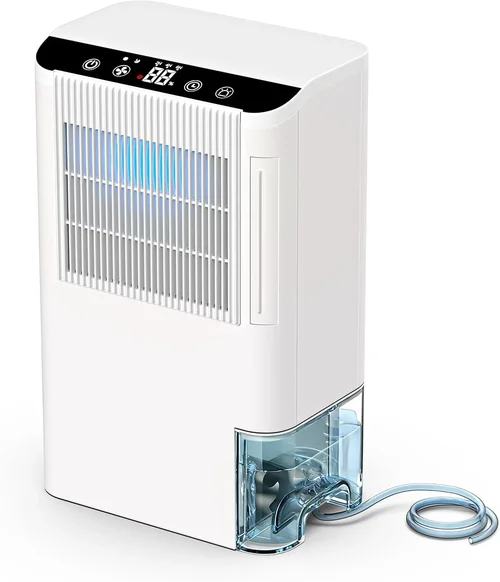
– Continuous Drain Option: Lets you attach a hose for hands-off water removal—essential for basements or unattended spaces.
– Timer & Sleep Mode: Schedule operation or reduce noise at night.
– Air Filtration: Many units include washable or replaceable filters that trap dust, allergens, and mold spores.
– Smart Connectivity: Wi-Fi-enabled models (like those from GE or Midea) let you monitor and control humidity via smartphone apps, even when you’re away.
While smart features are nice, they’re not essential for everyone. If you just need basic moisture control, a simple mechanical humidistat and manual controls may suffice. But if you travel often or want peace of mind, smart functionality adds real value.
5. Brand Reputation
Brand matters—especially in appliances that run continuously. Established names like Frigidaire, GE, and Honeywell have decades of experience and reliable customer service. Newer brands like hOmeLabs and Midea have earned strong followings on Reddit and Amazon for offering high performance at mid-range prices.
Research user communities before buying. Reddit threads like r/Appliances or r/HomeImprovement often feature detailed comparisons and long-term reviews. For example, many Redditors recommend the hOmeLabs 50-Pint Dehumidifier for its quiet operation and durability, while others swear by the Frigidaire FFAD7033R1 for its energy efficiency.
Avoid unknown brands with no customer support or unclear return policies. A cheap unit from an obscure seller might save you $50 upfront but cost you hundreds in repairs or replacements down the line.
6. Warranty & Support
A good warranty reflects confidence in product quality. Most dehumidifiers come with a 1-year limited warranty covering parts and labor. However, some brands offer extended coverage on critical components:
– Compressor warranty: Often 2–5 years (the compressor is the most expensive part to replace).
– Full-unit extended warranty: Available for purchase or included with premium models.
Check what’s covered—some warranties exclude damage from improper use or lack of maintenance. Also, verify that the brand has accessible customer service. Can you easily reach a technician? Are replacement parts readily available? Brands like Frigidaire and GE have nationwide service networks, while smaller brands may rely on third-party support.
7. Size & Portability
Even the most powerful dehumidifier is useless if you can’t move it where it’s needed. Consider the unit’s dimensions, weight, and mobility features:
– Weight: Ranges from 20 lbs (small 20-pint models) to over 50 lbs (large 70-pint units).
– Handles & Wheels: Essential for moving between rooms or up/down stairs.
– Cord Length: Should be at least 6 feet; longer is better for basement outlets.
– Noise Level: Measured in decibels (dB). Look for units under 50 dB for bedrooms or living areas—quieter than a normal conversation.
If you plan to use the dehumidifier in multiple locations (e.g., basement in summer, bathroom in winter), prioritize lightweight designs with integrated wheels. Some models even have foldable handles for compact storage.
8. User Reviews & Ratings
Never buy a dehumidifier based solely on specs or ads. Real user feedback reveals hidden flaws—like excessive noise, frequent filter clogs, or inaccurate humidistats. Platforms like Amazon, Best Buy, and Reddit provide unfiltered insights.
Look for patterns in reviews:
– Do multiple users report the same issue (e.g., “stopped working after 6 months”)?
– Are complaints about customer service or shipping?
– Do long-term owners (1+ years) still recommend the product?
Pay special attention to reviews from people in similar climates or home setups. A unit that works great in Florida might struggle in a cold Minnesota basement. On Reddit, search for “[model name] dehumidifier review” to find detailed discussions.
Different Types of Buying Guide

Common Buying Mistakes to Avoid
❌ Mistake: Buying Based Solely on Pint Capacity
Why it’s bad: A 70-pint dehumidifier sounds impressive, but if your space only needs 30 pints, you’re overspending on power, size, and energy use. Conversely, a 20-pint unit in a damp 1,500 sq ft basement will run constantly, wear out quickly, and barely make a dent in humidity.
What to do instead: Match capacity to your room size and humidity level. Use online calculators or consult manufacturer guidelines. When in doubt, slightly oversize—but don’t go overboard.
❌ Mistake: Ignoring Energy Efficiency
Why it’s bad: Dehumidifiers run for hours daily. A non-ENERGY STAR model could cost $20–$30 more per year in electricity. Over 5 years, that’s $100–$150 extra—enough to buy a better unit.
What to do instead: Always check the yellow EnergyGuide label or look for ENERGY STAR certification. Compare annual operating costs before purchasing.
❌ Mistake: Overlooking Drainage Options
Why it’s bad: Emptying a water bucket every day is tedious and easy to forget. If the tank overflows, it can cause water damage or trigger a safety shutoff, leaving your space humid.
What to do instead: Choose a model with a continuous drain hose option. Pair it with a condensate pump if your outlet is below floor level (common in basements).
❌ Mistake: Skipping the Humidistat
Why it’s bad: Without a built-in humidistat, you have no way to set or monitor humidity levels. You might over-dry the air (causing dry skin and static) or under-dry it (allowing mold to thrive).
What to do instead: Only buy units with digital humidistats. Avoid purely mechanical controls—they’re less accurate.
❌ Mistake: Choosing the Cheapest Option
Why it’s bad: Ultra-budget dehumidifiers often use low-quality components, lack safety features, and fail within months. You’ll end up replacing them sooner, negating any initial savings.
What to do instead: Invest in a mid-range model from a reputable brand. The extra $50–$100 is worth it for reliability and longevity.
❌ Mistake: Not Considering Noise Levels
Why it’s bad: A loud dehumidifier (60+ dB) can disrupt sleep, TV watching, or work-from-home calls—especially if placed in living areas.
What to do instead: Check decibel ratings and user reviews about noise. Desiccant models are generally quieter than compressor types.
❌ Mistake: Forgetting About Maintenance
Why it’s bad: Clogged filters and dirty coils reduce efficiency and can cause breakdowns. Many users don’t realize regular cleaning is required.
What to do instead: Choose models with easy-access filters and clear maintenance instructions. Set calendar reminders to clean every 2–4 weeks during peak use.
Budget Guidelines: How Much Should You Spend?
– Entry-Level ($60 – $120): These are basic 20–30 pint compressor units ideal for small spaces like closets or bathrooms. Expect simple controls, no humidistat (or a basic one), and limited durability. Brands like Eva-Dry or Ivation offer decent mini options, but avoid no-name brands. Best for occasional use or low-humidity areas.
– Mid-Range ($150 – $300): This is the sweet spot for most homeowners. You’ll find 30–50 pint models with digital humidistats, auto-defrost, continuous drain, and ENERGY STAR ratings. Top performers like the hOmeLabs 50-Pint or Frigidaire FFAD5033W1 fall here. They balance performance, features, and price perfectly.
– Premium ($300 – $500): These units offer advanced features: Wi-Fi connectivity, air purification, ultra-quiet operation (<45 dB), and robust build quality. Models like the GE Smart Dehumidifier or Midea Cube are excellent for tech enthusiasts or those with specific needs (e.g., asthma sufferers who want HEPA filtration). - Luxury ($500+): Whole-house dehumidifiers or commercial-grade systems designed for large homes, crawl spaces, or flood recovery. They integrate with HVAC systems, have massive capacities (70+ pints), and professional installation may be required. Only necessary for extreme humidity or whole-home solutions.
Expert Tips for Getting the Best Deal
– Buy Off-Season: The best time to purchase is late fall or winter (October–February). Retailers discount inventory before spring humidity hits. You can save 20–30% compared to summer prices.
– Shop at the Right Retailers: Amazon, Home Depot, and Lowe’s often run promotions. Check for open-box or refurbished deals—these can be 25–40% off and usually include full warranties.
– Use Price Trackers: Tools like Honey or CamelCamelCamel alert you when prices drop on Amazon. Set alerts for your desired model and wait for a deal.
– Check Utility Rebates: Many electric companies offer rebates for ENERGY STAR appliances. Search “[your utility] dehumidifier rebate” to see if you qualify.
– Read the Fine Print on Returns: Ensure the retailer allows returns within 30–60 days. Test your unit immediately—some issues (like refrigerant leaks) aren’t obvious at first.
– Consider Refurbished Models: Certified refurbished units from manufacturers like Frigidaire or GE are often as good as new and come with warranties.
– Don’t Overlook Local Classifieds: Facebook Marketplace or Craigslist sometimes have barely-used dehumidifiers from people who moved or upgraded. Inspect carefully and verify functionality.
– Bundle with Other Purchases: Some stores offer discounts when you buy multiple appliances. Pairing a dehumidifier with an air purifier or humidifier might unlock savings.

Frequently Asked Questions
Q: How do I know what size dehumidifier I need?
A: Start by measuring your room’s square footage. Then assess humidity level:
– Slightly damp (500–1,000 sq ft): 30-pint unit
– Very damp (1,000–1,500 sq ft): 50-pint unit
– Wet or flooded (1,500+ sq ft): 70-pint or whole-house system
Use online sizing guides from brands like Frigidaire or hOmeLabs for precise recommendations.
Q: Can a dehumidifier help with allergies?
A: Yes! By reducing moisture, dehumidifiers inhibit mold, dust mites, and mildew—common allergens. Choose a model with a washable or HEPA filter for added air-cleaning benefits.
Q: Should I run my dehumidifier continuously?
A: Not necessarily. Use the built-in humidistat to maintain 30–50% humidity. The unit will cycle on/off automatically. In very humid climates, it may run most of the time—that’s normal.
Q: Is it safe to leave a dehumidifier on overnight?
A: Yes, as long as it has safety features like auto-shutoff when the tank is full, overheat protection, and a stable design. Modern units are designed for 24/7 operation.
Q: Do dehumidifiers use a lot of electricity?
A: It depends. A 50-pint ENERGY STAR model uses about 500–600 watts and costs roughly $30–$50 per year to run. Compare the yellow EnergyGuide label to estimate costs.
Q: Can I use a dehumidifier in winter?
A: Only if the room stays above 65°F. Compressor models lose efficiency in cold temps. For garages or unheated spaces, choose a desiccant dehumidifier.
Q: How often should I clean my dehumidifier?
A: Clean the air filter every 2–4 weeks during peak use. Wipe the water tank monthly to prevent bacteria growth. Check coils annually for dust buildup.
Q: What’s the difference between a dehumidifier and an air purifier?
A: A dehumidifier removes moisture; an air purifier removes particles like pollen, smoke, and pet dander. Some models combine both functions—ideal for allergy sufferers.
Q: Can I drain my dehumidifier into a sink?
A: Yes, if you have a nearby sink or floor drain. Use a standard garden hose attached to the drain port. Ensure the hose slopes downward to prevent backflow.
Q: Why does my dehumidifier freeze up?
A: This happens when the room is too cold (<65°F) or the filter is clogged, restricting airflow. Clean the filter and move the unit to a warmer area. Enable auto-defrost if available.
Our Final Recommendations
– Best for Budget-Conscious Buyers: hOmeLabs 30-Pint Dehumidifier – At around $150, it offers excellent value with a digital humidistat, continuous drain, and quiet operation. Highly rated on Reddit for reliability.
– Best Overall Value: Frigidaire FFAD5033W1 50-Pint Dehumidifier – ENERGY STAR certified, durable build, accurate humidistat, and efficient performance. A favorite among homeowners for basements and large rooms.
– Best Premium Option: GE Smart Dehumidifier (P50-Pint) – Wi-Fi enabled, app control, voice assistant compatibility, and sleek design. Perfect for tech lovers who want remote monitoring.
– Best for Beginners: Midea 30-Pint Dehumidifier – Simple controls, lightweight, and affordable. Great for first-time buyers or small spaces.
– Best for Advanced Users: AprilAire E080 Pro Whole-House Dehumidifier – Professional-grade, integrates with HVAC, and handles extreme humidity. Ideal for new builds or high-risk areas.
Conclusion: Making the Right Choice
Choosing the right dehumidifier doesn’t have to be stressful. By focusing on your specific needs—room size, climate, budget, and desired features—you can narrow down the options and avoid costly mistakes. Remember, the best dehumidifier isn’t necessarily the most powerful or expensive; it’s the one that reliably maintains healthy humidity levels with minimal hassle.
Prioritize energy efficiency, build quality, and user feedback over flashy marketing. Take advantage of seasonal sales, read real reviews (especially from communities like Reddit), and don’t skip essential features like a humidistat or continuous drain. With the insights from this guide, you’re equipped to make a smart, long-term investment in your home’s comfort and air quality.
Now that you know what to look for, it’s time to take action. Measure your space, set your budget, and start comparing models. Your future self—and your walls—will thank you.