

Basements are naturally damp, making them prime spots for mold, mildew, and musty smells. A dehumidifier helps control humidity, protects your home’s structure, and improves indoor air quality. Without one, you risk health issues and costly repairs.
Key Takeaways
- Basements are prone to high humidity: Due to their below-ground location, basements absorb moisture from the soil, leading to dampness and condensation.
- Mold and mildew thrive in damp environments: Excess moisture creates ideal conditions for mold growth, which can damage walls, furniture, and stored items.
- Poor air quality affects your health: Musty odors and mold spores can trigger allergies, asthma, and respiratory problems, especially in children and seniors.
- Structural damage is a real risk: Persistent moisture weakens foundations, corrodes metal supports, and warps wood, leading to expensive repairs.
- Dehumidifiers prevent pest infestations: Insects like silverfish and dust mites love humid spaces; reducing moisture helps keep them away.
- Energy efficiency improves: Dry air feels cooler, so your HVAC system doesn’t have to work as hard, lowering energy bills.
- Protects stored belongings: Clothes, books, electronics, and seasonal items stay safe and dry when humidity is controlled.
📑 Table of Contents
- Why Basement Needs Dehumidifier: The Hidden Dangers of Dampness
- Understanding Basement Humidity: Where Does the Moisture Come From?
- The Health Risks of a Damp Basement
- Structural Damage Caused by Excess Moisture
- Protecting Your Belongings and Improving Comfort
- Choosing the Right Dehumidifier for Your Basement
- Conclusion: A Dry Basement Is a Healthy Basement
Why Basement Needs Dehumidifier: The Hidden Dangers of Dampness
If you’ve ever walked into your basement and been greeted by a musty smell, you’re not alone. That damp, earthy odor is a telltale sign of excess moisture—and it’s more than just unpleasant. It’s a warning sign that your basement may be harboring mold, mildew, and structural risks that could affect your home and health. Many homeowners underestimate the importance of controlling basement humidity, but the truth is, a dehumidifier isn’t just a nice-to-have—it’s a necessity.
Basements are uniquely vulnerable to moisture problems. Located below ground level, they’re surrounded by soil that naturally holds water. Even in dry climates, groundwater can seep through foundation walls or floors, especially during heavy rains or snowmelt. Add in poor ventilation, condensation from cold surfaces, and occasional leaks, and you’ve got a recipe for high humidity. Without proper intervention, this damp environment becomes a breeding ground for mold, mildew, and pests—all of which can compromise your home’s integrity and your family’s well-being.
The good news? A dehumidifier can make a world of difference. By pulling excess moisture from the air, it helps maintain a healthy humidity level—ideally between 30% and 50%. This simple device not only eliminates musty smells but also prevents a host of problems that can arise from unchecked dampness. Whether you use your basement as a storage area, a laundry room, a home gym, or even a living space, a dehumidifier is a smart investment that pays off in comfort, safety, and long-term savings.
Understanding Basement Humidity: Where Does the Moisture Come From?

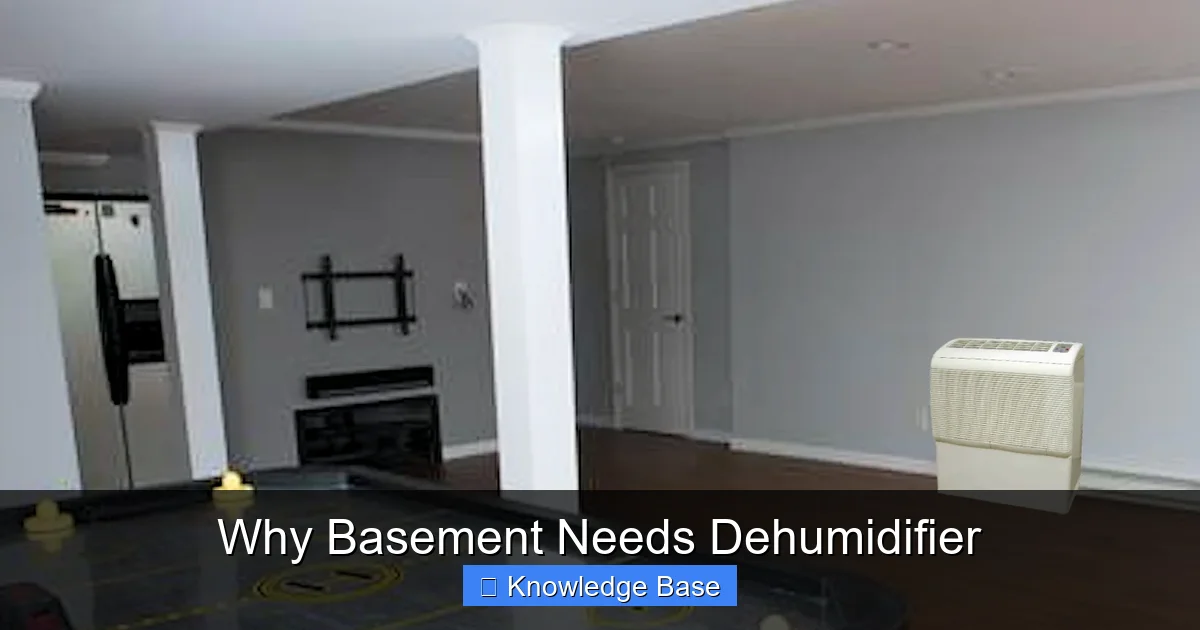
Visual guide about Why Basement Needs Dehumidifier
Image source: ecor-pro.com
To truly grasp why a basement needs a dehumidifier, it helps to understand where all that moisture is coming from. Basements are inherently damp spaces, and several factors contribute to high humidity levels.
Groundwater Seepage
One of the most common sources of basement moisture is groundwater. Soil surrounding your home naturally contains water, and when it rains or snow melts, the ground becomes saturated. This water can then seep through cracks in the foundation walls or floor. Even if you don’t see standing water, moisture can still enter as vapor through porous concrete—a process known as “wicking.” Over time, this constant exposure leads to damp walls, puddles, and that unmistakable wet smell.
Condensation on Cold Surfaces
Another major contributor is condensation. In colder months, the basement’s concrete walls and floors stay cool, while the indoor air may be warmer and more humid. When warm, moist air comes into contact with these cold surfaces, it cools down and releases moisture—just like how a cold drink sweats on a hot day. This condensation can collect on pipes, walls, and even stored items, creating damp spots that invite mold growth.
Poor Ventilation and Air Circulation
Basements are often poorly ventilated. Unlike upper floors, they typically lack windows or have small, high windows that don’t allow for much airflow. Without proper ventilation, moist air gets trapped, leading to stagnant, humid conditions. Laundry rooms in basements are especially problematic—washing machines and dryers release significant amounts of moisture into the air, which can quickly raise humidity levels if not properly vented.
Leaks and Plumbing Issues
Even minor leaks from pipes, water heaters, or sump pumps can add moisture to your basement. A slow drip might seem insignificant, but over time, it can saturate insulation, drywall, or flooring. Similarly, a malfunctioning sump pump during a storm can fail to remove water, leading to flooding and long-term dampness.
High Outdoor Humidity
In humid climates, outdoor air itself can be a source of moisture. When you open basement windows or doors, humid air flows in and settles in the cooler basement environment. This is especially common in summer months when outdoor humidity levels soar.
All these factors combine to create an environment where humidity levels can easily exceed 60%—far above the recommended range. And when humidity stays high, the problems begin to pile up.
The Health Risks of a Damp Basement
Visual guide about Why Basement Needs Dehumidifier
Image source: ecor-pro.com
You might think a little dampness is no big deal, but the truth is, a humid basement can have serious consequences for your health. Mold, mildew, and dust mites thrive in moist environments, and their presence can trigger or worsen a range of health issues.
Mold and Mildew Growth
Mold is one of the biggest threats in a damp basement. It grows quickly on organic materials like wood, drywall, carpet, and even paper. Once established, mold releases spores into the air that can be inhaled. For people with allergies, asthma, or weakened immune systems, these spores can cause coughing, sneezing, itchy eyes, skin rashes, and difficulty breathing. In severe cases, prolonged exposure to certain types of mold—like black mold (Stachybotrys)—can lead to more serious respiratory problems and neurological symptoms.
Worsening Asthma and Allergies
If you or a family member suffers from asthma or allergies, a humid basement can make symptoms worse. Dust mites, which feed on dead skin cells and thrive in humid environments, are a common allergen. Their droppings and body fragments become airborne and can trigger asthma attacks or allergic reactions. Similarly, mold spores act as potent allergens, causing inflammation in the airways and making it harder to breathe.
Respiratory Infections and Illness
Long-term exposure to damp, moldy environments has been linked to an increased risk of respiratory infections, bronchitis, and even pneumonia. Studies have shown that people living in homes with high indoor humidity and visible mold are more likely to develop chronic respiratory conditions. Children and the elderly are especially vulnerable, as their immune systems are either still developing or weakened.
Unpleasant Odors and Reduced Comfort
Beyond health risks, a damp basement simply doesn’t feel good. The musty smell is not only unpleasant but can also seep into upper floors, affecting the entire home’s air quality. This odor is caused by microbial volatile organic compounds (MVOCs) released by mold and mildew. No amount of air freshener can truly eliminate it—only reducing the source of moisture can.
Psychological Impact
Living in a home with a damp, smelly basement can also take a toll on mental well-being. The constant worry about mold, the embarrassment of showing the space to guests, and the feeling of living in an unhealthy environment can contribute to stress and anxiety. A dry, clean basement, on the other hand, feels safer and more inviting.
Clearly, the health implications of high basement humidity are too significant to ignore. A dehumidifier doesn’t just improve air quality—it helps protect your family’s long-term health.
Structural Damage Caused by Excess Moisture
While health concerns are serious, the damage high humidity can do to your home’s structure is equally alarming. Basements are the foundation of your house, and when they’re compromised, the entire building can be at risk.
Foundation Cracks and Erosion
Persistent moisture weakens concrete and masonry. Over time, water can erode the foundation, leading to cracks and shifting. These cracks not only allow more water to enter but can also compromise the structural integrity of your home. In extreme cases, foundation movement can cause walls to bow, floors to slope, and doors to stick.
Wood Rot and Structural Weakening
Wooden support beams, floor joists, and subflooring are highly susceptible to rot when exposed to moisture. As wood absorbs water, it swells, warps, and eventually decays. This not only weakens the structure but can also lead to sagging floors or even collapse in severe cases. Replacing rotted wood is expensive and disruptive, often requiring professional contractors and major renovations.
Corrosion of Metal Components
Metal pipes, HVAC systems, and electrical components in the basement can corrode when exposed to high humidity. Rust weakens metal over time, leading to leaks, electrical shorts, and system failures. For example, a rusty water heater may fail prematurely, or corroded electrical wiring can pose a fire hazard.
Damage to Insulation and Drywall
Wet insulation loses its effectiveness and can become a breeding ground for mold. Similarly, drywall that gets wet will swell, bubble, and eventually crumble. Once mold takes hold, the entire section may need to be removed and replaced—a costly and time-consuming process.
Increased Risk of Flooding
A damp basement is more vulnerable to flooding during heavy rains or snowmelt. If the ground is already saturated, water has nowhere to go but into your home. A dehumidifier helps reduce overall moisture levels, making it easier for sump pumps and drainage systems to manage water effectively.
Decreased Home Value
Even if you don’t plan to sell your home soon, a damp basement can significantly reduce its market value. Home inspectors often flag moisture issues, and buyers are wary of properties with mold, musty smells, or visible water damage. Investing in a dehumidifier now can save you thousands in repairs and make your home more attractive to future buyers.
In short, moisture doesn’t just make your basement uncomfortable—it can literally undermine your home’s foundation. A dehumidifier is a proactive step to protect your biggest investment.
Protecting Your Belongings and Improving Comfort
Your basement isn’t just a structural component of your home—it’s also a storage space, a utility area, and sometimes even a functional living area. High humidity can wreak havoc on everything stored down there, from sentimental items to expensive electronics.
Damage to Stored Items
Clothes, books, photos, and documents are all vulnerable to moisture. Fabrics can develop mildew stains and unpleasant odors, while paper products like books and photo albums can warp, yellow, or grow mold. Seasonal decorations, holiday ornaments, and old family heirlooms can be ruined in a matter of weeks if left in a damp environment.
Electronics and Appliances at Risk
Modern basements often house important appliances like washers, dryers, water heaters, and even home entertainment systems. Excess humidity can cause condensation inside electronic components, leading to short circuits, corrosion, and premature failure. A single power surge or malfunction due to moisture can result in costly replacements.
Laundry Room Challenges
If your laundry room is in the basement, you’re likely dealing with extra moisture from washing and drying clothes. Without proper ventilation and humidity control, this area becomes a hotspot for mold and mildew. Clothes may come out of the dryer smelling damp or musty, and the room itself can feel clammy and uncomfortable.
Home Gym and Recreational Spaces
More homeowners are converting basements into home gyms, playrooms, or home offices. These spaces require a comfortable, dry environment to be usable. High humidity makes the air feel heavy and sticky, reducing comfort during workouts or work sessions. It can also damage exercise equipment, musical instruments, and furniture.
Improved Air Quality Throughout the Home
Moisture doesn’t stay confined to the basement. It can rise through the floors and affect the entire house. A dehumidifier helps maintain balanced humidity levels throughout your home, reducing the risk of mold growth on upper floors and improving overall air quality. This is especially important in tightly sealed, energy-efficient homes where air circulation is limited.
Energy Efficiency and Cost Savings
Dry air feels cooler than humid air, so your air conditioning system doesn’t have to work as hard to maintain a comfortable temperature. By reducing humidity, a dehumidifier can help lower your energy bills, especially during the summer months. Some modern dehumidifiers are also ENERGY STAR certified, meaning they use less electricity while delivering powerful performance.
In essence, a dehumidifier doesn’t just protect your basement—it enhances the comfort, functionality, and efficiency of your entire home.
Choosing the Right Dehumidifier for Your Basement
Now that you understand why a basement needs a dehumidifier, the next step is choosing the right one. Not all dehumidifiers are created equal, and selecting the best model for your space can make a big difference in performance and efficiency.
Size and Capacity
Dehumidifiers are rated by how many pints of moisture they can remove per day. For most basements, a unit with a capacity of 30 to 50 pints is sufficient. However, if your basement is very damp or prone to flooding, you may need a 70-pint model. Measure your basement’s square footage and consider the level of moisture—light, moderate, or severe—to determine the right size.
Drainage Options
Look for a dehumidifier with a continuous drainage option. This allows you to connect a hose to the unit and drain water directly into a floor drain or sump pump, eliminating the need to empty a bucket manually. This is especially useful in basements where you may not check the unit frequently.
Energy Efficiency
Choose an ENERGY STAR certified dehumidifier to save on electricity. These models use advanced compressors and fans to remove moisture more efficiently. Check the energy factor (liters of water removed per kilowatt-hour) to compare efficiency between models.
Humidity Control and Sensors
A good dehumidifier should have a built-in humidistat that allows you to set your desired humidity level (ideally between 30% and 50%). The unit will then automatically turn on and off to maintain that level. Some models also feature digital displays, timers, and remote controls for added convenience.
Noise Level
Basements are often used as living or working spaces, so consider the noise level of the dehumidifier. Look for models with quiet operation—typically under 50 decibels—especially if the unit will run near bedrooms or offices.
Additional Features
Some dehumidifiers come with extra features like air filters to remove dust and allergens, defrost functions for cold environments, and washable filters for easy maintenance. These can enhance performance and improve air quality.
Placement and Maintenance
Place your dehumidifier in a central location with good airflow, away from walls and furniture. Clean the filter regularly and check the water bucket or drainage hose to ensure proper function. Most units require minimal maintenance, but regular care will extend their lifespan and efficiency.
Investing in the right dehumidifier ensures you get the best results with minimal hassle.
Conclusion: A Dry Basement Is a Healthy Basement
It’s clear that a basement needs a dehumidifier—not as an optional upgrade, but as a vital component of a healthy, safe, and comfortable home. From preventing mold and protecting your family’s health to safeguarding your home’s structure and belongings, the benefits are undeniable. High humidity may start as a minor nuisance, but left unchecked, it can lead to serious problems that are costly and difficult to fix.
By installing a dehumidifier, you’re taking a proactive step toward maintaining a dry, clean, and welcoming basement. Whether you use the space for storage, laundry, or living, controlling moisture ensures it remains functional and enjoyable year-round. Plus, the improved air quality and energy efficiency extend benefits throughout your entire home.
Don’t wait for musty smells, visible mold, or water damage to take action. A dehumidifier is a simple, effective solution that pays dividends in peace of mind, health, and home value. Make the smart choice today—your basement (and your family) will thank you.
Frequently Asked Questions
How do I know if my basement needs a dehumidifier?
If you notice a musty smell, visible mold, damp walls, or condensation on windows and pipes, your basement likely has high humidity. You can also use a hygrometer to measure humidity levels—anything above 50% indicates a need for a dehumidifier.
Can a dehumidifier prevent basement flooding?
A dehumidifier won’t stop flooding caused by heavy rain or sump pump failure, but it helps reduce overall moisture levels, making your basement less vulnerable to water damage and improving the effectiveness of drainage systems.
How often should I run my basement dehumidifier?
Run your dehumidifier continuously during humid months or whenever humidity levels exceed 50%. Most units have automatic settings that turn on and off as needed to maintain your desired humidity level.
Will a dehumidifier increase my electricity bill?
While a dehumidifier uses electricity, ENERGY STAR models are designed to be efficient. The energy cost is often offset by reduced HVAC usage, as dry air feels cooler and requires less air conditioning.
Can I use a regular room dehumidifier in my basement?
Yes, but basement-specific models are often more durable and better suited for colder, damper environments. Look for units with defrost features and higher capacity for best results.
How long does it take for a dehumidifier to dry out a basement?
It depends on the size of the space and the level of moisture. In most cases, you’ll notice a improvement within a few days, with full results in 1–2 weeks of continuous use.