

Buying a dehumidifier isn’t just about comfort—it’s a smart move for your health, home, and wallet. It reduces allergens, prevents mold, and helps your HVAC system run more efficiently, saving energy and money.
Have you ever walked into a room and felt like the air was thick and heavy—like you were breathing through a wet towel? That’s high humidity at work. It’s not just uncomfortable; it can actually harm your health and damage your home. Whether you live in a steamy coastal city, a rainy region, or just have a damp basement, excess moisture in the air is more than a minor annoyance. It’s a problem that quietly invites mold, dust mites, and structural damage into your living space.
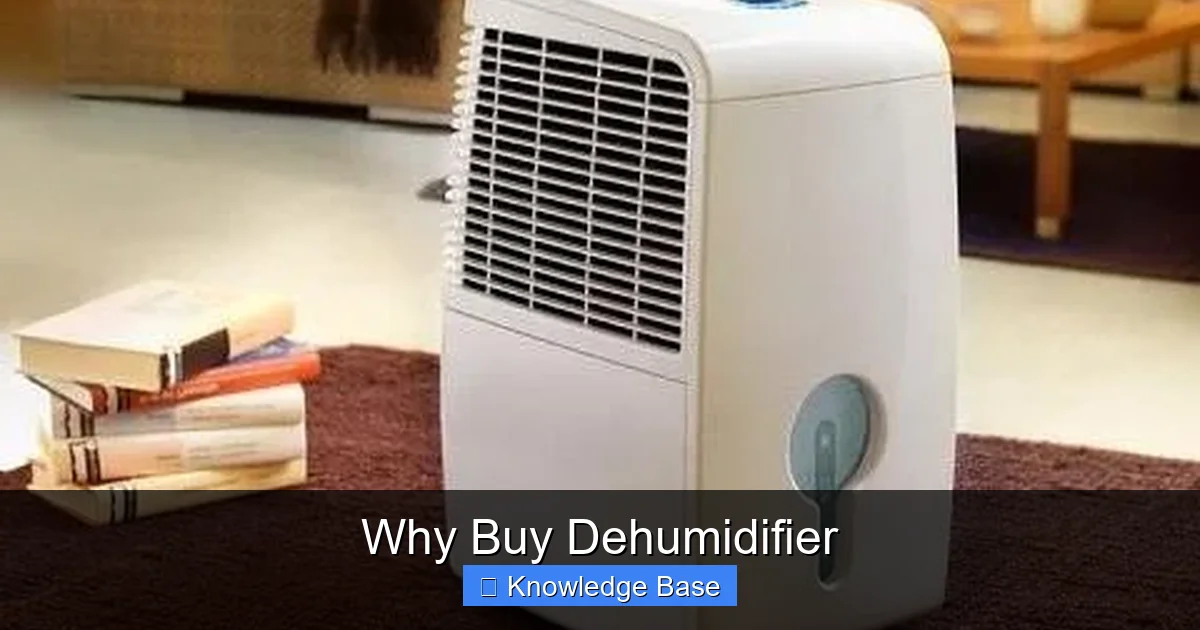
That’s where a dehumidifier comes in. Think of it as your home’s personal moisture manager. It pulls excess water vapor from the air, helping maintain a balanced humidity level—usually between 30% and 50%, which is ideal for both comfort and health. But why buy a dehumidifier? The answer goes far beyond just feeling less sticky on a hot day. From protecting your walls and furniture to helping you breathe easier, the benefits are real, measurable, and often underestimated.
In this guide, we’ll walk you through the top reasons to invest in a dehumidifier. You’ll learn how it improves your indoor air quality, safeguards your home, saves you money on energy bills, and even supports better sleep and overall well-being. Whether you’re dealing with a musty basement, allergy flare-ups, or just want to make your home feel fresher, a dehumidifier could be the simple solution you’ve been missing.
Key Takeaways
- Improves Indoor Air Quality: Removes excess moisture, reducing dust mites, mold spores, and other allergens that thrive in humid environments.
- Prevents Mold and Mildew: Keeps humidity levels below 50%, stopping mold growth on walls, ceilings, and furniture.
- Protects Your Home’s Structure: Prevents wood rot, peeling paint, and warped floors caused by prolonged dampness.
- Enhances Comfort: Makes hot, sticky weather feel cooler and more comfortable by reducing sweat-clinging humidity.
- Saves Energy and Money: Helps air conditioners work more efficiently, lowering electricity bills during summer months.
- Reduces Odors and Musty Smells: Eliminates damp, stale odors common in basements, closets, and laundry rooms.
- Supports Better Sleep and Health: Eases breathing for people with asthma or allergies by creating a drier, cleaner environment.
📑 Table of Contents
1. Improve Indoor Air Quality and Reduce Allergens
One of the most compelling reasons to buy a dehumidifier is its powerful impact on indoor air quality. When humidity levels rise above 50%, your home becomes a breeding ground for common allergens like dust mites, mold spores, and mildew. These tiny invaders don’t just float around—they settle into your carpets, bedding, and upholstery, triggering sneezing, itchy eyes, and even asthma attacks.
Dust mites, for example, thrive in humid environments. They feed on dead skin cells and multiply rapidly when moisture is high. According to the Asthma and Allergy Foundation of America, dust mites are one of the most common indoor allergens, affecting millions of people worldwide. A dehumidifier helps by keeping relative humidity below 50%, making it difficult for these pests to survive.
Similarly, mold spores love damp, poorly ventilated spaces. Basements, bathrooms, and laundry rooms are prime targets. Once mold takes hold, it can spread quickly, releasing spores into the air that you breathe in daily. This can lead to respiratory issues, especially in children, the elderly, or those with compromised immune systems.
By using a dehumidifier, you create an environment that’s less hospitable to these allergens. The air feels cleaner, smells fresher, and your lungs thank you. Many allergy sufferers report noticeable improvements in symptoms within days of using a dehumidifier. It’s like giving your home a deep breath of fresh air—literally.
How to Maximize Air Quality Benefits
To get the most out of your dehumidifier, place it in the most humid area of your home, such as a basement or crawl space. Run it consistently, especially during humid seasons. Pair it with regular cleaning—vacuuming with a HEPA filter and washing bedding in hot water—to further reduce allergen buildup. Also, ensure your home has good ventilation, especially in bathrooms and kitchens, to prevent moisture from accumulating in the first place.
2. Prevent Mold and Mildew Growth

Visual guide about Why Buy Dehumidifier
Image source: bestdehumidifierchoice.com
Mold and mildew are more than just ugly stains on your walls—they’re serious threats to your home and health. Mold grows when moisture lingers in dark, warm places. It can appear as black, green, or white patches on walls, ceilings, or behind furniture. Mildew, a surface-level fungus, often looks like gray or white powder and has a musty odor.
Both thrive in high humidity. In fact, mold can begin to grow within 24 to 48 hours of a water leak or flood if the area isn’t dried quickly. Once established, mold can spread through your HVAC system, releasing spores into every room. This not only damages your property but can also lead to health problems like coughing, skin irritation, and chronic sinus infections.
A dehumidifier acts as a first line of defense. By maintaining humidity levels between 30% and 50%, it makes it nearly impossible for mold and mildew to take root. This is especially important in areas prone to dampness, such as basements, attics, and crawl spaces. Even in newer homes with good insulation, poor ventilation can trap moisture indoors, creating the perfect storm for mold growth.
Consider this: a friend of mine recently discovered black mold behind her washing machine after noticing a persistent musty smell. She hadn’t seen any leaks, but the laundry room was poorly ventilated and always felt damp. After installing a dehumidifier and improving airflow, the mold stopped spreading, and the smell disappeared within a week.
Tips for Mold Prevention
– Use exhaust fans in bathrooms and kitchens during and after use.
– Fix leaks immediately—even small drips can lead to big problems.
– Avoid drying clothes indoors unless you have a vented dryer.
– Clean visible mold with a mixture of water and vinegar or a commercial mold cleaner, but only after reducing humidity to prevent regrowth.
– Consider a dehumidifier with a built-in humidistat, which automatically adjusts settings to maintain ideal humidity levels.
3. Protect Your Home’s Structure and Belongings
Visual guide about Why Buy Dehumidifier
Image source: bioenergyconsult.com
Your home is one of your biggest investments, and excess moisture can silently erode its value over time. High humidity doesn’t just affect the air—it seeps into walls, floors, and furniture, causing long-term damage that can be costly to repair.
Wooden structures, like floorboards, beams, and furniture, absorb moisture from the air. When humidity is consistently high, wood swells and warps. Over time, this can lead to creaky floors, sticking doors, and even structural instability. In basements and crawl spaces, prolonged dampness can cause wood rot, which weakens support beams and joists.
Paint and wallpaper also suffer in humid environments. Moisture behind walls can cause paint to bubble, peel, or blister. Wallpaper may loosen at the seams or develop unsightly mold spots. In extreme cases, the drywall itself can degrade, leading to costly repairs.
Even your belongings aren’t safe. Books, photographs, electronics, and clothing stored in damp areas can develop mold, mildew, or rust. Have you ever opened a closet and been hit with that damp, musty smell? That’s a sign of high humidity, and it’s slowly damaging everything inside.
A dehumidifier helps preserve your home’s integrity by keeping moisture levels in check. It’s like giving your house a protective shield against the slow, silent damage caused by excess humidity. In older homes, especially those with poor ventilation or foundation issues, a dehumidifier is often essential for long-term maintenance.
Protecting Valuables and Storage Areas
If you store important items in a basement or attic, consider using a smaller, portable dehumidifier or moisture-absorbing products like silica gel packs. For seasonal storage, vacuum-seal clothes and documents to prevent moisture exposure. And if you’re renovating or building, include proper vapor barriers and ventilation to reduce the need for constant dehumidification.
4. Enhance Comfort and Reduce Heat Stress
Have you ever noticed how humid days feel hotter than dry ones, even at the same temperature? That’s because high humidity interferes with your body’s natural cooling system. When you sweat, the moisture on your skin evaporates, cooling you down. But in humid air, evaporation slows down—or stops altogether—because the air is already saturated with moisture.
This makes you feel sticky, overheated, and uncomfortable, even if the thermostat says it’s only 78°F. You might find yourself cranking up the AC, which increases energy use and costs. But what if there was a better way?
A dehumidifier helps by removing excess moisture from the air, allowing sweat to evaporate more efficiently. This makes the room feel cooler and more comfortable without lowering the temperature. In fact, many people find they can raise their thermostat by a few degrees and still feel just as comfortable—leading to real energy savings.
Imagine coming home on a hot, muggy summer afternoon. Instead of walking into a swampy living room, you step into a cool, dry space that feels refreshing. That’s the power of a dehumidifier. It doesn’t just remove moisture—it transforms the way your home feels.
Combining with Air Conditioning
While air conditioners do remove some humidity, they’re primarily designed to cool the air. In very humid climates, they may struggle to keep up, especially in basements or large homes. A dehumidifier works alongside your AC, taking on the moisture load so your cooling system doesn’t have to work as hard. This improves efficiency, extends the life of your HVAC system, and reduces wear and tear.
5. Save Energy and Lower Utility Bills
Here’s a surprising benefit: using a dehumidifier can actually save you money on your energy bills. How? By reducing the workload on your air conditioner and improving overall home efficiency.
As mentioned earlier, high humidity makes your AC work harder. When the air is full of moisture, the AC has to remove both heat and humidity to cool your home. This dual task increases energy consumption. In fact, the U.S. Department of Energy estimates that reducing indoor humidity can lower cooling costs by up to 10%.
A dehumidifier takes over the moisture-removal job, allowing your AC to focus on cooling. This means it runs less frequently and uses less electricity. Over time, those savings add up—especially during peak summer months when AC usage is highest.
Additionally, a dehumidifier can help reduce the need for other energy-intensive appliances. For example, if your clothes take forever to dry on the line because of high humidity, you might resort to using a dryer more often. A dehumidifier speeds up natural drying, cutting down on dryer use and further lowering energy costs.
Choosing an Energy-Efficient Model
Not all dehumidifiers are created equal. Look for models with an ENERGY STAR rating, which are certified to use less energy without sacrificing performance. Features like auto-humidistat, auto-defrost, and timer settings also improve efficiency. And remember: size matters. A unit that’s too small won’t be effective, while one that’s too large will cycle on and off frequently, wasting energy. Choose a model suited to the square footage and humidity level of your space.
6. Support Better Sleep and Overall Health
Your sleep environment plays a huge role in how well you rest—and high humidity can seriously disrupt it. A damp, stuffy bedroom makes it harder to breathe, especially if you have asthma, allergies, or sleep apnea. It can also lead to night sweats, tossing and turning, and waking up feeling groggy.
By using a dehumidifier in your bedroom, you create a cooler, drier, and more comfortable sleeping environment. This helps regulate your body temperature and reduces the risk of respiratory irritation. Many users report falling asleep faster and staying asleep longer after installing a dehumidifier.
Beyond sleep, a dehumidifier supports overall health by reducing exposure to mold, dust mites, and other allergens. For people with chronic conditions like asthma or COPD, this can mean fewer flare-ups, less reliance on medication, and improved quality of life.
Even if you don’t have allergies, cleaner air just feels better. You’ll notice fewer headaches, less congestion, and a general sense of well-being. It’s a small change with a big impact.
Creating a Healthier Home Environment
To maximize health benefits, run your dehumidifier consistently, especially at night. Keep windows closed during high-humidity days to prevent moisture from entering. Use hypoallergenic bedding and wash it weekly in hot water to further reduce allergens. And if you have pets, groom them regularly—pet dander thrives in humid environments.
Conclusion
So, why buy a dehumidifier? The answer is clear: it’s one of the smartest, most cost-effective upgrades you can make for your home and health. From improving air quality and preventing mold to enhancing comfort and saving energy, the benefits are wide-ranging and well worth the investment.
Whether you’re dealing with a damp basement, allergy symptoms, or just want to make your home feel fresher and more comfortable, a dehumidifier delivers real results. It’s not just about removing moisture—it’s about creating a healthier, safer, and more enjoyable living space for you and your family.
When choosing a model, consider your home’s size, humidity level, and specific needs. Look for energy-efficient features, a reliable brand, and a unit that fits your budget. And remember: consistency is key. Run your dehumidifier regularly, especially during humid seasons, to maintain optimal conditions.
In the end, a dehumidifier is more than an appliance—it’s a tool for better living. It helps protect your home, supports your health, and makes everyday life just a little bit more comfortable. So if you’ve been on the fence, now’s the time to take the leap. Your home—and your lungs—will thank you.
Frequently Asked Questions
Do I really need a dehumidifier if I have air conditioning?
Yes, especially in humid climates. While AC units remove some moisture, they’re not designed to control humidity as effectively as a dedicated dehumidifier. Using both together improves comfort and efficiency.
Where should I place my dehumidifier for best results?
Place it in the most humid area, such as a basement, laundry room, or bathroom. Ensure there’s at least 6–12 inches of clearance around the unit for proper airflow.
How often should I empty the water tank?
It depends on the humidity level and tank size. Most units need emptying every 12–24 hours. Models with continuous drainage or auto-shutoff features reduce maintenance.
Can a dehumidifier help with musty smells?
Absolutely. Musty odors are often caused by mold and mildew, which thrive in damp environments. A dehumidifier reduces moisture, eliminating the source of the smell.
Will a dehumidifier increase my electricity bill?
It uses some electricity, but it can actually lower your overall energy costs by reducing the load on your air conditioner and improving home efficiency.
How do I know if my home is too humid?
Use a hygrometer to measure indoor humidity. Levels above 50% indicate excess moisture. Signs include condensation on windows, musty smells, and visible mold.